Potatoes are one of the most versatile and beloved vegetables worldwide. From crispy fries to creamy mashed potatoes, they form the base of countless dishes. Growing potatoes at home not only ensures a fresh and chemical-free harvest but also allows gardeners to experiment with different varieties and enjoy the satisfaction of harvesting their own food.
Even if you don’t have a large garden, potatoes can be grown in containers, raised beds, or small plots. With the right techniques, patience, and care, you can cultivate a bountiful potato crop in your backyard, balcony, or terrace. This comprehensive guide will take you through every step of growing potatoes at home—from choosing the right seeds to harvesting and storage.
🌱 Why Grow Potatoes at Home?
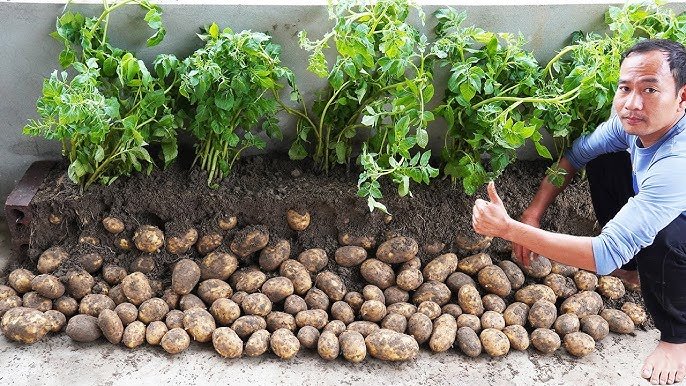
Homegrown potatoes offer several advantages:
- Fresh and nutritious: No chemicals, pesticides, or preservatives
- Variety: Grow unique types such as purple, red, or fingerling potatoes
- Cost-effective: One potato can produce multiple new tubers
- Educational: Great project for kids and beginner gardeners
- Sustainable: Reduce reliance on store-bought potatoes and packaging
Growing potatoes at home is simple, fun, and highly rewarding.
🛒 Selecting the Right Potato Seeds
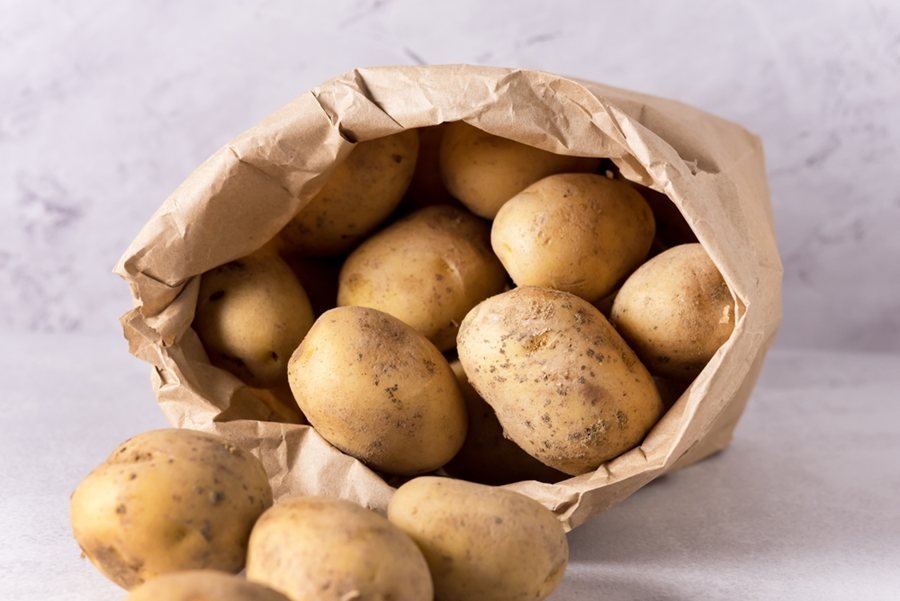
The first step in potato cultivation is selecting healthy seed potatoes.
Tips for Choosing Seeds:
- Use certified disease-free seed potatoes from a reliable supplier
- Choose medium-sized tubers, 50–100 grams each
- Look for tubers with at least 2–3 “eyes” or buds, as these are the growth points
- Avoid store-bought potatoes treated with sprout inhibitors
Good-quality seed potatoes ensure faster sprouting and stronger plants.
🌿 Preparing Potatoes for Planting
Step 1: Chitting (Optional but Recommended)
Chitting encourages early sprouting and faster growth:
- Place seed potatoes in a cool, bright, and frost-free area
- Stand them “eye” side up in egg cartons or trays
- Allow 2–4 weeks for sprouts to develop, 1–2 inches long
Step 2: Cutting Large Tubers
- Large seed potatoes can be cut into pieces with 1–2 eyes per piece
- Allow cut pieces to dry for 1–2 days to form a protective layer, preventing rot
🌱 Choosing a Planting Location
Potatoes thrive in:
- Full sun: 6–8 hours of sunlight per day
- Loose, well-draining soil: sandy loam or loamy soil is ideal
- Slightly acidic soil: pH 5.5–6.5
- Raised beds or containers to improve drainage in heavy soils
Avoid planting potatoes where nightshades (tomatoes, peppers, eggplants) were grown recently to prevent disease buildup.
🪴 Planting Potatoes
Step 1: Preparing the Soil
- Loosen soil to a depth of 10–12 inches
- Mix in compost or well-rotted manure for fertility
- Create shallow trenches or holes 3–4 inches deep
Step 2: Planting the Seed Potatoes
- Place tubers or cut pieces with eyes facing up
- Space them 12 inches apart, with rows 2–3 feet apart
- Cover lightly with 3–4 inches of soil
Step 3: Watering
- Water immediately after planting
- Keep soil evenly moist but not waterlogged
💧 Caring for Potato Plants
Proper care ensures healthy plants and larger tubers.
1. Hilling Soil
- As potato plants grow 6–8 inches tall, mound soil around stems
- Repeat hilling every 2–3 weeks
- Hilling protects tubers from sunlight (prevents greening) and increases yield
2. Watering
- Potatoes need 1–2 inches of water per week
- Water at the base of plants to avoid wetting leaves, which can cause disease
3. Fertilizing
- Use compost, well-rotted manure, or organic NPK fertilizer
- Avoid excessive nitrogen; it promotes foliage over tubers
- Apply phosphorus and potassium-rich fertilizers for tuber development
4. Mulching
- Apply straw, dried leaves, or grass clippings to retain moisture, suppress weeds, and keep soil cool
🌡 Temperature and Sunlight Requirements
Potatoes grow best in moderate temperatures:
- Daytime: 18–24°C (65–75°F)
- Nighttime: 12–18°C (54–65°F)
Extreme heat can reduce tuber size and flavor. Ensure plants receive full sun for optimal growth.
🛡 Protecting Potatoes from Pests and Diseases
Potatoes are prone to pests and diseases, but careful management can minimize problems:
Common Pests:
- Potato beetles: Remove by hand or use neem oil spray
- Aphids: Spray diluted neem oil or insecticidal soap
- Wireworms: Rotate crops and inspect soil
Common Diseases:
- Late blight: Prevent by avoiding wet foliage and providing good airflow
- Black scurf: Plant certified seed potatoes and maintain clean soil
- Fusarium wilt: Rotate crops and remove infected plants
Regular monitoring is essential to ensure a healthy crop.
🌱 Harvesting Potatoes
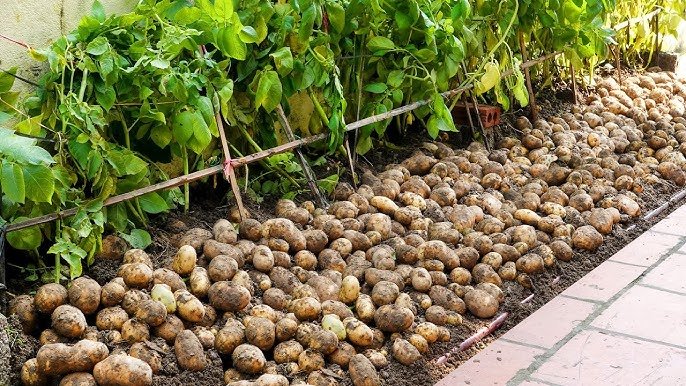
Step 1: Early Harvest (New Potatoes)
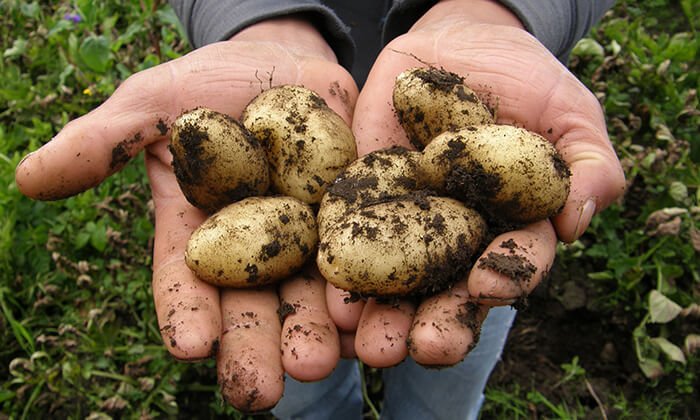
- Harvest small, tender potatoes when plants flower
- Carefully dig around stems to avoid damaging tubers
Step 2: Full Harvest
- Wait until foliage yellows and dies back, usually 10–12 weeks after planting for early varieties
- Gently lift tubers with a fork or spade
Step 3: Curing
- Allow harvested potatoes to cure in a cool, dark, ventilated area for 1–2 weeks
- This hardens the skin, enhancing storage life and flavor
🪴 Growing Potatoes in Containers or Small Spaces
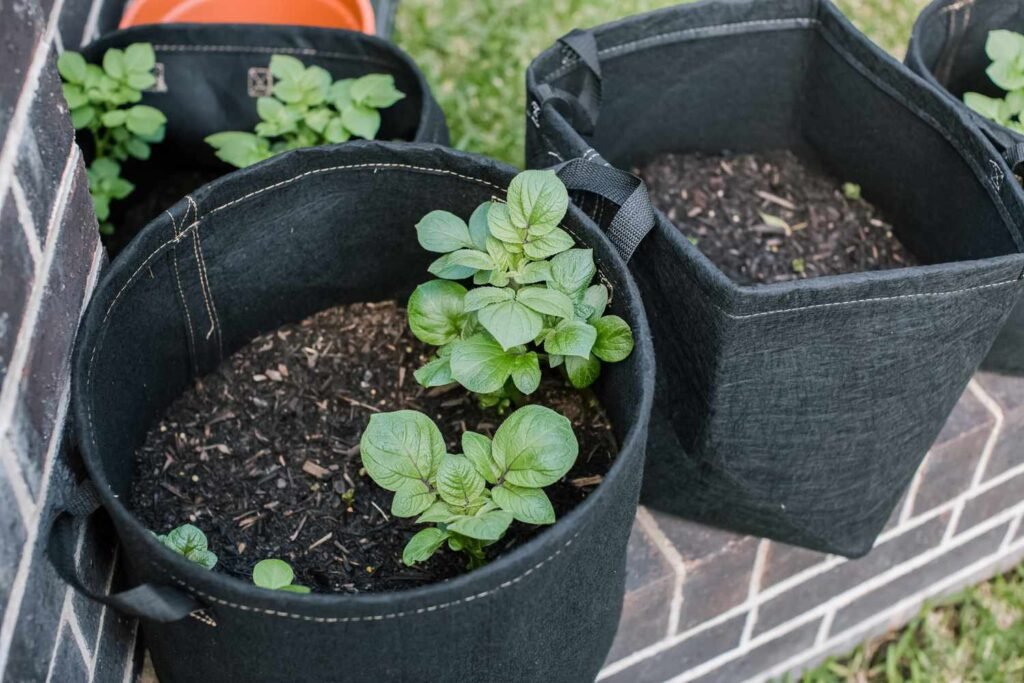
If garden space is limited, potatoes can thrive in containers or grow bags:
- Use 10–20 gallon containers or large grow bags
- Layer soil and seed potatoes, adding more soil as plants grow
- Ensure proper drainage holes at the bottom
- Water consistently and mulch to retain moisture
Container-grown potatoes can yield surprisingly well and are ideal for apartment or balcony gardening.
🌟 Tips for a Successful Potato Harvest
- Use certified seed potatoes for disease-free growth
- Start chitting to encourage early sprouting
- Hill soil regularly to protect tubers and boost yield
- Maintain even soil moisture and avoid waterlogging
- Mulch to conserve moisture, suppress weeds, and regulate temperature
- Rotate crops annually to prevent disease
🥔 Conclusion
Growing potatoes at home is rewarding, cost-effective, and fun. With proper planning, care, and attention, you can enjoy fresh, flavorful potatoes from your own backyard, terrace, or balcony. From selecting healthy seed potatoes to planting, watering, hilling, and harvesting, each step contributes to a bountiful crop.
Whether you choose traditional in-ground planting, raised beds, or container gardening, this guide provides all the knowledge needed to grow potatoes successfully. With patience and consistent care, you’ll soon be harvesting your own delicious, homegrown potatoes ready to enhance meals straight from your garden.