Peaches are more than just a delicious summer fruit—they’re a symbol of homegrown freshness and gardening satisfaction. Growing peaches at home can be immensely rewarding, providing sweet, juicy fruit for your family while adding beauty and greenery to your garden or backyard. Although peaches are often associated with orchards and commercial farms, they can thrive in home gardens with the right care, soil, and attention. This guide will take you through everything you need to know about growing peaches at home, from selecting the right variety to harvesting and caring for your tree.
1. Why Grow Peaches at Home?
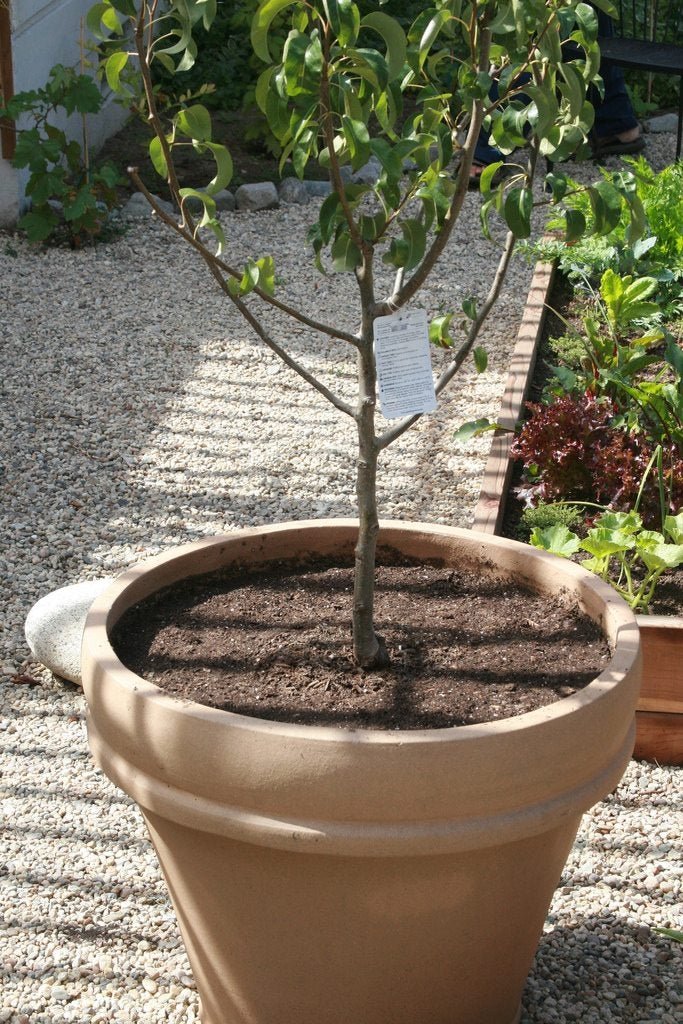
Growing peaches at home offers several benefits:
- Fresh and flavorful fruit: Nothing compares to the taste of a homegrown peach, free from pesticides and preservatives.
- Cost savings: Instead of buying peaches from stores, you can harvest your own each season.
- Gardening enjoyment: Caring for fruit trees provides a fulfilling hobby and connection to nature.
- Environmental benefits: Trees improve air quality, provide shade, and enhance your garden ecosystem.
- Control over quality: You can ensure organic practices and safe growing methods.
2. Choosing the Right Peach Variety
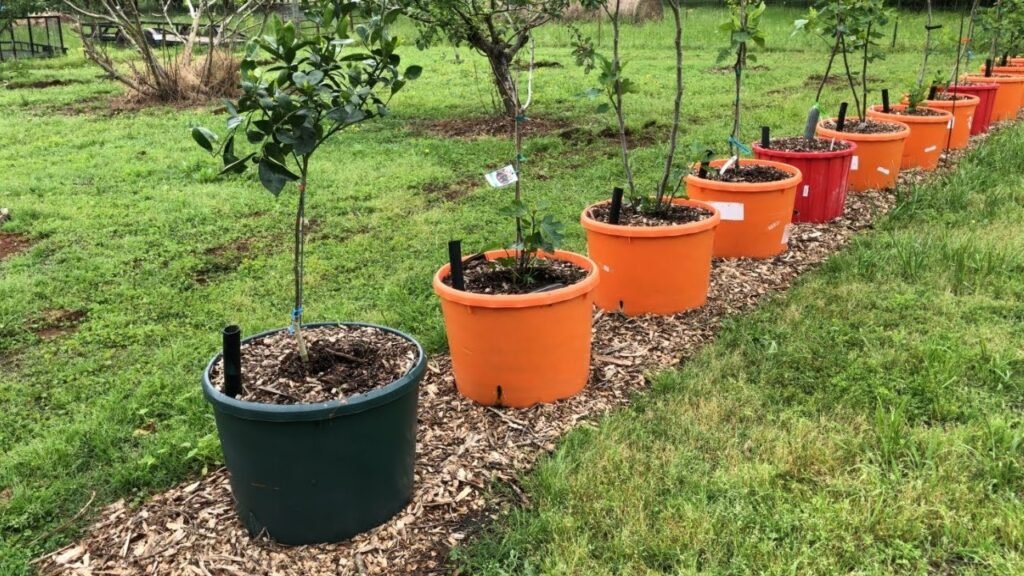
Selecting the right variety is essential for success. Consider your local climate, soil type, and available space. Peach trees generally fall into two categories:
- Freestone Varieties: The pit separates easily from the flesh, making them perfect for eating fresh. Examples: ‘Redhaven,’ ‘Elberta.’
- Clingstone Varieties: The flesh clings to the pit, ideal for canning or preserves. Examples: ‘O’Henry,’ ‘June Gold.’
Additionally, consider cold-hardiness and disease resistance. Some varieties thrive in cooler climates, while others prefer warm, sunny conditions.
3. Selecting the Right Planting Site
Peach trees need ideal conditions to grow healthy and produce abundant fruit:
- Sunlight: Full sun is essential. Ensure at least 6–8 hours of direct sunlight daily.
- Soil: Well-draining, sandy or loamy soil is best. Avoid waterlogged areas, which can cause root rot.
- Space: Peach trees can spread widely, so plant them at least 12–15 feet apart. Dwarf varieties require less space, making them suitable for smaller gardens.
- Air circulation: Good airflow prevents fungal diseases and ensures even ripening of fruit.
4. Planting Peach Trees at Home
Step 1: Prepare the Soil
- Clear weeds, rocks, and debris from the planting area.
- Enrich soil with compost or well-rotted manure to provide essential nutrients.
Step 2: Choose Healthy Saplings
- Buy disease-free saplings from reputable nurseries.
- One- to two-year-old trees usually establish best in home gardens.
Step 3: Dig the Hole
- Make a hole twice as wide as the root ball and slightly deeper.
- Loosen the soil at the bottom to encourage root growth.
Step 4: Plant the Tree
- Place the tree in the hole, ensuring the top of the root ball is level with the soil surface.
- Fill with soil, tamp gently, and water thoroughly.
5. Watering and Irrigation
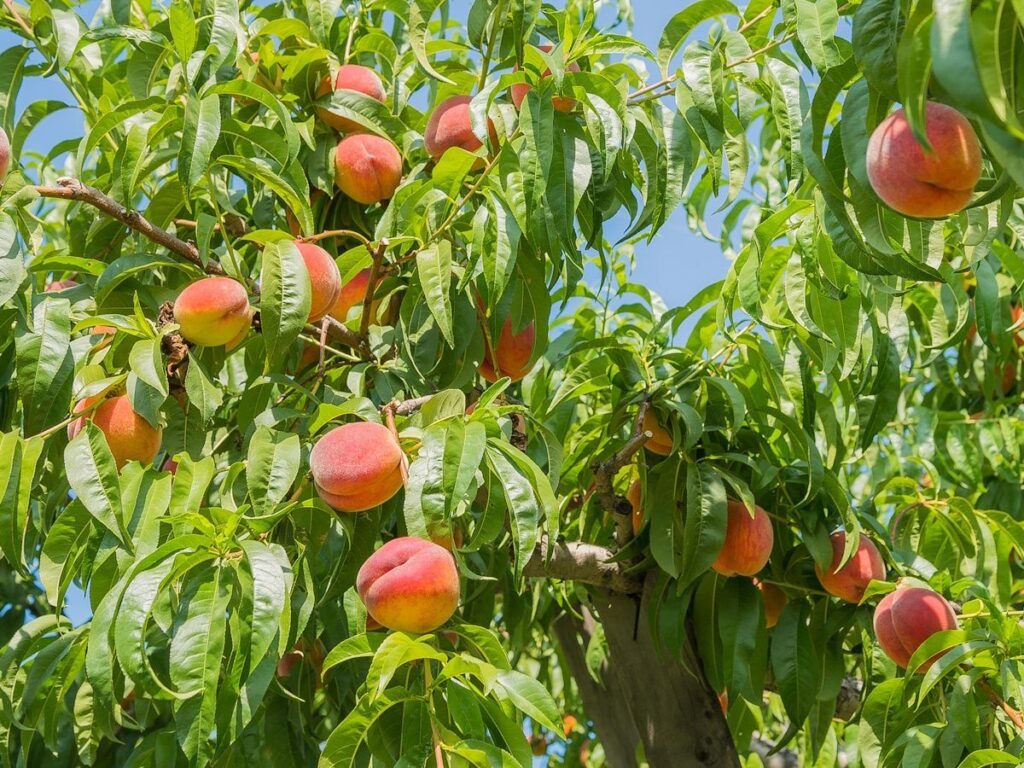
Young peach trees require consistent watering to establish roots. Key tips:
- Water weekly during dry periods.
- Avoid overwatering; soggy soil can cause root rot.
- Mature trees are more drought-tolerant but will produce juicier fruit with regular watering.
- Drip irrigation or soaker hoses work well to deliver water directly to the root zone.
6. Fertilization and Soil Care
Peach trees need proper nutrients for healthy growth and fruit production:
- Early Spring: Apply a balanced fertilizer (10-10-10) before bud break.
- Summer: Supplement with compost or organic mulch to retain moisture.
- Pruning: Fertilization works best alongside pruning to encourage fruiting.
Mulching around the base helps retain moisture, regulate soil temperature, and prevent weeds.
7. Pruning Peach Trees
Pruning is crucial for maintaining tree shape, improving air circulation, and increasing fruit yield:
- Timing: Prune in late winter or early spring before bud break.
- Technique: Remove dead, damaged, or crossing branches.
- Shape: Open-center or vase-shaped pruning allows sunlight to reach all parts of the tree.
- Maintenance: Regular pruning prevents overcrowding and improves fruit size and quality.
8. Pest and Disease Management

Peach trees can be affected by pests and diseases if not monitored:
- Common pests: Aphids, peach tree borers, scale insects, and mites.
- Diseases: Peach leaf curl, brown rot, and powdery mildew.
- Prevention:
- Inspect trees regularly for signs of damage.
- Apply organic insecticides or neem oil if needed.
- Maintain proper spacing and airflow.
- Remove fallen leaves and rotting fruit promptly.
9. Flowering and Fruit Setting
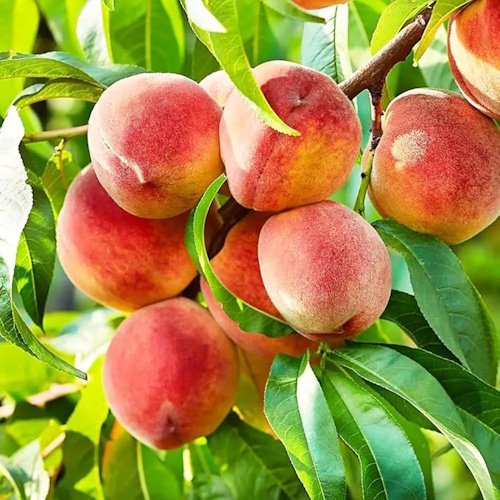
Peach trees bloom in early spring, producing beautiful pink or white blossoms. Key points for fruit setting:
- Bees are vital for pollination; avoid insecticides during bloom.
- Ensure consistent watering during flowering to prevent fruit drop.
- Thinning small fruits improves size and quality. Remove excess fruit so that one fruit every 6–8 inches remains.
10. Harvesting Peaches
Peaches usually ripen in late summer, depending on the variety:
- Signs of ripeness:
- Fragrant aroma
- Slight softness when gently squeezed
- Deep, vibrant color
- Harvest carefully by twisting the fruit off the branch.
- Avoid storing peaches in direct sunlight; refrigerate to extend freshness.
11. Tips for Growing Success
- Start with disease-resistant varieties for easier care.
- Monitor soil moisture closely, especially for young trees.
- Fertilize lightly but consistently; avoid over-fertilizing, which encourages foliage over fruit.
- Keep records of pruning, fertilization, and watering to track success.
- Consider companion plants to enhance soil fertility and attract pollinators.
12. Enjoying Your Homegrown Peaches
Homegrown peaches can be enjoyed in many ways:
- Fresh from the tree for a sweet, juicy snack
- Homemade jams, jellies, or preserves
- Baking in pies, tarts, or cobblers
- Blending into smoothies or fruit salads
Nothing compares to the flavor and satisfaction of fruit nurtured in your own garden.
Conclusion
Growing peaches at home may seem challenging, but with the right variety, proper care, and patience, it is a highly rewarding endeavor. From planting healthy saplings and maintaining soil moisture to pruning and managing pests, each step ensures your peach trees thrive and produce delicious, juicy fruit. Homegrown peaches are not only a treat for the taste buds—they represent the joy of gardening and the satisfaction of cultivating life from a tiny tree to a fruit-bearing marvel.
Start your peach-growing journey today, and soon your garden will be filled with the sweet fragrance and flavor of homegrown peaches—a true testament to your gardening skills and dedication.