Few fruits evoke the feeling of summer quite like watermelon. Its vibrant color, refreshing flavor, and natural sweetness make it a favorite for backyard picnics and family gatherings. Growing your own watermelons at home is not only satisfying but also ensures you enjoy fresh, chemical-free fruit straight from your garden. With the right soil, care, and techniques, you can cultivate large, juicy watermelons that rival those from the market. This guide will take you step by step through the process of growing watermelons in your own backyard.
1. Why Grow Watermelons at Home?
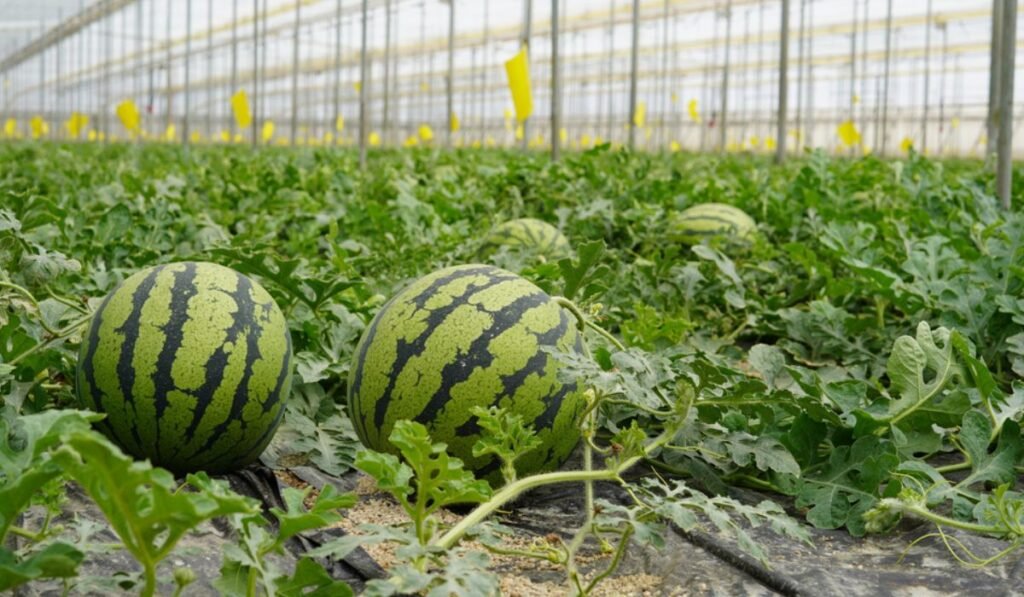
Homegrown watermelons come with several advantages:
- Superior flavor: Freshly picked watermelons are sweeter and juicier than store-bought ones.
- Control over quality: You choose organic practices and avoid pesticides.
- Cost savings: Growing watermelons at home can save money, especially if you consume them frequently.
- Gardening satisfaction: Watching seeds grow into large fruits is highly rewarding.
- Fun for families: Watermelon gardening can be a shared activity for children and adults alike.
2. Choosing the Right Watermelon Variety
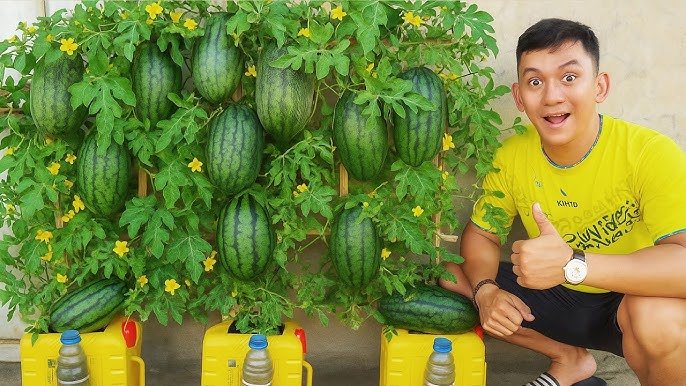
Selecting the right variety is crucial for success. Watermelons generally fall into three categories:
- Seeded varieties: Classic watermelon with black seeds; examples include ‘Crimson Sweet’ and ‘Sugar Baby.’
- Seedless varieties: Easier to eat, like ‘Triploid’ or ‘Seedless Sugar Baby.’
- Mini or personal watermelons: Smaller fruits, perfect for container gardening or limited spaces, e.g., ‘Mini Love’ or ‘Petit Gris de Rennes.’
Consider your growing space, climate, and personal preference when choosing a variety. Some watermelons require longer seasons and warm temperatures, while others are suitable for shorter summers.
3. Preparing Your Garden for Watermelons
Watermelons need ample space, sunlight, and fertile soil to thrive:
- Sunlight: Ensure at least 6–8 hours of direct sunlight daily.
- Soil: Well-draining, sandy loam soil with a slightly acidic to neutral pH (6.0–7.0) is ideal.
- Space: Watermelons are sprawling plants; vines can extend 10–20 feet. Consider spacing hills 3–6 feet apart to allow room for growth.
- Drainage: Avoid waterlogged areas; excess moisture can lead to root rot.
Tip: Enrich soil with compost or well-rotted manure before planting to boost fertility and water retention.
4. Planting Watermelons
Step 1: Start Seeds Indoors (Optional)
- Sow seeds in pots 3–4 weeks before the last expected frost.
- Use a seed-starting mix and keep soil warm (70–85°F).
- Transplant seedlings outdoors after danger of frost has passed.
Step 2: Direct Sowing in Garden
- Plant seeds 1 inch deep in small hills or mounds.
- Space 3–6 feet between hills for spreading vines.
- Plant 2–3 seeds per hill and thin to one strong seedling after germination.
Step 3: Container Planting (For Small Spaces)
- Use large pots or grow bags with at least 15–20 gallons of soil.
- Ensure drainage holes to prevent waterlogging.
- Select dwarf or personal watermelon varieties for containers.
5. Watering and Mulching
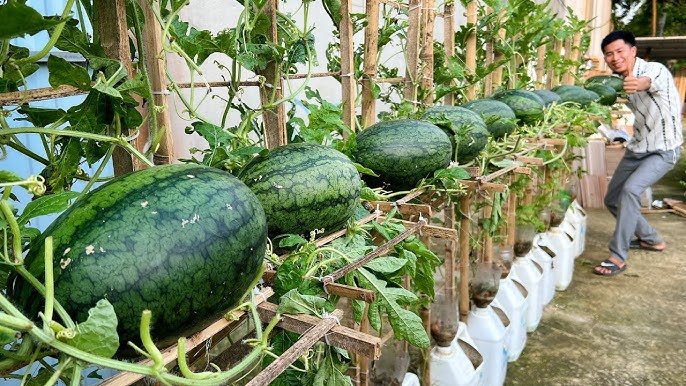
Watermelons are thirsty plants, especially during fruit formation:
- Watering:
- Water deeply once or twice a week to encourage deep root growth.
- Reduce watering as fruit approaches maturity to enhance sweetness.
- Mulching:
- Apply organic mulch around vines to retain moisture, suppress weeds, and regulate soil temperature.
- Black plastic mulch can also help warm the soil in cooler climates and improve fruit size.
6. Fertilization and Nutrient Management
Watermelons are heavy feeders that require regular nutrients:
- Early growth stage: Use a balanced fertilizer (10-10-10) to encourage leaves and vine development.
- Flowering and fruiting stage: Switch to a fertilizer high in phosphorus and potassium to promote blooms and juicy fruit.
- Organic options: Compost tea or fish emulsion provides nutrients without chemicals.
Tip: Avoid excessive nitrogen during fruiting, as it promotes foliage over fruit development.
7. Pollination

Watermelons rely on bees and insects for pollination:
- Encourage pollinators: Plant flowers nearby to attract bees.
- Hand pollination (optional): Use a small paintbrush to transfer pollen from male flowers to female flowers if pollinator activity is low.
Female flowers are identified by a small swelling behind the petals—the developing fruit.
8. Supporting Watermelon Growth
Watermelon vines can sprawl extensively, but you can manage growth:
- Pruning: Optional, but trimming secondary vines can focus energy on producing larger fruits.
- Elevating fruit (optional): For smaller watermelons in containers, place a small platform or sling under the fruit to prevent rot.
- Pest protection: Keep an eye out for aphids, cucumber beetles, and squash bugs. Organic sprays or neem oil can help.
9. Harvesting Watermelons
Knowing when to harvest is key to juicy, flavorful fruit:
- Check tendrils: The tendril closest to the fruit will dry and turn brown when ripe.
- Skin color: The underside touching the soil should change from white to creamy yellow.
- Sound test: Tap the melon—ripe watermelons produce a deep, hollow sound.
- Texture: The fruit should feel firm but slightly springy.
Harvest carefully to avoid damaging the vine. Use pruning shears or a knife to cut the fruit from the vine.
10. Storage and Enjoying Your Watermelon
- Store watermelons at room temperature until fully ripe.
- Refrigerate cut fruit to maintain freshness.
- Enjoy fresh slices, smoothies, salads, or make juice and sorbets.
Homegrown watermelons are naturally sweeter and more aromatic than store-bought varieties.
11. Troubleshooting Common Issues
- Cracking fruit: Often caused by irregular watering—maintain consistent moisture.
- Poor fruit set: May result from insufficient pollination or excessive nitrogen.
- Pest damage: Inspect leaves and vines for aphids, beetles, or caterpillars.
- Powdery mildew: Provide adequate spacing and sunlight; apply organic fungicides if needed.
12. Tips for Maximum Yield
- Start seeds indoors in cooler climates to extend the growing season.
- Choose disease-resistant varieties to reduce maintenance.
- Rotate watermelon crops yearly to prevent soil-borne diseases.
- Regularly remove weeds that compete for nutrients and water.
- Mulch heavily to retain soil moisture and maintain stable root conditions.
13. Fun Variations and Ideas
- Mini watermelons for small gardens: Grow dwarf varieties in pots or hanging baskets.
- Companion planting: Plant corn or beans nearby to provide partial shade and natural support.
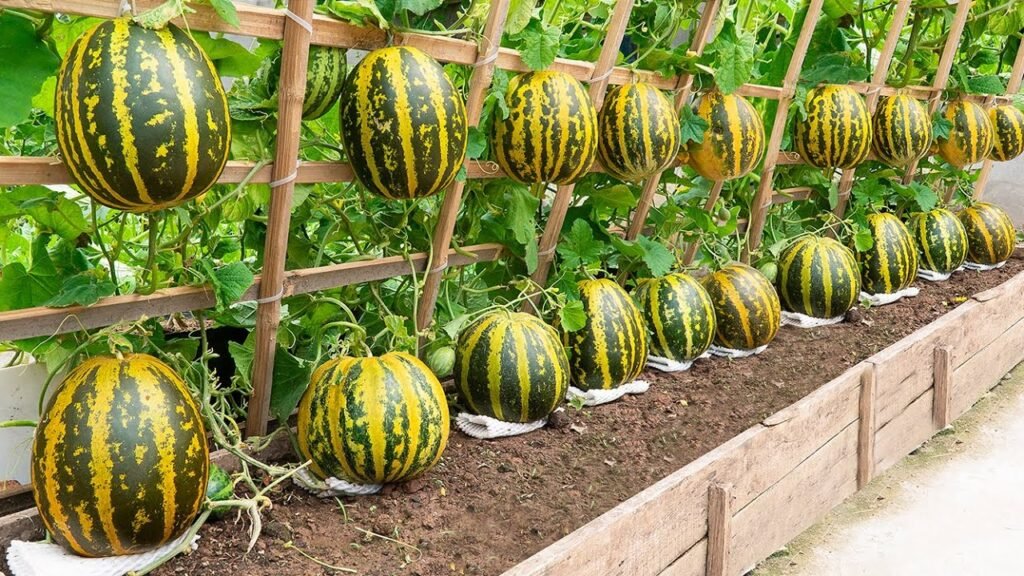
- Decorative gardens: Watermelon vines can be trained along trellises for vertical gardening.
Conclusion
Growing watermelons at home is a fun and rewarding gardening adventure. From selecting the right variety and preparing fertile soil to ensuring proper watering, pollination, and care, each step contributes to the joy of harvesting your own juicy, sweet fruits. Whether you have a large backyard or a small garden space, watermelons can thrive with the right techniques and attention.
By following these steps, you can enjoy fresh, flavorful watermelons straight from your garden, impress your family and friends, and experience the satisfaction of growing one of summer’s most beloved fruits yourself. Start your watermelon-growing journey today and taste the incredible difference of homegrown produce.