Cabbage is one of the most popular vegetables in home gardens, loved for its crisp texture, rich nutrients, and versatility in cooking. But many gardeners hesitate to grow it, assuming cabbage requires too much time, space, or expertise. The truth is very different: you can grow cabbage at home easily, quickly, and successfully—even if you’re a beginner.
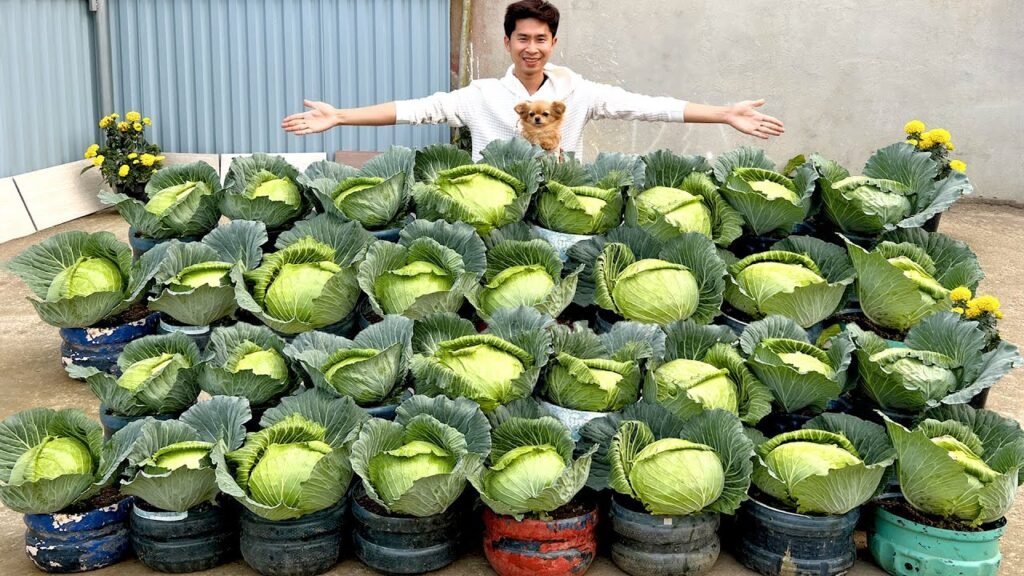
Whether you have a small balcony, a terrace, a backyard, or just a few containers, cabbage adapts well and rewards you with firm, healthy, delicious heads. With the right techniques and simple care routine, you can harvest beautiful cabbages faster than you think.
This complete guide will show you every step—from seeds to harvest—so you can grow cabbage quickly and enjoy fresh, homegrown produce in no time.
🥬 1. Understanding Cabbage: A Cool-Season Champion
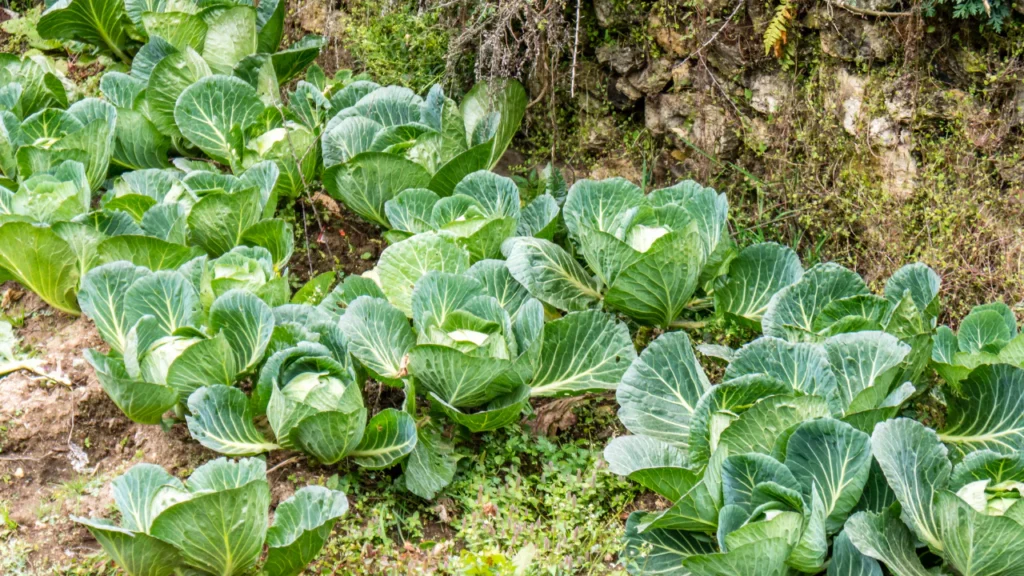
Cabbage (Brassica oleracea) is a cool-season crop that thrives in mild temperatures. It grows best when temperatures range between 10°C and 25°C. That’s why cabbage grows incredibly well in:
- Winter season
- Early spring
- Mild climates
- Shaded balconies (with 4–5 hours sun)
Cabbage grows faster in cool weather because the plant focuses more on forming a tight head rather than expanding leaves.
🌱 2. Choosing the Best Cabbage Variety for Quick Growth
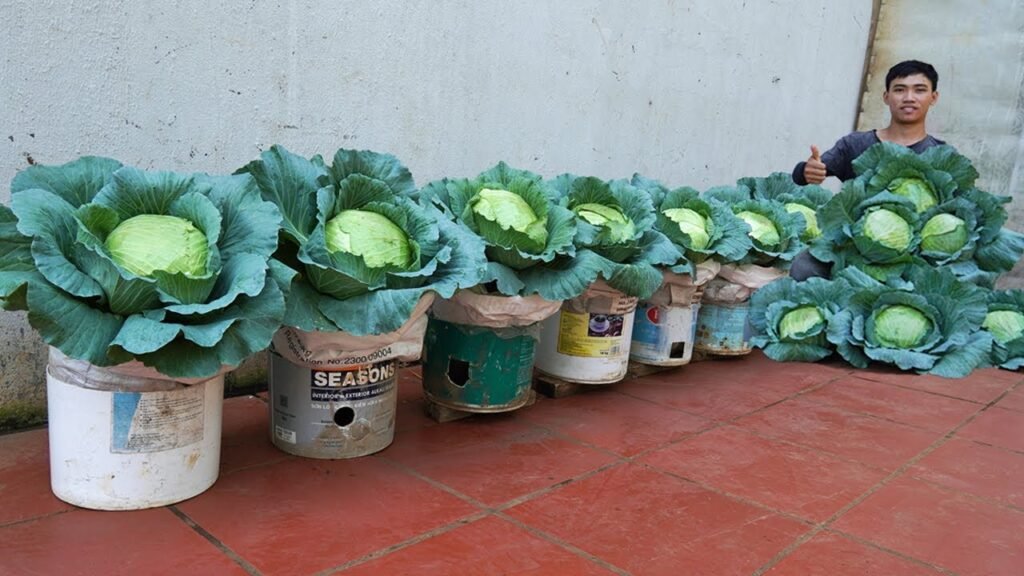
Different cabbage varieties have different sizes, shapes, and maturity times. To grow cabbage quickly at home, choose fast-maturing varieties.
🌿 Fast-Growing Varieties:
- Golden Acre
- Early Jersey Wakefield
- Green Express
- Mini cabbage varieties
- Red Acre (red cabbage)
- Savoy cabbage (loose leaves but fast)
Mini varieties take less space and mature in 45–60 days, making them perfect for container growing.
🪴 3. Best Containers and Spacing for Faster Cabbage Growth
Cabbage can grow in:
- Grow bags
- Clay pots
- Plastic pots
- Raised beds
- Open garden soil
✔ Minimum container size:
- 15–20 liters per plant
Cabbage needs space for its roots to expand quickly. Crowded roots lead to small, loose heads.
✔ Spacing in beds:
- 45–60 cm between plants
- 60 cm between rows
Proper spacing = faster growth + bigger heads.
🌾 4. Preparing the Ideal Soil Mix
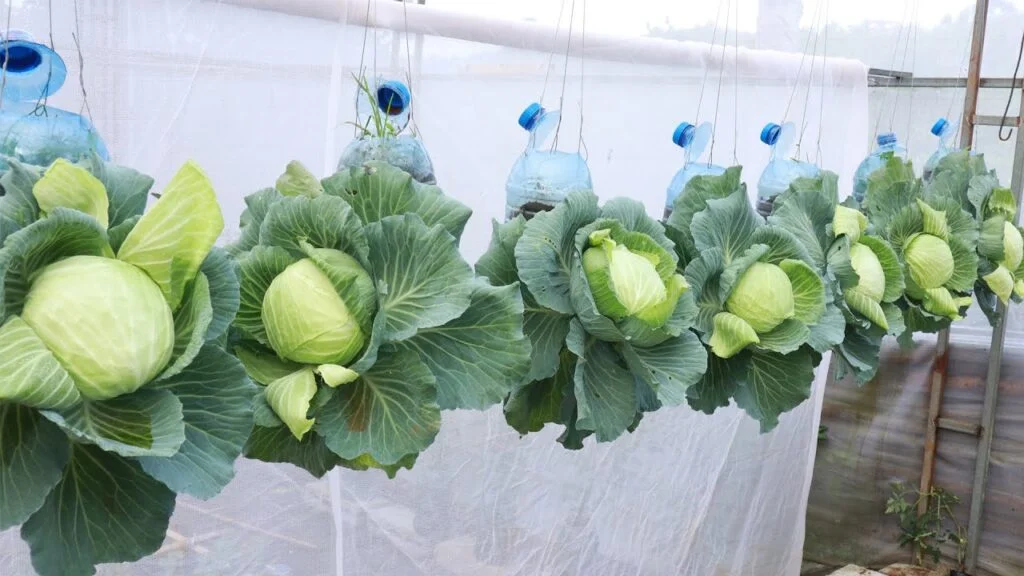
Cabbage is a heavy feeder, meaning it needs nutrient-rich soil to grow quickly.
🥬 Perfect Soil Mix for Fast Growth
- 40% garden soil
- 30% compost or cow dung manure
- 20% cocopeat
- 10% sand or perlite
🔽 Add boosters for quicker development:
- 1 handful neem cake → protects roots
- 1 handful vermicompost → boosts growth
- Eggshell powder → adds calcium
Cabbage thrives in slightly acidic to neutral soil (pH 6–7).
🌞 5. Sunlight Requirements
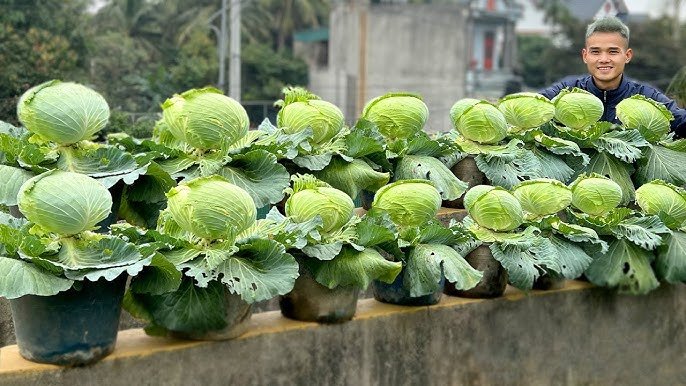
Cabbage needs adequate sunlight, but not extreme heat.
☀ Ideal sunlight:
- 4–6 hours of direct sun
- Partial shade works well in hotter regions
Excess heat delays head formation, while cooler temperatures speed it up.
🌱 6. Starting Cabbage from Seeds (Quick Method)
Growing cabbage from seeds is easy and cost-effective.
✔ Step-by-step:
- Fill a seed tray or small cups with a light potting mix.
- Sow seeds 1 cm deep.
- Water gently and keep in a bright spot.
- Seeds germinate in 4–7 days.
- Let seedlings grow until they have 3–4 true leaves (about 2–3 weeks).
Transplant them into pots or beds after they become strong.
🥗 7. Transplanting Seedlings for Faster Head Formation
Transplant seedlings carefully to avoid shock, as stress slows down cabbage growth.
✔ Tips for quick establishment:
- Transplant in the evening
- Water immediately after planting
- Bury roots well but keep leaves above soil
- Maintain 45–60 cm spacing
Healthy transplants lead to faster head formation.
💧 8. Watering Cabbage the Right Way
Cabbage loves moist soil, especially during head formation.
✔ Watering Tips:
- Water deeply 3–4 times a week
- Keep soil consistently moist, not soggy
- Mulch using straw or dried leaves
- Water at the base, not on leaves
Mulching helps keep the roots cool and speeds up growth.
🧪 9. Feeding Cabbage for Fast, Big Heads
This is one of the secrets to growing cabbage easily and quickly.
Cabbage needs regular feeding because it grows rapidly.
🌱 Fertilizer Schedule:
⏳ Week 1–2 (After Transplanting)
- Vermicompost around the base
- Diluted cow dung tea
🌿 Week 3–4 (Leaf Growth Phase)
- Nitrogen-rich fertilizers
- Seaweed extract spray
- Mustard cake liquid fertilizer
🥬 Week 5 onwards (Head Formation)
Switch to phosphorus and potassium-rich feeds:
- Banana peel fertilizer
- Bone meal
- Wood ash (tiny amount)
- Compost tea every 10 days
Proper feeding = tighter, larger cabbage heads in record time.
🌬️ 10. Protecting Cabbage from Pests Naturally
Cabbage can attract several pests, but simple natural remedies keep them away.
🐛 Common Pests:
- Cabbage worms
- Aphids
- Whiteflies
- Snails
- Leaf-miners
🌿 Natural Solutions:
- Neem oil spray (weekly)
- Soap water spray
- Garlic-chili spray
- Hand-pick visible worms
- Use netting to cover plants
Healthy, pest-free leaves = faster head formation.
🌼 11. Encouraging Faster Head Formation
These lesser-known tricks can dramatically speed up cabbage growth:
✔ 1. Mulch heavily
Keeps soil cool and moist.
✔ 2. Avoid water stress
Cabbage slows down even after one dry spell.
✔ 3. Don’t overcrowd
Cabbage needs space and airflow.
✔ 4. Apply Epsom salt
1 tablespoon in 1 liter water → boosts magnesium & improves head formation.
✔ 5. Side-dress with compost
Every 20 days, add a handful around each plant.
✔ 6. Remove damaged outer leaves
Helps the plant divert energy to forming the head.
🥬 12. Harvesting Cabbage Quickly and Correctly
Cabbage is ready to harvest when:
- The head is firm and compact
- Leaves feel crisp
- The center feels hard when pressed
- Size matches your chosen variety
✔ Harvesting Tip:
Cut the head with a sharp knife, leaving outer leaves and the base intact.
Bonus: Sometimes small baby cabbages grow around the base after harvest.
🌟 13. Additional Tips for Growing Cabbage Easily at Home
✔ Grow companion plants
Cabbage loves growing with:
- Onions
- Garlic
- Basil
- Mint
These ward off pests.
✔ Rotate crops
Avoid planting cabbage in the same spot each season.
✔ Keep soil loose
Frequent hoeing keeps the soil aerated for root growth.
✔ Maintain cool conditions
Cabbage grows fastest when soil stays cool and moist.
🥗 Final Thoughts
Growing cabbage at home easily and quickly is absolutely possible when you follow the right techniques. With nutrient-rich soil, proper spacing, adequate moisture, and smart feeding, your cabbage can grow into a beautiful, crisp, healthy head in just a few weeks.
You don’t need a large garden—just a pot, sunlight, and a little care. The satisfaction of cutting your own fresh cabbage, free from chemicals and pesticides, makes the entire gardening journey even more fulfilling.