Growing peppers at home is one of the most enjoyable and rewarding gardening experiences. Peppers—whether sweet bell peppers or spicy chilies—grow beautifully in pots, raised beds, balconies, and backyard gardens. They don’t require much space, and with the right care, each plant can produce dozens of vibrant, flavorful fruits.
If you’ve ever thought growing peppers is difficult, this guide will change your mind. With simple steps, smart techniques, and a little patience, anyone can grow peppers easily at home, even with limited space.
Let’s dive into the complete guide.
🌱 1. Understanding Pepper Plants
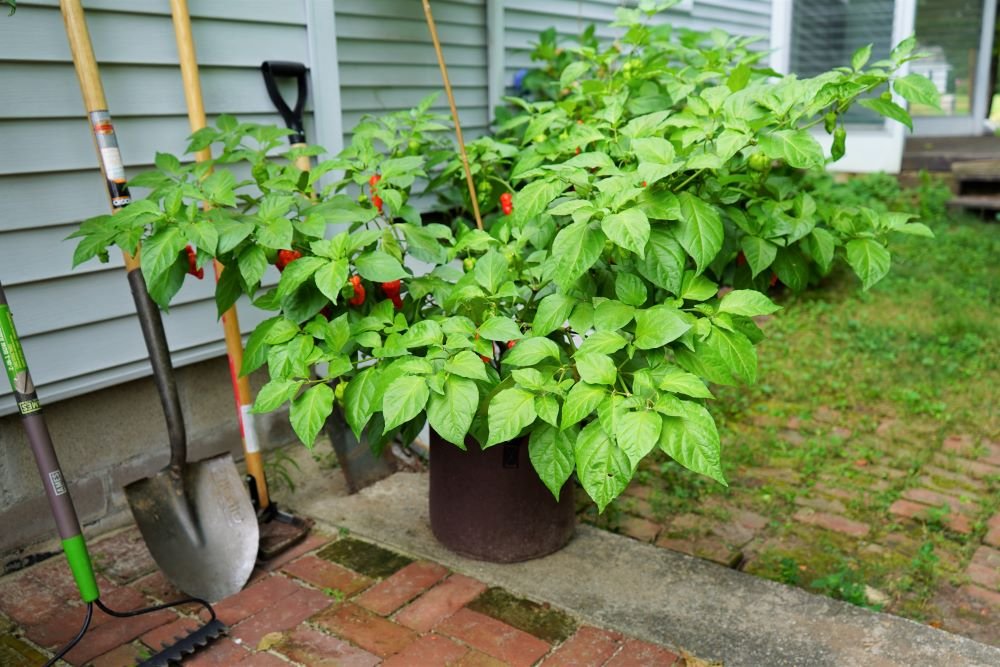
Peppers belong to the Capsicum family and thrive in warm, sunny climates. They grow best when temperatures are between 20–32°C, making them perfect for tropical and subtropical regions.
There are two main types:
✔ Sweet Peppers (Bell Peppers)
- Mild flavor
- Thick walls
- Need slightly richer soil
✔ Hot Peppers (Chilies)
- More heat-tolerant
- Produce more fruits
- Great for small pots
The good news? Both types grow using the same basic principles.
🌿 2. Choosing the Right Variety
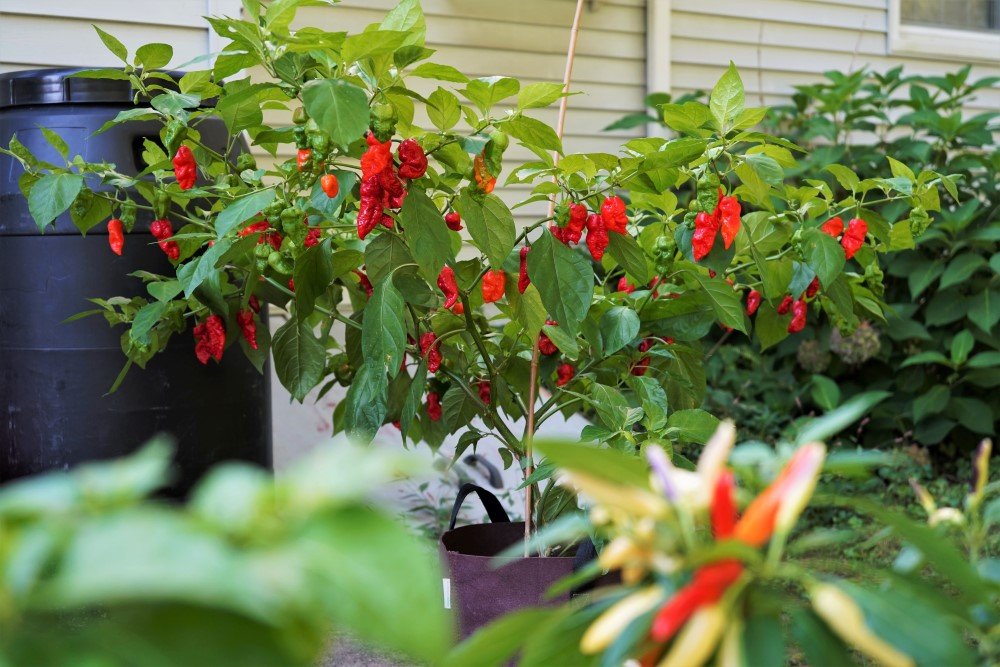
Some beginner-friendly pepper varieties include:
🔥 For Hot Peppers:
- Cayenne
- Thai chili
- Bird’s eye chili
- Jalapeño
🫑 For Sweet Peppers:
- California Wonder
- Green/Red bell peppers
- Yellow bell peppers
Choose varieties based on:
- Space available
- Sunlight
- Your spice preference
If you’re a beginner, start with hot peppers—they’re very easy and forgiving.
🪴 3. Best Containers for Peppers
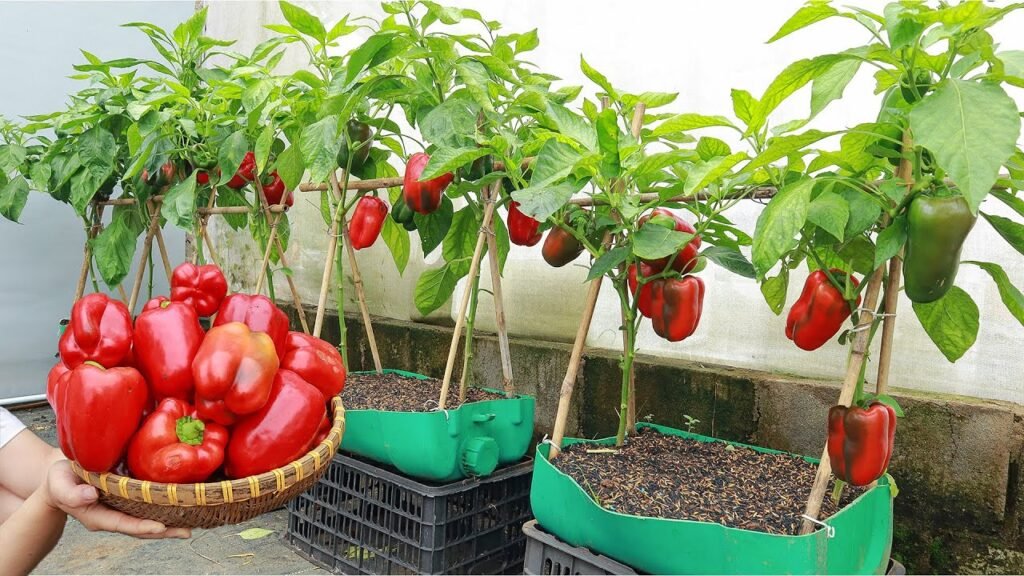
Peppers grow very well in containers, making them perfect for balconies or terraces.
✔ Minimum container size:
- 10–12 liters per plant (for chilies)
- 15–20 liters (for bell peppers)
✔ Container Types:
- Plastic pots
- Grow bags
- Buckets
- Cement pots
- Recycled containers (with drainage holes)
Good drainage is essential, as peppers hate waterlogging.
🌱 4. Preparing the Perfect Soil Mix
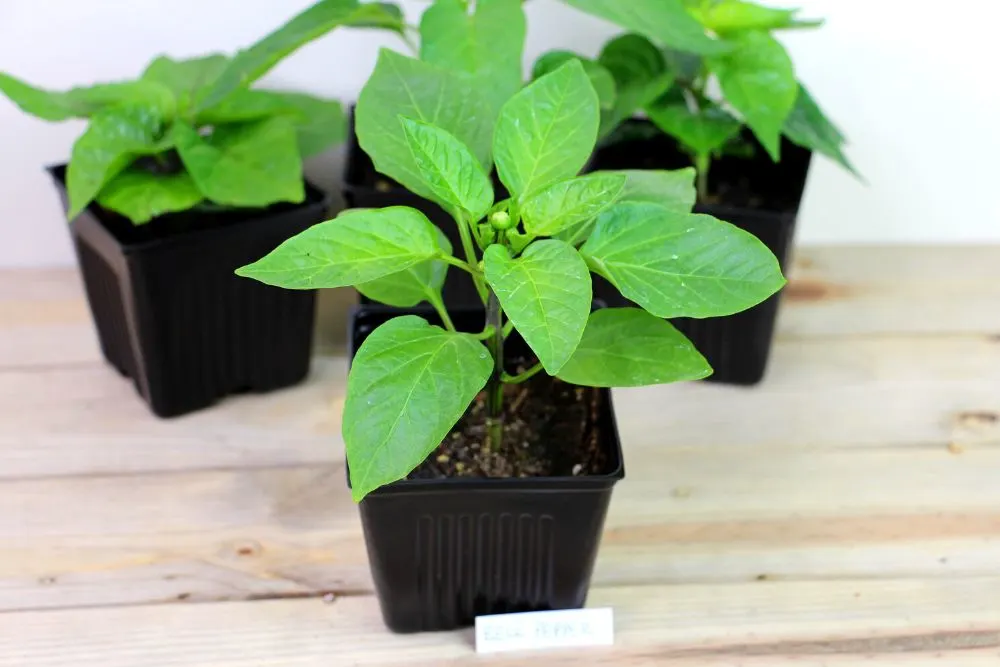
Pepper plants love light, airy, nutrient-rich soil. Heavy garden soil alone is not ideal.
🌾 Ideal Soil Mix
- 40% red or garden soil
- 30% organic compost or cow manure
- 20% cocopeat (improves moisture balance)
- 10% sand or perlite (drainage)
🥚 Add Natural Boosters:
- Crushed eggshells → calcium
- Banana peel powder → potassium
- Neem cake → protection from pests
A good soil mix helps peppers grow fast, strong, and healthy.
🌞 5. Sunlight Requirements
Peppers are sun-loving plants. More sun = more peppers.
☀ Ideal:
- 6–8 hours of direct sunlight daily
If peppers don’t get enough sunlight:
- Growth slows
- Flowering reduces
- Fruits remain small
Balconies, rooftops, or sunny windowsills are perfect spots.
🌧️ 6. Watering the Right Way
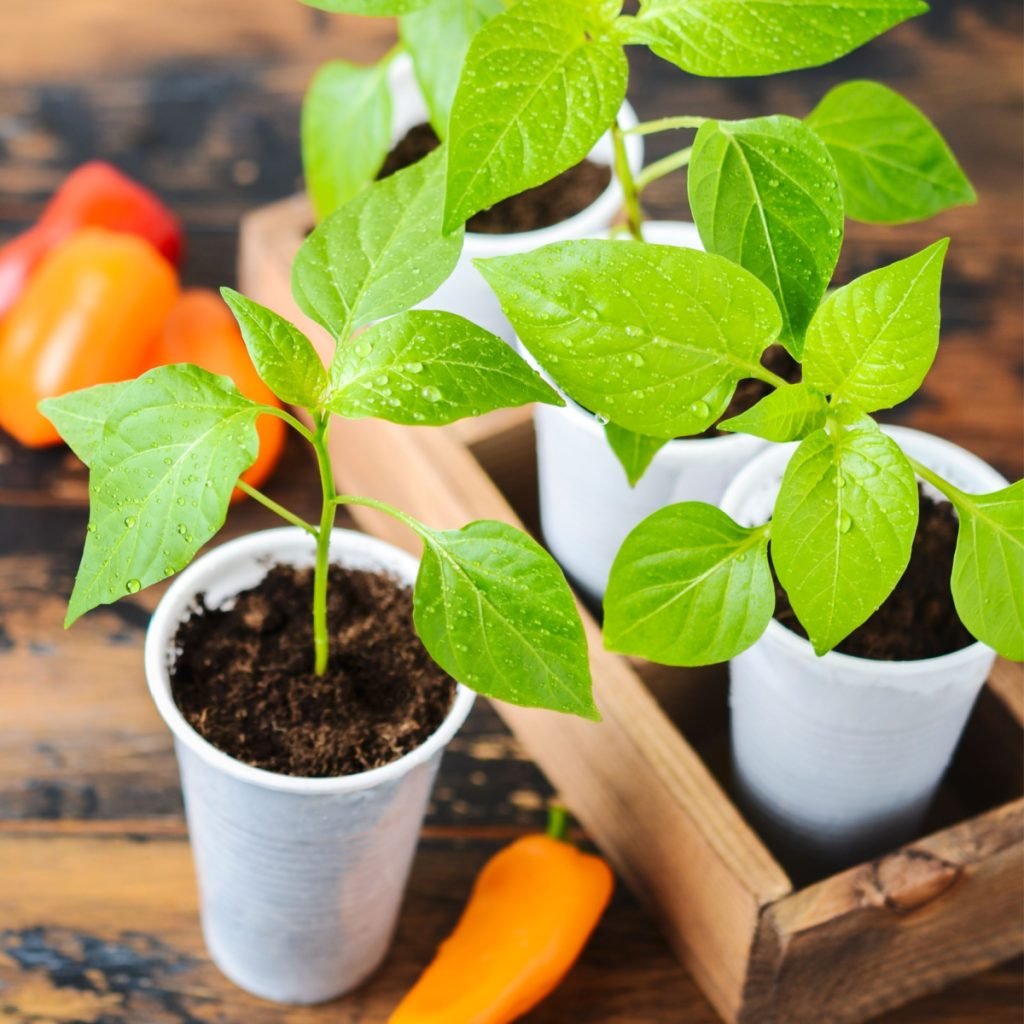
Peppers like moist but not soggy soil.
💧 Watering Tips:
- Water 3–4 times a week during hot weather
- Always check the soil before watering (should be dry 1 inch deep)
- Water in the morning
- Avoid wetting the leaves
Overwatering causes:
- Root rot
- Yellowing leaves
- Weak plant structure
Underwatering causes:
- Flower drop
- Long, thin fruits
Balance is key.
🌿 7. Feeding Your Pepper Plants
Peppers are medium feeders. They grow best when given nutrients regularly.
🌱 Fertilizer Schedule
Week 1–2 (After Transplanting)
- Diluted cow dung tea
- Vermicompost around the base
Week 3–5 (Vegetative Growth)
- More nitrogen-rich fertilizers
- Seaweed extract
- Fish emulsion
Week 6 onwards (Flowering & Fruiting)
Peppers need:
- Potassium
- Phosphorus
- Calcium
Use:
- Banana peel fertilizer
- Bone meal
- Wood ash (small amounts)
- Tomato & pepper organic fertilizer
Feed every 15 days for maximum fruiting.
🔗 8. Supporting & Pruning Peppers
Peppers don’t need heavy staking like tomatoes, but some support helps during fruiting.
✔ Provide Light Support:
- Bamboo sticks
- Small tomato cages
- Soft twine ties
✂ Optional Pruning:
- Remove lower yellow leaves
- Cut off branches touching the soil
- Pinch early flowers to encourage growth
Pruning improves:
- Air circulation
- Flower production
- Fruit size
🌼 9. Flowering & Pollination: Getting More Fruits
Peppers self-pollinate, but extra help increases yield.
🌬 Try:
- Shaking the plant lightly
- Encouraging bees by keeping flowering herbs nearby
- Ensuring the plant gets morning sunlight
If flowers fall off, it could be due to:
- High heat
- Overwatering
- Lack of nutrients
Always keep the plant stress-free.
🐞 10. Common Pepper Plant Problems & Solutions
Here’s how to identify and fix the most common issues:
⚠ 1. Yellow Leaves
Causes:
- Overwatering
- Poor soil
- Nutrient deficiency
Fix:
- Reduce watering
- Add compost
- Improve drainage
⚠ 2. Flower Drop
Causes:
- Heat stress
- Sudden temperature changes
- Low potassium
Fix:
- Shade the plant during extreme heat
- Add banana peel fertilizer
⚠ 3. Aphids, Whiteflies & Mites
Remedies:
- Neem oil spray (weekly)
- Soap water spray
- Garlic-chili spray
⚠ 4. Small or Thin Peppers
Causes:
- Lack of nutrients
- Low sunlight
Fix:
- Increase feeding
- Move to sunnier spot
🌶️ 11. Harvesting Your Perfect Peppers
Peppers can be harvested at different stages:
🟩 Green Peppers
Harvest when firm and shiny.
🔴 Ripe Red/Yellows
Allow to stay on the plant longer for full sweetness.
🔥 Hot Chilies
Pick frequently to stimulate more fruiting.
Harvest by:
- Cutting with scissors
- Gently twisting to avoid damaging stems
Fresh homegrown peppers taste richer, crispier, and more aromatic than store-bought produce.
🌟 12. Extra Tips for Growing Peppers Easily
✔ Mulch your soil
Keeps the roots cool and reduces weeds.
✔ Add Epsom salt occasionally
Boosts magnesium and improves pepper size.
✔ Remove early flowers
Helps plant grow stronger before fruiting.
✔ Grow with companion plants
Peppers love growing near:
- Basil
- Marigolds
- Onions
✔ Space plants properly
At least 18 inches apart.
🌱 Final Thoughts
Growing peppers easily at home is absolutely possible for anyone. With the right soil, plenty of sunlight, consistent watering, and regular feeding, you can enjoy a continuous supply of fresh, vibrant peppers straight from your garden.
Whether you prefer sweet bell peppers for salads or spicy chilies for cooking, your home garden can become a rich source of flavor and freshness. The joy of watching peppers grow—from tiny seedlings to colorful fruits—makes gardening even more rewarding.