Jujube (Ziziphus mauritiana or Z. jujuba), commonly known as Ber or Chinese date, is one of the easiest and most rewarding fruit trees to grow in warm regions. But if you want bigger fruits, sweeter taste, stronger plants, and faster production, grafting is the secret technique experts swear by.
Whether you’re a home gardener, hobby farmer, or nursery grower, mastering jujube grafting will help you create hardy, vigorous, and highly productive trees that outperform regular seedlings. In this detailed guide, you will learn why grafting is essential, the best grafting methods, ideal rootstocks, step-by-step instructions, aftercare tips, and how to ensure maximum success.
🌿 Why Graft a Jujube Tree?

Grafting is more than just joining two plant parts—it’s the art of combining the BEST characteristics of two different trees.
✔ Benefits of Grafting Jujube
- Faster fruiting – grafted jujube trees produce fruits 1–2 years earlier.
- Better fruit quality – bigger, sweeter, and uniform fruits.
- Stronger root system – drought-tolerant and pest-resistant rootstocks.
- Replicate your favorite variety – maintain exact genetic traits.
- Grow multiple varieties on one tree – enjoy different flavors on a single plant.
- Higher yield – grafted trees are more productive and vigorous.
Seed-grown jujube plants often show variation and take long to bear fruit, while grafted trees give predictable and superior results.
🌱 Best Time to Graft a Jujube Tree
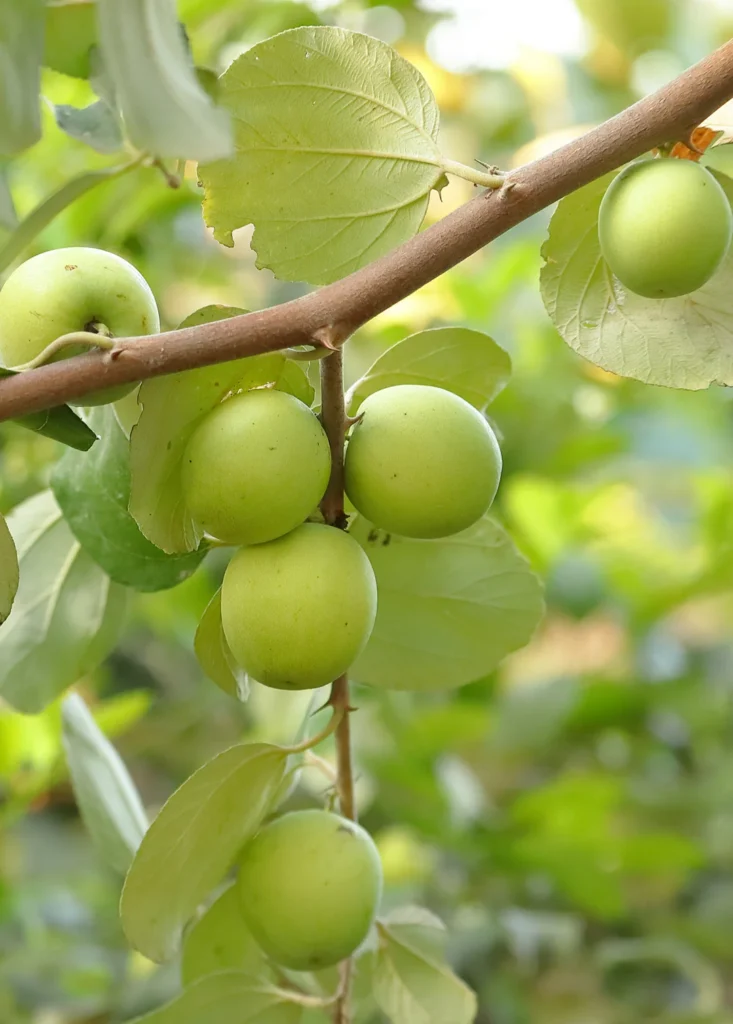
The timing of grafting is crucial for success.
🌞 Ideal Season: Late Winter to Early Spring
- When the tree starts to wake from dormancy.
- Temperature should be 20–35°C.
- The bark slips easily, and sap flow begins.
☘ Ideal Time in India & Southeast Asia
- January to March
- For colder regions – February to April
During this time, both scion and rootstock heal quickly, ensuring strong graft union formation.
🌳 Choosing the Best Rootstock
A good rootstock determines the tree’s strength, adaptability, and lifespan.
✔ Recommended Rootstocks for Jujube:
- Wild Indian jujube (Ziziphus mauritiana) seedling
- Excellent drought tolerance
- Strong root growth
- Disease-resistant
- Chinese jujube (Ziziphus jujuba) seedling
- Cold hardy
- Suitable in temperate regions
- Wild thorny ber varieties
- Very tough and resilient
- Excellent survival in arid areas
Choose rootstocks that are 1–2 years old, pencil to finger thickness, and healthy.
✂️ Selecting the Perfect Scion Wood
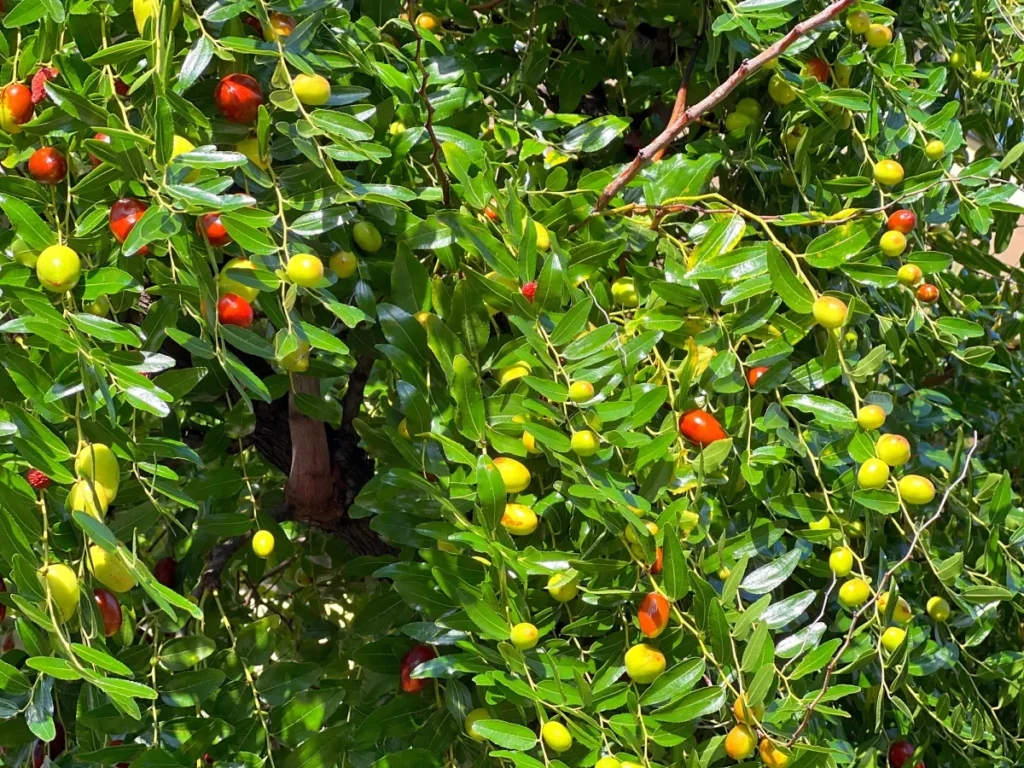
A scion is a small shoot or branch of the desired jujube variety.
✔ Characteristics of a Good Scion
- Healthy and disease-free
- 3–6 months old semi-hardwood
- Pencil-thick
- 3–4 healthy buds
- Taken from a productive mother tree
Cut scions early morning, store them wrapped in a moist cloth, and use them within 24 hours.
🔧 Best Grafting Methods for Jujube Tree
Jujube is a tough wood species, but several grafting techniques work extremely well.
🥇 1. Cleft Grafting (Most Successful for Beginners)
Perfect for thicker rootstocks.
How to Do It:
- Cut the rootstock horizontally.
- Make a deep vertical slit (2–3 cm).
- Shape the scion into a wedge.
- Insert it into the slit, ensuring cambiums touch.
- Tie firmly with grafting tape.
- Seal with wax.
✔ Gives strong union and high success rate.
🥈 2. T-Budding (Best for Summer)
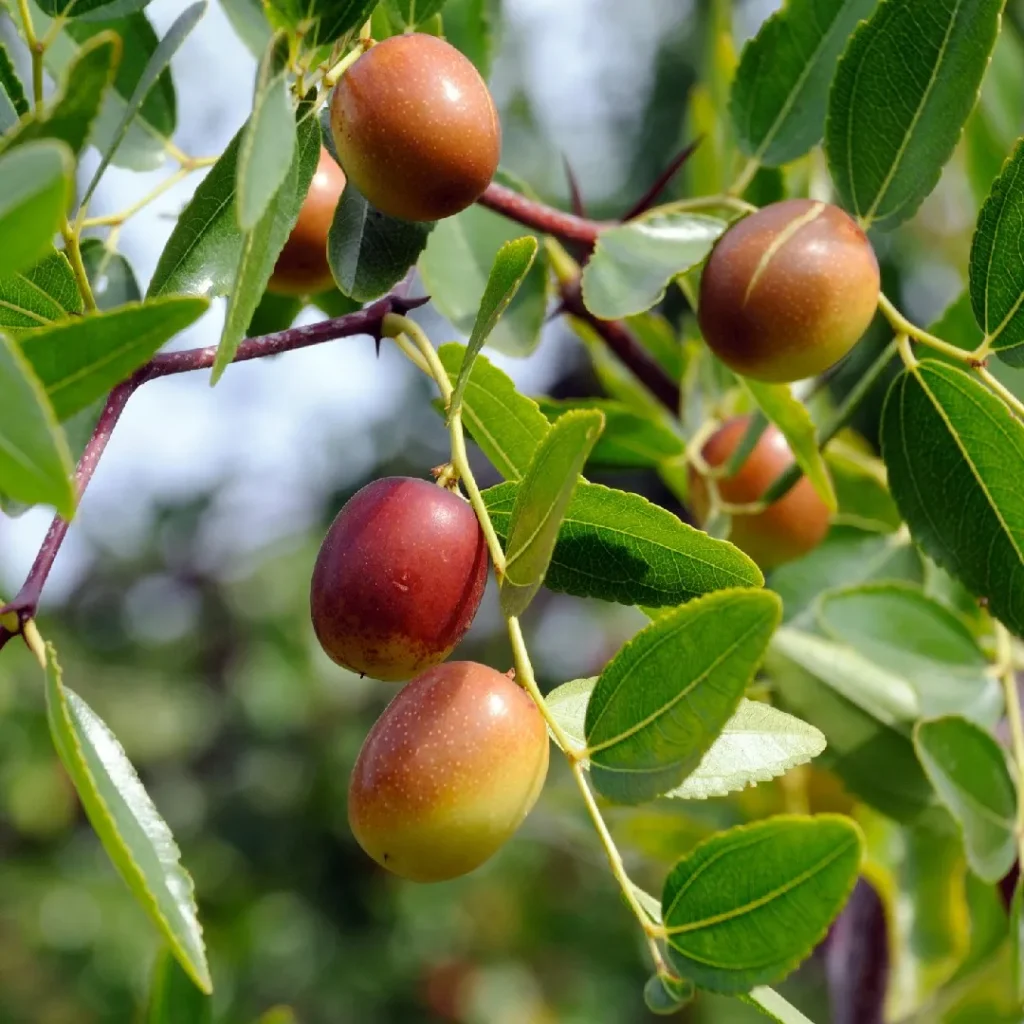
A popular nursery method for jujube.
How to Do It:
- Make a T-shaped cut on the rootstock.
- Insert a bud shield from the scion.
- Wrap tightly, leaving the bud exposed.
✔ Works best when sap flow is high.
🥉 3. Side Veneer Grafting (For thin scions)
Useful when rootstock and scion sizes don’t match.
Steps:
- Make a slant cut on rootstock.
- Shape scion similarly.
- Join and wrap.
✔ Simple and effective.
🏅 4. Whip and Tongue Grafting (Advanced but very strong union)
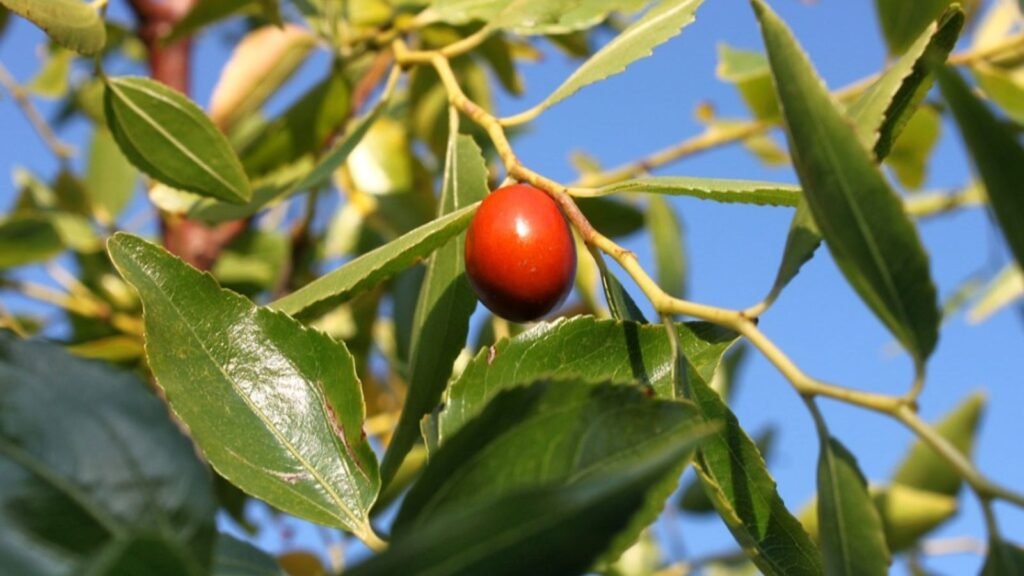
Works best when both parts are equal thickness.
✔ Great for nurseries that graft large numbers of plants.
🌦 Aftercare: The Secret to 100% Grafting Success
Many grafts fail not because of technique, but due to improper care after grafting.
1. Shade & Protection
- Keep grafted plants under 50% shade for 2–3 weeks.
- Protect from wind and harsh sunlight.
2. Moisture Control
- Do not overwater.
- Soil should remain slightly moist.
3. Remove Shoots Below the Graft
If new shoots grow from the rootstock, remove them immediately.
4. Check Tape & Seal
- Loosen tape after 20–30 days.
- Ensure graft union isn’t strangled.
5. Support the New Sprout
Provide a small stick to prevent breakage.
6. Fertilization
After the graft takes (around 45 days):
- Apply vermicompost or cow dung compost
- Add a handful of Neem cake for pest protection
Grafted jujube grows fast—expect strong shoots in 2–3 months.
🍐 Common Mistakes to Avoid
Avoiding these errors can dramatically increase success:
❌ Using dry or old scion wood
❌ Grafting during peak summer or winter
❌ Not aligning cambium layers
❌ Allowing the graft union to dry out
❌ Overwatering newly grafted plants
❌ Exposing grafts to direct sun too soon
🌸 When Will a Grafted Jujube Bear Fruit?
Grafted jujube trees are extremely fast producers.
✔ Fruit in 1–2 years
In warm climates, they may even produce lightly within the first year after grafting.
Seed-grown jujube trees may take 4–8 years and still offer inconsistent fruit quality—another reason grafting is preferred.
🧡 Why Grafting Is a Game-Changer for Jujube Growers
A well-grafted tree gives you:
- Strong, deep roots
- Disease resistance
- Faster harvest
- Consistent fruit quality
- Higher yields every year
- Long tree life
Whether you’re grafting for personal use or planning to produce nursery plants, learning this skill is a lifetime investment in your garden’s productivity.
🌳 Final Thoughts
Jujube tree grafting is not just a technique—it’s an art that unlocks the true potential of this hardy, delicious fruit tree. With the right rootstock, proper timing, fresh scions, and careful aftercare, you can transform an ordinary jujube seedling into a high-yielding, premium fruit-bearing tree.
Start grafting today and experience the joy of growing jujube varieties that are sweeter, larger, and more abundant than ever!