Mangoes are known as the “King of Fruits,” and for good reason—their rich flavor, sweetness, and aroma make them one of the most cherished tropical fruits worldwide. While growing mango trees from seeds is possible, it does not guarantee fruit quality, early harvests, or desirable varieties. That’s where mango grafting becomes a game-changer. With the right techniques, you can grow mango trees that bear fruit faster, stay true to type, resist disease, and thrive even in small spaces.
In this comprehensive guide, you’ll learn the best mango grafting techniques, the science behind them, step-by-step instructions, and tips to ensure high success rates—even if you’re a beginner.
🌱 Why Grafting Is Essential for Mango Growing
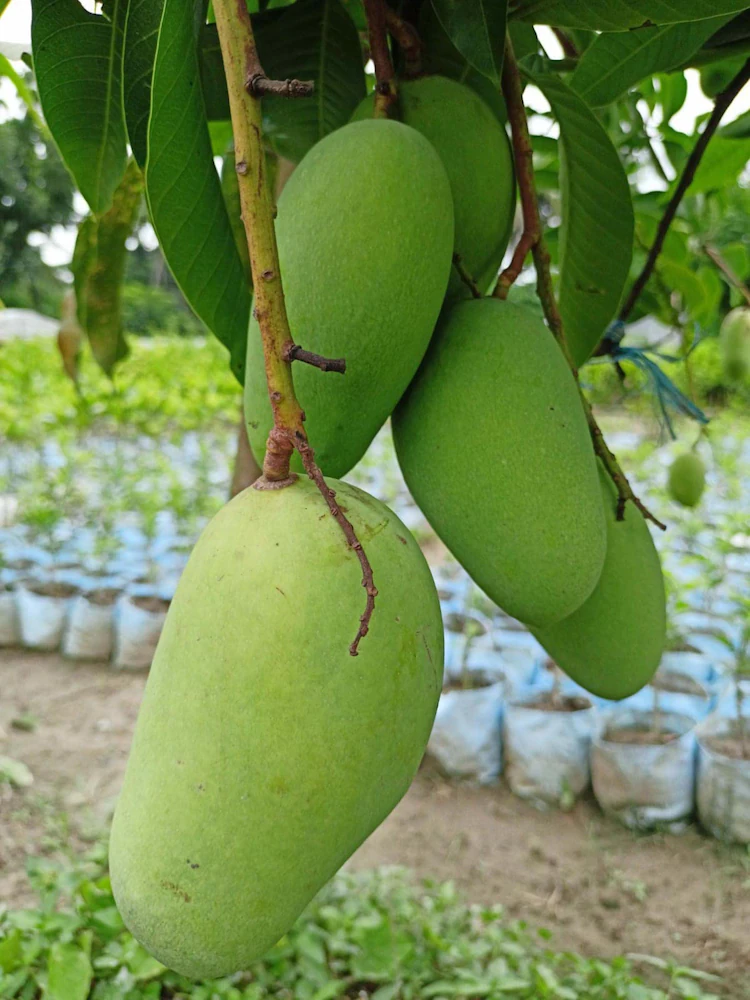
Growing mango trees from seeds often leads to unpredictable results. The new plant may not resemble the parent tree, may take longer to bear fruit, and may produce low-quality mangoes.
Grafting solves all of these problems.
Here’s why professional growers always rely on grafting:
✔ True-to-type fruit production
You get the exact same fruit variety as the scion—whether it’s Alphonso, Kesar, Dasheri, Kent, or Nam Dok Mai.
✔ Faster fruiting
Seed-grown mangoes can take 7–10 years to fruit.
Grafted ones typically produce in 2–4 years.
✔ Stronger, disease-resistant trees
Using hardy rootstocks gives your mango tree improved tolerance to soil conditions, drought, and pests.
✔ Smaller, more manageable tree size
This allows you to grow mangoes even in small gardens or pots.
🌿 Important Terms to Understand Before Grafting
Rootstock
The lower part of the plant (roots + stem) onto which you graft. It should be healthy, vigorous, and grown from a local hardy variety.
Scion
The upper part (a branch cutting) taken from the tree you want to replicate.
Cambium
The green layer between the bark and wood. Cambium-to-cambium contact is the key to successful grafting.
🔧 Best Mango Grafting Techniques for High Success Rates
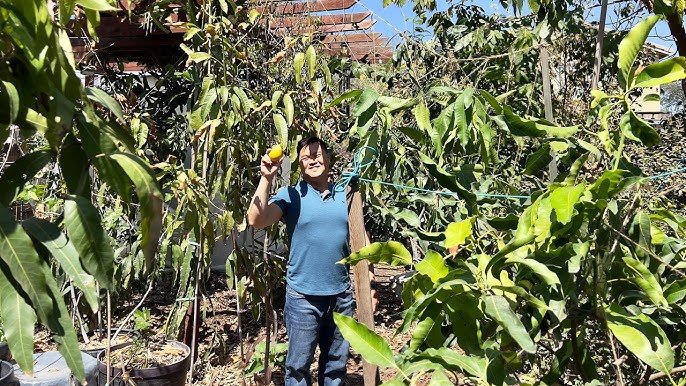
There are several grafting methods, but only a few consistently deliver excellent results for mango trees. Below are the most effective techniques used by horticulturists and experienced growers.
🍃 1. Cleft Grafting — The Most Beginner-Friendly Method

Cleft grafting is simple, reliable, and perfect for most mango varieties. It is typically done on rootstocks 1–2 years old.
What You Need
- Healthy rootstock with 1–2 cm thickness
- Scion wood 3–5 inches long
- Sharp grafting knife
- Grafting tape or plastic wrap
- Sterilizer (alcohol or flame)
How to Perform Cleft Grafting
- Cut the rootstock horizontally about 15–20 cm above ground.
- Make a vertical split (2–3 cm deep) in the center of the rootstock.
- Prepare the scion by shaping its base into a V-shaped wedge.
- Insert the scion wedge into the slit, ensuring perfect cambium alignment.
- Wrap tightly with grafting tape to prevent air entry.
- Cover the graft union with a plastic bag to maintain moisture.
Why It Works
Cleft grafting provides excellent cambium contact and is less sensitive to environmental conditions.
🌱 2. Veneer Grafting — Ideal for High Success and Healthy Growth

Veneer grafting is widely used in nurseries because of its high success rate and minimal damage to the rootstock.
How to Do Veneer Grafting
- Choose a smooth area on the rootstock stem.
- Make a slanted downward cut about 3–4 cm long.
- Make a small notch at the bottom to hold the scion.
- Prepare the scion with a matching slanted cut.
- Place it on the rootstock and wrap firmly with grafting tape.
Benefits of Veneer Grafting
- Faster healing
- High compatibility with mango varieties
- Suitable even when rootstock and scion sizes don’t match perfectly
🍂 3. Side Grafting — Great for Rapid Establishment
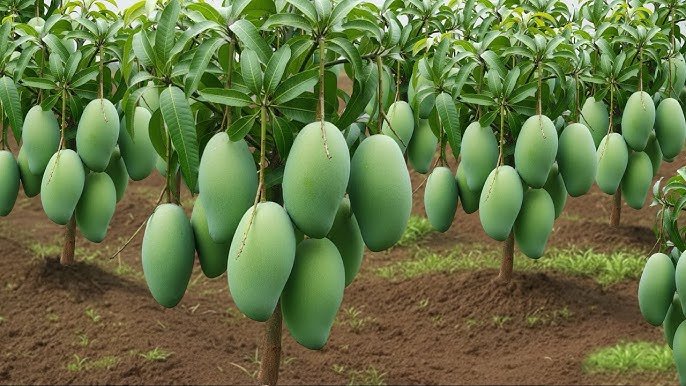
Side grafting is another reliable method, especially when rootstock stems are thicker.
Steps
- Make a downward cut on the side of the stem.
- Shape the scion into a single-sided wedge.
- Insert it into the cut and tape tightly.
- Allow a few leaves of the rootstock to remain until the graft takes.
When to Use It
- When the scion is slightly thinner than the rootstock
- When grafting outdoors in windy areas
🌞 Best Season for Mango Grafting
Timing is everything. Even the best techniques can fail if done at the wrong time.
Best Time (Recommended by Horticulturists):
✔ Late Winter to Early Summer
— February to June (varies by region)
During this period, sap flow increases, promoting faster healing and higher success rates.
Avoid grafting during:
- Heavy rains
- Extreme heat
- Dormant winter periods
🌿 How to Select the Best Scion Wood
A perfect scion increases graft success dramatically.
Choose scions that are:
✔ One-year-old woody branches
✔ Pencil-thick
✔ Disease-free
✔ Loaded with healthy buds
✔ Taken from a tree with known high-quality fruit
Always cut scions early in the morning and graft within 2–4 hours.
🌱 Choosing the Perfect Rootstock
A good rootstock is the foundation of a long-living mango tree.
Ideal Rootstock Characteristics
- Grown from local hardy mango seed
- 1–2 years old
- Straight and vigorous
- Healthy leaves and strong stem
- Adapted to local soil and climate
Local rootstocks often outperform imported or nursery-bought ones because they are naturally disease-resistant in your region.
💧 Aftercare: The Secret to Grafting Success
Your work doesn’t end after taping the graft. Mango grafts need careful maintenance.
1. Provide Shade
Keep the young graft out of direct sun for 2–3 weeks.
Too much heat can dry out the scion.
2. Remove Rootstock Shoots
Any shoots growing below the graft union must be removed—
or the rootstock will steal nutrients from the scion.
3. Maintain Moist Soil
Water lightly but consistently.
Avoid waterlogging.
4. Remove Tape at the Right Time
After 30–40 days, gently remove or loosen the tape to prevent bark damage.
5. Support the New Shoot
A small stick or support keeps the young graft from breaking in wind.
🌻 How to Know the Graft is Successful
You’ll see:
✔ New fresh leaves emerging after 2–4 weeks
✔ Scion turning green and swollen
✔ No blackening or shriveling
✔ Tape still holding firm without moisture loss
If the scion dries or turns brown, it may have failed.
🍋 Common Mistakes and How to Avoid Them
❌ Using dry or old scions
Solution: Always use fresh, healthy scion wood.
❌ Poor cambium alignment
Solution: Match at least one side perfectly.
❌ Grafting in extreme heat
Solution: Choose mild, humid mornings for grafting.
❌ Loose wrapping
Solution: Wrap firmly to prevent drying.
🌳 Final Thoughts: Make Mango Grafting Your Superpower
Mango grafting is both an art and a science. Once you master the techniques—cleft, veneer, and side grafting—you’ll be able to grow premium-quality mango trees that fruit earlier, grow stronger, and produce exceptional harvests year after year.
Whether you are a beginner home gardener or a small-scale farmer, grafting gives you the power to create your own mango orchard with your favorite varieties.
With patience, practice, and the right method, you can enjoy abundant, delicious mangoes from trees you grafted yourself—one of the most rewarding experiences in gardening.