Banana plants are not only iconic tropical beauties, but they also provide nutritious fruits and lush greenery for your home garden. Many people assume bananas can only be grown in tropical plantations, but with the right care and techniques, you can successfully grow them at home—even in pots or small gardens.
In this comprehensive guide, we’ll explore everything from selecting the right variety to planting, watering, fertilizing, pest management, and harvesting, so you can enjoy fresh, homegrown bananas.
🌱 Introduction: Why Grow Bananas at Home?
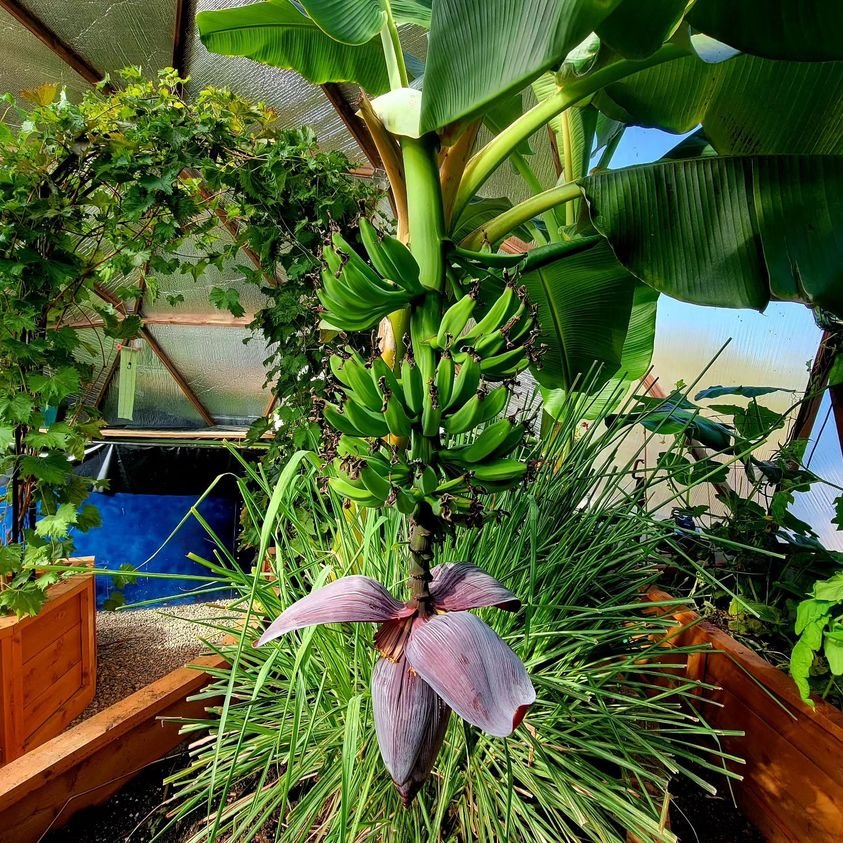
Growing bananas at home has several advantages:
- Fresh and organic fruit: Control over pesticides ensures healthy, chemical-free bananas.
- Aesthetic appeal: Large, broad leaves bring a tropical vibe to your garden or balcony.
- Cost-effective: A single plant can produce multiple bunches over its lifespan.
- Low-maintenance: Once established, banana plants require moderate care.
- Educational and rewarding: Watching bananas grow from suckers to fruiting plants is a fascinating process.
With proper care, banana plants can flourish and reward you with fruit within 9–12 months for fast-growing varieties, depending on conditions.
🌿 Step 1: Selecting the Right Banana Variety
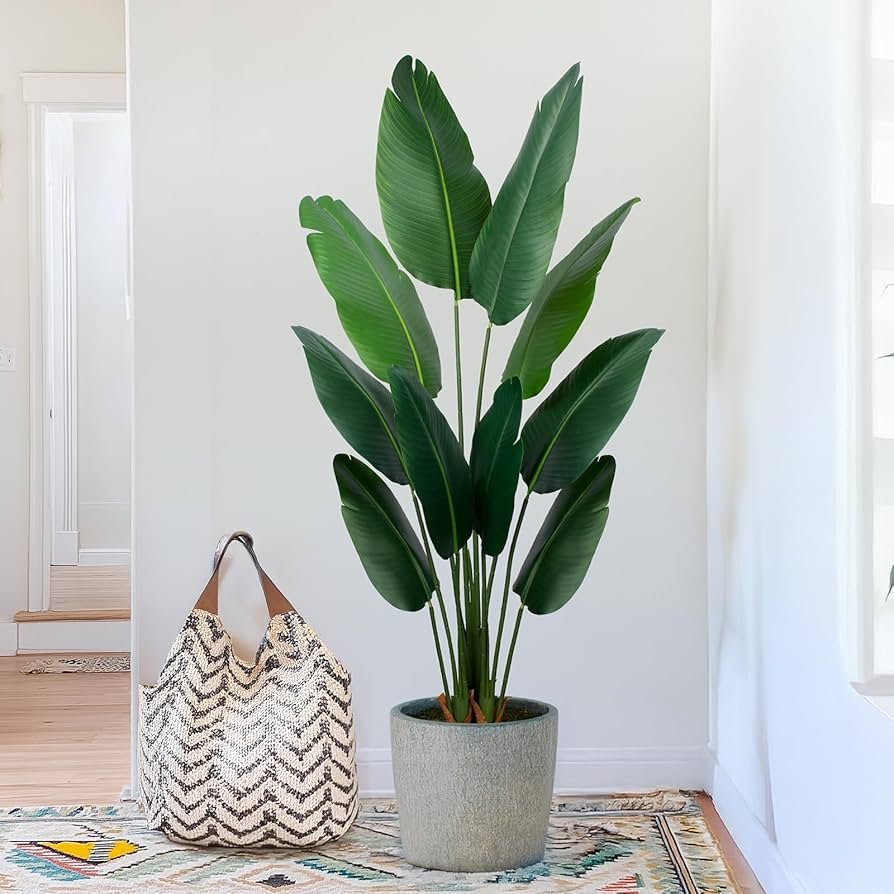
Choosing the right banana variety is crucial for success at home.
Popular Banana Varieties for Home Gardening:
- Cavendish: Common supermarket variety, sweet and fast-growing.
- Dwarf Cavendish: Compact, ideal for pots or small gardens.
- Red Banana: Unique red-skinned variety with sweet flesh.
- Lady Finger / Sugar Banana: Small, sweet bananas, perfect for limited spaces.
Tip: For indoor or small-space gardening, choose dwarf varieties, as they are easier to manage and fruit faster.
🌱 Step 2: Selecting Suckers or Tissue-Cultured Plants
Banana plants are propagated through suckers (offsets) or tissue-cultured plants.
Selecting a Sucker:
- Choose healthy suckers about 3–4 feet tall
- Avoid those with signs of disease or damage
- Select a sucker growing close to the mother plant for faster establishment
Tip: Tissue-cultured plants are disease-free and often easier to grow for beginners.
🌿 Step 3: Choosing the Right Planting Location
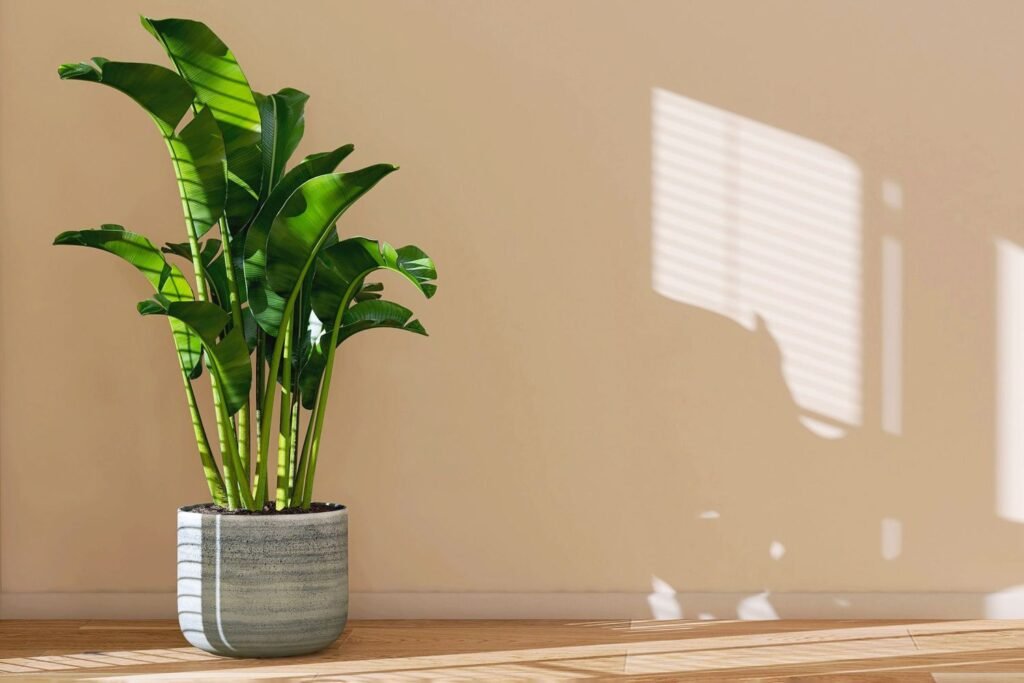
Bananas need sunlight, warmth, and space to thrive.
Location Guidelines:
- Full sun for at least 6–8 hours per day
- Shelter from strong winds, which can damage leaves
- Well-draining soil to prevent waterlogging
Soil Requirements:
- Rich, loamy soil enriched with organic matter
- pH: 5.5–7.0
- Incorporate compost or well-rotted manure before planting
Tip: Bananas grow well in raised beds or large containers if outdoor space is limited.
🌱 Step 4: Planting Banana Suckers
Proper planting ensures healthy growth and fruiting.
Planting Steps:
- Dig a hole slightly larger than the sucker’s root ball
- Mix compost or organic manure with soil
- Place the sucker in the hole, keeping roots spread out and base slightly above soil
- Fill the hole gently and water immediately
- Space plants at least 4–5 feet apart
Tip: Mulch around the base with straw or leaves to retain moisture and suppress weeds.
💧 Step 5: Watering Banana Plants
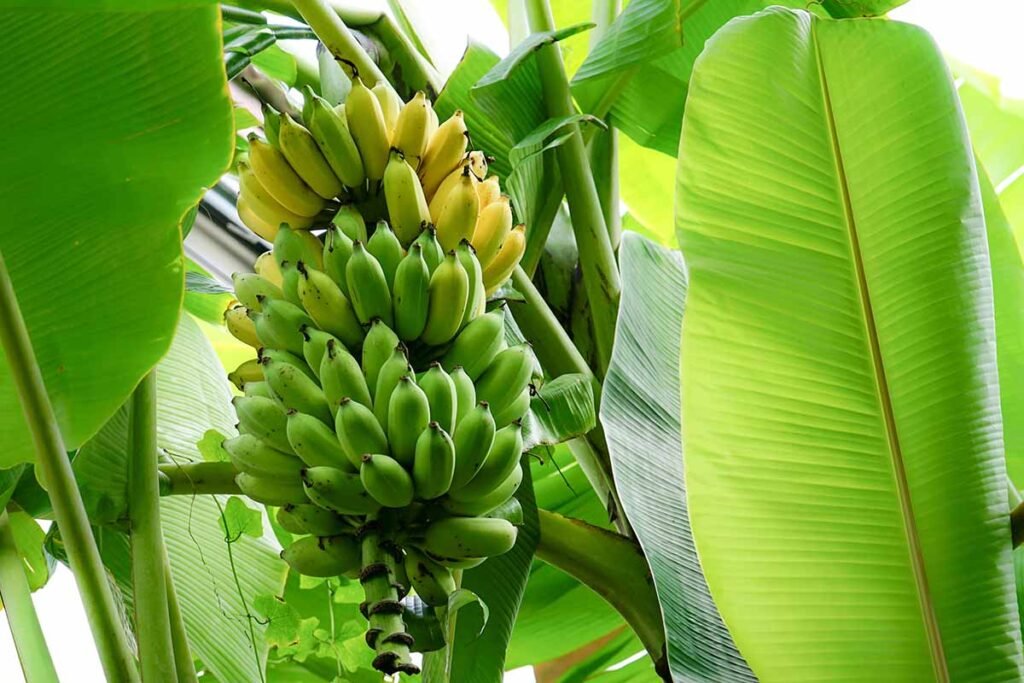
Bananas need regular watering, especially during hot months.
Watering Tips:
- Water deeply 2–3 times per week for young plants
- Maintain consistent soil moisture, but avoid waterlogging
- Mulching helps retain moisture and keep roots cool
Lesson Learned: Inconsistent watering can stunt growth or reduce fruit size.
🌿 Step 6: Fertilizing Bananas
Bananas are heavy feeders, requiring regular nutrients for healthy growth and fruiting.
Fertilizer Tips:
- Use organic fertilizers like compost, cow manure, or kitchen waste
- Apply balanced NPK fertilizers every 6–8 weeks
- Add potassium-rich fertilizers during flowering and fruiting to improve yield and fruit quality
Tip: Avoid excessive nitrogen, which encourages leaf growth at the expense of flowers and fruit.
🌞 Step 7: Supporting Banana Plants
Bananas have tall, slender stems, which can bend or break under heavy fruit bunches.
Support Tips:
- Use stakes to support young or fruiting plants
- Remove damaged or weak leaves to reduce wind resistance
- In container-grown plants, ensure pots are sturdy enough to handle the weight
Tip: Supporting plants early prevents breakage and encourages better fruit development.
🐛 Step 8: Managing Pests and Diseases
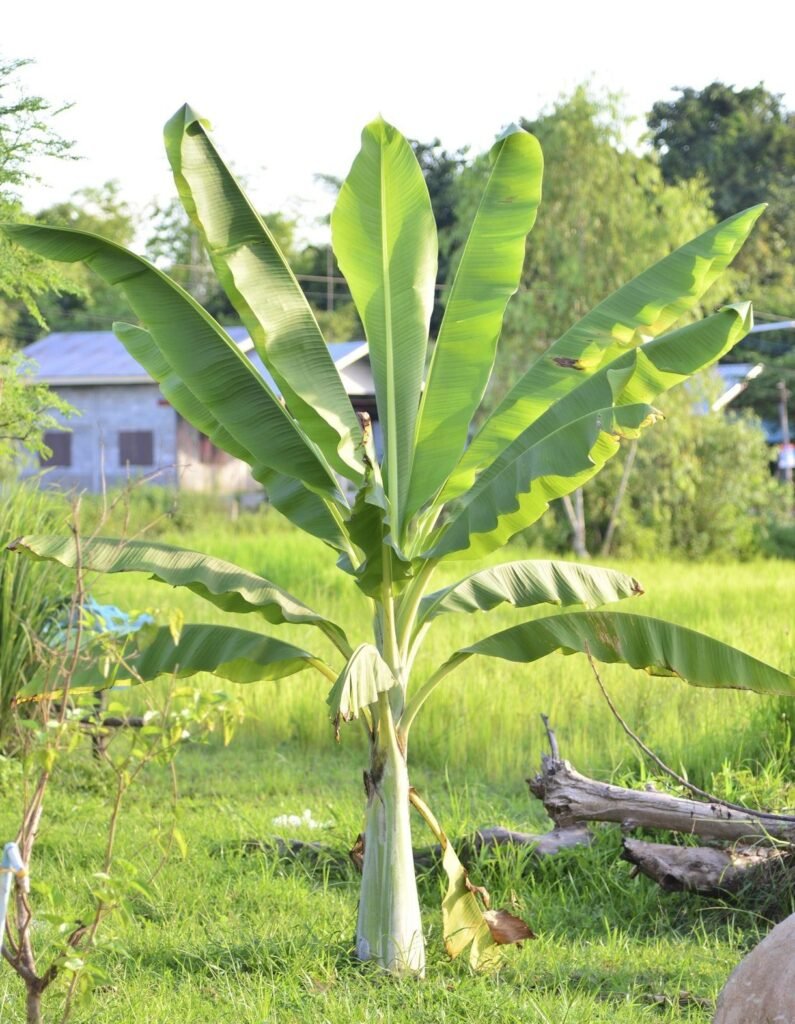
Banana plants are generally hardy but can face a few challenges:
Common Pests:
- Aphids
- Banana weevils
- Spider mites
Common Diseases:
- Panama disease
- Leaf spot
- Bacterial wilt
Solutions:
- Neem oil or insecticidal soap for pest control
- Remove affected leaves promptly
- Maintain proper spacing and drainage to prevent fungal infections
Lesson Learned: Early detection and treatment ensure healthy growth and higher fruit yield.
🌺 Step 9: Flowering and Fruit Development
Bananas produce a large flower stalk, which develops into clusters called hands.
Flowering Tips:
- Flowering usually occurs 9–12 months after planting for fast-growing varieties
- Maintain proper watering and fertilization for abundant flowering
- Remove damaged or dead leaves to allow sunlight to reach flowers
Tip: Patience is key; flowering is followed by fruit formation over 2–3 months.
🍌 Step 10: Harvesting Bananas
Bananas are harvested when they are plump, green, and firm, slightly before full ripeness.
Harvesting Tips:
- Cut the entire bunch carefully using a sharp knife
- Bananas continue ripening off the plant; store in a cool, shaded area
- Handle fruits gently to avoid bruising
Tip: For continuous fruiting, allow new suckers to grow as older plants finish fruiting.
🌿 Step 11: Growing Bananas in Containers
Bananas can thrive in pots or large containers for patios or balconies:
- Use pots at least 18–24 inches deep
- Ensure proper drainage holes
- Fertilize regularly and maintain soil moisture
- Rotate pots occasionally to ensure even sunlight
Lesson Learned: Container bananas may take longer to fruit but are perfect for urban gardeners.
🌟 Step 12: Lessons Learned from Growing Bananas at Home
- Sunlight is critical: Plants grow faster and produce more fruit in full sun.
- Regular watering and mulching: Ensures strong, healthy growth.
- Proper support: Prevents breakage under heavy fruit.
- Consistent fertilization: Heavy feeding improves flower and fruit quality.
- Patience pays off: Bananas take time to mature but reward with abundant fruit.
🌳 Conclusion: Enjoy Your Homegrown Bananas
Growing bananas at home is rewarding, visually appealing, and delicious. With proper care, sunlight, soil, water, and fertilization, you can enjoy fresh, nutritious bananas from your garden or balcony.
Whether planted in the backyard or a large container, banana plants not only provide delicious fruits but also add a tropical charm to your home garden. Start your banana-growing journey today and experience the joy of harvesting your very own tropical delights! 🍌🌿
I can also create a step-by-step visual guide showing banana planting, care, and harvesting or a YouTube-style video script to help beginners grow bananas at home successfully.