Cucumbers are one of the most popular vegetables to grow at home—they’re refreshing, versatile, and surprisingly easy to cultivate with the right care. Whether you want crisp cucumbers for salads, pickles, or smoothies, growing them at home ensures freshness, flavor, and chemical-free produce.
In this detailed guide, we’ll explore everything from selecting varieties and planting to trellising, watering, fertilizing, pest management, and harvesting, so you can enjoy homegrown cucumbers all season long.
🌱 Introduction: Why Grow Cucumbers at Home?
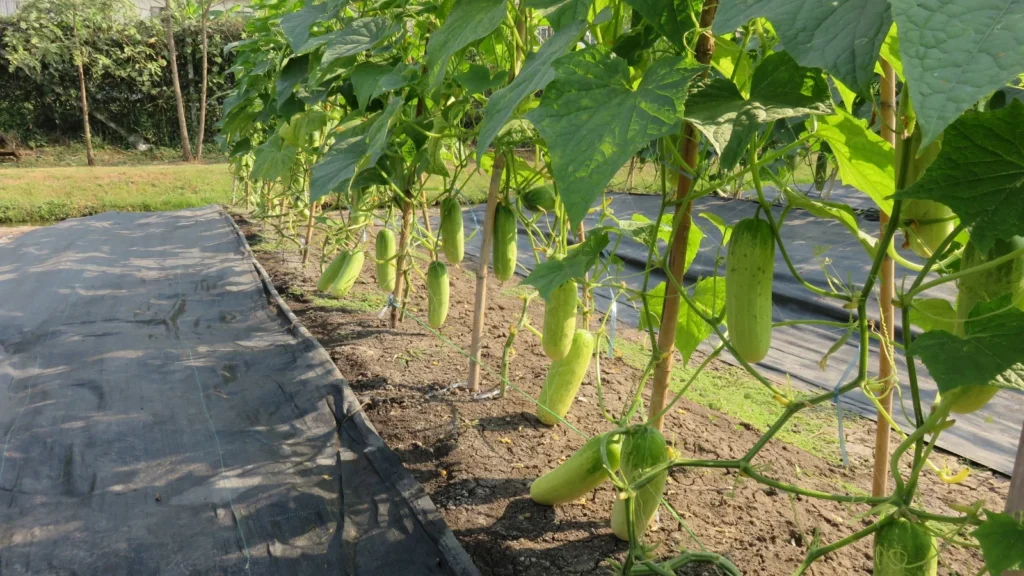
Homegrown cucumbers offer numerous advantages:
- Freshness and flavor: Store-bought cucumbers often lack flavor; homegrown ones are crisp and juicy.
- Chemical-free: You control what goes into the soil and plants, ensuring healthier vegetables.
- Cost-effective: One plant can produce multiple cucumbers throughout the season.
- Space-efficient: Cucumbers can grow in small gardens, raised beds, or even pots.
- Therapeutic gardening: Caring for plants and harvesting produce is rewarding and stress-relieving.
I was amazed at how quickly cucumbers grow when given proper sunlight, soil, and care—they’re perfect for beginners and seasoned gardeners alike.
🌿 Step 1: Choosing the Right Cucumber Variety
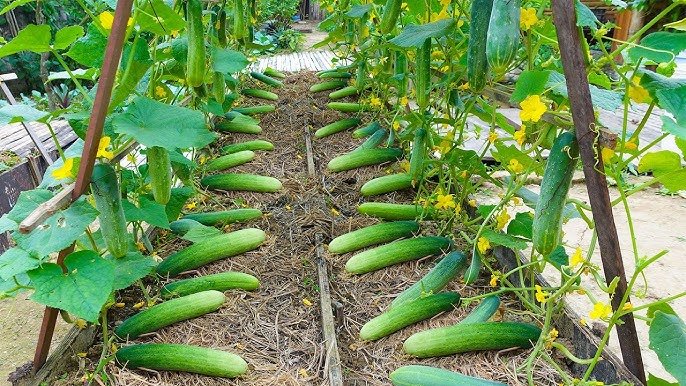
Cucumbers come in various types, and selecting the right variety is key for success:
Popular Cucumber Varieties for Home Gardening:
- Slicing Cucumbers: Long, crisp cucumbers ideal for salads.
- Pickling Cucumbers: Shorter, firm cucumbers perfect for pickles.
- Bush Varieties: Compact, ideal for containers or small spaces.
- Vining Varieties: Require trellising but produce abundant fruit.
Tip: For limited spaces, choose bush varieties, while trellised vining types are best for maximizing yield.
🌱 Step 2: Selecting Seeds or Seedlings
You can grow cucumbers from seeds or seedlings, though seeds are most common for home gardening:
Tips for Seeds:
- Choose high-quality, disease-resistant seeds
- Soak seeds in water for 12–24 hours before planting to improve germination
Tips for Seedlings:
- Buy healthy seedlings with no yellowing leaves
- Avoid plants showing signs of pests or damage
Lesson Learned: Starting with strong seeds or seedlings ensures faster growth and higher yields.
🌿 Step 3: Choosing the Right Location
Cucumbers thrive in full sunlight and well-drained soil.
Location Guidelines:
- 6–8 hours of direct sunlight daily
- Avoid low-lying areas prone to waterlogging
- Ensure space for trellising if growing vining varieties
Soil Requirements:
- Sandy loam enriched with organic matter
- pH range: 6.0–7.0
- Loose soil for easy root penetration
Tip: Raised beds or containers are perfect for controlling soil quality and drainage.
🌱 Step 4: Planting Cucumbers
Proper planting ensures strong root development and abundant fruiting.
Planting Steps:
- Dig holes or rows about 1–2 feet apart for vining types; 1 foot for bush varieties
- Plant seeds ½ inch deep or place seedlings carefully
- Cover lightly with soil and water gently
- Space plants to allow adequate airflow and sunlight
Tip: Mulch around plants with straw or compost to retain moisture and reduce weeds.
💧 Step 5: Watering Your Cucumber Plants
Cucumbers are thirsty vegetables and need consistent moisture for healthy growth:
Watering Tips:
- Water deeply 2–3 times per week, increasing during hot weather
- Avoid overhead watering to reduce fungal diseases
- Keep soil consistently moist but not soggy
Lesson Learned: Uneven watering can cause bitter or misshapen cucumbers, so consistency is key.
🌿 Step 6: Fertilizing Cucumbers
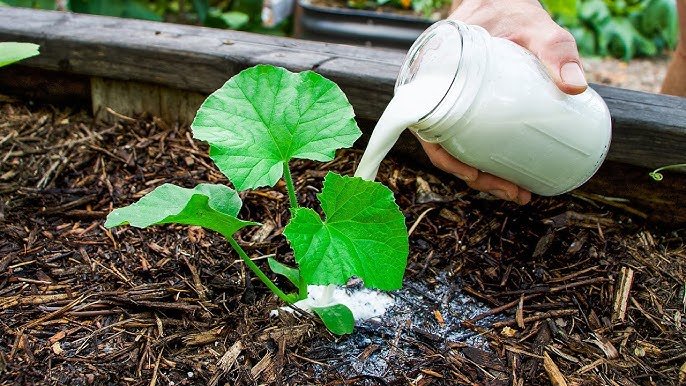
Cucumbers are heavy feeders, and proper nutrition ensures lush growth and fruit production.
Fertilizer Guidelines:
- Incorporate well-rotted compost or manure before planting
- Apply a balanced NPK fertilizer every 3–4 weeks
- During flowering and fruiting, use potassium-rich fertilizer to boost fruit quality
Tip: Avoid excess nitrogen, which leads to leafy growth at the expense of flowers and cucumbers.
🌞 Step 7: Trellising and Supporting Cucumber Plants
Vining cucumbers benefit from vertical growth, which saves space and reduces disease:
- Use stakes, cages, or trellises for support
- Tie vines gently with soft garden ties
- Train vines to grow upward for maximum sunlight and airflow
Tip: Vertical growth also makes harvesting easier and keeps cucumbers clean.
🐛 Step 8: Pest and Disease Management
Cucumbers are prone to pests and diseases, but vigilance ensures a healthy garden.
Common Pests:
- Aphids
- Cucumber beetles
- Spider mites
Common Diseases:
- Powdery mildew
- Downy mildew
- Fusarium wilt
Solutions:
- Neem oil, insecticidal soap, or organic sprays for pests
- Ensure good spacing and sunlight to prevent fungal infections
- Remove affected leaves promptly
Lesson Learned: Early detection and natural remedies keep cucumber plants healthy without harmful chemicals.
🌺 Step 9: Flowering and Pollination
Cucumbers produce yellow male and female flowers:
- Male flowers appear first, followed by female flowers that form cucumbers
- Bees and pollinators are crucial for fruit set
- Hand-pollinate indoors or in areas with few pollinators using a small brush
Tip: Proper pollination ensures bigger, well-shaped cucumbers.
🍈 Step 10: Harvesting Cucumbers
Cucumbers are ready to harvest when they reach the desired size and color, usually 50–70 days after planting:
Harvesting Tips:
- Pick regularly to encourage continuous production
- Use a sharp knife or scissors to avoid damaging the vine
- Avoid letting cucumbers over-ripen on the vine, which can reduce fruit quality
Tip: Frequent harvesting encourages plants to produce more fruit throughout the season.
🌿 Step 11: Growing Cucumbers in Containers
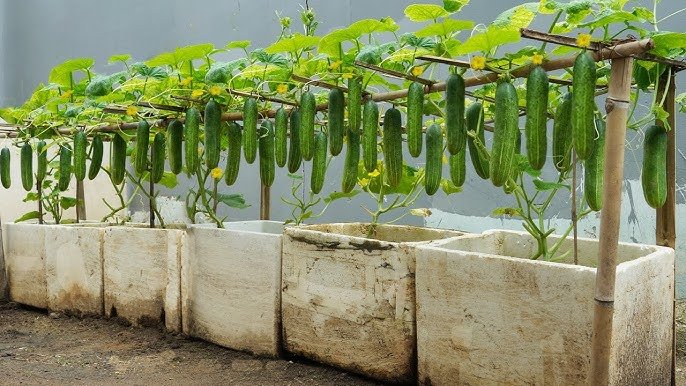
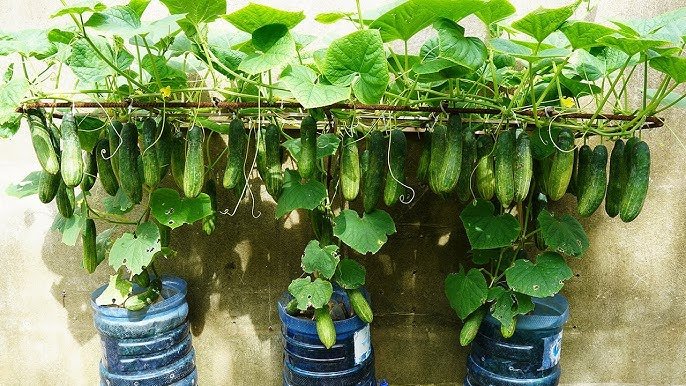
For small gardens or balconies, cucumbers grow well in large pots or containers:
- Use containers at least 12–16 inches deep
- Ensure proper drainage
- Fertilize regularly and maintain soil moisture
- Trellis vining varieties vertically even in pots
Lesson Learned: Container gardening allows urban gardeners to enjoy fresh cucumbers without a backyard.
🌟 Step 12: Lessons Learned from Growing Cucumbers at Home
- Sunlight is essential: Plants grow faster and produce more fruit in full sun.
- Consistent watering: Prevents bitter, small, or misshapen cucumbers.
- Support for vines: Trellising improves airflow, reduces disease, and eases harvesting.
- Regular fertilization: Promotes flowering and fruit quality.
- Frequent harvesting: Encourages continuous production.
🌳 Conclusion: Enjoy Fresh, Homegrown Cucumbers
Growing cucumbers at home is easy, rewarding, and produces delicious vegetables. With proper sunlight, soil, watering, fertilization, and trellising, you can enjoy fresh, crisp cucumbers straight from your garden or balcony.
Whether planted in raised beds, backyard gardens, or containers, cucumbers are perfect for beginner gardeners and urban spaces alike. Start growing cucumbers today and experience the joy of homegrown, chemical-free produce all season long. 🥒🌿