Pomegranates are not only visually stunning with their vibrant red fruits but also packed with antioxidants, vitamins, and flavor. Growing pomegranates at home is both rewarding and relatively easy, whether you have a backyard garden, a terrace, or even a large pot on a balcony. With the right care, you can enjoy fresh, juicy pomegranates right from your own garden.
This comprehensive guide covers planting, care, pruning, pest management, and harvesting, so you can successfully grow pomegranates at home.
🌱 Introduction: Why Grow Pomegranates at Home?
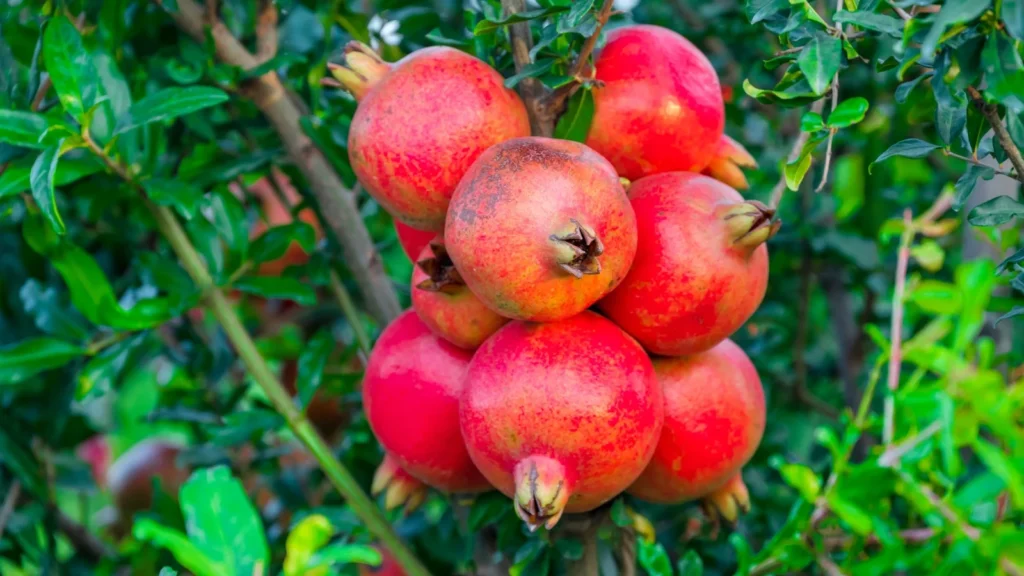
Homegrown pomegranates offer several benefits:
- Fresh and flavorful fruit: Pomegranates from the garden are sweeter and more aromatic than store-bought varieties.
- Health benefits: Rich in antioxidants, vitamin C, and anti-inflammatory compounds.
- Cost-effective: A single tree can produce hundreds of fruits over its lifetime.
- Low-maintenance: Pomegranate trees are hardy and drought-tolerant once established.
- Aesthetic appeal: Vibrant flowers and glossy foliage add beauty to your home garden.
Growing pomegranates at home also allows you to control pesticide use and ensures healthier fruits for you and your family.
🌿 Step 1: Choosing the Right Pomegranate Variety

Different pomegranate varieties are suited for different climates and purposes. Here are some popular options:
Popular Varieties:
- Wonderful: Large, deep red fruits; popular for juice
- Ganesh / Bhagwa: Sweet, aril-rich variety ideal for eating fresh
- Kandhari: Medium-sized fruits, hardy in warm climates
- Parfianka: Juicy, soft-seeded variety
Tip: Choose a variety suited to your local climate and desired fruit use (fresh eating, juice, or ornamental).
🌱 Step 2: Selecting the Planting Location
Pomegranates thrive in full sunlight and well-drained soil.
Location Tips:
- Full sun exposure for at least 6–8 hours per day
- Avoid areas with waterlogging; good drainage is essential
- Space multiple trees at least 8–10 feet apart
Soil Requirements:
- Loamy or sandy soil is ideal
- pH range: 5.5–7.5
- Enrich soil with organic compost for faster growth
Tip: Pomegranates can tolerate slightly saline or poor soils but grow best in fertile, well-drained soil.
🌿 Step 3: Planting Pomegranate
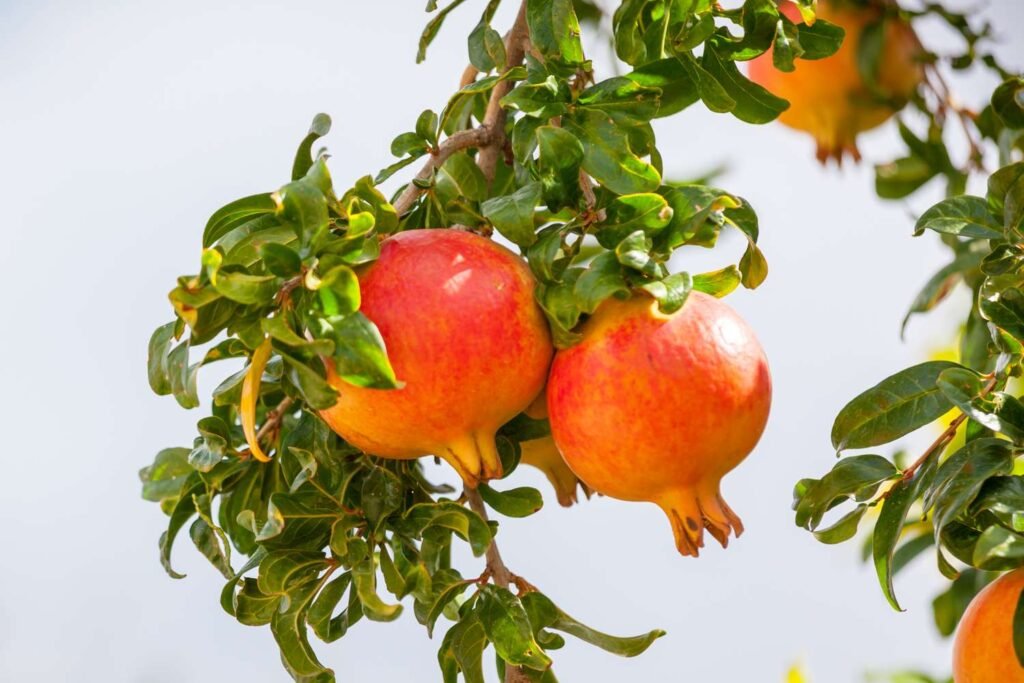
Pomegranates can be grown from seeds, cuttings, or saplings. Saplings or cuttings produce fruit faster than seeds.
Planting from Saplings:
- Dig a hole twice the size of the root ball
- Mix compost or manure into the soil
- Place the sapling and fill the hole gently, keeping the base slightly above soil level
- Water thoroughly after planting
Planting from Cuttings:
- Take a semi-hardwood cutting (8–10 inches long)
- Dip the cut end in rooting hormone
- Plant in a mixture of sand and compost
- Keep soil moist until roots develop
Tip: Avoid planting seeds indoors if you want fruit quickly, as they may take 3–4 years to bear fruit.
💧 Step 4: Watering Pomegranate Plants
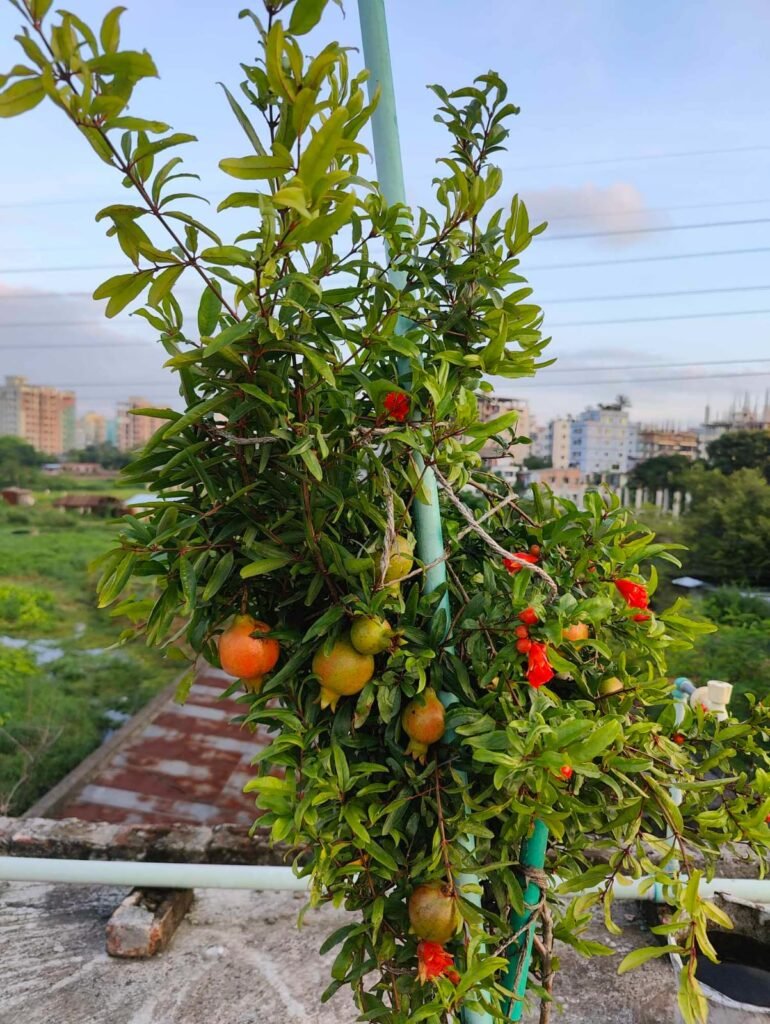
Pomegranates are drought-tolerant once established, but young plants require consistent moisture.
Watering Guidelines:
- Young plants: Water 2–3 times a week
- Established trees: Water weekly; increase during flowering and fruiting
- Avoid overwatering, which can cause root rot
Tip: Mulch around the base to retain soil moisture and reduce weeds.
🌿 Step 5: Fertilizing Pomegranates
Proper nutrition promotes healthy growth and abundant fruiting.
Fertilizer Tips:
- Use well-rotted compost or organic manure during planting
- Apply a balanced NPK fertilizer (10-10-10) every 3–4 months
- During flowering, use a potassium-rich fertilizer to improve fruit quality
Tip: Avoid excessive nitrogen, which encourages leaf growth but reduces flowering and fruiting.
🌞 Step 6: Pruning Pomegranate Trees
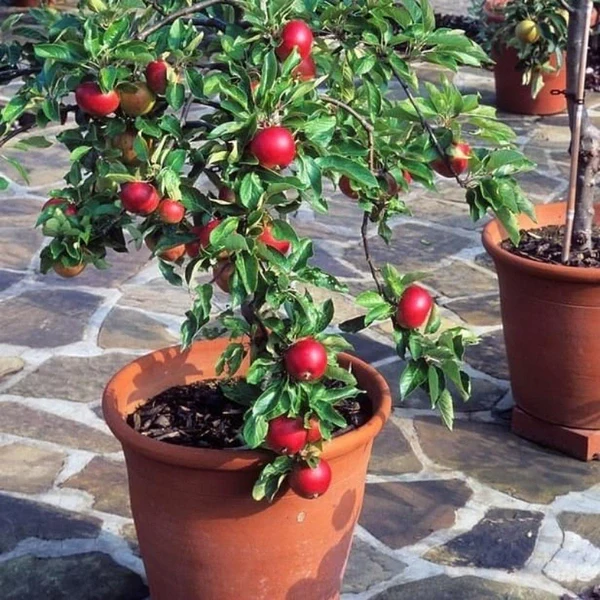
Pruning ensures strong structure, better air circulation, and higher fruit yield.
Pruning Guidelines:
- Remove dead, weak, or crowded branches
- Shape the tree into a bush or small tree for easier harvesting
- After fruiting, prune lightly to encourage new growth
Tip: Regular pruning helps prevent fungal diseases and promotes vigorous flowering.
🐛 Step 7: Pest and Disease Management
Pomegranates are generally hardy but can face some pests and diseases:
Common Pests:
- Aphids
- Mealybugs
- Whiteflies
Common Diseases:
- Leaf spot
- Fruit rot
- Powdery mildew
Solutions:
- Use neem oil or insecticidal soap for pest control
- Ensure proper spacing and sunlight to reduce fungal infections
- Remove affected leaves and fruits promptly
🌺 Step 8: Flowering and Fruit Development
Pomegranate flowers are bright red and appear during the warmer months.
Flowering Tips:
- Trees usually flower in the 1st or 2nd year after planting
- Ensure full sun and moderate watering to encourage flower development
- Hand-pollination can improve fruit set if pollinators are scarce
Tip: Pomegranates naturally self-pollinate, but bees greatly improve fruit yield.
🍎 Step 9: Harvesting Pomegranates
Pomegranates usually take 5–7 months after flowering to ripen.
Harvesting Tips:
- Fruits are ripe when skin turns deep red or yellowish-red, depending on variety
- Shake the fruit gently; a metallic sound indicates ripeness
- Cut the fruit from the branch using a sharp knife rather than pulling
- Store in a cool, dry place for up to 2 weeks
Tip: Avoid leaving overripe fruits on the tree as they may crack or attract pests.
🌿 Step 10: Growing Pomegranates in Containers
Pomegranates can thrive in large pots if space is limited:
- Use containers at least 18–20 inches deep
- Ensure proper drainage holes
- Water consistently and provide full sunlight
- Prune regularly to maintain size and shape
Tip: Container pomegranates may fruit slightly later than those in the ground, but they are ideal for patios and terraces.
🌟 Step 11: Benefits of Growing Pomegranates at Home
- Continuous supply of fresh, nutritious fruits
- Minimal chemical use for healthier produce
- Decorative flowers enhance garden aesthetics
- Low-maintenance once established
- Can be grown in both gardens and large containers
🌳 Conclusion: Enjoy Fresh, Homegrown Pomegranates
Growing pomegranates at home is both satisfying and fruitful. With proper sunlight, soil, watering, pruning, and pest management, you can enjoy fresh, delicious pomegranates year after year.
Whether planted in the backyard, terrace, or a large container, a pomegranate tree adds beauty, nutrition, and flavor to your home. Start your pomegranate journey today and experience the joy of harvesting your own sweet, juicy fruits! 🍎🌿