Imagine plucking a fresh, juicy papaya without leaving your living room. Papayas are tropical wonders—rich in vitamins, antioxidants, and digestive enzymes—but many assume they require a backyard or tropical climate to thrive. I discovered that with the right setup, papayas can flourish indoors, providing a continuous supply of fresh fruit and lush greenery.
In this guide, I’ll share my personal experience growing papayas indoors, along with step-by-step tips, care strategies, and lessons learned, so you can enjoy homegrown papayas year-round.
🌱 Introduction: Why Grow Papayas Indoors?
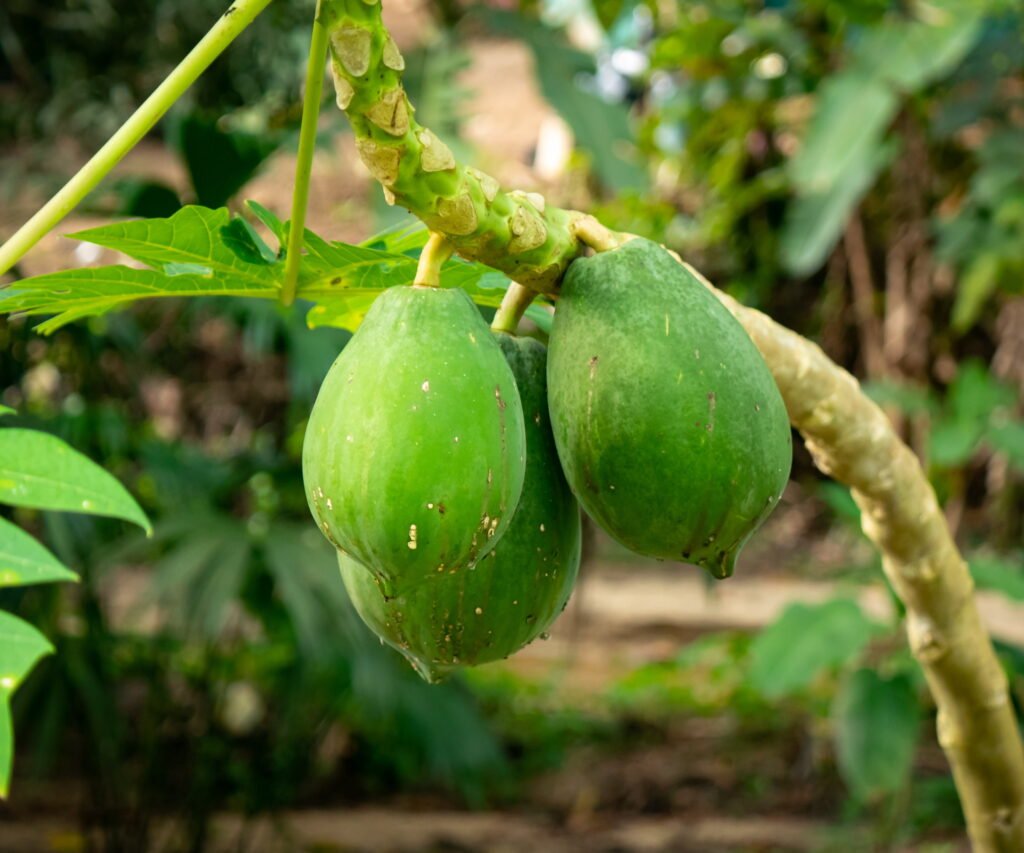
Growing papayas indoors may sound ambitious, but the rewards are incredible:
- Fresh fruit anytime: Enjoy papayas without relying on store-bought options.
- Compact growth: Suitable for large pots or indoor corners.
- Health benefits: Papayas are rich in vitamin C, vitamin A, and digestive enzymes.
- Air-purifying greenery: Adds a tropical vibe to your living space.
- Cost-effective: One plant can produce multiple fruits within months.
I was surprised by how fast papayas grow indoors when given proper light, water, and nutrients.
🌿 Step 1: Choosing the Right Papaya Variety
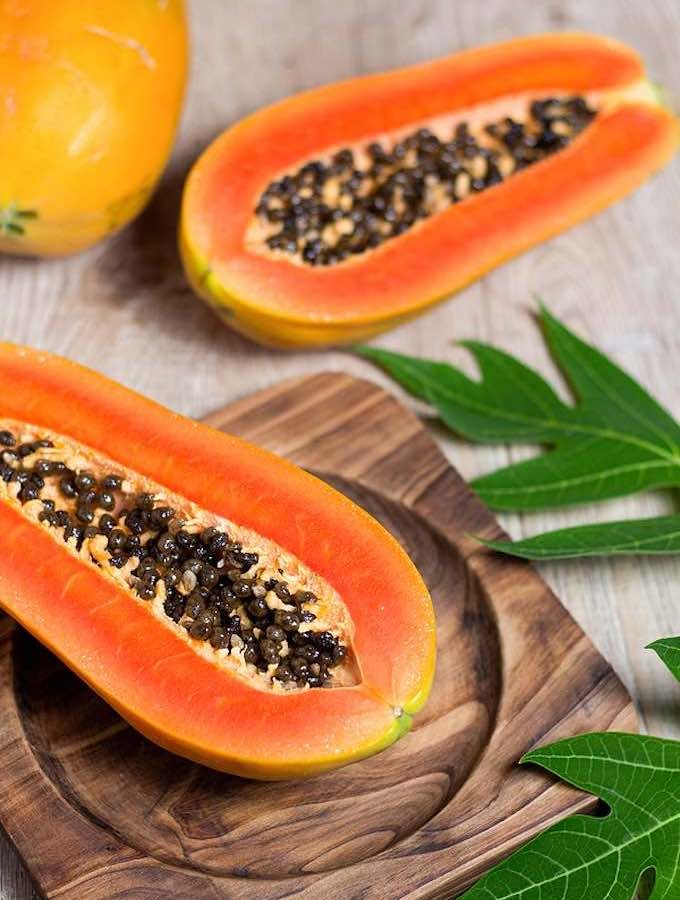
Papayas come in many varieties, and for indoor growth, dwarf or small-growing types are ideal.
Recommended Varieties for Indoor Growth:
- Red Lady Papaya: Compact, disease-resistant, sweet fruit.
- Solo Papaya: Small, fast-growing, excellent for indoor pots.
- Honey Dew / Sunrise: Sweet, orange-fleshed papayas; manageable indoors.
Tip: Choose varieties labeled as “dwarf” or “container-friendly” to prevent excessive height.
🌱 Step 2: Selecting Healthy Papaya Seeds or Seedlings
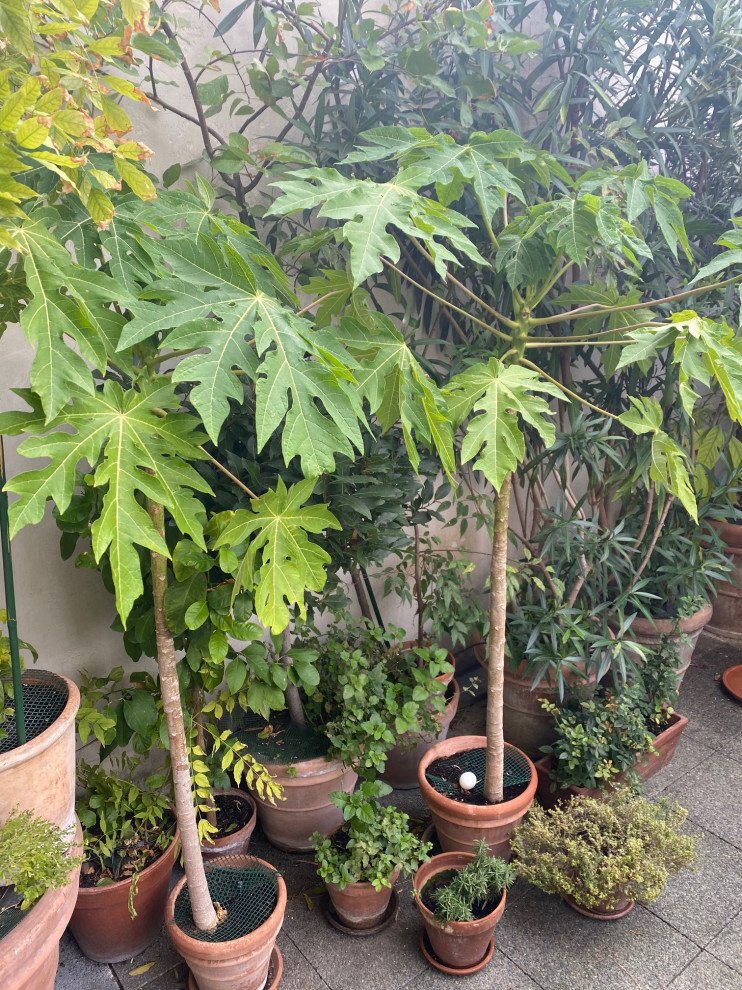
Papayas can be grown from seeds or seedlings. Seeds are inexpensive but take longer to fruit. Seedlings provide a head start.
Tips for Seeds:
- Choose fully ripe, orange papayas
- Clean seeds thoroughly and dry for 2–3 days
- Store in a cool place until planting
Tips for Seedlings:
- Buy healthy seedlings with strong stems and green leaves
- Avoid plants with signs of disease or root damage
Lesson Learned: Seedlings fruit faster and are easier to manage indoors than starting from seeds.
🌿 Step 3: Choosing the Right Container
Papayas have deep root systems, so container choice is critical.
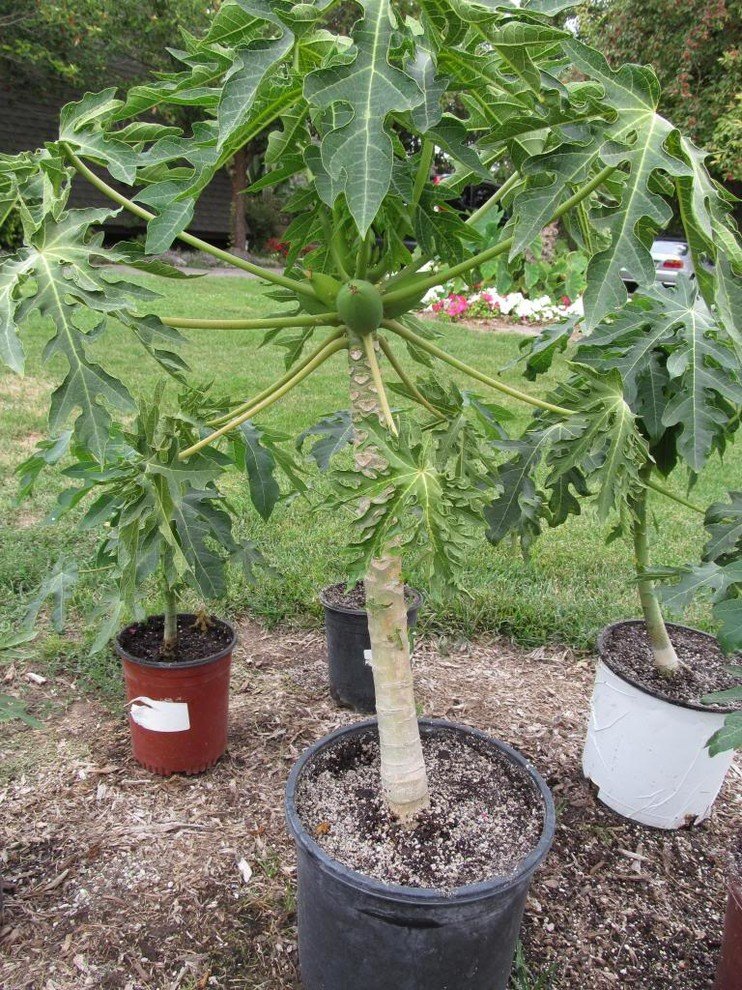
Container Guidelines:
- Minimum depth: 18–24 inches
- Width: 18–20 inches to accommodate root spread
- Material: Plastic, ceramic, or terracotta with drainage holes
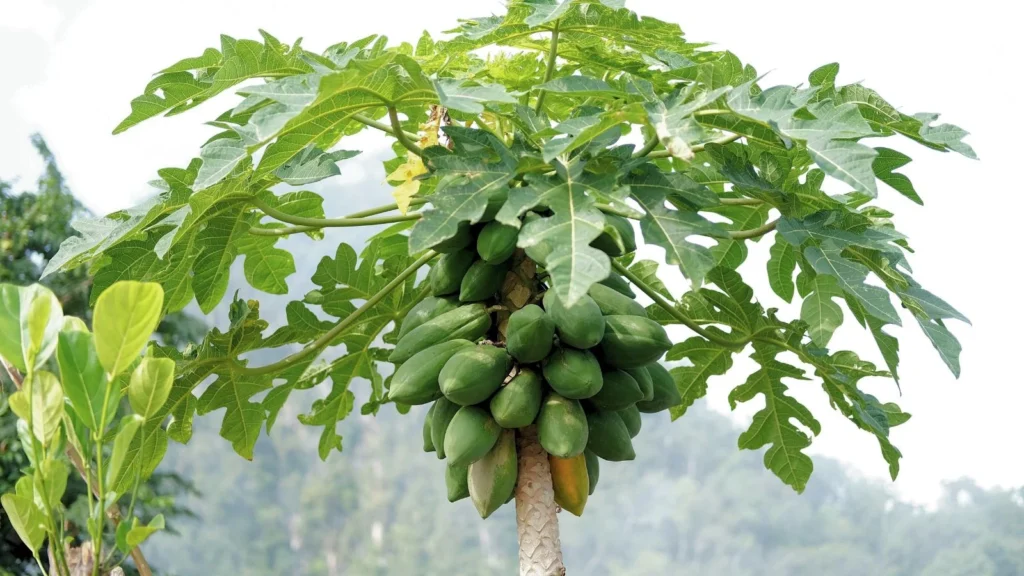
Tip: Large, stable containers prevent toppling as the plant grows taller.
🌞 Step 4: Soil Requirements
Papayas thrive in well-draining, nutrient-rich soil.
Ideal Soil Mix:
- 2 parts potting soil
- 1 part compost or organic matter
- 1 part perlite or sand for drainage
Tip: Avoid heavy clay soil, which retains too much water and risks root rot.
💧 Step 5: Watering Your Indoor Papaya
Papayas prefer consistent moisture, but overwatering can kill the plant.
Watering Tips:
- Water when the top 1 inch of soil feels dry
- Reduce watering in winter or cooler indoor temperatures
- Ensure proper drainage to prevent waterlogging
Lesson Learned: Indoor papayas thrive with moderate, consistent watering rather than excessive moisture.
🌿 Step 6: Providing Adequate Light
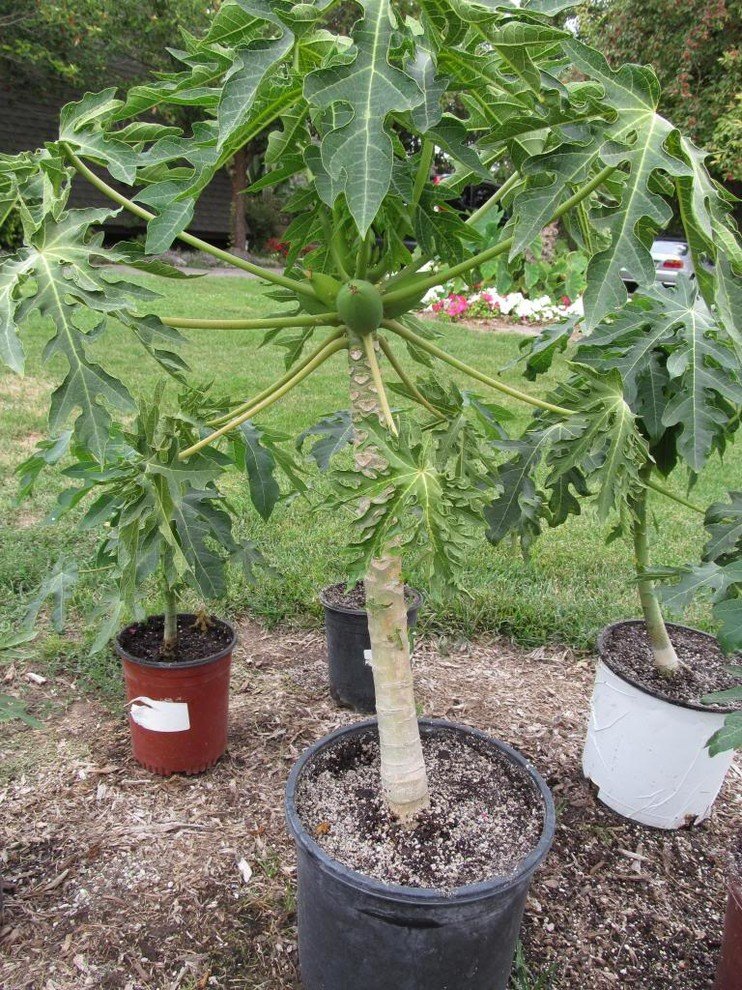
Papayas require lots of sunlight for fast growth and fruiting.
Light Guidelines:
- 6–8 hours of direct sunlight per day
- South-facing windows are ideal
- Use LED grow lights for 12–16 hours daily if natural sunlight is insufficient
Tip: Rotate the plant occasionally for even growth on all sides.
🌱 Step 7: Fertilizing Indoor Papayas
Papayas are heavy feeders. Proper nutrition ensures rapid growth and early fruiting.
Fertilizer Tips:
- Use balanced NPK fertilizer (10-10-10) every 4–6 weeks
- Add compost or organic fertilizers for better flavor and yield
- Apply potassium-rich fertilizer during flowering and fruiting
Tip: Avoid excessive nitrogen, which promotes leaf growth over fruit production.
🌿 Step 8: Supporting Papaya Plants
Indoor papayas can grow tall quickly and may need support:
- Use stakes to prevent bending or toppling
- Tie the main stem gently to the stake as it grows
- Remove damaged or yellowing leaves promptly
Lesson Learned: Providing support early prevents damage during rapid growth.
🐛 Step 9: Pest and Disease Management
Indoor papayas face fewer pests than outdoor plants, but vigilance is essential.
Common Pests:
- Aphids
- Spider mites
- Whiteflies
Common Diseases:
- Root rot (from overwatering)
- Powdery mildew
Solutions:
- Neem oil or mild insecticidal soap for pests
- Avoid waterlogging to prevent root rot
- Remove affected leaves promptly
Tip: Regular inspection keeps your papaya plant healthy year-round.
🌺 Step 10: Flowering and Fruit Development
Papayas produce flowers within 5–7 months indoors under optimal conditions.
Flowering Tips:
- Flowers are either male, female, or hermaphrodite
- Hermaphrodite plants are ideal for indoor fruiting
- Provide consistent sunlight, water, and nutrients to promote flowering
Tip: Pollination may require gentle hand-pollination if indoor air movement is limited.
🍈 Step 11: Harvesting Indoor Papayas
Papayas mature quickly indoors, usually 6–12 months after planting, depending on variety.
Harvesting Tips:
- Pick fruits when skin changes color from green to yellow-orange
- Cut carefully with a sharp knife to avoid damaging the plant
- Allow slight ripening indoors if harvested early
Lesson Learned: Frequent harvesting encourages the plant to produce more fruit continuously.
🌿 Step 12: Growing Papayas in Small Spaces
Papayas can thrive indoors with limited space:
- Use large containers or pots with drainage
- Place near south-facing windows or under grow lights
- Prune lower leaves to maximize light and airflow
Tip: Compact varieties like Red Lady or Solo are perfect for living rooms and terraces.
🌟 Step 13: Lessons Learned from Indoor Papaya Gardening
- Sunlight is crucial: Plants grow faster and fruit earlier with adequate light.
- Consistent care: Regular watering, fertilizing, and pruning accelerate growth.
- Support matters: Tall, slender stems need early support.
- Patience pays off: Indoor papayas can fruit quickly but require 6–12 months.
- Hand-pollination may help: Ensures fruit set in hermaphrodite plants indoors.
🌳 Conclusion: Enjoy Fresh Papayas from Your Living Room
Growing papayas indoors is rewarding, fast, and surprisingly easy with proper care. From selecting the right variety to providing sunlight, water, and nutrients, you can enjoy fresh, nutritious papayas year-round, right in your living room.
With patience and consistent care, your indoor papaya plant will not only provide delicious fruits but also add tropical charm and greenery to your home. Start your indoor papaya journey today and experience the joy of homegrown, fresh fruit just steps away. 🥭🌿