Few things compare to the satisfaction of plucking fresh, juicy strawberries straight from your own garden. Sweet, fragrant, and bursting with flavor, strawberries are a favorite fruit for both kids and adults. But growing them at home can seem intimidating at first. With the right guidance, anyone can enjoy homegrown strawberries, whether in a backyard garden, balcony, or even in containers.
In this article, I’ll share my personal experience of growing strawberries at home, along with step-by-step guidance, practical tips, and lessons learned, so you can cultivate your own delicious berries successfully.
🌱 Introduction: Why Grow Strawberries at Home?
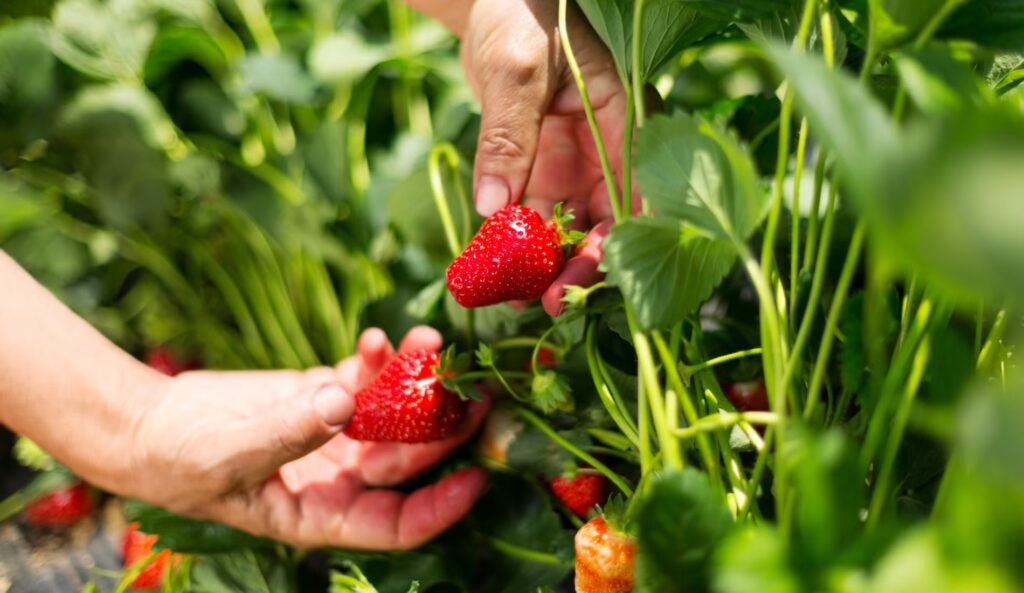
Growing strawberries at home offers many benefits:
- Freshness and flavor: Store-bought strawberries often lack flavor and aroma. Homegrown berries are far superior.
- No pesticides: You control what goes into your plants, making your strawberries safer and healthier.
- Cost-effective: Once established, strawberry plants produce fruit for several seasons.
- Therapeutic gardening: Caring for plants and harvesting fruit is rewarding and stress-relieving.
From my first attempts to harvest, I realized that strawberries are surprisingly adaptable, making them ideal for both beginners and experienced gardeners.
🌿 Step 1: Choosing the Right Strawberry Variety
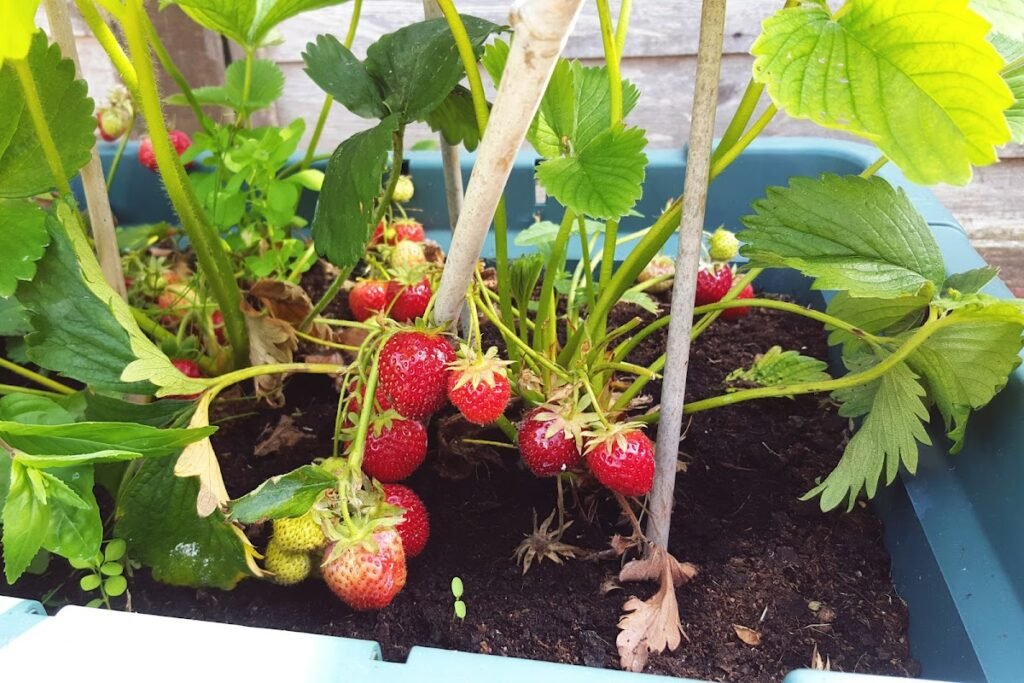
The variety you choose affects flavor, yield, and growing season. Strawberries fall into three main categories:
1️⃣ June-bearing
- Produce a single, large crop in late spring to early summer
- High yield per plant
2️⃣ Everbearing
- Produce two to three smaller harvests throughout the season
- Great for continuous picking
3️⃣ Day-neutral
- Produce fruit continuously throughout the growing season
- Ideal for consistent harvests in home gardens
Tip: For home gardening, I recommend everbearing or day-neutral varieties to enjoy strawberries throughout the season.
🌱 Step 2: Selecting the Perfect Location
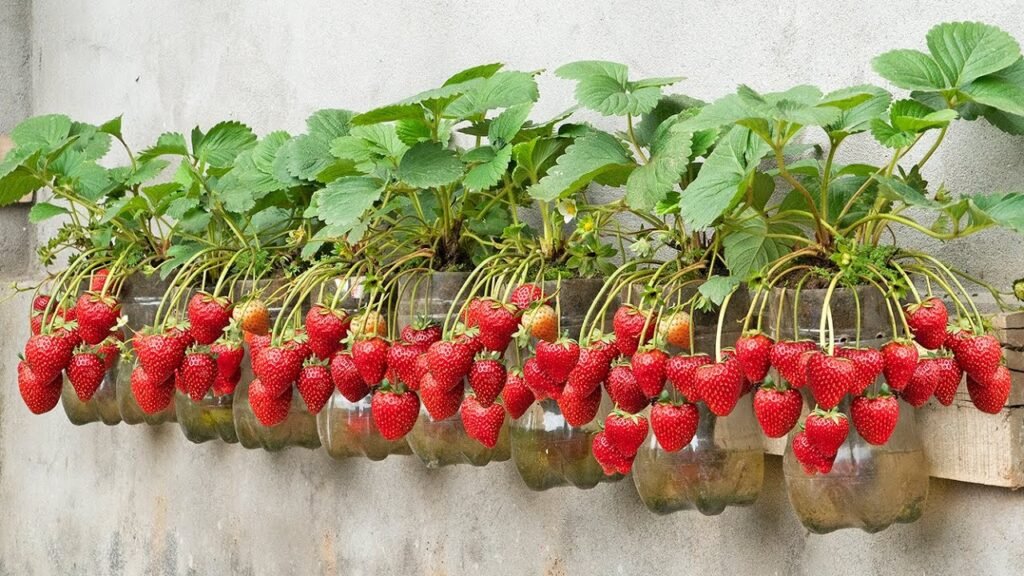
Strawberries need full sunlight for at least 6–8 hours a day. Here’s what I learned about choosing a spot:
- Backyard garden: Ideal for ground planting with ample space
- Containers or pots: Perfect for balconies or limited spaces
- Raised beds: Improve drainage and reduce pests
Soil Requirements:
- Well-drained, loamy soil
- pH between 5.5 and 6.8
- Rich in organic matter
Tip: Avoid planting strawberries where tomatoes, peppers, or eggplants grew previously to reduce the risk of disease.
🌿 Step 3: Planting Strawberries
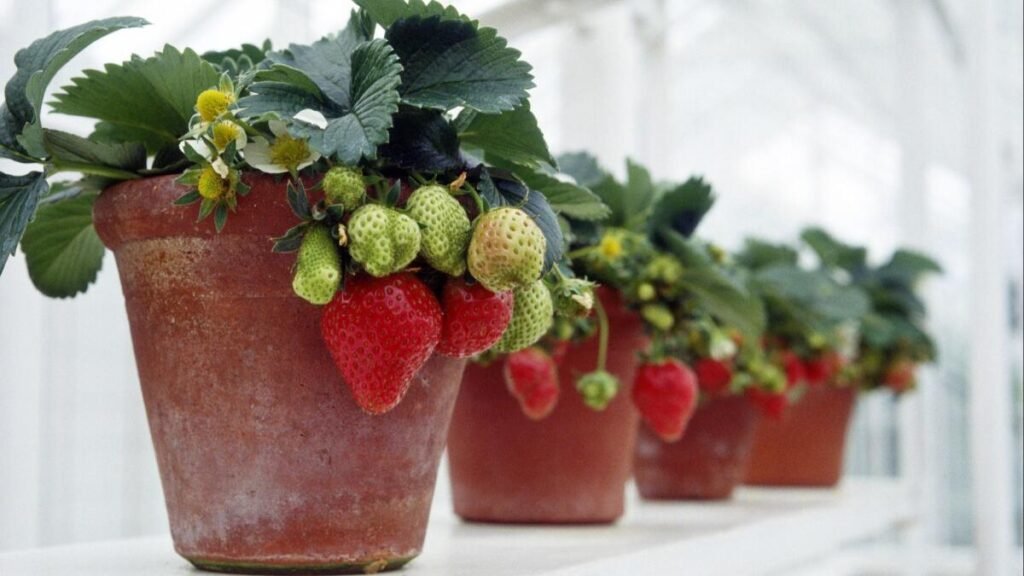
Strawberry plants can be grown from seeds, but it’s easier to start with young plants or bare-root crowns.
Planting Steps:
- Dig a hole slightly larger than the root ball or crown
- Place the plant so the crown is just above soil level
- Fill with soil, gently firming around the roots
- Space plants 12–18 inches apart
- Water thoroughly after planting
Tip: Mulch around the plants with straw or shredded leaves to retain moisture and keep berries clean.
💧 Step 4: Watering Strawberries
Strawberries need consistent moisture, especially while fruiting:
- Water deeply 1–2 times per week
- Avoid overhead watering to prevent fungal diseases
- Mulching helps maintain soil moisture and reduces weeds
Lesson Learned: Overwatering can cause root rot, while underwatering leads to small, dry berries. Consistency is key.
🌿 Step 5: Fertilizing Strawberries

Strawberries benefit from nutrient-rich soil and occasional feeding:
- Apply compost or well-rotted manure before planting
- Feed monthly with a balanced liquid fertilizer during the growing season
- Avoid excess nitrogen, which encourages leafy growth over fruit production
Tip: I found that using organic fertilizers not only improved flavor but also kept plants healthier and pest-resistant.
🌞 Step 6: Supporting Your Plants
Strawberries grown in the ground can sprawl and touch the soil, which may cause rot. Here’s what worked for me:
- Raised beds or containers elevate the plants
- Straw mulch keeps fruit clean and reduces fungal infections
- Hanging baskets or vertical planters save space and are perfect for small areas
🐛 Step 7: Managing Pests and Diseases
Strawberries are prone to a few pests and diseases, but careful attention can prevent damage:
Common Pests:
- Slugs and snails
- Aphids
- Spider mites
Common Diseases:
- Powdery mildew
- Gray mold (Botrytis)
- Leaf spot
Solutions I Used:
- Hand-picking slugs and using barriers
- Neem oil spray for pests
- Proper spacing and good airflow to prevent fungal growth
Lesson Learned: Healthy plants with good sunlight and airflow are far less prone to problems.
🌼 Step 8: Flowering and Fruit Development
Strawberries produce white flowers, which eventually turn into berries. Key observations from my experience:
- Flowers appear 4–6 weeks after planting
- Bees and pollinators are crucial for good fruit set
- Hand-pollinating with a small brush can help if indoor plants have limited pollination
Tip: Avoid cutting flowers too early; healthy flowers are essential for sweet, abundant fruit.
🍓 Step 9: Harvesting Strawberries
Harvesting is the most rewarding part of growing strawberries. Here’s what I learned:
- Pick berries when fully red and ripe
- Gently twist or snip stems to avoid damaging the plant
- Harvest every 2–3 days during peak season for the best yield
- Use harvested berries immediately or store in the fridge for a few days
Lesson Learned: Waiting too long reduces taste and can attract pests. Regular picking encourages continuous fruiting in everbearing and day-neutral varieties.
🌿 Step 10: Propagating Strawberries
Strawberries produce runners—long stems that develop new plants at their tips. I used these runners to expand my garden:
Steps:
- Pin the runner to a small pot with soil
- Let roots establish for 2–3 weeks
- Cut the runner from the mother plant and transplant
Tip: This is a cost-effective way to increase your strawberry plants without buying new ones.
🌞 Step 11: Indoor Strawberry Gardening Tips
For those with limited outdoor space, strawberries can thrive indoors with proper care:
- Use large pots or hanging baskets
- Ensure 6–8 hours of sunlight or use LED grow lights
- Maintain consistent moisture and moderate humidity
- Watch for pests like aphids, which can appear indoors
Lesson Learned: Indoor strawberries may produce slightly smaller fruits, but the convenience and flavor make it worthwhile.
🌟 Step 12: Lessons Learned from My Strawberry Garden
- Patience pays off: Strawberries take time to establish, but the wait is worth it.
- Sunlight is critical: Plants grown in partial shade produced smaller, less sweet berries.
- Mulch is magic: Keeps berries clean, conserves moisture, and prevents weeds.
- Consistent care: Regular watering, pruning, and monitoring pests are key.
- Propagation ensures longevity: Using runners can provide fresh plants every year.
🌳 Conclusion: The Joy of Growing Strawberries at Home
Growing strawberries at home is rewarding, educational, and delicious. Whether in a backyard garden, container, or balcony planter, strawberries offer a continuous supply of sweet, aromatic fruits when given the right care.
From selecting the right variety to harvesting your first red berry, patience, attention, and consistent care are essential. The satisfaction of eating fresh, homegrown strawberries makes every bit of effort worthwhile.
Start small, experiment with containers or raised beds, and enjoy the unparalleled taste of strawberries straight from your own garden. 🍓🌱