Lemon, with its vibrant flavor, refreshing aroma, and numerous health benefits, is a staple in kitchens worldwide. Growing lemons at home not only provides a fresh supply of this versatile fruit but also adds greenery and aesthetic appeal to your garden. Whether you have a backyard, terrace, or even a few pots on your balcony, lemon cultivation at home is both practical and rewarding.
This guide will take you through the step-by-step process of cultivating, nurturing, and harvesting lemons at home, along with tips on container gardening, pruning, pest management, and creative gardening ideas.
Why Grow Lemons at Home?
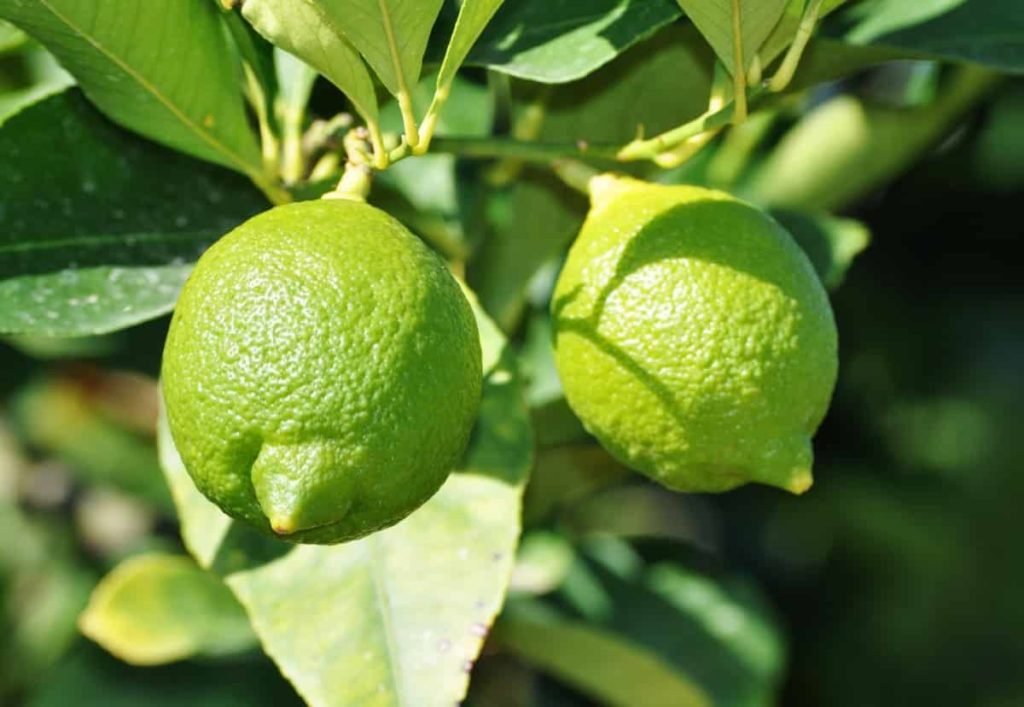
- Freshness and Quality: Homegrown lemons are free from pesticides and chemicals, offering superior taste and aroma.
- Nutritional Benefits: Lemons are rich in vitamin C, antioxidants, and essential minerals, supporting immunity, digestion, and overall health.
- Cost-Effective: Growing your own lemons reduces grocery expenses and ensures a continuous supply.
- Aesthetic Appeal: Lemon trees have lush green foliage and fragrant flowers, enhancing the beauty of any garden or balcony.
- Versatility: Lemons are used in cooking, beverages, desserts, cleaning, and natural remedies, making them a valuable addition to any home.
Choosing the Right Lemon Variety
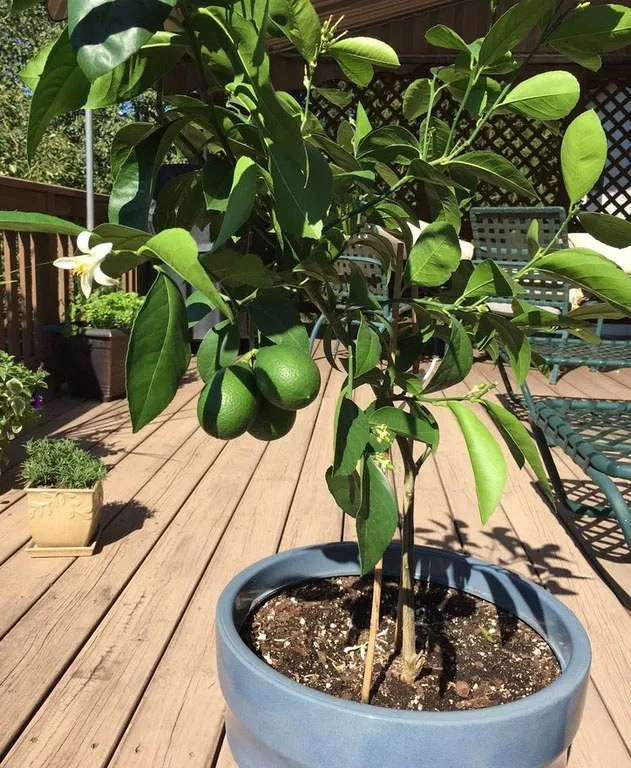
Several lemon varieties are suitable for home cultivation:
- Eureka Lemon: Produces juicy fruits year-round; commonly grown in pots and gardens.
- Lisbon Lemon: High-yielding, cold-tolerant variety with abundant juice.
- Meyer Lemon: A hybrid of lemon and orange; smaller, sweeter fruits and ideal for container gardening.
- Ponderosa Lemon: Large fruits with thick skin; grows well in warm climates.
For home gardening, Meyer lemons are highly recommended due to their compact size, sweet taste, and adaptability to container growth.
Ideal Conditions for Lemon Cultivation
Lemons are tropical-subtropical plants and require specific conditions to thrive:
- Sunlight: Full sun for at least 6–8 hours daily is essential for flowering and fruiting.
- Soil: Well-draining, slightly acidic to neutral soil (pH 5.5–7.0) enriched with organic matter works best.
- Temperature: Optimal growth occurs between 70–85°F (21–29°C). Protect young plants from frost.
- Watering: Regular watering is necessary, especially during dry periods, but avoid waterlogging.
Planting Lemon Trees at Home
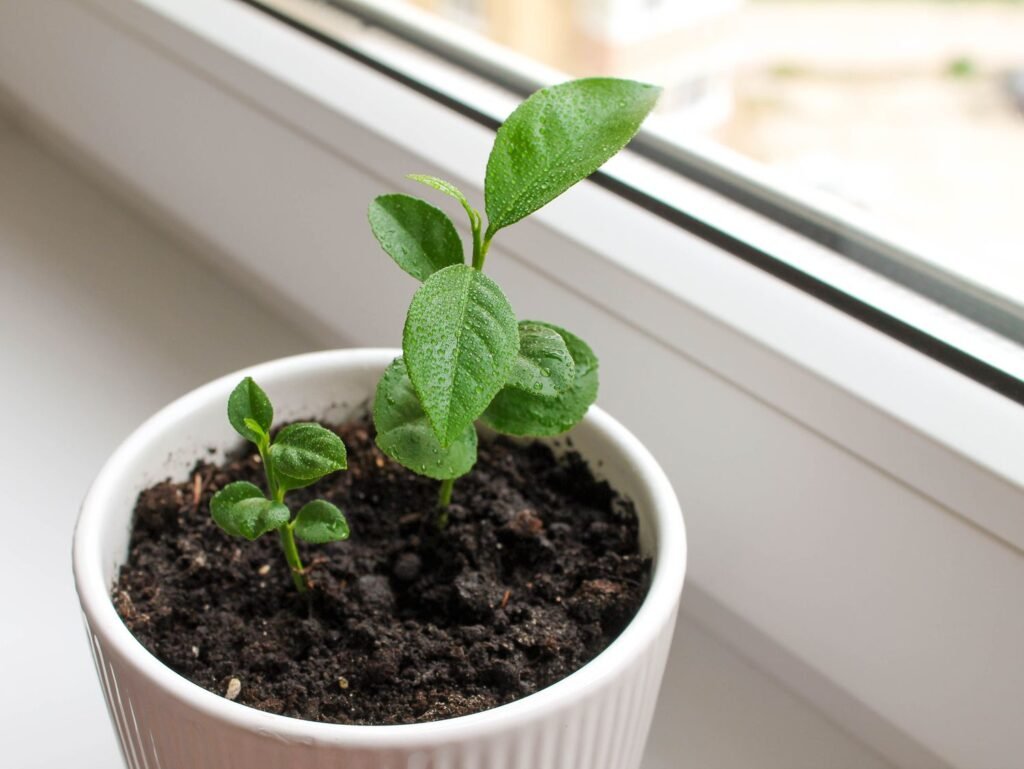
1. From Seeds
- Extract seeds from a fresh lemon and wash to remove pulp.
- Dry seeds for a day or two, then sow them in a pot with well-draining soil.
- Keep the soil moist and provide partial sunlight until seedlings emerge (2–3 weeks).
- Seed-grown trees take longer to bear fruit (2–5 years).
2. From Nursery Saplings
- Purchase healthy lemon saplings for faster fruiting.
- Dig a hole twice the size of the root ball and plant at the same depth as in the pot.
- Water immediately and mulch around the base to retain moisture.
- Provide support if the plant is young and tender.
3. Container Gardening
- Lemon trees grow well in large pots or containers (minimum 18–24 inches in diameter).
- Use a mixture of garden soil, compost, and sand for optimal drainage.
- Containers allow you to move plants indoors during cold weather.
Caring for Lemon Trees
1. Watering
- Water young plants regularly to establish roots.
- Mature trees need deep watering 2–3 times a week during dry spells.
- Reduce watering in cooler months to prevent root rot.
2. Fertilizing
- Use a balanced citrus fertilizer every 6–8 weeks during the growing season.
- Apply organic compost or well-rotted manure for healthy foliage and fruits.
- Avoid over-fertilization, which can reduce fruit quality.
3. Sunlight and Temperature
- Ensure lemon trees receive full sunlight for optimal flowering and fruiting.
- Protect from frost and extreme winds, which can damage leaves and flowers.
4. Pruning
- Prune dead, diseased, or crossing branches to improve air circulation.
- Remove weak shoots to encourage stronger growth and fruit production.
- Light pruning maintains a compact shape for container-grown trees.
Flowering and Fruit Development
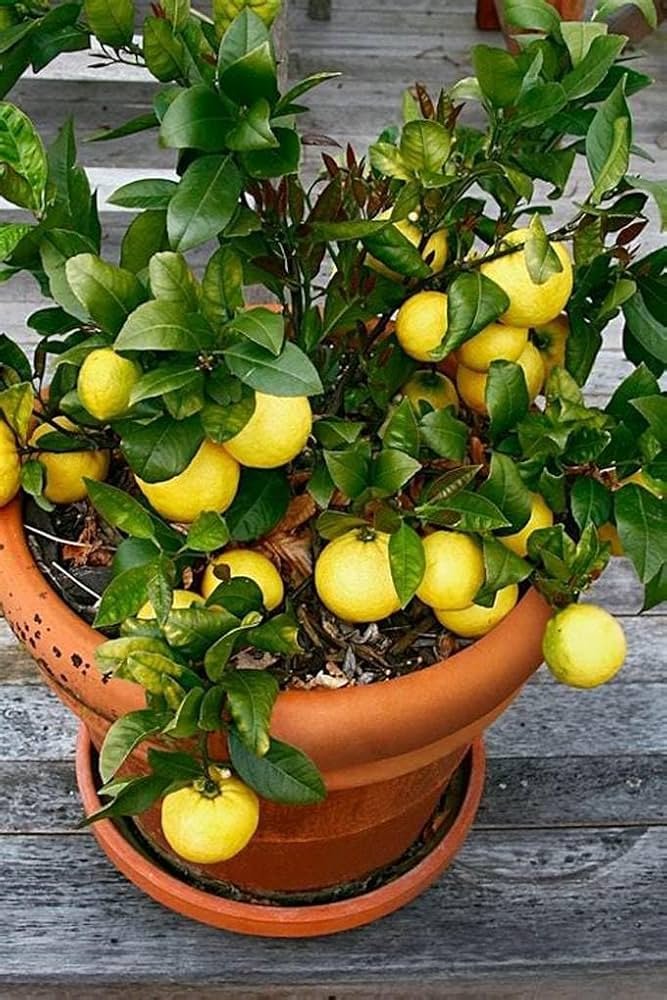
- Lemon trees start flowering 6–12 months after planting, depending on the variety and growing conditions.
- Flowers are fragrant and attract pollinators such as bees and butterflies.
- Fruit development takes 5–8 months after flowering. Regular care ensures larger, juicier lemons.
Pest and Disease Management
Common pests and diseases affecting lemon trees include:
- Aphids, Mealybugs, and Spider Mites: Spray neem oil or insecticidal soap to control infestations.
- Citrus Leaf Miner: Causes curling of leaves; prune affected areas and use organic controls.
- Root Rot: Ensure well-draining soil to prevent fungal infections.
- Powdery Mildew: Maintain air circulation and avoid overhead watering.
Proper monitoring and preventive care are key to maintaining healthy trees.
Harvesting Lemons
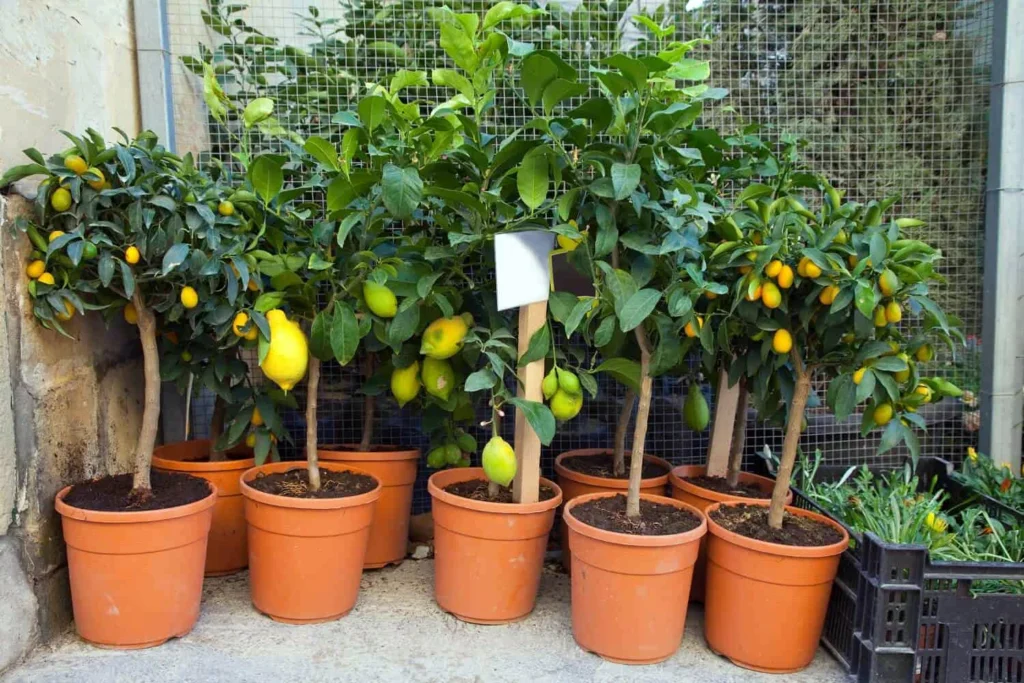
- Lemons are ready to harvest when they turn yellow (or yellowish-green, depending on the variety).
- Gently twist or cut the fruit from the tree to avoid damaging branches.
- Harvest regularly to encourage continuous flowering and fruiting.
- Ripe lemons can be stored at room temperature or refrigerated for longer shelf life.
Creative Gardening Ideas with Lemon Trees
- Mixed Kitchen Garden
- Plant lemon trees alongside vegetables, herbs, or companion flowers.
- This creates a productive and visually appealing garden space.
- Container or Terrace Gardening
- Ideal for small spaces, balconies, and terraces.
- Use large containers with proper drainage to ensure healthy growth.
- Vertical and Raised Beds
- Raised beds improve drainage and protect roots from pests.
- Train dwarf varieties in small vertical setups to save space.
- Companion Planting
- Plant lemon trees with herbs like basil, rosemary, or mint to improve soil and deter pests.
- Indoor Greenhouse
- In colder climates, grow lemons in a greenhouse or sunroom.
- Maintain warm temperatures and humidity for optimal growth.
Benefits of Growing Lemon Trees at Home
- Fresh Supply: Enjoy chemical-free lemons for cooking, beverages, and natural remedies.
- Health Benefits: Rich in vitamin C and antioxidants, supporting immunity and overall wellness.
- Aesthetic Appeal: Adds lush greenery, fragrant flowers, and visual charm to your garden.
- Cost Savings: Reduces the need to purchase lemons from stores.
- Educational and Therapeutic: Gardening promotes relaxation, learning, and a connection to nature.
Conclusion
Lemon cultivation at home is an excellent way to enjoy fresh, aromatic, and nutrient-rich fruits while enhancing your garden’s beauty. With proper planting, watering, fertilizing, pruning, and pest management, even beginners can successfully grow healthy lemon trees.
From backyard and terrace setups to container gardening and greenhouse cultivation, lemon trees are versatile and adaptable to various spaces. Regular harvesting, careful care, and creative gardening ideas ensure a continuous supply of fresh lemons throughout the year.
By growing lemons at home, you not only benefit from the health advantages of this superfruit but also create a vibrant, fragrant, and productive kitchen garden. With patience and attention, your lemon trees can flourish, providing sweet, tangy fruits and a tropical touch to your home for years to come.