Mint is one of the most popular and versatile herbs used worldwide for its refreshing flavor, aroma, and medicinal properties. From teas and beverages to culinary dishes and natural remedies, mint leaves add a burst of freshness wherever they are used. Growing mint at home is not only easy and cost-effective but also ensures a constant supply of fresh, chemical-free leaves for your kitchen.
Whether you have a balcony, terrace, backyard, or even just a few pots indoors, mint leaves cultivation at home is a rewarding endeavor. This guide will walk you through the step-by-step process of growing, nurturing, and harvesting mint, along with tips for container gardening and maximizing your herb yield.
Why Grow Mint at Home?
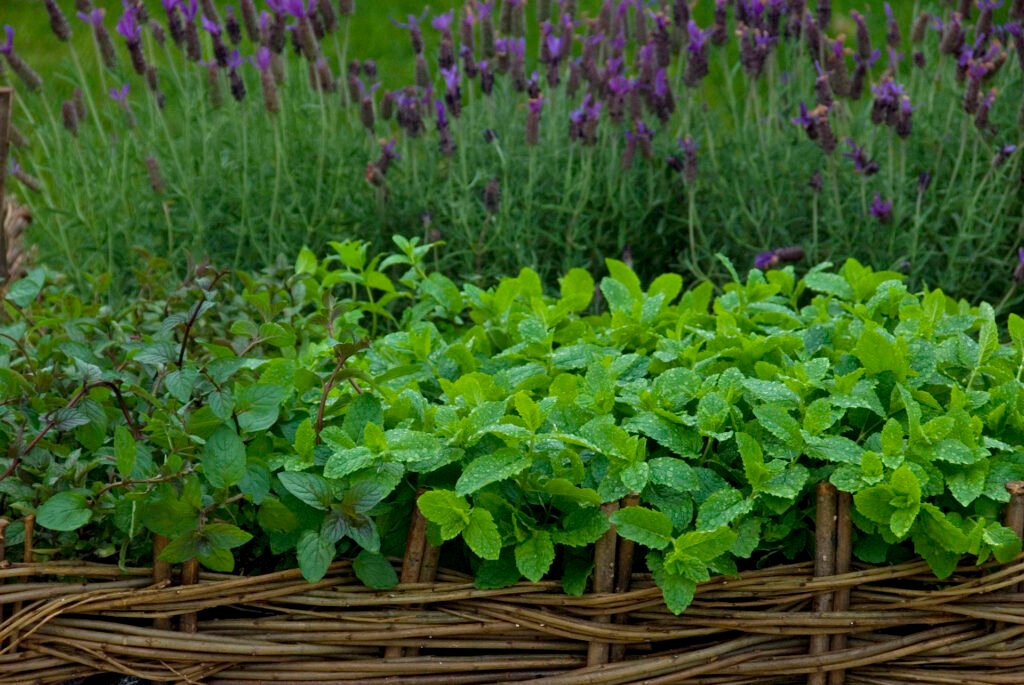
- Freshness and Quality: Homegrown mint is free from pesticides and chemicals, offering superior flavor and aroma compared to store-bought leaves.
- Ease of Growth: Mint is hardy, fast-growing, and can adapt to different climates and container setups.
- Cost-Effective: Growing your own mint reduces the need to purchase it regularly from stores.
- Medicinal Benefits: Mint is known for aiding digestion, relieving headaches, and providing a calming effect.
- Culinary Versatility: Perfect for teas, desserts, salads, chutneys, sauces, and garnishing dishes.
Choosing the Right Mint Variety
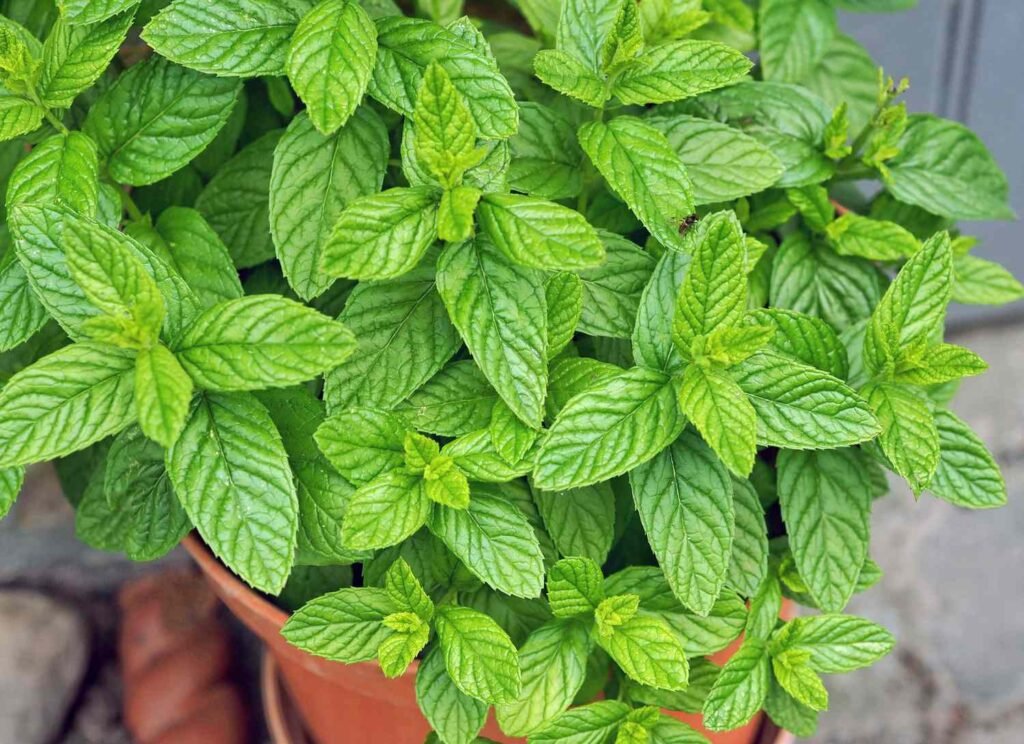
There are several varieties of mint, each with unique flavors and aromas:
- Spearmint (Mentha spicata): Sweet and mild, ideal for teas and salads.
- Peppermint (Mentha piperita): Strong, menthol-rich flavor, used in beverages and candies.
- Apple Mint (Mentha suaveolens): Fruity aroma, suitable for garnishing desserts.
- Chocolate Mint: Sweet, chocolate-flavored leaves, popular for drinks and desserts.
Select a variety that suits your culinary preferences and growing conditions.
Ideal Conditions for Mint Cultivation
Mint grows well in a range of conditions, but optimal growth occurs under the following:
- Sunlight: Partial shade to full sunlight. Mint thrives in indirect sunlight but can tolerate direct sun if soil moisture is maintained.
- Soil: Moist, well-draining soil rich in organic matter is ideal. A slightly acidic to neutral pH (6.0–7.0) works best.
- Watering: Mint requires consistent moisture, especially in hot weather, but avoid waterlogging.
- Container or Garden Space: Mint spreads aggressively, so container gardening is often recommended to control its growth.
Methods of Growing Mint at Home
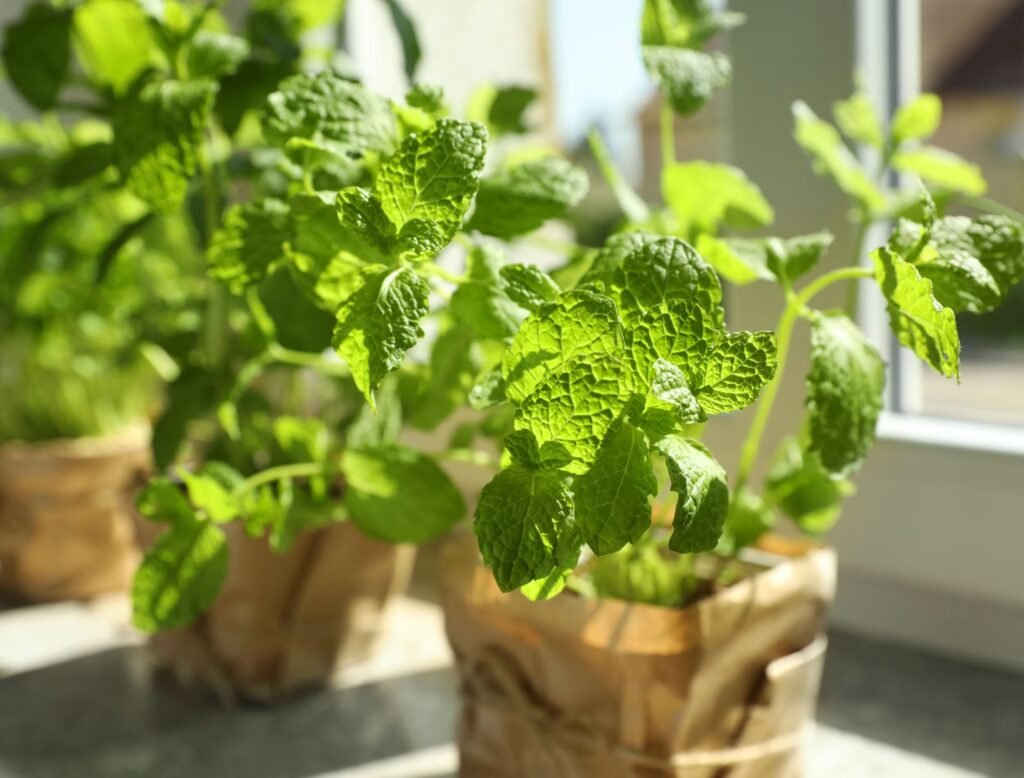
1. From Cuttings
- Take healthy stem cuttings about 4–6 inches long from a mature mint plant.
- Remove lower leaves to prevent rot.
- Place the cuttings in a glass of water or directly into moist soil.
- Roots develop within 1–2 weeks, after which the cuttings can be transplanted into pots or garden beds.
2. From Seeds
- Mint seeds are tiny and require light for germination.
- Sow seeds on the soil surface in trays or pots and press lightly.
- Keep the soil moist and in a warm, bright location.
- Seedlings emerge in 10–15 days.
3. From Existing Plants
- Divide established mint plants by separating root clumps.
- Replant divisions in containers or garden beds.
- This method is fast and ensures stronger growth.
Container Gardening for Mint
- Use pots or containers with drainage holes to prevent waterlogging.
- Large pots (10–12 inches in diameter) allow roots to spread and prevent overcrowding.
- Use a mixture of garden soil, compost, and sand for optimal growth.
- Container gardening helps control the spread of mint, as it can become invasive in open garden beds.
Caring for Mint Plants
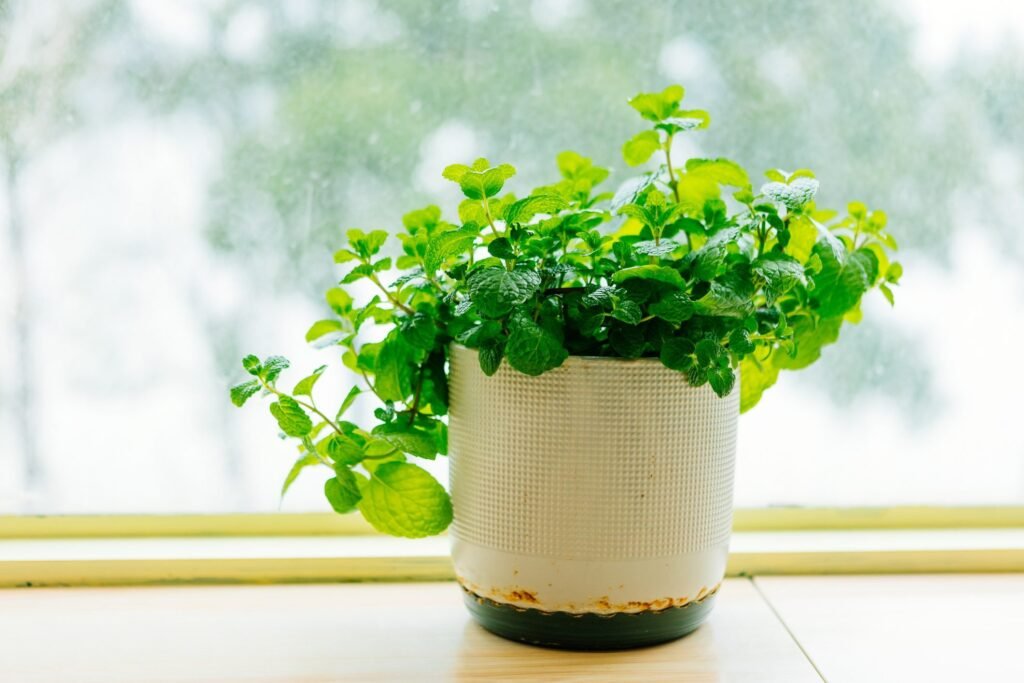
1. Watering
- Keep the soil consistently moist, especially during dry spells.
- Water early in the morning to avoid fungal infections.
2. Fertilizing
- Apply organic compost or liquid fertilizers every 4–6 weeks.
- Avoid over-fertilizing, which can reduce the aroma and flavor of leaves.
3. Pruning and Harvesting
- Regular pruning encourages bushier growth and prevents flowering, which can reduce leaf quality.
- Harvest leaves by cutting stems about 1–2 inches above the soil.
- Frequent harvesting promotes continuous growth and higher yield.
4. Sunlight and Temperature
- Mint grows best in temperatures between 55–70°F (13–21°C).
- In hotter climates, provide partial shade or move containers indoors during peak afternoon heat.
5. Pest and Disease Management
- Aphids, spider mites, and whiteflies: Spray neem oil or mild insecticidal soap.
- Powdery mildew: Ensure good air circulation and avoid overcrowding.
- Root rot: Use well-draining soil and avoid excessive watering.
Creative Gardening Ideas with Mint
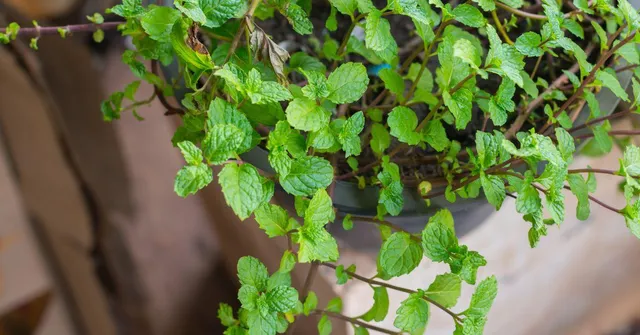
- Vertical Gardening
- Use wall-mounted pots or vertical planters for space-saving gardening.
- Ideal for balconies, terraces, and small indoor spaces.
- Herb Garden Combo
- Mix mint with other kitchen herbs like basil, coriander, or parsley in one container.
- This maximizes space and provides a variety of fresh herbs for cooking.
- Hanging Baskets
- Grow mint in hanging baskets to save ground space.
- The cascading growth creates a decorative and functional display.
- Indoor Gardening
- Mint grows well near sunny windows or under grow lights.
- Indoor cultivation ensures fresh leaves year-round, especially in colder climates.
- DIY Mint Garden
- Create small herb corners in your kitchen or balcony using pots, jars, or recycled containers.
- Label each variety for easy identification and aesthetic appeal.
Harvesting and Using Mint Leaves
- Harvest leaves when plants are 4–6 inches tall.
- Use fresh leaves immediately or store in the refrigerator for a few days.
- For longer storage, dry leaves or freeze them in ice cube trays with water.
- Culinary uses include teas, smoothies, sauces, salads, desserts, garnishing, and flavoring dishes.
Benefits of Growing Mint at Home
- Freshness and Flavor: Enjoy aromatic, fresh leaves any time.
- Health Benefits: Supports digestion, immunity, and respiratory health.
- Cost-Effective: Reduces the need for store-bought herbs.
- Easy to Grow: Hardy and fast-growing, suitable for beginners.
- Aesthetic Appeal: Mint adds greenery and beauty to containers, balconies, and gardens.
- Sustainable Living: Reduces dependence on commercially grown herbs and promotes organic gardening.
Conclusion
Mint leaves cultivation at home is a simple, rewarding, and sustainable gardening practice. With its easy propagation methods, minimal care requirements, and continuous harvest, mint is perfect for both novice and experienced gardeners. Whether grown in containers, hanging baskets, or small garden beds, mint not only enhances your kitchen garden’s beauty but also provides a fresh and aromatic supply of leaves for culinary and medicinal use.
By following proper planting, watering, pruning, and harvesting techniques, you can enjoy a lush, aromatic mint garden year-round. Creative setups such as vertical gardening, indoor pots, and mixed herb containers allow you to maximize space and enjoy the benefits of this versatile herb.
Growing mint at home ensures that you have a constant supply of fresh, flavorful, and chemical-free leaves while promoting a healthy, green, and sustainable lifestyle. Start cultivating mint today and experience the joy of nurturing your own fragrant, vibrant herb garden!