Adding flowering branches to your garden or home is one of the simplest ways to bring color, fragrance, and beauty into your space. Did you know you can propagate almost any flower branch at home without complicated equipment or expensive supplies? With a few simple techniques, you can grow lush, healthy flowering plants from cut branches, even if you are a beginner.
In this guide, we’ll explore how to select branches, propagate them, care for them, and enjoy their blooms, making flower gardening accessible, fun, and rewarding for everyone.
🌿 Why Grow Flower Branches at Home?
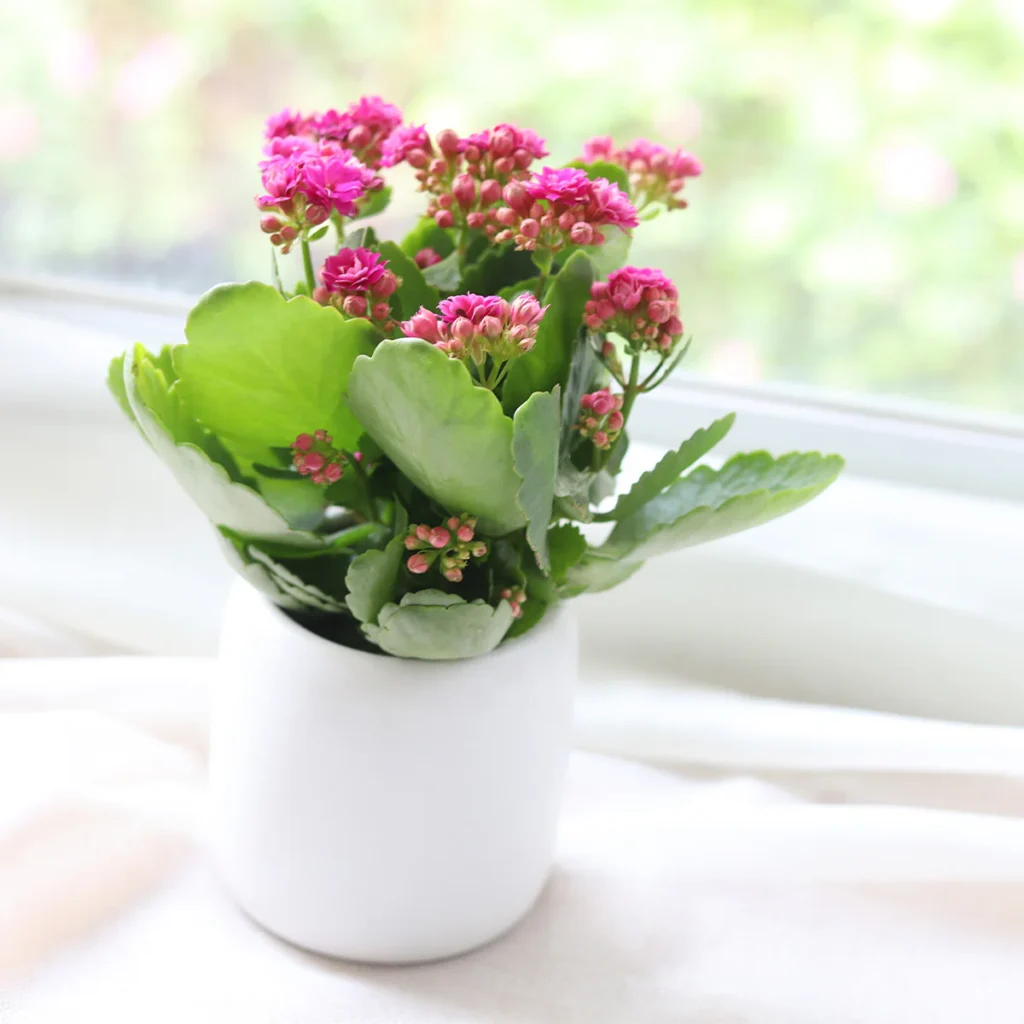
Growing flower branches at home is not only beautiful but also practical:
- Cost-effective: You can propagate flowers from existing plants without buying seeds or new saplings.
- Fast results: Branch propagation often grows faster than seeds.
- Easy and beginner-friendly: No advanced gardening skills required.
- Versatile: Can be grown in pots, garden beds, or as indoor decorative plants.
- Sustainable: Reuses plant material that might otherwise be discarded.
Flowering branches can include roses, hibiscus, bougainvillea, jasmine, and marigolds, making your home or garden vibrant year-round.
🌱 Choosing the Right Flower Branches
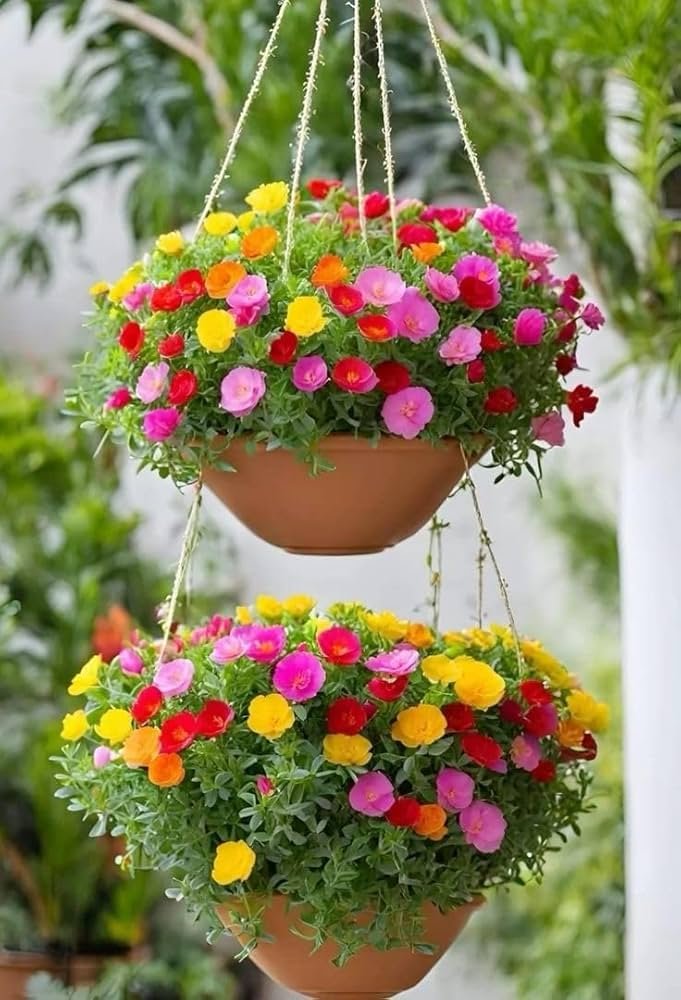
Not all branches are suitable for propagation. Choosing healthy, disease-free branches is the first step toward success.
Tips for Selecting Branches:
- Choose semi-hardwood or softwood branches from healthy plants.
- Look for new growth with at least 2–4 leaves.
- Avoid branches with flowers or buds initially—they can drain energy from root development.
- Cut with clean, sharp pruning shears to avoid damage.
By selecting the right branches, you increase the chances of successful rooting and faster growth.
✂️ Preparing Flower Branches for Planting
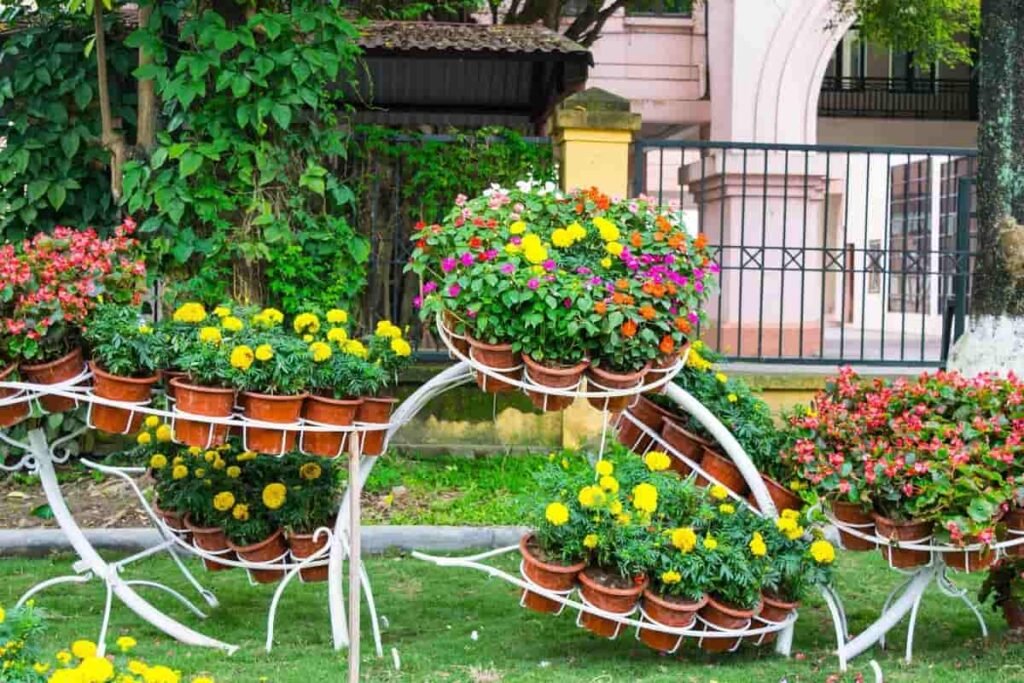
Proper preparation ensures that branches develop roots quickly and grow healthy.
Step-by-Step Preparation:
- Cut 4–6 inch sections from healthy branches.
- Remove lower leaves, keeping 2–3 leaves at the top.
- Optional: Dip the cut end in rooting hormone powder to stimulate root growth.
- Prepare a potting medium using a mix of garden soil, sand, and compost for drainage and nutrients.
Tip: Moist soil helps branches develop roots faster. Keep the soil slightly damp, not waterlogged.
🪴 Planting Flower Branches in Pots or Soil
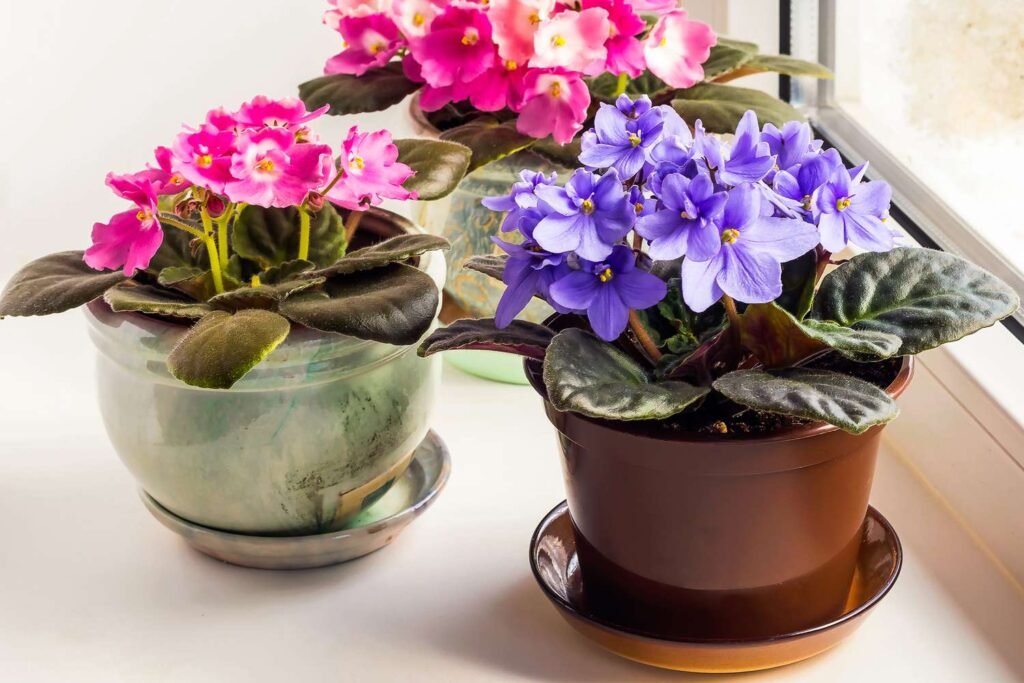
You can propagate branches indoors or outdoors, depending on space and climate.
Pot Method:
- Use a small container or pot with drainage holes.
- Fill with a well-draining soil mix.
- Insert the branch about 1–2 inches deep.
- Firm the soil around the branch to prevent it from wobbling.
- Place in indirect sunlight initially to reduce stress.
Garden Bed Method:
- Dig a small hole in prepared soil.
- Insert the branch and cover with soil, firming gently.
- Water lightly and protect with mulch to retain moisture.
💧 Watering and Moisture Care
Moisture is crucial for rooting, but overwatering can cause rot.
- Water daily or every other day, depending on climate.
- Keep the soil moist but not soggy.
- Use a spray bottle for gentle watering, especially for delicate branches.
- Cover young branches with a plastic sheet or transparent bottle to maintain humidity if needed.
Tip: High humidity improves rooting success for softwood branches.
☀️ Sunlight and Temperature Requirements
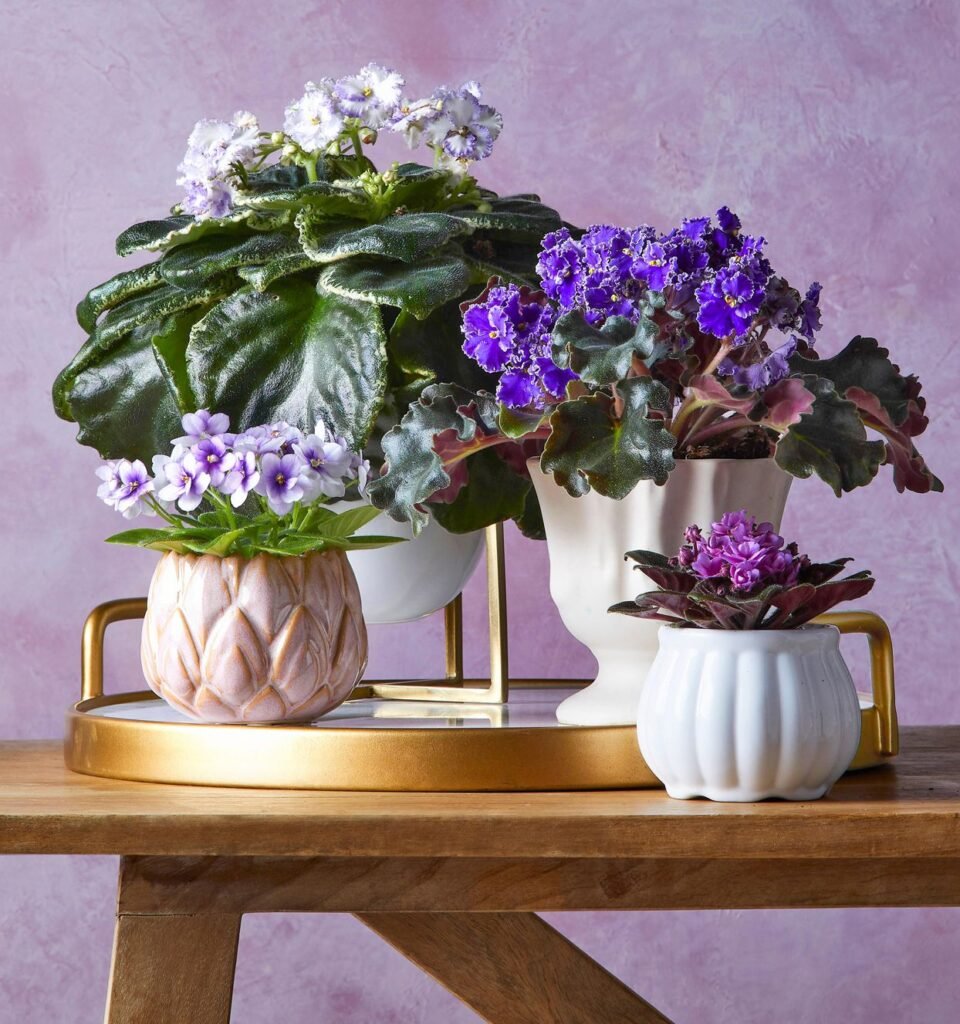
Flower branches need the right environment to root and grow:
- Indirect sunlight for the first 1–2 weeks to prevent stress.
- Gradually introduce 4–6 hours of sunlight daily once roots develop.
- Optimal temperature: 20°C–28°C for most flowering branches.
- Avoid extreme cold or heat during propagation.
Providing ideal conditions ensures faster root formation and stronger plants.
🌿 Rooting Time and Signs of Success
Different plants take varying times to develop roots:
- Softwood branches (e.g., hibiscus, marigold): 1–2 weeks
- Semi-hardwood branches (e.g., bougainvillea, jasmine): 2–4 weeks
- Hardwood branches (e.g., roses, gardenia): 4–6 weeks
Signs of Successful Rooting:
- New leaf growth at the top of the branch
- Resistance when gently tugging the branch
- Roots visible through transparent pots or after slight soil uncovering
Once roots are established, the branch can be transplanted to a larger pot or garden bed.
🪴 Transplanting and Plant Care
After roots develop, transplanting ensures continued growth:
- Prepare a larger pot or garden space with rich, well-draining soil.
- Carefully remove the branch from the propagation medium.
- Plant at the same depth as before.
- Water immediately and continue daily care.
Ongoing Care Tips:
- Fertilize monthly with organic compost or liquid fertilizer.
- Prune regularly to encourage bushy growth.
- Monitor for pests such as aphids, mites, or caterpillars.
- Mulch around the base to retain moisture and control weeds.
🌸 Types of Flower Branches You Can Easily Propagate
1. Hibiscus
- Large, vibrant blooms
- Softwood branches root easily
- Full sun and moderate watering needed
2. Bougainvillea
- Semi-hardwood branches
- Thrive in bright sunlight
- Requires well-drained soil
3. Jasmine
- Softwood branches
- Fragrant flowers
- Prefers indirect sunlight initially
4. Roses
- Semi-hardwood or hardwood cuttings
- Beautiful blooms for garden or balcony
- Requires nutrient-rich soil and regular pruning
5. Marigolds
- Softwood branches
- Easy to root
- Bright, vibrant flowers for beds or pots
🐛 Pests and Disease Management
Flower branches are susceptible to common pests:
- Aphids: Spray neem oil or soap solution
- Spider mites: Wash leaves gently with water
- Whiteflies: Use yellow sticky traps or neem spray
Disease Prevention Tips:
- Avoid waterlogging to prevent root rot
- Maintain good air circulation
- Remove damaged or diseased leaves immediately
🌟 Benefits of Growing Flower Branches at Home
- Cost-effective: Propagate your favorite flowers without buying new plants.
- Fast results: Enjoy blooms faster than growing from seeds.
- Eco-friendly: Reduces plant waste and promotes sustainable gardening.
- Decorative: Adds instant beauty to homes, balconies, and gardens.
- Therapeutic: Gardening reduces stress and promotes relaxation.
🔁 Tips for Year-Round Flower Beauty
- Propagate multiple branches for a continuous supply of flowers.
- Rotate plants for sunlight exposure and airflow.
- Harvest flowers carefully without damaging branches.
- Reuse branches from pruning to start new plants.
This ensures a never-ending supply of beautiful flowers throughout the year.
🌿 Final Thoughts
Propagating flower branches at home is easy, cost-effective, and rewarding. With a few simple steps—choosing the right branches, preparing them, proper watering, and sunlight—you can grow lush, flowering plants in pots, garden beds, or balconies.
From hibiscus to roses, jasmine to bougainvillea, any flower branch can be rooted successfully with basic care and attention. Not only does this enhance the beauty of your garden or home, but it also promotes sustainable and eco-friendly gardening practices.
Start today, and you’ll soon enjoy a home filled with vibrant, colorful, and fragrant flowers, all grown easily from simple branches.