Mint is one of the most popular and versatile herbs in the world. Its refreshing aroma, vibrant green leaves, and incredible health benefits make it a must-have in every kitchen garden. Whether you’re using it for teas, cooking, garnishing, or medicinal purposes, growing mint at home ensures a constant supply of fresh, healthy leaves without relying on store-bought herbs.
In this guide, we’ll cover everything from choosing the right mint variety, preparing soil and containers, planting, caring, harvesting, and using mint leaves. By the end, you’ll have all the tools to cultivate a thriving mint garden at home.
🌱 Why Grow Mint at Home?
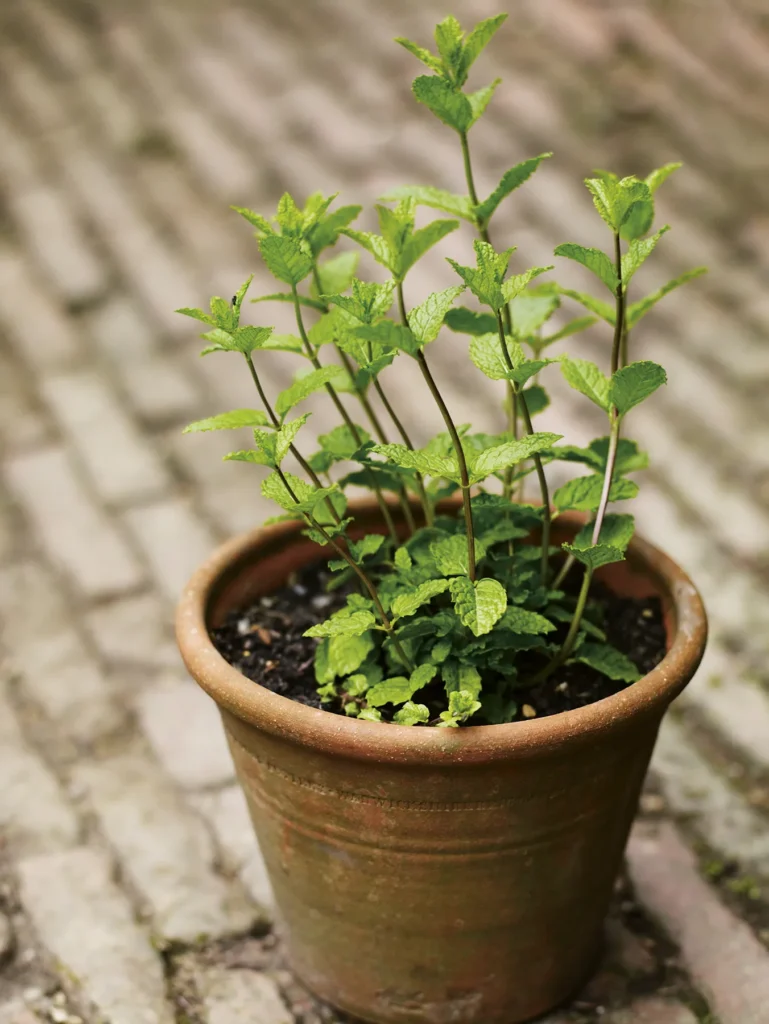
Mint is more than just a culinary herb—it’s a powerhouse of health benefits. Here’s why home cultivation is a great idea:
Benefits of Growing Mint at Home
- Health Boosting: Rich in antioxidants, aids digestion, relieves headaches, and supports oral health.
- Cost-Effective: Avoids the need to buy fresh mint regularly.
- Eco-Friendly: Reduces packaged herb purchases, minimizing plastic waste.
- Easy to Grow: Thrives in pots, gardens, or even indoor spaces.
- Aromatic and Attractive: Its strong fragrance enhances the ambiance of your home or garden.
🌿 Choosing the Right Variety of Mint
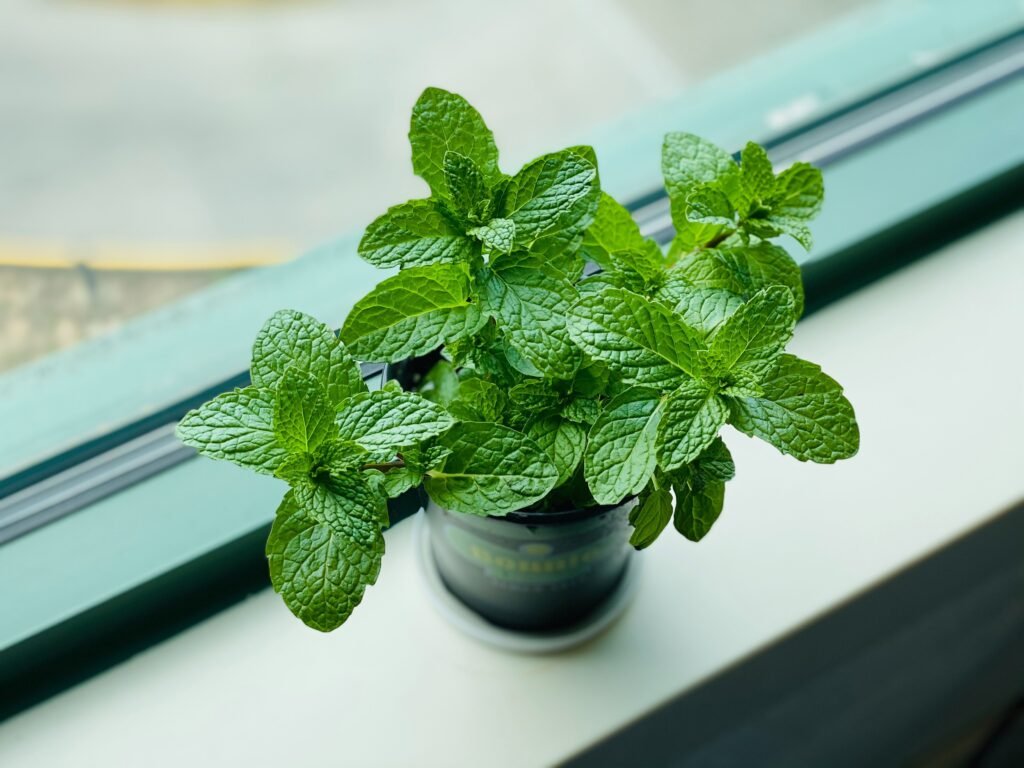
There are multiple mint varieties, each with a unique flavor and aroma. The most common types suitable for home gardening include:
- Spearmint (Mentha spicata): Mild and sweet, perfect for teas, salads, and garnishes.
- Peppermint (Mentha × piperita): Strong, cooling flavor, ideal for beverages and medicinal use.
- Chocolate Mint: Slight chocolate aroma, fun for desserts and drinks.
- Apple Mint: Mild fruity flavor, excellent for culinary uses and teas.
For beginners, spearmint or peppermint are easiest to grow and maintain.
🪴 Best Containers for Mint Cultivation
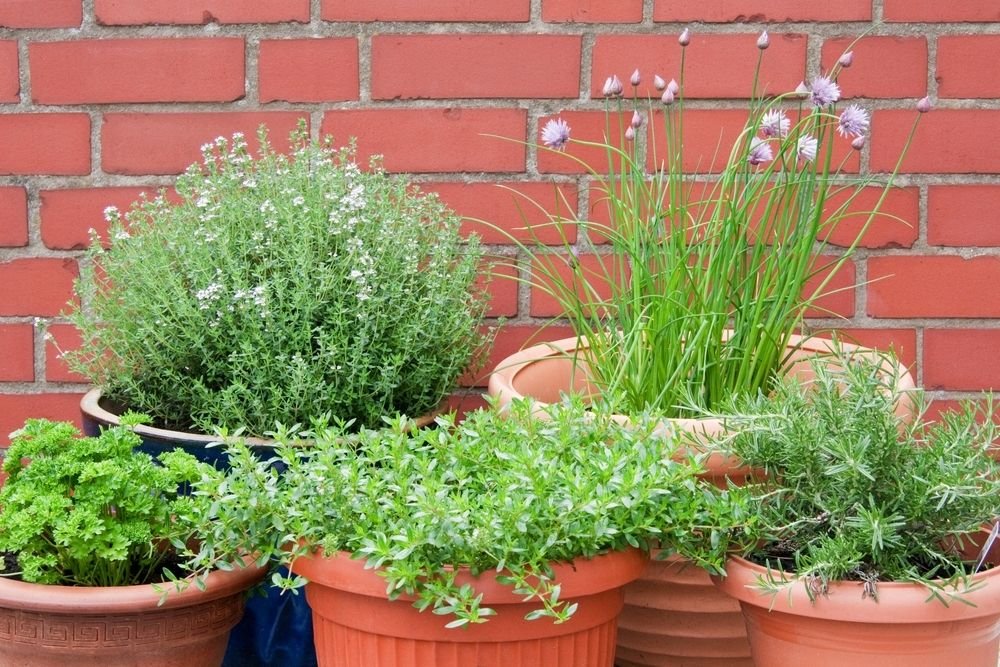
Mint is a fast-growing herb with a tendency to spread aggressively. Using containers helps control its growth.
Container Options:
- Plastic pots (8–12 inches deep)
- Clay or ceramic pots
- Grow bags
- Wooden planters
Tip: Make sure the container has drainage holes to prevent waterlogging. Mint roots rot easily if water accumulates.
🌱 Soil Preparation for Mint Plants
Mint prefers moist, fertile, and well-draining soil.
Ideal Soil Mix for Mint:
- 40% garden soil
- 30% compost or vermicompost
- 20% cocopeat or peat moss
- 10% sand for drainage
Mint grows best in soil with pH 6.0–7.0, and adding organic compost provides nutrients for lush green leaves.
✂️ Planting Mint: Seeds or Cuttings?
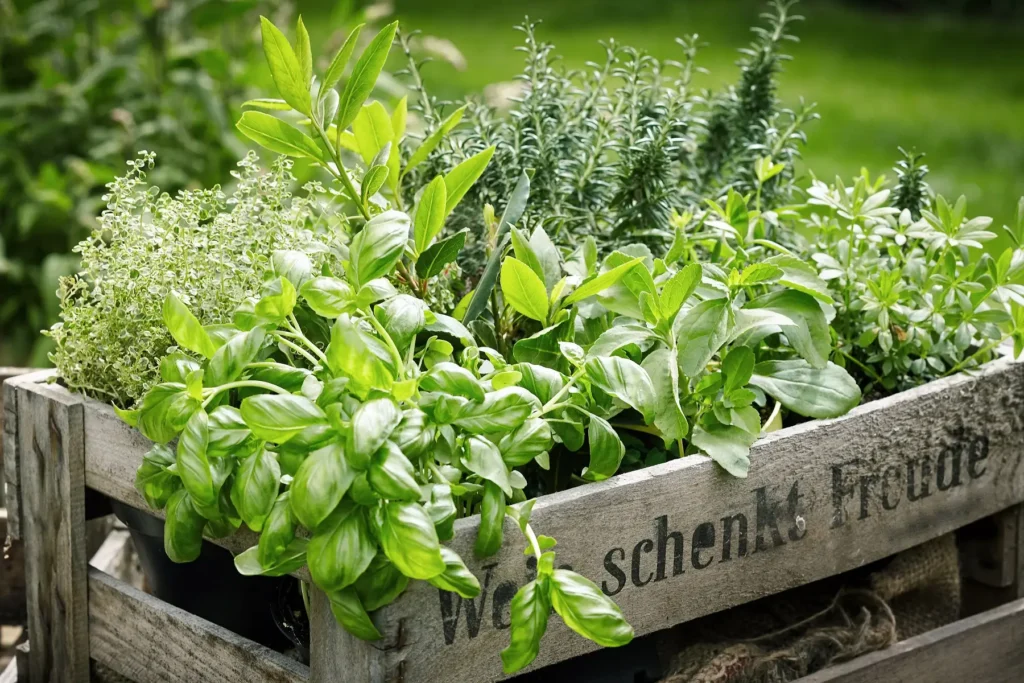
Mint can be propagated using seeds, cuttings, or runners.
1. Growing from Cuttings:
- Take a healthy 4–6 inch stem from a mature mint plant.
- Remove lower leaves and dip the cut end in water or rooting hormone.
- Plant directly in soil or in a small glass of water until roots develop (7–10 days).
- Transplant into pots once roots are strong.
2. Growing from Seeds:
- Sow seeds ½ cm deep in a seed tray or small pot.
- Keep soil moist and warm; germination takes 7–14 days.
- Transplant seedlings after 4–6 leaves appear.
Tip: Cuttings are faster, more reliable, and retain the same flavor as the parent plant.
☀️ Sunlight Requirements
Mint grows well in both full sun and partial shade, making it highly adaptable.
- Ideal: 4–6 hours of sunlight daily
- Hot climates: Provide afternoon shade to prevent leaf burn
- Indoor growth: Place near a sunny window or under grow lights
💧 Watering Tips for Healthy Mint Leaves
Mint prefers consistently moist soil but not soggy.
- Water lightly every day in hot weather
- Reduce watering during cooler months
- Use a drip system or water gently to avoid washing soil away
- Mulch with straw or dry leaves to retain moisture
Tip: Overwatering leads to root rot; under-watering causes leaves to wilt and lose flavor.
🐛 Pest and Disease Management
Mint is relatively resistant to pests, but some issues may appear:
Common Pests
- Aphids: Spray neem oil solution
- Spider mites: Keep humidity moderate and spray water on leaves
- Whiteflies: Use insecticidal soap or neem oil
Diseases
- Powdery mildew: Avoid overhead watering and ensure air circulation
- Root rot: Ensure drainage and avoid waterlogged soil
🌿 Fertilizing Mint Plants
Mint is a fast-growing herb and benefits from light feeding:
- Apply organic compost every 3–4 weeks
- Use liquid organic fertilizers like cow dung slurry or vermicompost tea once a month
- Avoid excessive nitrogen fertilizers—they promote leaf growth but reduce flavor
✂️ Pruning and Harvesting Mint Leaves
Regular harvesting keeps mint healthy and promotes bushier growth.
How to Harvest:
- Pinch or cut stems just above the second pair of leaves
- Harvest in the morning when leaves are most aromatic
- Remove flowers if you want to focus on leaf growth
Tip: Frequent pruning encourages new growth and prevents mint from becoming leggy.
🥗 Uses of Fresh Mint Leaves
Mint leaves are highly versatile in culinary and medicinal applications:
Culinary Uses:
- Mint tea or iced drinks
- Salads and raita
- Garnish for soups, desserts, and curries
- Mint chutney and sauces
Medicinal Uses:
- Aids digestion and relieves bloating
- Reduces headaches and nausea
- Soothes sore throats
- Freshens breath naturally
Storage Tip: Mint leaves can be frozen or dried to preserve flavor for months.
🔁 Continuous Growth Tips
To ensure a constant supply of fresh mint:
- Harvest regularly
- Replant cuttings periodically
- Divide mature plants every 6–8 months to prevent overcrowding
- Rotate containers for optimal sunlight and airflow
🌟 Tips for Thriving Home Mint Garden
- Use healthy cuttings or seeds from trusted sources
- Provide consistent water and sunlight
- Avoid overcrowding; mint spreads quickly
- Mulch to retain soil moisture and prevent weeds
- Monitor for pests regularly
- Harvest before flowers appear for maximum leaf quality
🌿 Final Thoughts
Growing mint at home is easy, rewarding, and sustainable. With just a few pots, quality soil, and some regular care, you can enjoy fresh, aromatic mint leaves year-round. Not only does homegrown mint save money, but it also enhances your cooking, supports your health, and brings greenery into your home environment.
Whether you are a seasoned gardener or a beginner looking to start with a simple herb, mint is the perfect choice for cultivating healthy, flavorful leaves at home. Start today, and you’ll soon experience the joy of plucking fresh mint leaves straight from your garden for tea, cooking, and natural remedies.
Fresh, healthy, and aromatic—your homegrown mint garden is just a few steps away!