Yardlong beans, also known as asparagus beans, long-podded beans, or snake beans, are a versatile and nutritious vegetable that can be easily grown at home. Known for their crisp texture, sweet taste, and impressive length, these beans are a favorite in Asian and tropical cuisines. With the right techniques, you can cultivate yardlong beans in your garden, balcony, or even in containers, enjoying fresh, organic beans all year round.
This comprehensive guide will take you through selecting seeds, preparing soil, planting, care, harvesting, and cooking ideas, making it easy for beginners and seasoned gardeners alike.
🌿 Why Grow Yardlong Beans at Home?
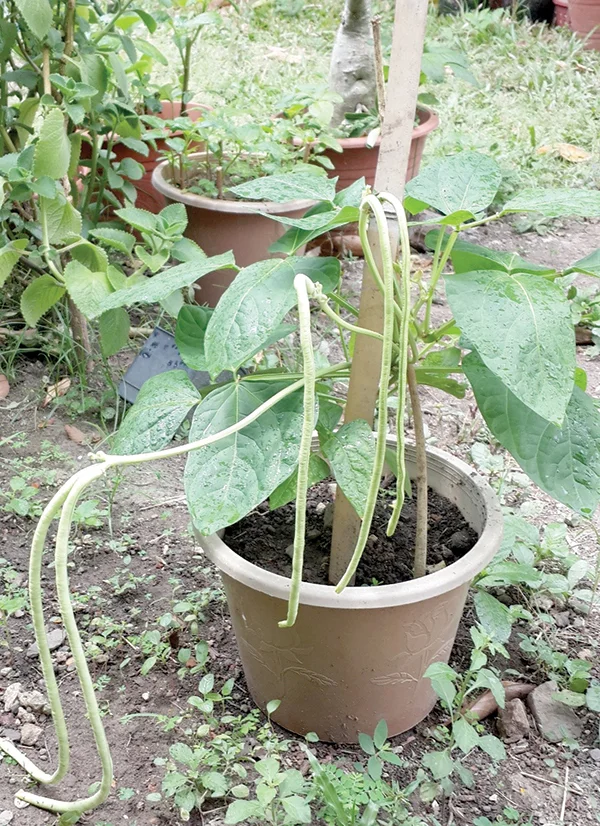
Home cultivation of yardlong beans has numerous advantages:
- Freshness and flavor: Enjoy beans straight from your garden, free from pesticides.
- Nutritional value: High in fiber, protein, vitamins A and C, and minerals like iron and calcium.
- Space-efficient: Can grow vertically, making them perfect for small yards or balconies.
- Continuous harvest: With proper care, they produce beans for several months.
- Cost-effective: Grow your own instead of buying expensive imported beans.
In addition to their culinary value, yardlong beans are also visually appealing with lush green vines and climbing tendrils, enhancing the beauty of your garden.
🪴 Choosing the Right Variety
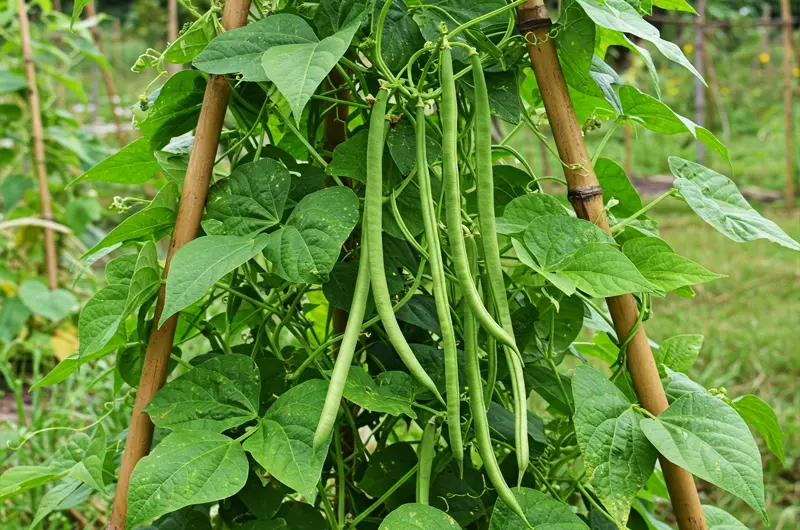
Several varieties of yardlong beans are suitable for home cultivation:
- Red Yardlong Beans: Distinct red pods, slightly sweeter taste.
- Green Yardlong Beans: Most common, long green pods.
- Black Yardlong Beans: Unique dark pods, flavorful in stir-fries.
For beginners, green yardlong beans are the easiest and most widely available variety. Choose seeds from a reputable source to ensure high germination rates.
🌱 Soil Preparation
Yardlong beans thrive in well-draining, fertile soil with a slightly acidic to neutral pH (6.0–7.0).
Step-by-Step Soil Preparation:
- Select a sunny spot that receives 6–8 hours of sunlight daily.
- Clear the area of weeds and debris.
- Loosen the soil to a depth of 8–12 inches.
- Mix in organic compost or well-rotted manure to enrich the soil.
- Add a handful of bone meal or neem cake for additional nutrients.
Container Gardening Tip:
- Use deep containers or grow bags (12–18 inches) for vertical growth.
- Ensure the container has drainage holes to prevent waterlogging.
✂️ Planting Yardlong Beans
Yardlong beans are climbing plants, so they need support.
Steps for Planting Seeds:
- Soak seeds in warm water for 6–8 hours to enhance germination.
- Plant seeds 1–2 inches deep in the soil, spacing them 4–6 inches apart.
- If planting in rows, space rows about 2–3 feet apart for airflow and sunlight.
- Water gently after planting to keep the soil moist.
Supporting Your Vines:
- Provide trellises, bamboo poles, or strings for vines to climb.
- Vertical growth saves space and improves air circulation, reducing disease risk.
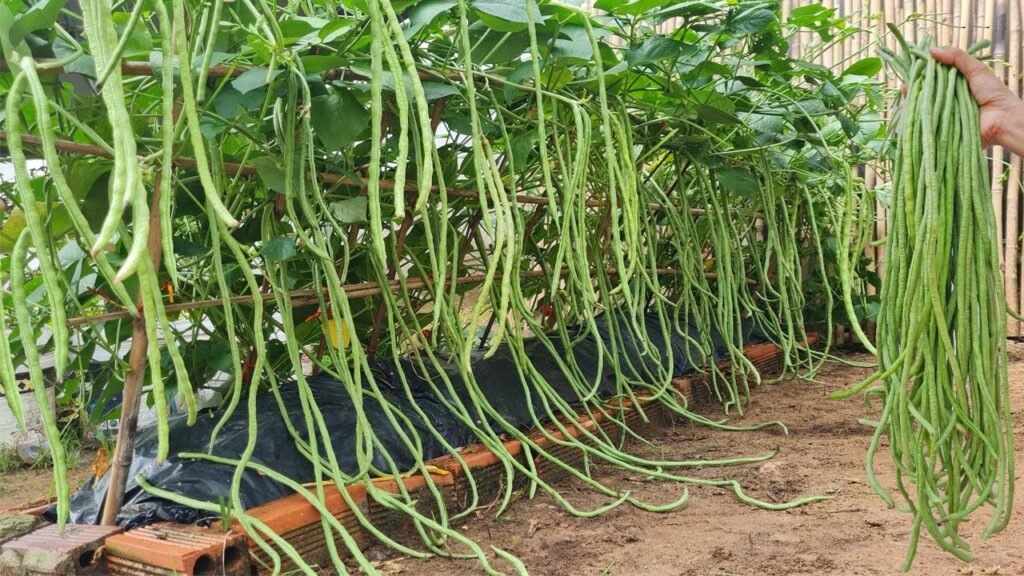
💧 Watering and Moisture Management
Yardlong beans need consistent moisture, especially during flowering and pod formation:
- Water regularly: Keep soil moist but not waterlogged.
- Mulch: Apply organic mulch to retain soil moisture and control weeds.
- Avoid overhead watering: Use drip or base watering to reduce fungal diseases.
Tip: Proper watering ensures longer pods and continuous flowering.
☀️ Sunlight and Climate Requirements
Yardlong beans thrive in warm, sunny climates:
- Temperature: 20°C–35°C is ideal
- Avoid frost or very cold nights; beans may fail to flower or produce pods.
- For cooler regions, grow in greenhouses or indoors near a sunny window.
Providing optimal conditions ensures healthy vines and maximum yields.
🌿 Fertilization
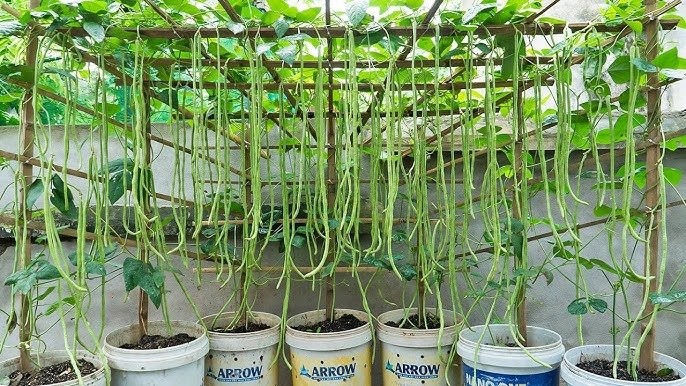
Yardlong beans are nitrogen-fixing plants, meaning they enrich the soil naturally, but supplemental nutrients help growth:
- Apply compost or vermicompost every 3–4 weeks.
- Use organic liquid fertilizers like cow dung slurry or seaweed extract for extra growth.
- Avoid excessive nitrogen fertilizers, as they promote leaf growth but reduce flowering.
Tip: Side-dress with compost when plants begin flowering to boost pod production.
🐛 Pest and Disease Management
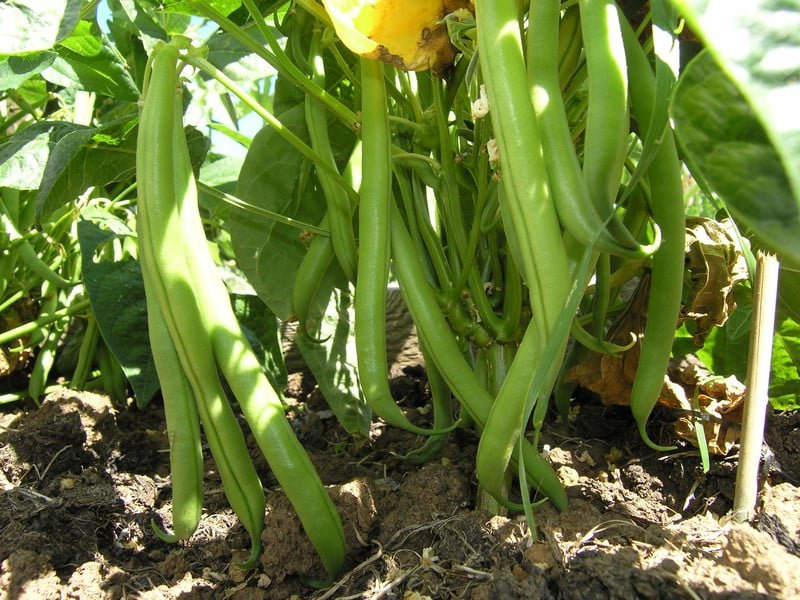
Yardlong beans are relatively hardy but can be affected by pests:
Common Pests
- Aphids: Spray neem oil or soap solution
- Red spider mites: Wash leaves with water and use neem extract
- Fruit flies or pod borers: Cover flowers with mesh or use traps
Common Diseases
- Powdery mildew: Avoid overhead watering and improve air circulation
- Root rot: Ensure proper drainage
- Leaf spots: Remove affected leaves and use organic fungicides
Consistent monitoring prevents infestations and ensures high yields.
🌸 Harvesting Yardlong Beans
Yardlong beans grow rapidly, and timing is key for tender, crisp pods:
- Pods are ready to harvest 60–70 days after planting.
- Harvest when pods are 12–18 inches long, tender, and still bright green.
- Pick regularly to encourage continuous flowering and pod production.
Tip: Frequent harvesting prevents pods from becoming tough and woody.
🥗 Culinary Uses of Yardlong Beans
Yardlong beans are versatile in the kitchen:
- Stir-fries with garlic, soy sauce, or chili
- Steamed or boiled for salads and side dishes
- Curries, soups, or mixed vegetable dishes
- Pickled or sautéed as a healthy snack
Freshly harvested beans are crisp, flavorful, and nutrient-rich.
🔁 Continuous Growth Tips
To maintain a productive yardlong bean garden:
- Succession planting: Sow seeds every 3–4 weeks for year-round harvest.
- Rotate crops: Prevent soil depletion and reduce pests.
- Regular pruning: Remove yellow or damaged leaves to improve airflow.
- Trellis maintenance: Ensure support structures remain sturdy for climbing vines.
This approach ensures consistent yields and healthy plants.
🌟 Benefits of Growing Yardlong Beans at Home
- Health benefits: Rich in fiber, protein, vitamins, and minerals
- Eco-friendly: Organic cultivation reduces pesticide use
- Cost-effective: Less dependency on market-bought vegetables
- Decorative: Long vines and flowering nodes enhance garden aesthetics
- Satisfying hobby: Gardening promotes mental wellness and outdoor activity
🌿 Final Thoughts
Yardlong beans are easy to grow, highly productive, and visually appealing, making them an excellent choice for home gardens. With proper planting, trellis support, watering, and fertilization, you can enjoy fresh, tender beans for months.
Whether grown in the backyard, balcony, or in containers, yardlong beans provide a nutritious, tasty, and eco-friendly addition to your kitchen and garden. Start today, and experience the joy of harvesting your own homegrown, crisp, and flavorful yardlong beans.