Jackfruit (Artocarpus heterophyllus) is a tropical delight celebrated for its large, nutrient-rich fruits. Traditionally, jackfruit trees are propagated through seeds, cuttings, or grafting with other jackfruit varieties. However, a new and innovative technique—grafting jackfruit trees with ripe papaya—offers a fascinating approach for gardeners seeking early fruiting, faster growth, and unique experimental hybrids.
While it may seem unusual to graft two different species, certain compatibility experiments show promising results for rootstock vigor, accelerated growth, and intriguing hybrid possibilities. This guide will take you step by step through the process, care instructions, and benefits of this groundbreaking method.
🌱 Why Consider Grafting Jackfruit with Ripe Papaya?
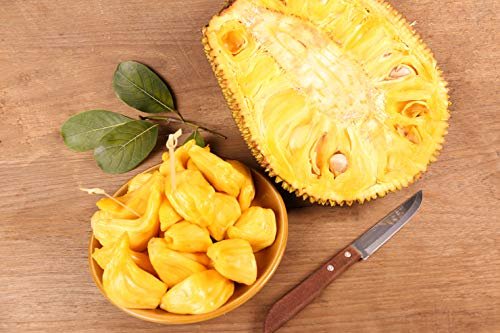
- Faster Establishment
- Papaya seedlings grow rapidly and have strong early root systems.
- Using papaya as rootstock can accelerate jackfruit tree establishment.
- Unique Experimentation
- While not producing a true hybrid fruit, this grafting method encourages cross-species compatibility studies.
- Suitable for gardeners interested in horticultural innovation.
- Resource Efficiency
- Papaya seedlings are easy to propagate from seeds, making them readily available rootstocks.
- Home Gardening Potential
- Ideal for small spaces and container gardening.
- Allows the growth of jackfruit trees even in areas where traditional rootstock is limited.
🌱 Understanding the Basics of Grafting
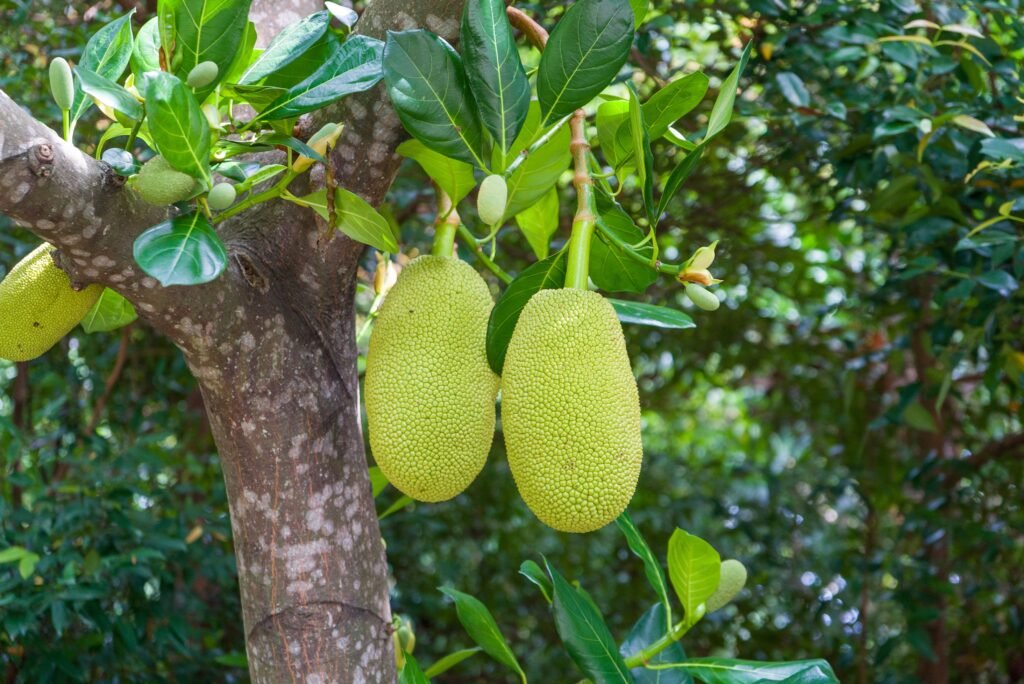
Grafting is the process of joining a scion (desired plant part) to a rootstock (base plant) so they grow together as a single plant. Success depends on:
- Compatibility: Both plants must be able to unite and support each other.
- Cambium Alignment: The green layer under the bark must touch for nutrient flow.
- Careful Technique: Proper cuts, binding, and aftercare ensure union.
In this method:
- Rootstock: Papaya seedling (preferably 3–4 months old)
- Scion: A young branch from a mature jackfruit tree
🛠 Step-by-Step Guide to Grafting Jackfruit on Papaya
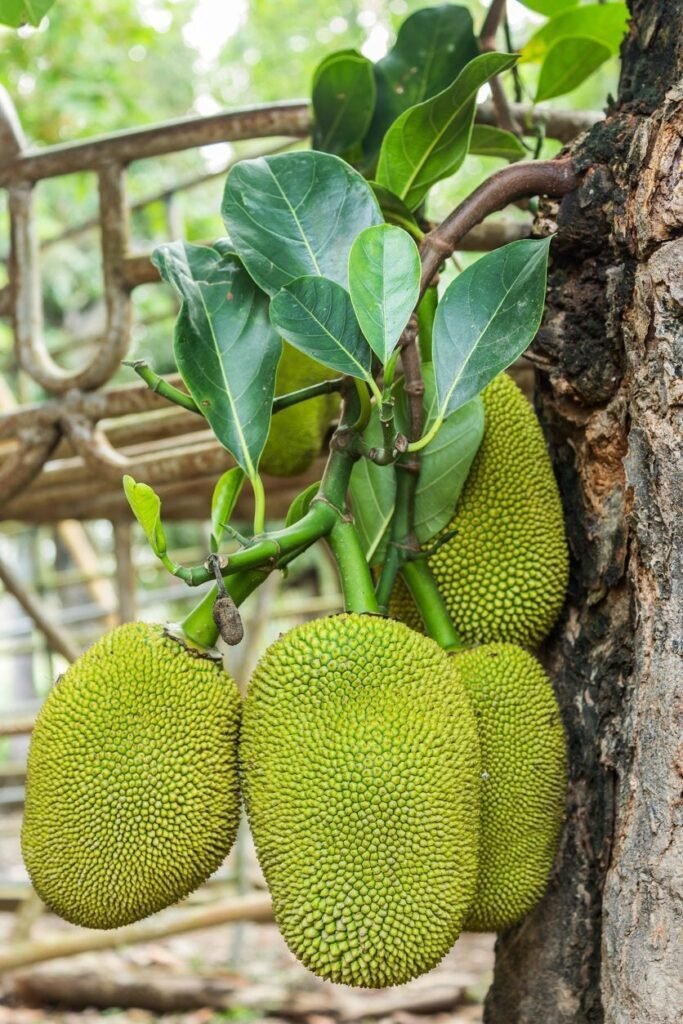
Step 1: Selecting the Right Plants
Papaya Rootstock:
- Healthy, fast-growing seedling
- Free from disease and pest damage
- 3–4 months old for sturdy roots
Jackfruit Scion:
- Ripe, young branch 6–12 inches long
- Healthy leaves and buds
- Ideally from a tree producing high-quality fruits
Tip: The health of both rootstock and scion is crucial for successful grafting.
Step 2: Preparing the Papaya Rootstock
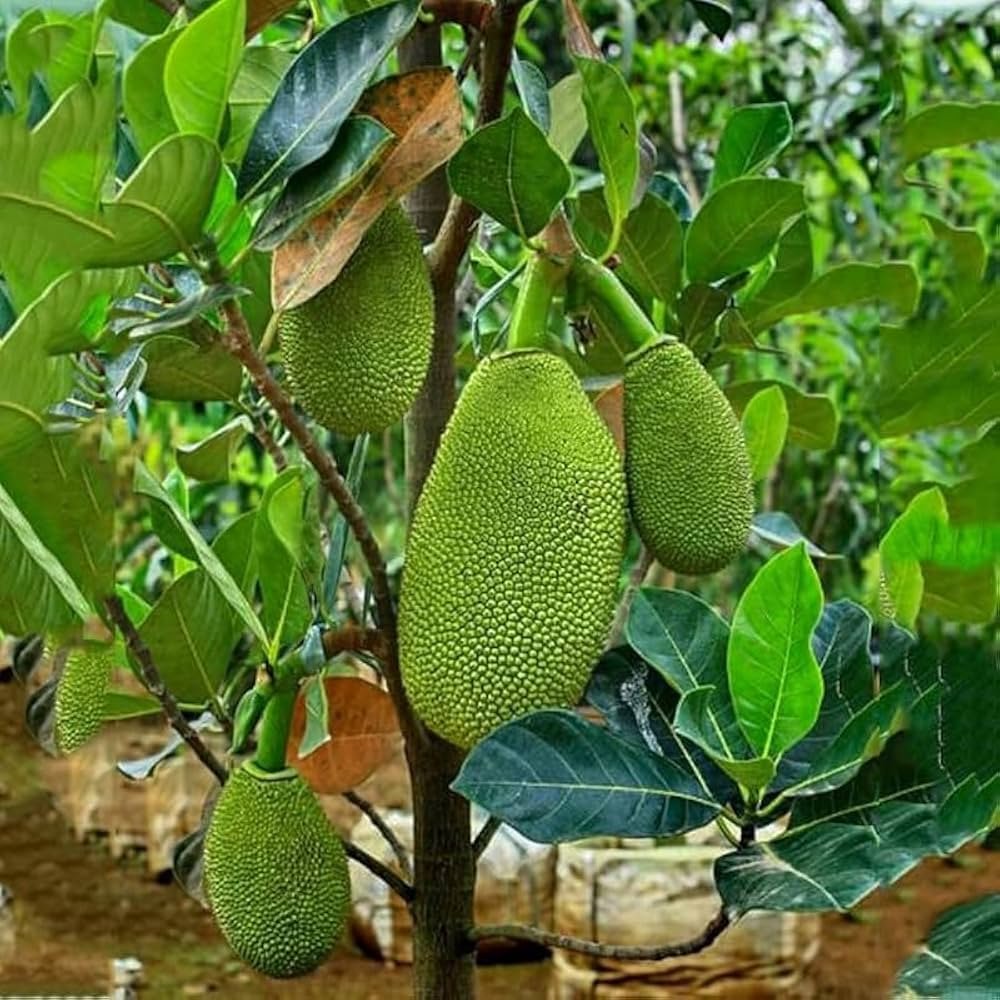
- Choose a firm, straight stem on the papaya seedling.
- Cut the top of the stem horizontally to expose a flat surface.
- Remove any leaves or small branches near the grafting site.
- Optionally, make a small slit in the stem to receive the jackfruit scion (wedge or cleft graft).
Step 3: Preparing the Jackfruit Scion
- Cut the scion into a wedge shape at the bottom for insertion into the papaya rootstock.
- Trim excess leaves to reduce water loss.
- Ensure the scion is disease-free and has at least 2–3 buds.
Tip: Use a sterilized knife or grafting tool to prevent infection.
Step 4: Joining the Scion and Rootstock
- Insert the wedge-shaped jackfruit scion into the slit on the papaya stem.
- Align the cambium layers of both plants carefully.
- Wrap the graft union with grafting tape or plastic strips to hold it firmly.
- Seal the edges with grafting wax to prevent moisture loss and infection.
Step 5: Aftercare for the Graft
- Place the grafted plant in a shaded, humid environment for 2–3 weeks.
- Water the papaya rootstock regularly but avoid waterlogging.
- Mist the scion lightly to prevent desiccation.
- Remove wrapping after 4–6 weeks once the graft shows signs of growth.
Signs of Success:
- New leaves emerging from the jackfruit scion
- Firm union at the graft site
- Healthy, vigorous growth
🌿 Challenges and How to Overcome Them
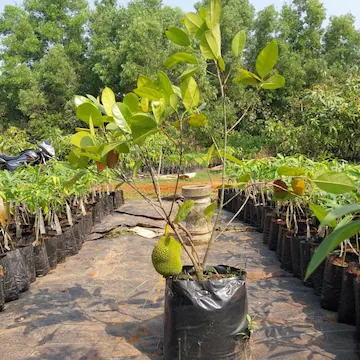
❌ Graft Rejection
- Cause: Incompatibility between papaya and jackfruit
- Solution: Ensure healthy, young rootstock and careful cambium alignment
❌ Scion Drying Out
- Cause: Low humidity or excessive sun
- Solution: Maintain shade and mist the scion regularly
❌ Pest Infestation
- Cause: Aphids or mealybugs
- Solution: Apply organic neem oil spray
❌ Slow Growth
- Cause: Weak rootstock or poor soil
- Solution: Use nutrient-rich soil and compost; water adequately
🌱 Benefits of This New Grafting Technique
- Rapid Establishment: Papaya rootstock grows quickly, providing strong early growth support.
- Innovative Experimentation: Offers gardeners a chance to study interspecies grafting.
- High Success Potential for Home Gardens: Papaya seedlings are easy to grow and widely available.
- Potential for Container Gardening: Ideal for growing jackfruit in limited spaces.
- Early Observation of Growth: Allows quicker monitoring of scion health compared to traditional jackfruit seedlings.
🌞 Ideal Conditions for Growth
- Temperature: 22–30°C for optimal growth
- Sunlight: Partial shade initially, full sun after 3–4 weeks
- Soil: Well-draining mix of garden soil, compost, and sand
- Humidity: Moderate to high for best grafting success
Tip: Avoid strong winds and extreme temperatures during the first 2–3 weeks after grafting.
🌱 Fertilization and Care
- Feed with organic compost every 30–40 days
- Apply balanced organic fertilizer after the first month of successful grafting
- Monitor for pests and diseases regularly
- Prune any dead or weak leaves on the scion to encourage strong growth
🌟 Potential Outcomes
- While jackfruit grafted onto papaya is not a true hybrid, the method allows faster scion growth and experimentation.
- Home gardeners can enjoy the visual beauty of a grafted plant and observe unique growth patterns.
- This technique is also a learning tool for horticulturists and enthusiasts experimenting with inter-species grafting.
🌳 Conclusion
Grafting jackfruit trees with ripe papaya may seem unconventional, but it is an exciting and innovative horticultural experiment. This method combines the fast growth of papaya rootstock with the fruiting potential of jackfruit, offering gardeners:
- Rapid establishment of young jackfruit plants
- Easier observation of growth and scion health
- A fun and educational gardening experience
While results may vary and true fruit production from this graft is experimental, the technique opens doors to creative gardening, interspecies horticulture, and faster propagation strategies.
For home gardeners, hobbyists, and horticulture enthusiasts, trying this method can be rewarding, educational, and inspiring, showcasing the incredible possibilities of plant grafting. 🌱🌳