Grafting is one of the most fascinating and rewarding techniques in horticulture. It allows gardeners and farmers to combine the best qualities of two different plants into a single, strong, and productive tree. One of the most intriguing innovations in fruit propagation is grafting jackfruit with oranges, a method that promises faster fruiting, unique tree characteristics, and higher yields. While these two fruits are botanically different, advanced grafting techniques can create remarkable combinations for experimental and home orchard gardening.
In this comprehensive guide, we will explore how to graft jackfruit with oranges, the benefits, step-by-step methods, care for grafted trees, and tips for achieving successful results.
Why Consider Grafting Jackfruit with Oranges?
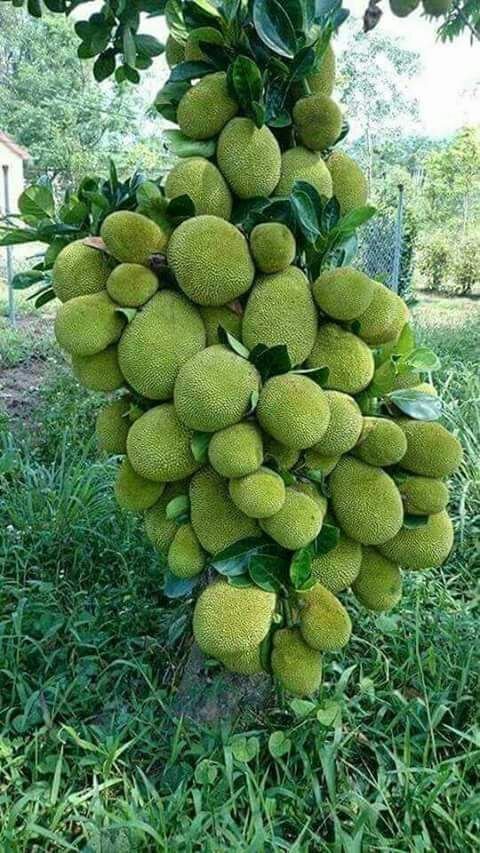
Grafting has been used for centuries to propagate trees that retain the qualities of the parent plant, while also introducing desirable traits. Here’s why this combination is intriguing:
- Early fruiting: Certain grafting techniques can accelerate fruit production compared to traditional seed-grown trees.
- Unique growth patterns: Grafted trees can display unusual but beneficial growth characteristics, creating ornamental and productive value.
- Disease resistance: Using strong rootstock can enhance resistance to pests and soil-borne diseases.
- Experimental horticulture: Perfect for gardeners and farmers looking to innovate and experiment with tropical fruit combinations.
While it may sound unusual to combine jackfruit and oranges, horticultural enthusiasts have successfully experimented with inter-generic grafting, leveraging advanced techniques to produce remarkable results.
Step 1: Choosing the Right Rootstock and Scion
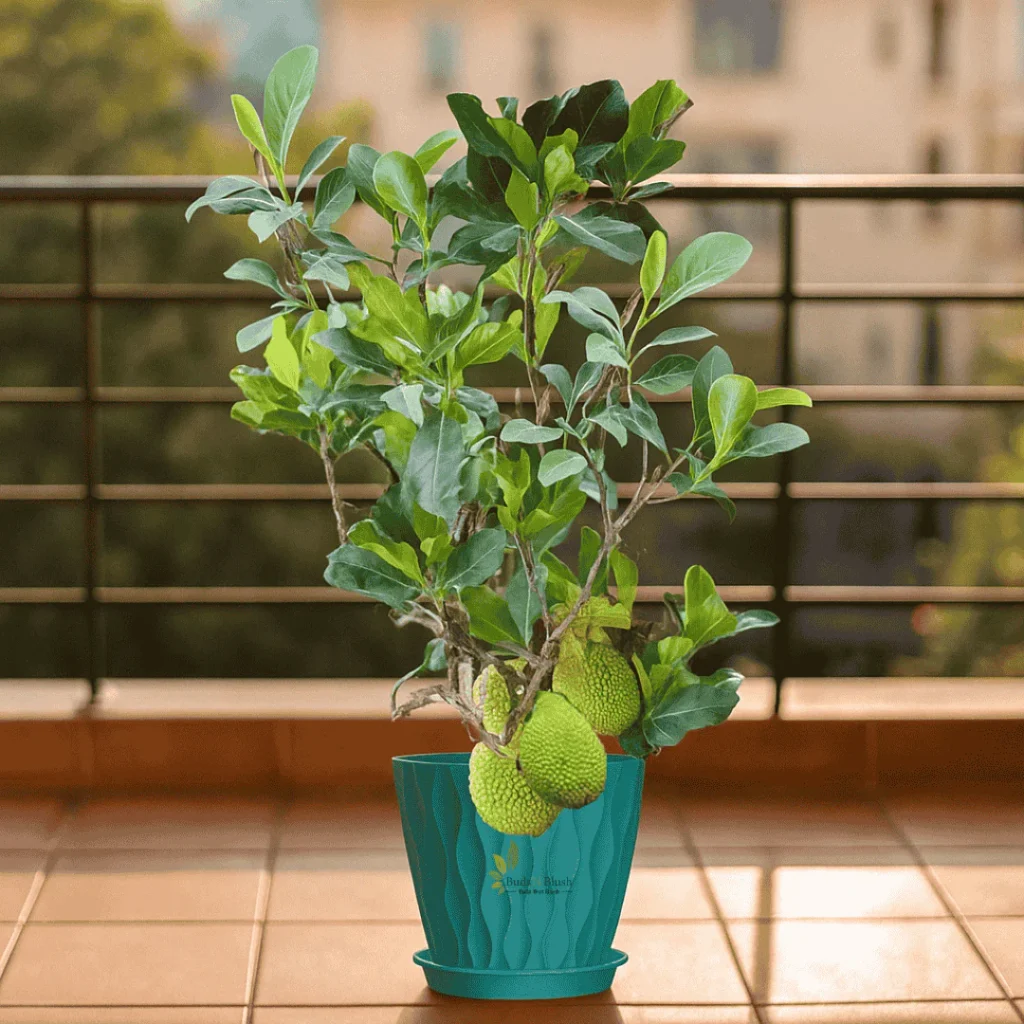
Grafting success begins with selecting healthy rootstock and scion:
Rootstock (Jackfruit)
- Choose a healthy, disease-free jackfruit tree for the rootstock.
- Young jackfruit seedlings (1–2 years old) are ideal as they establish better grafts.
- Look for vigorous growth and strong roots.
Scion (Orange)
- Select a mature, high-quality orange branch with healthy buds.
- Ensure the scion has active growth buds and is free from disease or pests.
- Choose a variety known for fruit quality, sweetness, and disease resistance.
Secret Tip: Matching the diameter of the scion and rootstock improves the success rate of grafting.
Step 2: Preparing the Rootstock and Scion
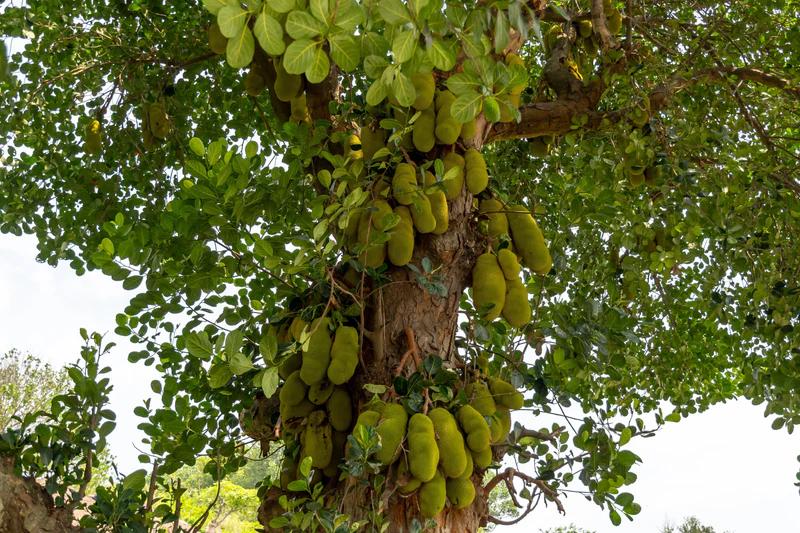
Proper preparation of both the rootstock and scion is critical for successful grafting:
Rootstock Preparation
- Trim the jackfruit rootstock to the desired height.
- Remove any leaves or small branches near the grafting site.
- Make a clean, straight cut using a sharp, sterilized knife.
Scion Preparation
- Cut a healthy orange branch with 2–3 buds.
- Trim the scion into a wedge or slanting cut for easy insertion into the rootstock.
- Ensure the scion cut is smooth and free of damage.
Secret Insight: Using a sharp, sterilized blade prevents infection and increases grafting success.
Step 3: Selecting the Grafting Method
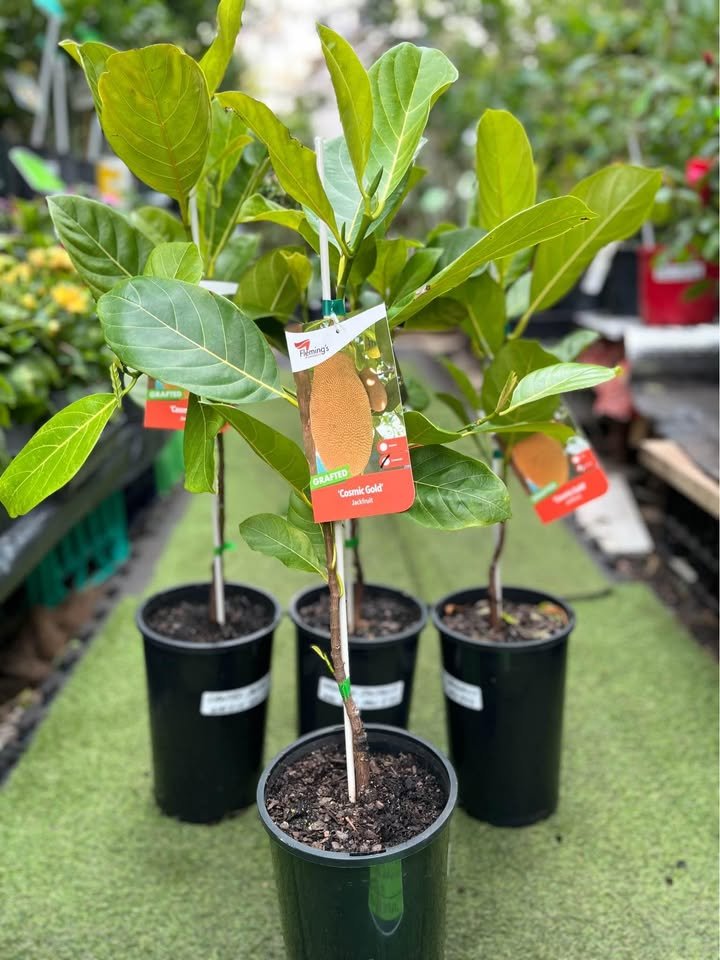
Several grafting methods can be applied depending on the size and age of the plants:
1. Side Grafting
- Ideal for young rootstocks.
- The scion is inserted into a slit on the side of the rootstock.
- Secured with grafting tape or plastic strips.
2. Cleft Grafting
- Works well when the rootstock is thicker than the scion.
- A vertical split is made in the rootstock, and the scion is inserted into the cleft.
3. Approach Grafting
- Both rootstock and scion remain partially attached to their parent plants until the graft union forms.
- Offers high success rates for experimental grafts like jackfruit and orange combinations.
Secret Tip: Using grafting wax or paraffin to cover the union protects it from drying and pests.
Step 4: Performing the Graft
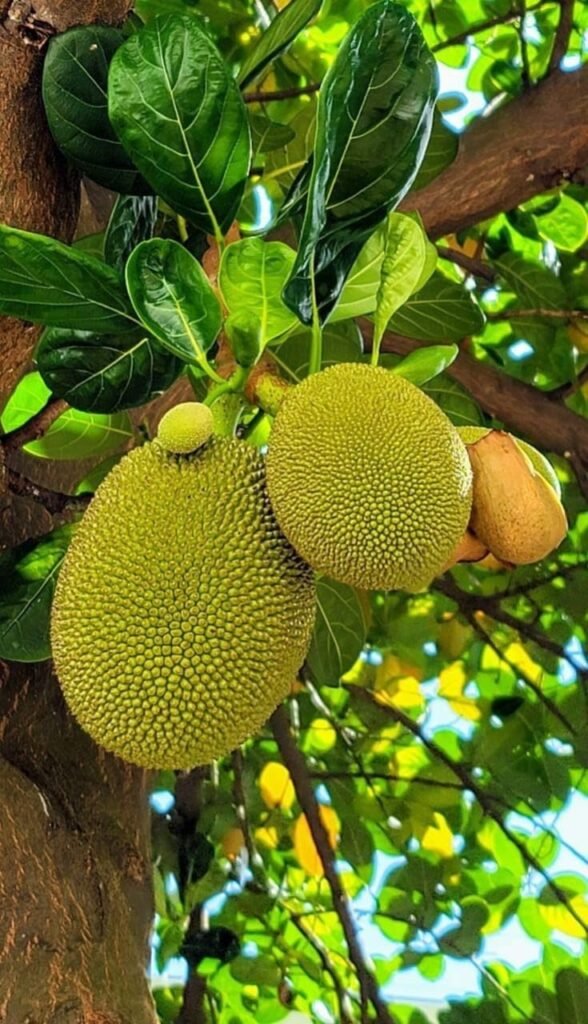
- Align the cambium layers of the scion and rootstock carefully. This is the most crucial step.
- Insert the scion into the rootstock slit or cleft.
- Wrap the graft tightly with grafting tape, rubber strips, or cling film to hold it in place.
- Cover the graft union with grafting wax or honey to prevent moisture loss and infection.
Secret Insight: Proper cambium alignment is key. Even a small misalignment can lead to graft failure.
Step 5: Post-Grafting Care
After grafting, the tree requires special care to encourage healing:
- Place the grafted tree in partial shade for the first 2–3 weeks.
- Water lightly but consistently to maintain soil moisture.
- Protect from strong winds, heavy rain, and direct sun.
- Remove any shoots that emerge below the graft site to ensure energy is directed toward the graft union.
Secret Tip: Using a thin layer of moist moss or coconut husk around the graft site can maintain humidity and increase success rates.
Step 6: Monitoring and Supporting Growth
Once the graft starts healing, careful observation is required:
- Watch for bud swelling and new leaf growth, a sign of graft success.
- If the graft fails to grow within 6–8 weeks, it may need to be redone.
- Gradually acclimate the grafted tree to full sunlight over a few weeks.
- Apply a balanced NPK fertilizer to encourage healthy growth after grafting.
Secret Insight: Grafted trees often require 20–30% more attention than standard seedlings during the first year.
Step 7: Pest and Disease Management
Grafted trees are vulnerable during the healing period:
- Common pests: Aphids, mealybugs, caterpillars
- Diseases: Fungal infections at graft site, root rot
Management Tips:
- Spray neem oil or organic insecticides to prevent pests.
- Maintain cleanliness around the graft site to prevent fungal infections.
- Avoid overwatering to reduce the risk of root rot.
Secret Tip: Surround the tree base with mulch or dried leaves to retain soil moisture and reduce pests naturally.
Step 8: Encouraging Early Fruiting
One of the major benefits of grafting is early fruit production:
- Ensure proper fertilization with potassium-rich fertilizers to encourage flowering.
- Prune the tree lightly to focus energy on scion growth and fruit production.
- Water consistently, especially during flowering and fruiting stages.
Secret Insight: Using organic growth stimulants like banana peel extract or compost tea can enhance fruit size and sweetness.
Step 9: Harvesting and Evaluating the Grafted Tree
Grafted trees may bear fruit earlier than seed-grown trees. Key points:
- Harvest jackfruit when the outer skin turns slightly yellow and emits aroma.
- Orange fruits, if successfully propagated, can mature on the same tree or branch depending on experimental success.
- Observe grafted tree performance and record traits such as growth rate, disease resistance, and fruit quality.
Secret Tip: Early harvesting and monitoring encourage the tree to invest energy in new fruit production for subsequent seasons.
Benefits of Grafting Jackfruit with Orange
- Faster fruiting than traditional seed-grown trees.
- Combines traits of both fruits, potentially producing unique flavors or hybrid characteristics.
- Provides ornamental value and increases biodiversity in your garden.
- Serves as a fascinating horticultural experiment for enthusiasts.
Advanced Tips for Success
- Best timing: Perform grafting in the early growing season when plants are actively growing.
- Rootstock vigor: Use strong, healthy jackfruit rootstock for better graft success.
- Grafting environment: Maintain high humidity and moderate temperature during the initial weeks.
- Observation: Record growth patterns and success rates for continuous improvement.
These advanced techniques increase the chances of successful grafting and faster fruit production.
Conclusion
Grafting jackfruit with orange is an exciting, innovative technique that blends traditional horticulture with modern experimental propagation. While this combination is unusual, careful attention to rootstock and scion selection, proper grafting techniques, post-grafting care, and fertilization can yield remarkable results.
Whether you are a home gardener looking to innovate or an experimental farmer, this method allows you to explore new frontiers in fruit propagation, creating unique trees that may produce early and abundant fruit. With patience, observation, and the secrets outlined in this guide, your garden can showcase one-of-a-kind grafted jackfruit-orange trees that are both productive and visually stunning.