Coconut trees—often called the Tree of Life—provide food, water, shelter, oil, fiber, and countless natural benefits. Many gardeners dream of growing their own coconut tree, whether in a garden, farm, or even on a balcony in a large pot. But coconut propagation seems difficult to many people because the seeds are large, the process is slow, and the growth pattern is unique.
In reality, propagating coconut trees is simple, and with the right method, you can grow a healthy, fast-growing coconut plant from a single nut. This article explores new, easy, and practical techniques for propagating coconut trees at home or on a farm—based on nature-friendly methods that improve germination, rooting, and early plant growth.
Let’s dive into the fascinating world of coconut propagation!
🌴 Understanding Coconut Propagation

Unlike other fruit trees that can be grafted, layered, or rooted from cuttings, coconut trees can only be grown from seeds.
These seeds are the mature coconut fruits you see—brown, hairy, and heavy.
Coconuts propagate naturally when the nut falls to the ground and sprouts in moist sand near the beach. Our job is to recreate this natural environment with a controlled method that boosts success and speed.
🌾 Choosing the Right Coconut for Propagation
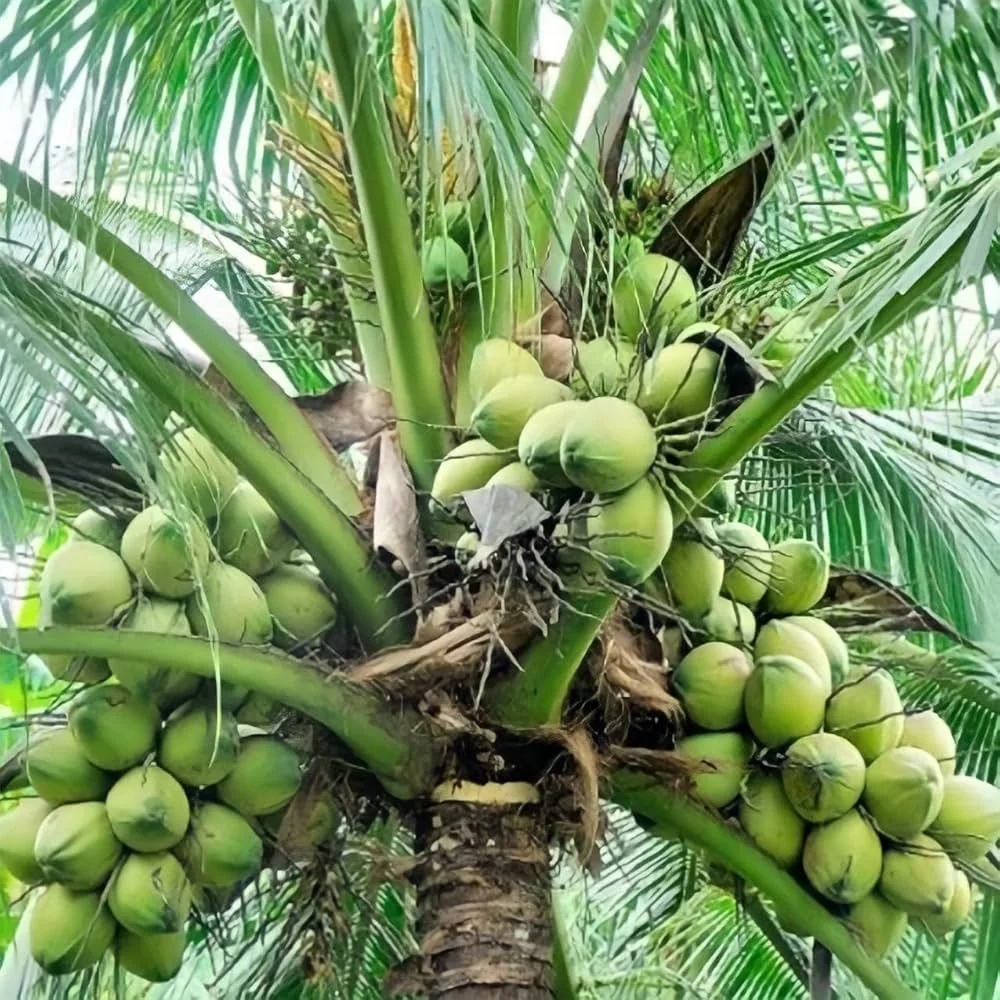
The most important step in coconut propagation is selecting the right nut.
✔ Choose a mature, brown coconut
Green coconuts will not germinate. Only fully mature ones will sprout.
✔ The coconut must have water inside
Shake the nut next to your ear.
If you hear water sloshing, it is healthy and ready for propagation.
✔ Prefer naturally fallen coconuts
These have fully formed embryos and sprout faster.
✔ Avoid cracked shells
Any visible cracks can lead to fungal infection.
🥥 Two Main Methods of Propagating Coconut Trees
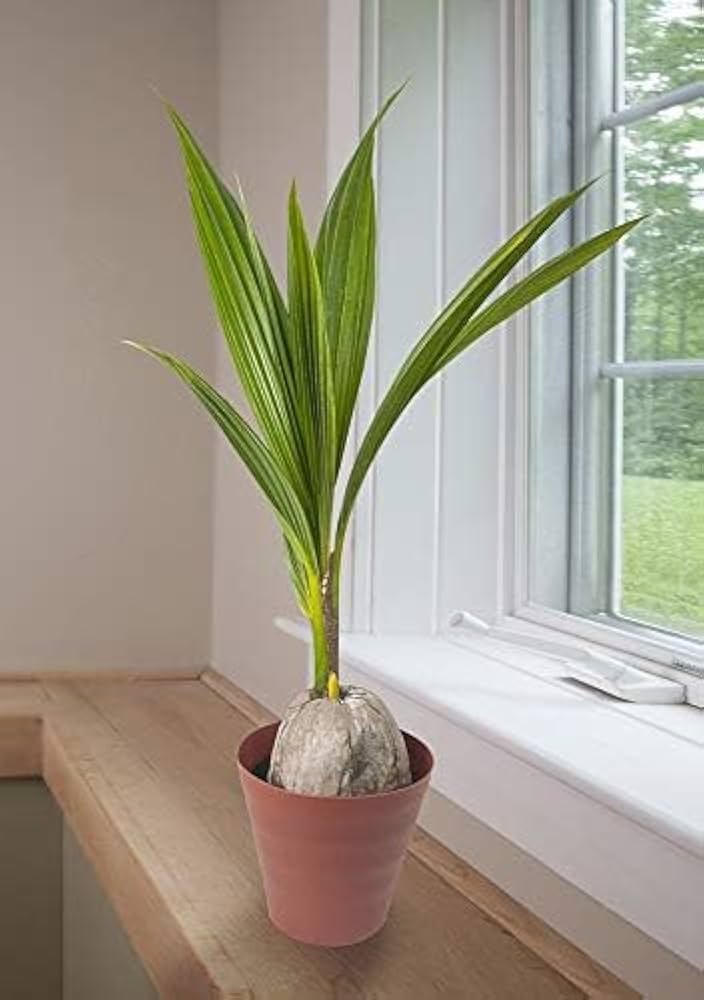
There are two reliable ways to propagate coconut trees:
1. Water + Warmth Method (Quick Sprouting)
2. Soil Bed Method (Natural, Traditional Method)
Let’s explore both in detail.
🌊 METHOD 1: Water + Warmth Sprouting Method

This method is used by many gardeners to speed up germination. It provides moisture directly to the seed and simulates tropical beach conditions.
Materials Needed
- 1 mature coconut
- Large bucket or container
- Clean water
- Warm, humid place
Step-by-Step Process
1️⃣ Soak the coconut
Place the coconut in a bucket of water for 3–4 days.
- This softens the shell.
- Hydrates the embryo.
- Accelerates sprouting.
If the coconut floats, that’s normal.
2️⃣ Keep in a warm and humid place
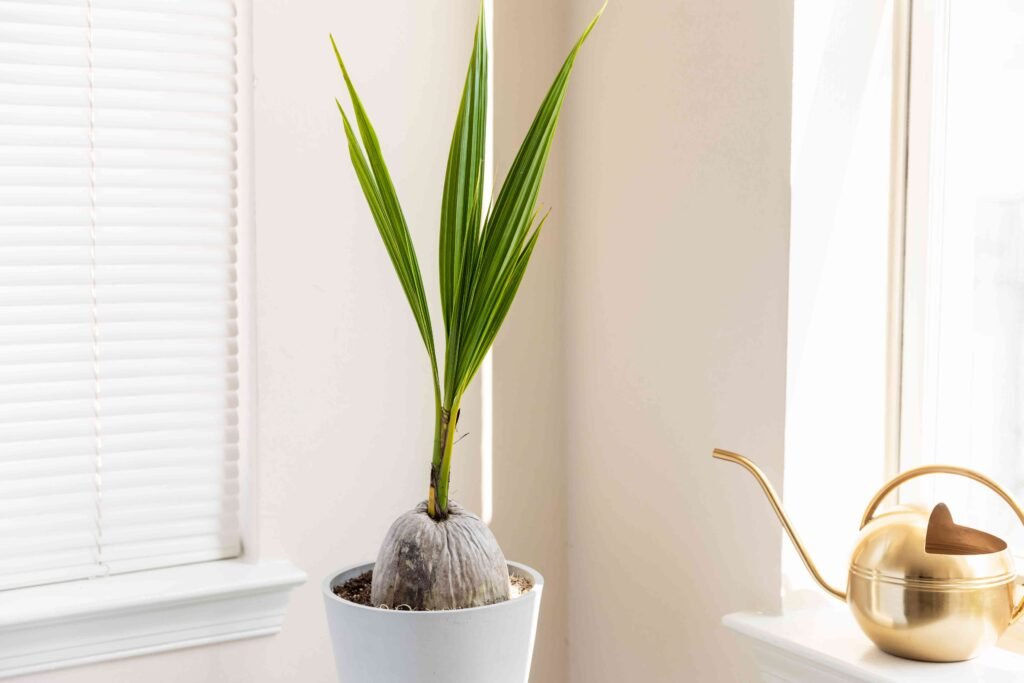
After soaking:
- Remove from water
- Place the coconut in a warm area (30–36°C)
- Keep partially covered with a cloth
Coconuts sprout best in heat and humidity.
3️⃣ Wait for sprouting
Within 20–60 days, you will see:
- A small shoot emerging from one of the three “eyes”
- Small white roots starting to grow
4️⃣ Planting the sprouted coconut
Once the shoot grows 10–15 cm:
- Prepare a pot or soil bed
- Place the coconut sideways (on its curved side)
- Cover with soil halfway (not fully buried)
This helps roots grow downward and shoots grow upward easily.
🌱 METHOD 2: Soil Bed Propagation Method (Natural Way)
This is the same method used in nurseries and coastal regions.
Materials Needed
- Mature coconut
- Sandy soil or loose garden soil
- Mulch / dried leaves
- Water
Step-by-Step
1️⃣ Prepare the planting bed
Choose a shaded area and create a loose soil bed.
Ideal soil mix:
- 50% sand
- 30% garden soil
- 20% compost
Loose soil helps roots penetrate quickly.
2️⃣ Plant the coconut
Place the coconut on its side and bury it one-third in the soil.
3️⃣ Cover with mulch
A layer of dried leaves keeps the coconut warm and moist.
4️⃣ Water lightly
Do not overwater—just keep the soil slightly moist.
Coconuts tolerate dryness better than excessive moisture.
5️⃣ Sprouting Time
Sprouting takes:
- 30–120 days, depending on temperature and soil moisture.
🌴✨ NEW IDEA: Banana Trunk Method for Faster Coconut Propagation
This is a unique, highly effective method used in some tropical farming communities.
🟡 How It Works
Banana trunks retain water and provide natural hormones that stimulate root growth.
🟢 Steps:
- Cut a banana trunk into two halves.
- Place the coconut inside the moist center of the banana trunk.
- Tie it with rope.
- Keep it in a warm spot.
- After 2–4 weeks, the coconut begins to sprout faster.
This method combines moisture + warmth + natural rooting hormones, giving the coconut a perfect environment.
🌞 Caring for Young Coconut Plants
Once your coconut plant has sprouted and developed leaves, proper care ensures strong growth.
🌳 1. Sunlight
Coconut trees need 8–10 hours of sunlight daily.
- Young plants thrive in partial shade
- Mature plants love full sun
💧 2. Watering
Coconut plants love consistent moisture, but not waterlogging.
- Water 2–3 times per week
- Increase watering during summer
- Reduce during monsoon or extremely cold periods
🌿 3. Soil Requirements
Ideal soil:
- Sandy
- Well-draining
- Rich in organic matter
Avoid heavy clay soil.
🧪 4. Fertilization
Feed your coconut plant every 45–60 days with:
- Compost
- Cow dung
- Fish fertilizer
- Seaweed fertilizer
- NPK 16-16-16 (optional)
Young coconut seedlings love potassium the most.
🛡 5. Pest Protection
Common pests:
- Rhinoceros beetle
- Red palm weevil
- Caterpillars
- Fungal rot (too much water)
Use neem oil, ash, or organic pest repellents.
🌴 Growing Coconut in Pots (Yes, you can!)
If you don’t have land, you can grow coconut in a large pot.
✔ pot size: 18–24 inches
✔ use sandy, well-draining soil
✔ ensure 6–8 hours of sunlight
Dwarf coconut varieties are best for pot growing.
🌟 Signs Your Coconut Propagation is Successful
You will observe:
- Green, healthy shoot
- White, thick roots
- Coconut shell slowly cracking from inside
- First set of long leaves forming
Once true leaves appear, your coconut tree is ready for planting outdoors or into a bigger pot.
🌴✨ Final Thoughts: A Simple Seed Can Create a Giant Tree
Propagating coconut trees might seem slow, but with proper technique, patience, and warm conditions, anyone can grow a thriving coconut plant.
Whether you use:
- Water soaking method
- Soil bed method
- Banana trunk method
- Or your own creative propagation hack
…your coconut seed has the potential to become a tall, majestic tree that provides shade, beauty, and countless natural benefits.
Coconut propagation is a beautiful reminder that from a single nut, life can flourish into a powerful tropical giant.