Guava, known for its sweet aroma, tropical flavor, and impressive nutritional benefits, is one of the most popular fruit trees in home gardens and farms alike. While guava is relatively hardy and low-maintenance, there are special secrets and techniques that can transform a simple guava plant into a high-yielding, healthy, and disease-resistant tree. Whether you are a beginner gardener or a seasoned farmer, understanding these secrets can save years of trial and error and ensure abundant fruit harvests.
In this article, we’ll explore everything from selecting the best varieties, preparing the soil, innovative propagation methods, proper care, to special fertilization and pruning techniques that maximize growth and fruit production.
Why Guava Trees Are Special
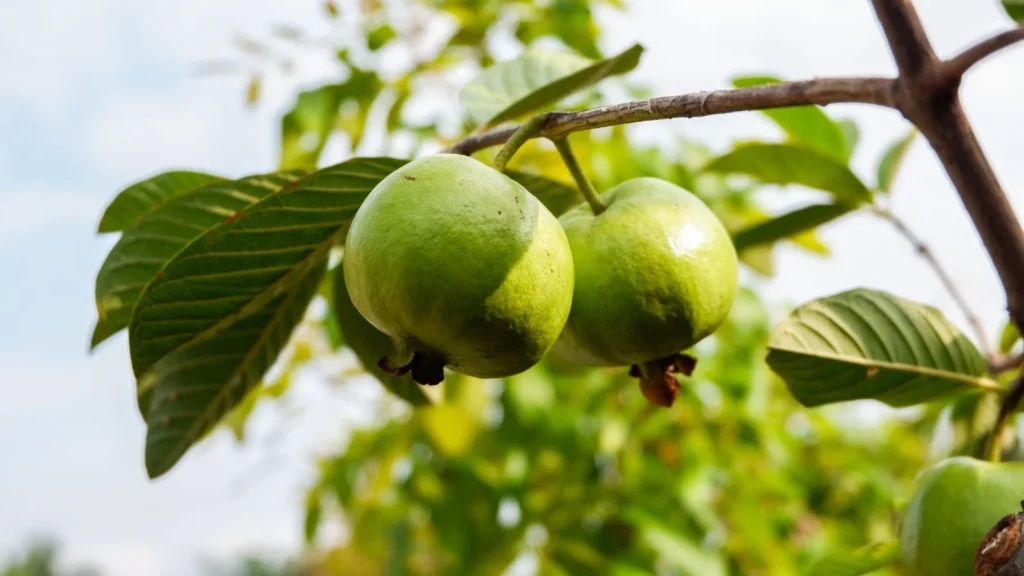
Guava trees are unique because they:
- Tolerate a wide range of soil conditions
- Grow quickly and bear fruit within 1–2 years when propagated correctly
- Provide fruits rich in Vitamin C, antioxidants, and dietary fiber
- Require minimal pesticide use if maintained properly
Despite being hardy, guava trees thrive best when special attention is given to soil preparation, watering, fertilization, pruning, and propagation techniques.
1. Choosing the Right Guava Variety
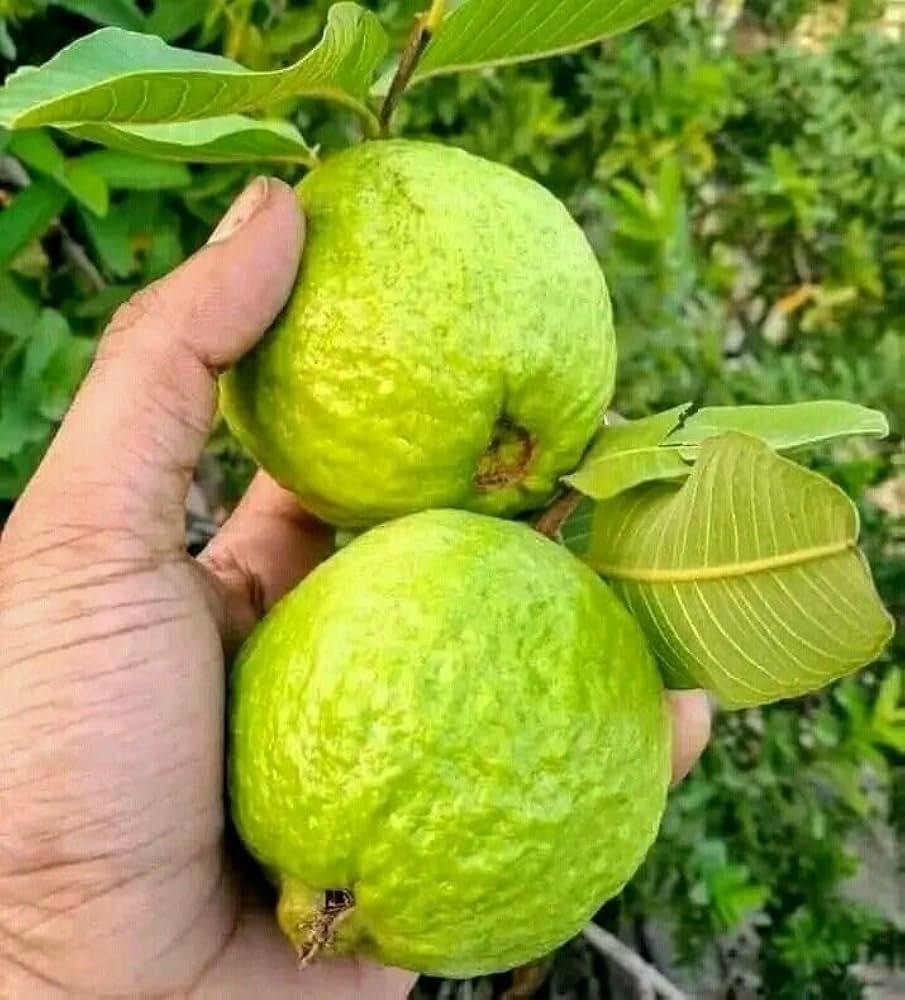
The first secret to growing a successful guava tree is choosing the right variety based on your goals:
Popular Varieties
- Allahabad Safeda: Sweet taste, soft flesh, high yield
- Sardar: Resistant to pests, firm flesh
- Lucknow-49: Juicy, high sugar content
- Red Indian Guava: Red flesh, attractive color for markets
Tip: Choose a variety suited to your local climate and soil type for optimal growth.
2. The Secret to Perfect Soil Preparation
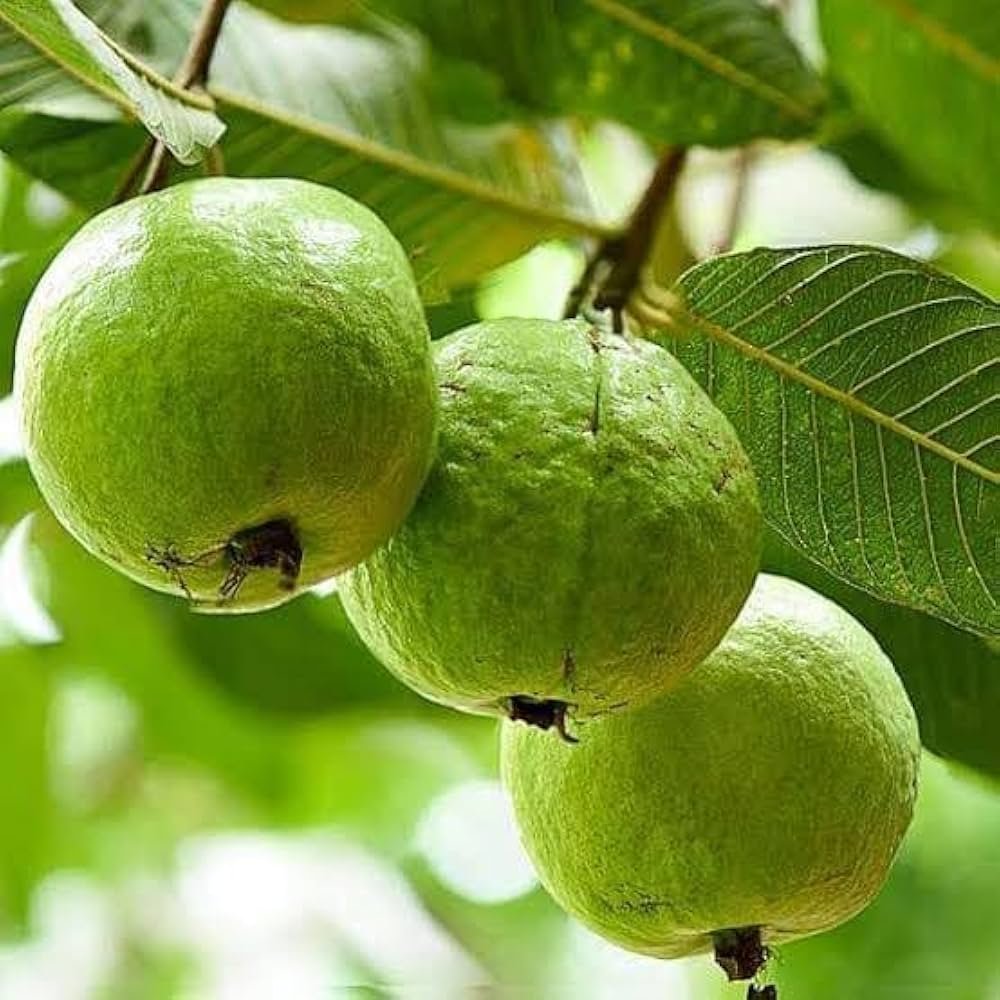
Although guava trees can grow in various soils, rich, well-drained, and slightly acidic soil produces the best results.
How to Prepare Soil
- Mix garden soil + compost + sand in a 2:1:1 ratio
- Ensure soil pH is between 5.5–7.0
- Dig a hole 2 feet deep and 2 feet wide for young plants
- Add organic matter or vermicompost at the bottom
Secret Tip: Adding banana peel powder or coconut husk around the base of young guava trees enhances growth and fruiting.
3. Special Propagation Techniques for Strong Guava Plants
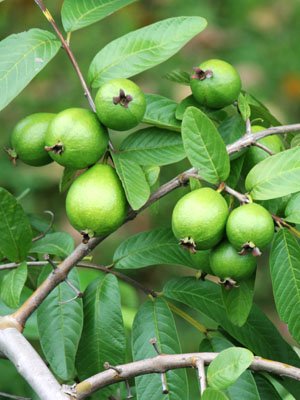
Guava trees can be propagated through:
a) Seeds
- Quick and easy, but may take 3–5 years to bear fruit
- Ensure seeds come from ripe, high-quality guavas
b) Cuttings
- Semi-hardwood branches work best
- Roots develop within 4–6 weeks with proper care
- Produces trees identical to the mother plant
c) Air Layering (Marcottage)
- Highly successful and widely recommended
- Branches produce roots while still attached to the parent tree
- Transplant when strong roots form
d) Grafting
- Combines hardy rootstock with high-quality fruiting scion
- Produces trees with early fruiting and disease resistance
Secret Insight: Combining grafting with a small slice of banana or aloe gel at the graft site can accelerate union formation and early fruiting.
4. Watering Secrets for Maximum Growth
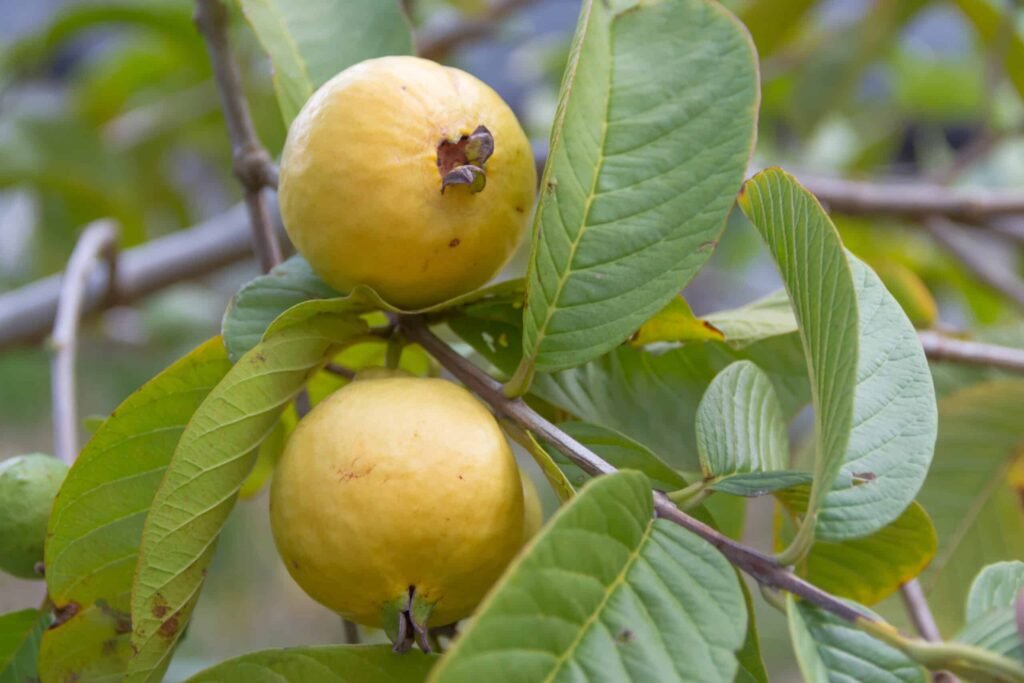
Guava trees tolerate drought, but consistent watering improves fruit quality and yield.
Watering Tips
- Young plants: Water every 2–3 days
- Mature plants: Water once or twice a week
- Avoid waterlogging; guavas dislike stagnant water
Special Tip: Applying mulch around the base retains moisture, reduces weeds, and improves soil nutrients. Coconut husk, dry leaves, or straw work perfectly.
5. Fertilization Secrets for High Yield
Healthy guava trees need regular feeding. The right fertilizer combination boosts growth and fruiting.
Recommended Fertilizers
- Organic Fertilizers: Vermicompost, cow dung, and compost
- Chemical Fertilizers: NPK ratio of 10:10:10 for young plants
- Special Boosters:
- Potassium for fruit size and sweetness
- Magnesium for lush green leaves
- Micronutrients like zinc and iron for better yield
Application Tips
- Apply every 3–4 months during the growing season
- Mix fertilizers with water for quick absorption
- Avoid over-fertilization—it may reduce fruit quality
6. Pruning Secrets to Encourage Fruiting
Pruning is an often overlooked secret that greatly impacts guava tree productivity.
Types of Pruning
- Formative Pruning: Shape young trees for strong structure
- Maintenance Pruning: Remove dead, diseased, or crossing branches
- Thinning: Improves light penetration and air circulation, reducing pest attacks
Pro Tip: Prune after fruiting season or in late winter to stimulate new growth and prepare for next year’s flowers.
7. Pest and Disease Management Secrets
Guava trees are susceptible to pests like fruit flies, aphids, and mealybugs. Diseases include anthracnose and wilt.
Management Tips
- Use neem oil or garlic spray as natural pesticides
- Remove fallen fruits and leaves to prevent fungal infections
- Ensure proper spacing between trees for air circulation
Special Secret: Growing marigold or basil plants nearby naturally repels pests, reducing chemical use.
8. Special Tips for Early and Heavy Fruiting
To ensure early fruiting and heavy yields:
- Choose grafted or air-layered plants
- Water consistently during flowering and fruit development
- Apply potassium-rich organic fertilizer before flowering
- Thin excessive fruits to allow remaining fruits to grow larger
Secret Insight: Foliar spraying with a diluted banana peel extract or liquid compost tea during flowering increases fruit set and size.
9. Harvesting Secrets for the Best Taste
Guava fruits mature 3–4 months after flowering. Proper harvesting enhances flavor and shelf life.
- Harvest fruits when skin turns slightly yellow or soft
- Avoid leaving fruits on the tree too long—they become mealy
- Use sharp pruning shears to avoid branch damage
Secret Tip: Harvest in the morning when temperatures are cooler for longer shelf life.
10. Advanced Gardening Secrets
For home gardeners aiming for perfection:
- Plant guavas near compost-rich areas for natural nutrient supply
- Rotate guava with leguminous plants to improve soil nitrogen
- Use half-buried coconut husks as root stimulants
- Maintain a slightly acidic soil pH for optimal nutrient absorption
These special secrets can significantly improve tree health, fruit size, sweetness, and longevity.
🌿 Conclusion
Growing a guava tree successfully is a blend of science, care, and special techniques. By following these secrets—choosing the right variety, preparing soil, proper propagation, careful watering, fertilization, pruning, and pest control—you can transform a simple guava plant into a thriving, high-yielding, disease-resistant tree.
Guava trees reward patience and attention. Implement these special secrets, and in a few years, you will enjoy abundant, juicy, sweet fruits right from your own garden—a testament to smart gardening and dedication.