Tomatoes are one of the most popular and rewarding vegetables to grow at home. Sweet, juicy, and packed with nutrients, they’re staples in countless dishes—from fresh salads to sauces and salsas. But what if you don’t have a garden? No problem! With bag gardening, you can grow tomatoes right on your balcony, terrace, or small patio, achieving heavy yields and quick harvests with minimal space and effort.
This step-by-step guide will show you how to grow tomatoes in bags efficiently, ensuring large, healthy plants and a bountiful harvest in record time.
Why Grow Tomatoes in Bags?
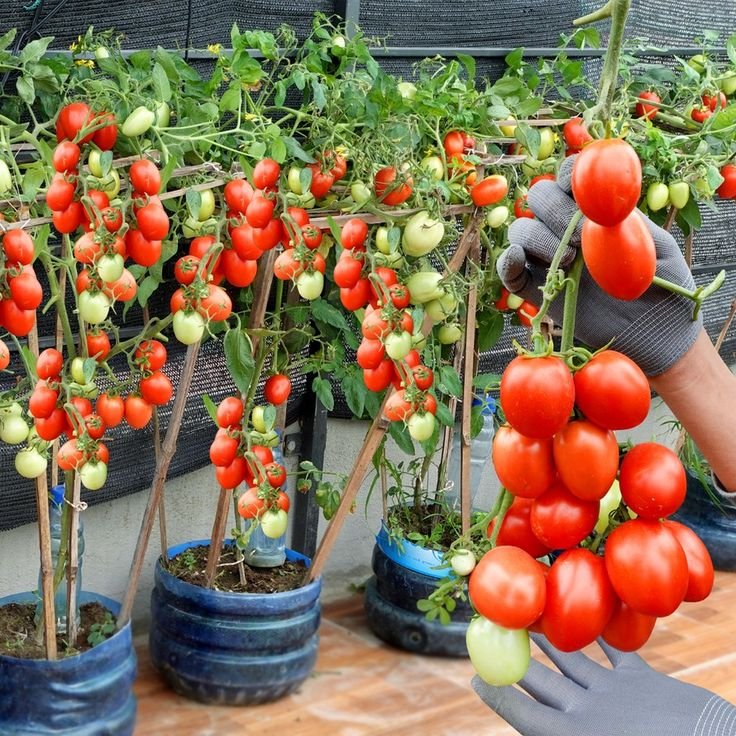
Bag gardening is a simple, space-saving method that works for urban gardeners, apartment dwellers, and anyone with limited outdoor space. Growing tomatoes in bags offers several benefits:
- Space-efficient: Ideal for balconies, terraces, patios, or small yards
- Portability: Move bags to follow sunlight or protect plants from heavy rain
- Controlled soil quality: Manage nutrients, drainage, and moisture easily
- Pest reduction: Keeps plants elevated and away from soil pests
- Quick harvest: With proper care, tomatoes mature faster than in traditional garden beds
Even a few bags can produce a surprising amount of tomatoes, enough to satisfy your household or even for small-scale selling.
Step 1: Choosing the Right Bag
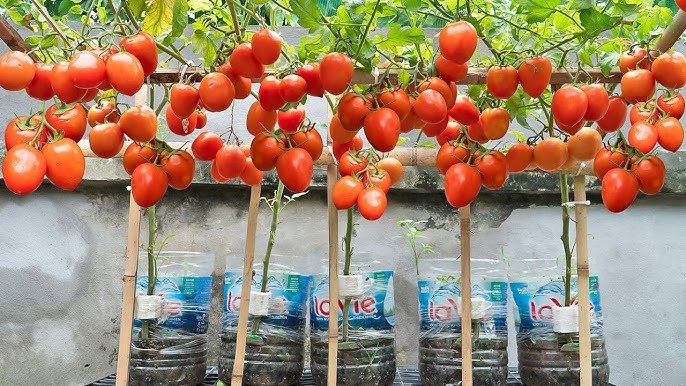
The bag is the foundation of your tomato success. Selecting the right type and size is crucial.
Bag Guidelines
- Size: 20–25 liters per plant
- Material: Fabric grow bags, sturdy plastic bags, or reusable shopping bags
- Drainage: Ensure multiple holes at the bottom to prevent waterlogging
- Shape: Tall bags allow deeper root growth, supporting bigger plants
Pro Tip: Fabric bags work best because they allow air pruning of roots, promoting strong root systems and preventing tuber deformation.
Step 2: Preparing the Bag
- Wash the bag thoroughly if reused.
- Add a layer of small stones or broken pottery at the bottom for drainage.
- Place the bag in a sunny spot receiving 6–8 hours of sunlight daily.
- Fill the bag with a nutrient-rich soil mix (see next step).
Proper preparation ensures tomatoes grow healthy and strong, directly affecting yield and fruit quality.
Step 3: Preparing the Soil Mix
Tomatoes are heavy feeders and require nutrient-rich, well-draining soil for optimal growth.
Ideal Soil Mix
- 50% garden soil
- 30% compost or vermicompost
- 20% cocopeat or sand for drainage
Optional Additives
- Bone meal for strong roots
- Wood ash or potash to boost flowering and fruiting
- Neem cake for pest prevention
Mix thoroughly to create a loose, fertile, and well-draining medium that allows roots to expand and absorb nutrients efficiently.
Step 4: Choosing the Right Tomato Variety
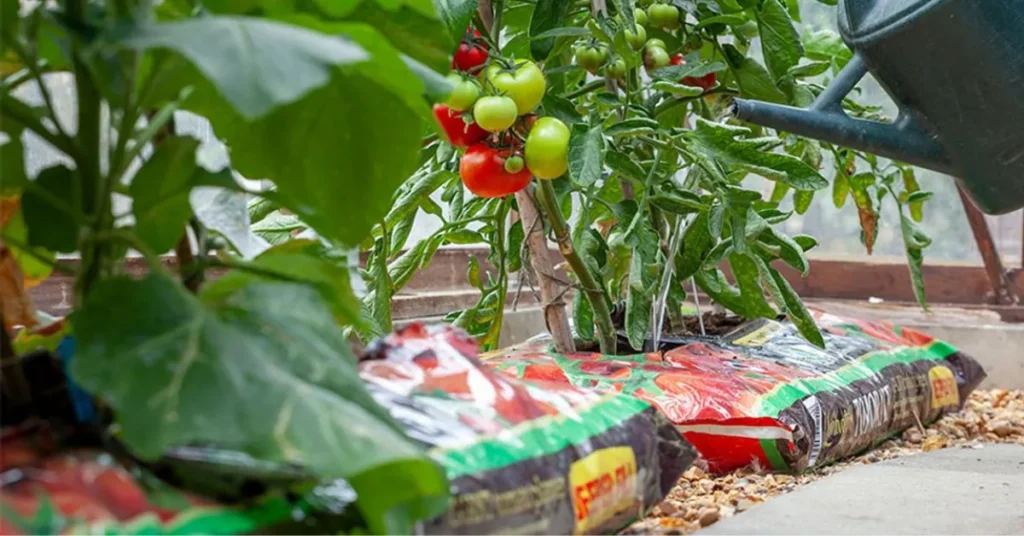
Selecting the right tomato variety ensures fast growth, heavy yield, and disease resistance.
Recommended Varieties for Bag Gardening
- Cherry tomatoes: Small, quick-fruiting, and prolific
- Roma or plum tomatoes: Ideal for sauces and salads
- Determinate varieties: Compact plants perfect for containers
- Indeterminate varieties: Long vines suitable for trellis support in bags
Choose varieties labeled “container-friendly” for best results.
Step 5: Planting Tomatoes in Bags
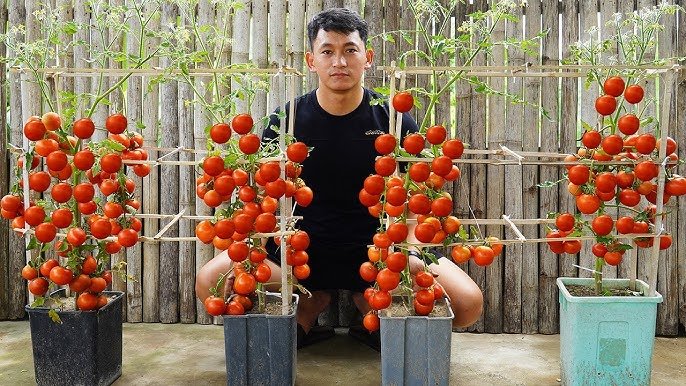
Tomatoes can be grown from seeds or seedlings, but seedlings produce faster harvests.
From Seedlings
- Select seedlings with 4–6 true leaves.
- Make a hole in the soil about 6 inches deep.
- Plant the seedling deeply, burying part of the stem—this encourages more roots and stronger growth.
- Water immediately to settle the soil.
From Seeds
- Sow seeds in a small tray or pot 1/2 inch deep.
- Transplant seedlings after 3–4 weeks once they have true leaves.
Spacing: One plant per 20–25 liter bag is ideal for optimal fruiting.
Step 6: Sunlight Requirements
Tomatoes need full sun for fast growth and heavy yields.
- Minimum: 6 hours/day
- Optimal: 7–8 hours/day
- East- or south-facing locations work best
- Provide partial shade during extreme afternoon heat
Sunlight ensures strong stems, abundant flowers, and juicy fruits.
Step 7: Watering Tomatoes in Bags
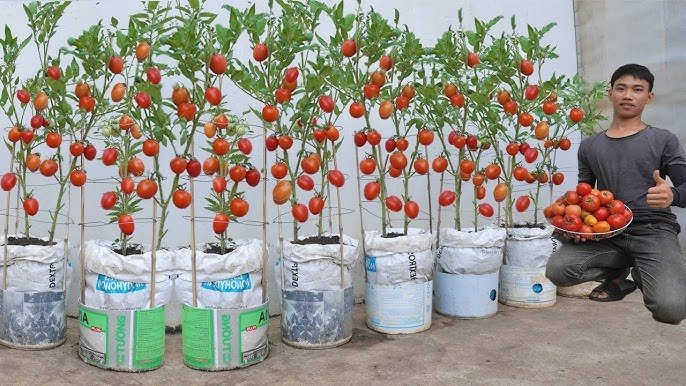
Consistent moisture is key for fruit set and large tomatoes.
Watering Guidelines
- Keep soil evenly moist but not soggy
- Water at the base to avoid wetting leaves and prevent fungal diseases
- Summer: Water daily or every other day
- Cooler months: Water every 2–3 days
- Mulch with straw or dried leaves to retain moisture
Pro Tip: Avoid irregular watering to prevent blossom-end rot, a common tomato problem.
Step 8: Fertilizing for Heavy Yield
Tomatoes are nutrient-hungry. Regular feeding ensures big, healthy fruits.
Fertilizer Schedule
- Every 15 days: Add compost or vermicompost around the base
- Every 10 days: Use liquid fertilizer (cow dung water, compost tea, or seaweed extract)
- Every 20 days: Apply potash (banana peel, wood ash) to improve flowering and fruit size
Balanced feeding encourages continuous flowering and a high yield.
Step 9: Supporting Tomato Plants
Bag-grown tomatoes need support for stems and fruits.
- Use bamboo sticks, wooden stakes, or trellis nets
- Tie stems loosely with soft cloth or string
- Support prevents stems from breaking and improves airflow around the plant
Proper support results in healthier plants and higher fruit yields.
Step 10: Pollination Tips
Tomato flowers are self-pollinating, but hand-pollination can improve fruit set in urban areas with fewer pollinators.
- Gently shake flowers daily
- Use a small brush to transfer pollen if needed
- Maintain good airflow to encourage natural pollination
Effective pollination ensures uniform, round, and juicy tomatoes.
Step 11: Pest and Disease Management
Even in bags, tomato plants can face pests and diseases.
Common Issues
- Aphids and whiteflies
- Caterpillars
- Fungal infections like blight or powdery mildew
Solutions
- Spray neem oil or organic insecticides weekly
- Remove damaged or diseased leaves promptly
- Maintain proper spacing and airflow
- Avoid overhead watering
Healthy plants produce clean, disease-free tomatoes consistently.
Step 12: Harvesting Tomatoes
Tomatoes are ready to harvest when fully colored, firm, and slightly soft to touch.
Harvesting Tips
- Pick tomatoes regularly to encourage new fruit set
- Avoid leaving overripe fruits, as this reduces overall yield
- Harvesting every 2–3 days ensures a continuous, heavy harvest
Expected Yield: One well-cared-for bag can produce 8–12 kg of tomatoes per season, depending on variety and care.
Advantages of Growing Tomatoes in Bags
- No garden needed; ideal for urban living
- Space-efficient, portable, and reusable
- Full control over soil, water, and nutrients
- Less exposure to soil pests and diseases
- Quick harvest and continuous fruit production
- Perfect for growing in small terraces, balconies, or patios
Even a few bags can provide fresh, organic tomatoes for the family year-round.
Final Thoughts: Heavy Yields from Bag Gardening
Growing tomatoes in bags is simple, cost-effective, and highly productive. With proper soil, sunlight, watering, fertilization, and support, even small spaces can produce abundant, juicy, and high-quality tomatoes.
This method transforms balconies, terraces, or small patios into mini tomato farms, giving you fresh, homegrown produce without a traditional garden. Whether you’re a beginner or an experienced gardener, bag gardening ensures quick harvests and heavy yields every season.