Imagine stepping onto your balcony or terrace and picking fresh, crunchy cucumbers grown entirely in simple tubs—no garden, no fancy equipment, just a small space and a bit of care. This isn’t just a dream; it’s a practical, highly rewarding method for urban gardening enthusiasts, apartment dwellers, and anyone with limited outdoor space.
Growing cucumbers in tubs is one of the easiest ways to enjoy high yields, fresh produce, and sustainable gardening without needing a traditional garden. This guide will walk you through every step of growing cucumbers in simple tubs, ensuring your harvest is surprisingly abundant.
Why Grow Cucumbers in Tubs?

Cucumbers are fast-growing, water-loving plants that thrive in containers if provided the right environment. Tub gardening offers multiple advantages:
- Space-saving: Ideal for terraces, balconies, and small patios
- Portability: Move tubs to catch sunlight or avoid extreme weather
- Soil control: Manage fertility, moisture, and drainage easily
- Pest management: Reduced contact with soil pests
- High yield: One tub can support multiple cucumber plants
With the right approach, even a single tub can produce a surprising number of crisp, juicy cucumbers.
Step 1: Choosing the Right Tub
The tub is the foundation of your cucumber success. Proper size and drainage are essential.
Recommended Tub Specifications
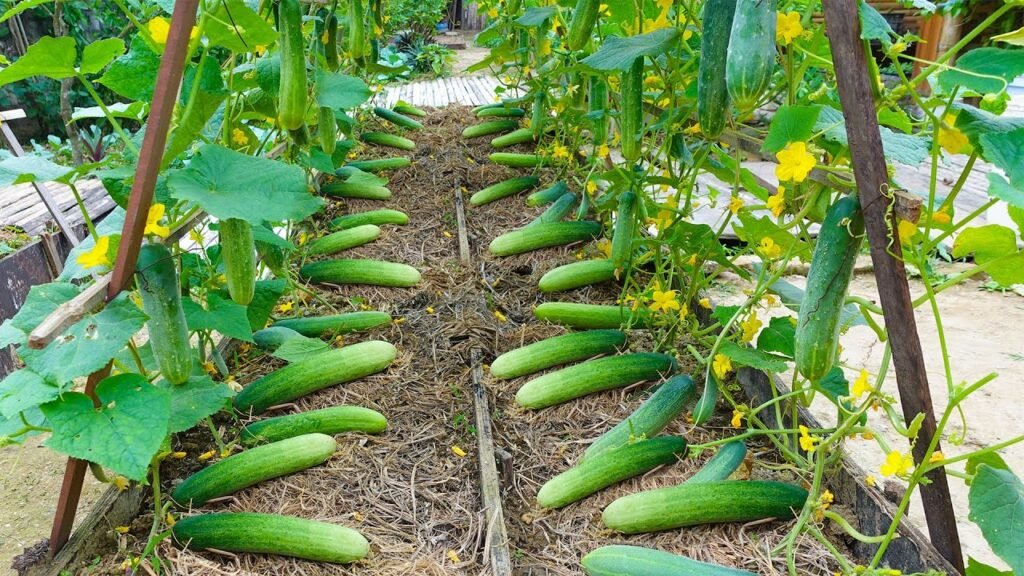
- Capacity: 20–25 liters for a single plant
- Depth: Minimum 12 inches to accommodate roots
- Material: Plastic tubs, grow bags, or containers
- Drainage: At least 4–6 holes at the bottom
Pro Tip: If you only have shallow tubs, consider planting dwarf or bush cucumber varieties that thrive in smaller root zones.
Step 2: Preparing the Tub
- Wash the tub thoroughly to remove dust or residues.
- Place a layer of gravel or broken pottery at the bottom for drainage.
- Position the tub in a sunny area with 6–8 hours of sunlight daily.
- Fill the tub with fertile, well-draining soil (see next step).
Proper preparation ensures healthy roots and vigorous growth, directly affecting yield.
Step 3: Soil Preparation for Cucumbers
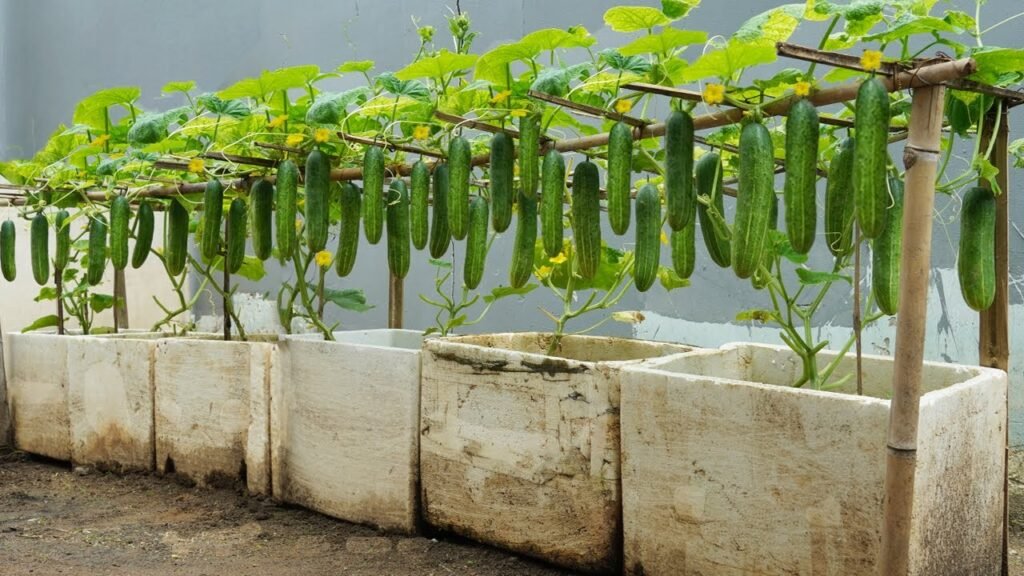
Cucumbers are heavy feeders. A well-balanced, loose soil mix is essential for big, healthy fruits.
Ideal Soil Mix
- 40% garden soil
- 30% compost or vermicompost
- 20% cocopeat or coco coir
- 10% sand or perlite
Optional Additions
- 1 handful neem cake to deter pests
- 1 cup bone meal to strengthen roots
- Small amount of wood ash or potash for fruiting
Mix thoroughly to create a fluffy, fertile medium that retains moisture but drains well.
Step 4: Choosing the Right Cucumber Variety
Not all cucumber varieties grow well in containers. Choose compact, high-yielding types.
Best Varieties for Tub Gardening
- Bush cucumbers
- Mini cucumbers
- Japanese cucumbers
- Persian cucumbers
- Determinate varieties
Compact types make it easier to maximize yield in limited space.
Step 5: Planting Cucumbers in Tubs
From Seeds
- Fill the tub with soil, leaving 2 inches at the top.
- Make small holes about 1 inch deep.
- Place 2–3 seeds per hole and cover lightly with soil.
- Water gently and keep soil moist until germination.
From Seedlings
- Transplant seedlings with 4–6 true leaves.
- Water immediately to help roots settle.
- Keep seedlings in partial shade for 1–2 days before full sun exposure.
Spacing: One to two plants per tub is ideal for maximum yield.
Step 6: Providing Support for Growth
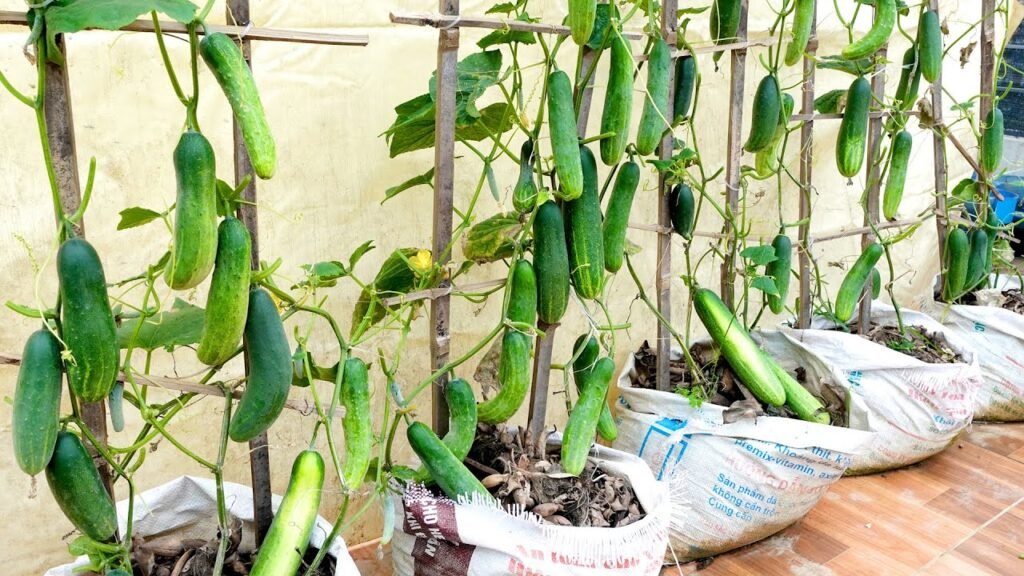
Cucumbers are climbing plants. Vertical growth saves space, reduces disease risk, and produces straighter fruits.
Support Options
- Bamboo or wooden stakes
- Nylon mesh or trellis
- Balcony railing or wall support
- PVC pipe frame
Gently tie vines as they grow to encourage vertical growth and improve airflow.
Step 7: Sunlight Requirements
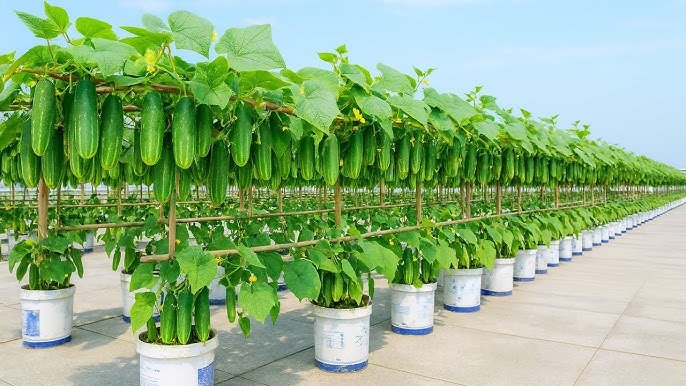
Cucumbers thrive in full sunlight.
- Minimum: 6 hours/day
- Optimal: 7–8 hours/day
- East- or south-facing locations work best
- Provide light shade during extreme heat to prevent leaf scorch
Proper sunlight ensures healthy flowers and abundant fruiting.
Step 8: Watering Cucumbers in Tubs
Cucumbers need consistent moisture, but overwatering can lead to root rot.
Watering Guidelines
- Keep soil evenly moist
- Water at the base of the plant
- Summer: daily watering may be needed
- Cooler months: water every 2–3 days
- Mulch with straw or dry leaves to conserve moisture
Pro Tip: Avoid wetting leaves frequently; this reduces fungal disease risk and promotes healthy fruit.
Step 9: Fertilization for High Yield
Cucumbers are nutrient-hungry. Proper feeding is essential for big, juicy fruits.
Fertilizer Schedule
- Every 15 days: Apply compost or vermicompost around the base
- Every 10 days: Use liquid fertilizers (cow dung water, seaweed extract, or compost tea)
- Every 20 days: Apply potash (banana peel, wood ash) to encourage flowering and fruit size
Balanced feeding encourages lush foliage and continuous fruit production.
Step 10: Pollination Tips
Cucumber flowers are male and female. In urban areas, fewer pollinators may reduce fruit set.
Pollination Techniques
- Gently shake flowers to transfer pollen
- Use a small brush to manually pollinate
- Plant flowering plants nearby to attract bees and insects
Proper pollination ensures maximum fruit set and size.
Step 11: Pest and Disease Management
While tub gardening reduces many soil-borne issues, cucumbers can still face pests.
Common Problems
- Aphids and whiteflies
- Caterpillars
- Powdery mildew
Solutions
- Spray neem oil or insecticidal soap weekly
- Remove affected leaves immediately
- Maintain adequate spacing and airflow
- Avoid overwatering
Healthy plants produce clean, high-quality cucumbers consistently.
Step 12: Harvesting Your Cucumbers
Cucumbers grow fast. Regular harvesting promotes continuous production.
Harvesting Tips
- Pick fruits when firm, dark green, and fully grown
- Harvest every 2–3 days
- Avoid letting fruits overripe as it reduces overall yield
Expected Yield: Each tub can produce 15–25 cucumbers per season, depending on variety and care.
Advantages of Growing Cucumbers in Simple Tubs
- No garden required; ideal for small urban spaces
- Eco-friendly, cost-effective, and reusable containers
- High yields from compact areas
- Easy control over soil, water, and nutrients
- Less exposure to pests and diseases
- Quick, continuous harvests
Even a few tubs on your balcony can supply fresh cucumbers for the entire family.
Final Thoughts: A Surprising Harvest from Simple Tubs
Growing cucumbers in simple tubs is a game-changer for urban gardeners. With the right soil, sunlight, watering, support, and nutrients, a small container can produce abundant, juicy cucumbers—often surprising gardeners with how much they can yield in limited space.
This method transforms balconies, terraces, and small patios into productive mini cucumber farms, providing fresh, organic vegetables right at home. It’s simple, rewarding, and perfect for anyone looking to grow healthy, high-yield cucumbers without a garden.