Growing your own vegetables at home has never been easier — especially with hydroponics. This soil-free gardening method is becoming the favorite of beginners who want fast-growing, healthy, and chemical-free vegetables right from their balcony, kitchen, or backyard. If you’ve always wanted a garden but felt limited by space, soil quality, or time, hydroponics is the perfect solution. It’s clean, efficient, and incredibly productive.
In this article, you’ll learn exactly how to set up a simple hydroponic vegetable garden at home, which vegetables grow best, and the secrets that ensure high yields with minimum effort. By the end, you’ll be ready to start your own hydroponic system — even if you’ve never grown a plant before!
🌿 What Is Hydroponics and Why Is It Perfect for Beginners?
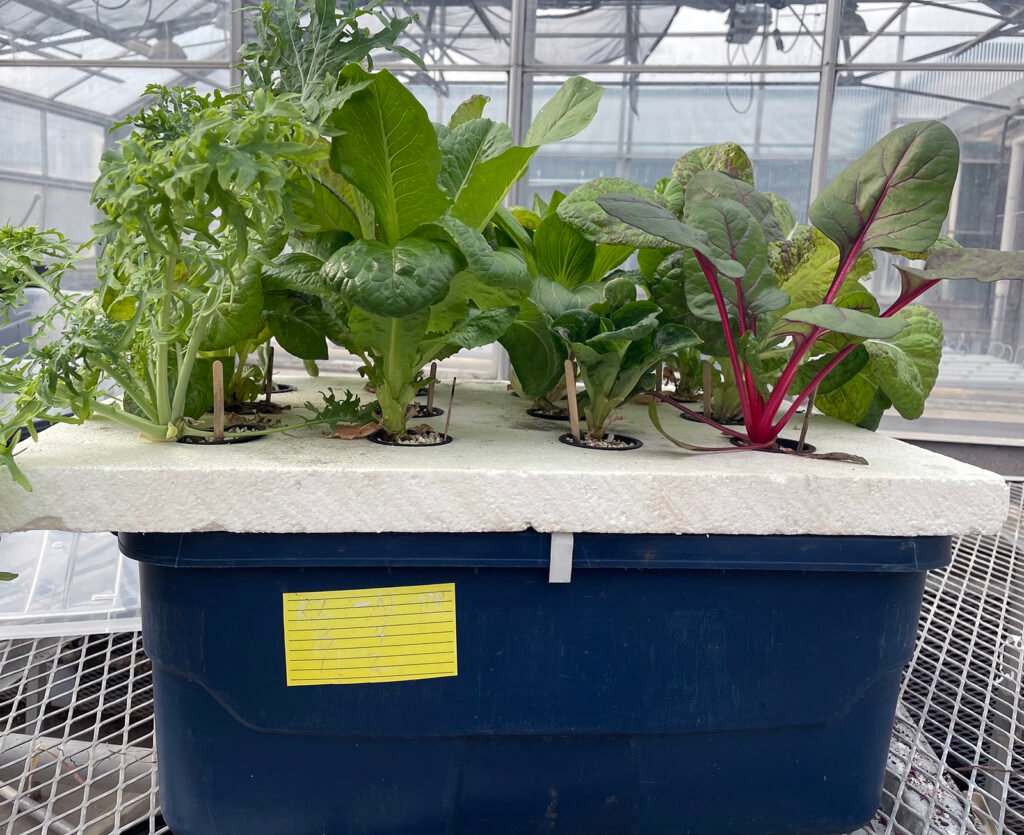
Hydroponics is the method of growing plants without soil. Instead, roots grow in water enriched with essential nutrients. This system gives plants exactly what they need, when they need it — resulting in faster growth and bigger harvests.
Why beginners love hydroponics:
- No soil required — no mess, no pests, no weeds.
- Plants grow 2× faster due to direct access to nutrients.
- Perfect for small homes or balconies — needs very little space.
- Saves up to 90% water compared to traditional gardening.
- Cleaner vegetables — no dirt, no contamination.
Even better, hydroponics can be done with recycled containers and cheap materials you already have at home.
🌱 What You Need to Start a Simple Home Hydroponic Garden
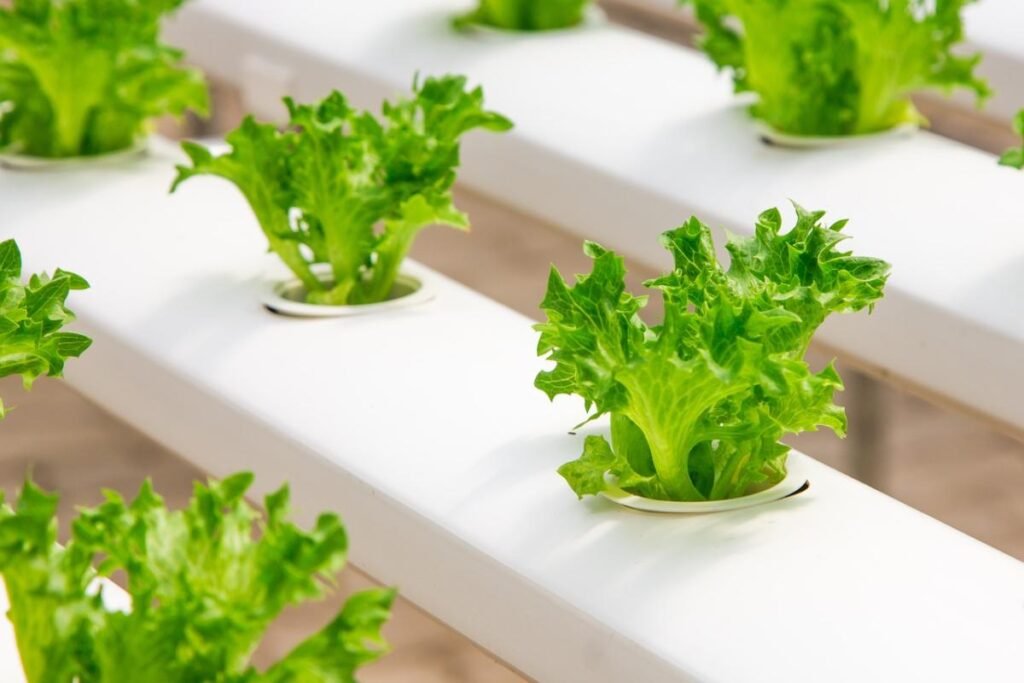
You don’t need fancy equipment. A beginner-friendly setup can be done using:
Materials:
- Plastic container or bucket with lid
- Net cups (or small plastic cups with holes)
- Cocopeat or sponge
- Hydroponic nutrients
- Water
- Air pump (optional but helps oxygenate roots)
- Seeds of your favorite vegetables
This setup is commonly known as a Krathky hydroponic system — a passive, no-electricity method perfect for new growers.
🍃 Step-by-Step Guide: How to Build Your Hydroponic Vegetable Garden
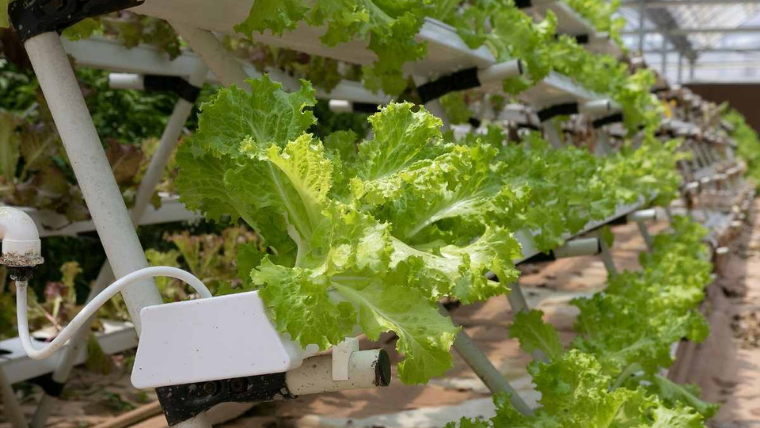
1. Prepare the Container
Choose a plastic storage box, jar, or bucket. Clean it well and paint or cover it to block sunlight. This prevents algae growth inside the water.
Cut circular holes on the lid — enough to fit your net cups snugly.
2. Mix the Nutrient Solution
Hydroponic nutrients come in powder or liquid form. Mix according to the instructions.
The water should look clear but nutrient-rich — this is where the roots will grow.
3. Prepare the Seedlings
You can start seeds directly in:
- Rockwool
- Cocopeat
- Sponge pieces
Once seedlings are 5–7 cm tall with a few leaves, they are ready for hydroponics.
4. Place Seedlings into Net Cups
Fill net cups with cocopeat or a small sponge, place the seedlings inside, and insert the cups into the holes of your container.
The bottom of the net cup should touch the nutrient water slightly — this encourages roots to grow downward.
5. Let the System Grow on Its Own
This is the beauty of hydroponics — almost no maintenance is required.
As plants consume water, the water level drops. But instead of topping it up daily, you wait until the crop is nearly ready to harvest. The air gap formed above the water helps roots breathe.
🥬 Best Vegetables to Grow in a Beginner Hydroponic Garden
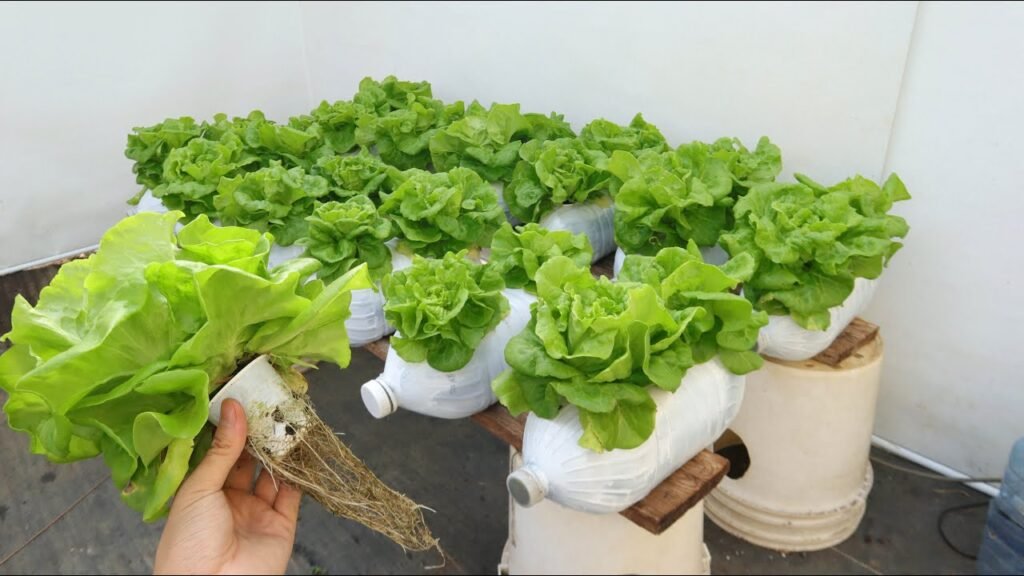
Some vegetables thrive exceptionally well in hydroponics and grow much faster than in soil:
Leafy Greens (Fastest Growth)
- Lettuce
- Spinach
- Swiss chard
- Kale
- Bok choy
- Mustard greens
These are ready to harvest in as little as 25–35 days!
Herbs (Fragrant and Continuous Harvest)
- Basil
- Mint
- Coriander
- Parsley
- Dill
Other Vegetables That Do Well
- Cherry tomatoes
- Cucumbers
- Peppers
- Green onions
Start with leafy greens — they are the easiest and most rewarding.
🌤️ Light Requirements for Hydroponic Gardening
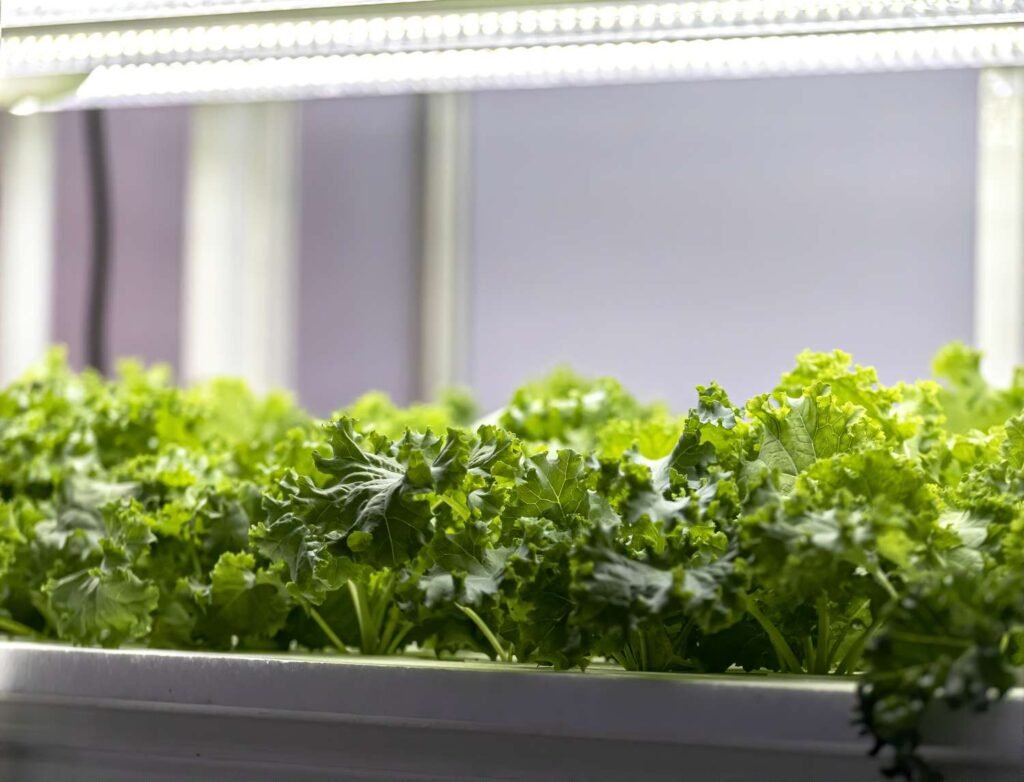
Plants need 6–8 hours of sunlight daily. If you grow indoors, place your system near a bright window or use LED grow lights.
Hydroponics + proper lighting = rapid and healthy growth.
💡 Pro Tips for High Productivity
If you want maximum yield even as a beginner, follow these essential tips:
1. Keep the Water Cool
Warm water reduces oxygen and can stress the plants.
Ideal temperature: 18–22°C
2. Add Fresh Nutrient Solution Every 2 Weeks
Plants grow fast and need balanced nutrients continuously.
3. Keep the System Clean
Rinse the container before starting a new batch of plants to prevent algae or bacteria.
4. Avoid Direct Harsh Sun
Especially in summer. Plants can wilt quickly in extreme heat.
🍽️ Harvesting: Fast, Clean, and Continuous
Hydroponic vegetables reach harvest significantly faster. For example:
- Lettuce: 30 days
- Spinach: 25–30 days
- Herbs: continuous harvesting for 2–3 months
- Green onions: 20–25 days
Instead of pulling the whole plant, you can harvest outer leaves and let the plant keep producing.
This means fresh vegetables every week — straight from your mini garden to your plate.
🌿 Why Hydroponics Is the Future of Home Gardening
Hydroponics is more than a trend; it’s a sustainable solution for modern living. With increasing pollution, shrinking spaces, and unhealthy market vegetables, more people are turning to soil-free gardening for clean, nutrient-rich food.
Hydroponics gives you:
- Tastier and crunchier vegetables
- Faster and reliable harvests
- Zero pesticides
- Zero soil-borne diseases
- A fun learning experience for kids and adults
Even a small apartment can become a green, productive space.
🏡 Final Thoughts: Start Your Hydroponic Garden Today!
Growing hydroponic vegetables at home is one of the easiest and most rewarding gardening methods for beginners. With simple materials and a little guidance, you can produce fresh, safe, and delicious vegetables all year round — without soil, without mess, and without stress.
If you’ve always wanted a garden, this is the perfect way to begin.
Your home can transform into a small green paradise — and every harvest will remind you:
“Fresh food is the best food, especially when you grow it yourself.”