Introduction: The Global Importance of Tamarind
Tamarind is a widely used tropical fruit known for its sweet and sour flavor. It plays an important role in global cuisines, medicines, and food industries. From Asian curries to African sauces, tamarind is deeply rooted in food culture. Its pulp is used in beverages, condiments, and candies. Tamarind trees thrive in warm climates with minimal care. Global demand has grown steadily due to its versatility. Many countries produce tamarind commercially. However, one country clearly leads global production.
What Is Tamarind and Why It Is Valuable
Tamarind comes from the Tamarindus indica tree. The fruit grows in pod-like shells containing sticky pulp. This pulp is rich in nutrients and natural acids. Tamarind is valued for its flavor and preservation qualities. It is also used in traditional medicine. The tree is long-lived and drought tolerant. Minimal maintenance makes it farmer-friendly. These factors increase its agricultural value.
Global Tamarind Production Overview
Tamarind is grown in tropical and subtropical regions. Asia, Africa, and Latin America dominate production. Most tamarind is consumed locally. Only a portion enters global trade. Production depends on climate and tree maturity. Trees take years to reach full yield. Countries with large agricultural land benefit most. Among them, one nation stands far ahead.
India: The World’s Largest Tamarind Producer
India is the largest tamarind producer in the world. The country produces the majority of global supply. Tamarind is widely grown across Indian states. Both wild and cultivated trees contribute to output. India’s climate supports large-scale growth. Domestic consumption is extremely high. Surplus production supports exports. This makes India the global leader.
Why India Leads Tamarind Production
India’s dominance comes from multiple factors. The climate is ideal for tamarind trees. Large areas of semi-arid land support growth. Tamarind trees are often grown along roads and farms. Low cultivation costs increase profitability. Strong domestic demand ensures steady harvesting. Traditional knowledge supports production. All these reasons explain India’s leadership.
Major Tamarind-Producing States in India
Several Indian states lead tamarind production. Andhra Pradesh and Tamil Nadu are top producers. Karnataka and Telangana also contribute significantly. These regions have long growing seasons. Farmers rely on tamarind as a secondary income. Tribal communities harvest wild tamarind. State-level processing units support trade. Regional diversity strengthens supply.
Role of Climate and Soil Conditions
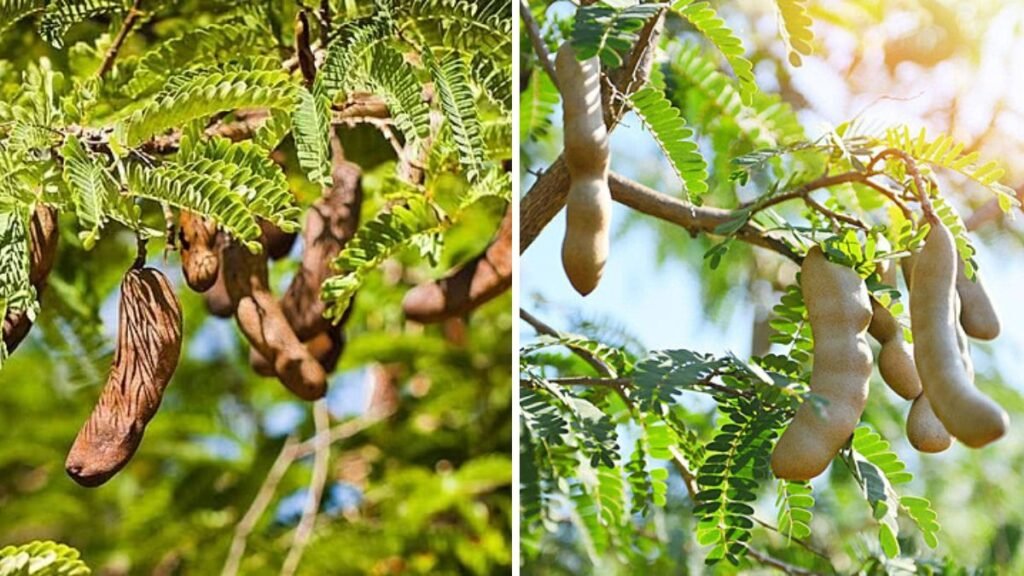
Tamarind thrives in warm temperatures. It tolerates drought conditions well. Sandy and loamy soils support strong roots. Minimal irrigation is required once established. India’s varied soil types support widespread planting. Seasonal rainfall supports fruiting. Climate stability ensures consistent yield. Environmental suitability boosts production.
Traditional and Commercial Farming Practices
In India, tamarind grows both wild and cultivated. Traditional harvesting methods are common. Commercial orchards are increasing slowly. Processing units clean and grade pulp. Sun drying preserves quality naturally. Small farmers benefit from low investment. Traditional knowledge ensures sustainability. Both systems coexist effectively.
Economic Importance of Tamarind in India
Tamarind provides income to rural communities. It supports small farmers and forest dwellers. Processing industries create employment. Export earnings add to the economy. Tamarind value increases after processing. Seasonal harvesting supports livelihoods. It is an important non-timber forest product. Economic impact is widespread.
Global Export Market for Tamarind
India exports tamarind to many countries. Major markets include Asia, Europe, and the Middle East. Indian tamarind is preferred for quality. Both raw pulp and processed forms are exported. Demand rises with global cuisine trends. Packaged tamarind increases shelf life. Export infrastructure supports trade. India dominates international markets.
Comparison with Other Tamarind-Producing Countries
Several countries produce tamarind regionally. Thailand grows tamarind mainly for local use. African countries produce limited quantities. Mexico produces tamarind for beverages. None match India’s production scale. Domestic demand sets India apart. Processing capacity is higher in India. Leadership remains unchallenged.
Table: Leading Tamarind-Producing Countries
| Country | Production Scale | Primary Use | Global Position |
|---|---|---|---|
| India | Very high | Domestic and export | Global leader |
| Thailand | Moderate | Domestic consumption | Regional |
| Nigeria | Moderate | Local markets | Regional |
| Mexico | Small | Beverages | Limited |
| Sudan | Small | Traditional use | Local |
Processing and Value Addition
Raw tamarind is rarely sold unprocessed. Pulp extraction increases value. Seeds are removed and pulp is packed. Paste and concentrate forms are popular. Value addition increases shelf life. Processing supports small industries. Packaging improves export potential. Value chains strengthen income.
Health Benefits Driving Demand
Tamarind is rich in antioxidants. It aids digestion naturally. Traditional medicine uses tamarind extensively. Health-conscious consumers prefer natural ingredients. Tamarind drinks are gaining popularity. Nutritional awareness boosts demand. Health benefits support global interest. Demand continues to rise.
Challenges in Tamarind Production
Harvesting is labor intensive. Tree height makes collection difficult. Storage needs dry conditions. Price fluctuation affects farmers. Climate change may impact yield. Processing quality varies. Infrastructure gaps exist in rural areas. Challenges require strategic solutions.
Government and Institutional Support
India promotes agro-forestry systems. Tamarind trees are encouraged in wastelands. Tribal development programs support harvesting. Processing units receive subsidies. Export promotion improves trade. Research improves yield quality. Institutional support strengthens production. Policy backing ensures sustainability.
Future Outlook of Tamarind Production
Global demand for tamarind will increase. Natural food trends support growth. India has expansion potential. Improved processing will boost exports. Climate resilience favors tamarind. Sustainable farming will increase yield. Innovation improves market reach. Future prospects are strong.
Why India Will Remain the Leader
India combines scale, climate, and demand. Cultural usage ensures consumption. Export infrastructure supports trade. Knowledge systems preserve production. No competitor matches volume. Leadership is deeply rooted. Growth opportunities remain high. India’s dominance will continue.
Conclusion: India’s Unmatched Tamarind Leadership
India is the largest tamarind producer globally. Its natural conditions support growth. Domestic demand sustains scale. Exports expand global reach. Tamarind supports livelihoods widely. Production systems remain resilient. India sets global standards. Leadership is well established.