Introduction to Persimmon Tree from Seed
Growing a persimmon tree from seed is an economical way to produce delicious fruits at home. Seed-grown trees allow gardeners to observe the entire life cycle. This method ensures chemical-free and healthy fruits. Persimmons thrive in sunny locations with fertile, well-drained soil. Patience is required, as fruiting begins after several years. Container or garden planting is possible depending on space. Proper care improves survival and fruiting success. This guide provides a comprehensive, step-by-step approach.
Understanding Seed Viability
Healthy seeds are essential for germination success. Persimmons from fully ripe fruits provide the best seeds. Seeds should be firm and free from rot or insect damage. Fresh seeds germinate faster than stored seeds. Clean seeds thoroughly before planting. Proper handling prevents fungal infections. Seed quality affects long-term tree health. Strong seeds form vigorous seedlings with high survival rates.
Selecting Ripe Fruits
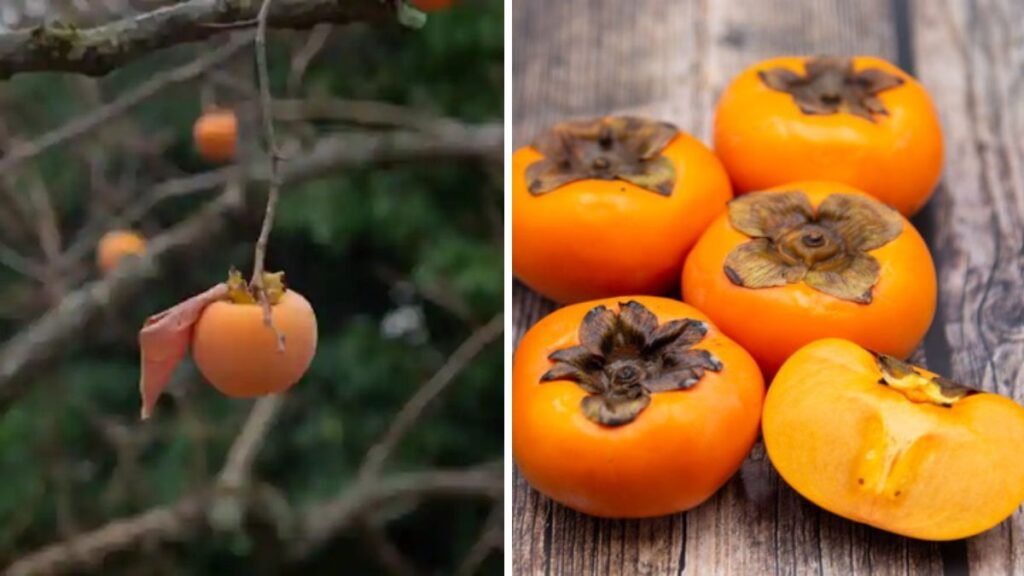
Choose ripe persimmons with vibrant color and soft texture. Avoid fruits that are green or overripe. Check for disease or insect damage. Harvest several fruits to increase germination chances. Mature fruits provide viable seeds for strong seedlings. Fruit selection directly impacts seedling growth. Healthy fruits increase germination success. Seed origin affects future fruiting potential.
Extracting and Cleaning Seeds
Cut open the fruit carefully and remove the seeds. Wash seeds thoroughly to remove pulp residue. Soak seeds in water for 12 to 24 hours to soften the coat. Dry seeds in shade briefly. Avoid direct sunlight to prevent damage. Gentle handling improves germination rates. Proper preparation ensures strong seedlings. Healthy seeds respond well to planting conditions.
Preparing the Soil Mix
Use well-draining, fertile soil with organic matter. Combine garden soil, sand, and compost. Slightly acidic to neutral pH is ideal. Avoid heavy or waterlogged soils. Fertile soil encourages root and shoot development. Organic matter improves nutrient availability. Proper soil ensures healthy growth. Balanced soil promotes future fruiting.
Sowing Seeds
Plant seeds about half an inch deep in small containers. Cover lightly with soil and water gently. Keep containers in a warm, shaded area. Avoid pressing soil too tightly. Containers help monitor soil moisture. Proper planting orientation supports root and shoot growth. Container planting is ideal for beginners. Regular care improves germination success.
Germination Care
Seeds germinate within three to six weeks. Roots emerge first, followed by shoots. Maintain consistent moisture without waterlogging. Keep soil warm to accelerate sprouting. Avoid direct sunlight initially. Patience is required as germination time varies. Monitor for fungal growth or pests. Healthy seedlings indicate proper care.
Sunlight for Seedlings
Young seedlings require partial sunlight. Morning sunlight encourages healthy leaf growth. Avoid strong afternoon sun to prevent leaf burn. Gradually increase light exposure as seedlings mature. Indoor seedlings should be near bright windows. Proper light ensures photosynthesis and strong roots. Observation ensures seedlings thrive. Balanced light prevents weak growth.
Watering Young Plants
Keep soil consistently moist. Overwatering leads to root rot. Underwatering slows growth. Use gentle watering methods. Monitor soil regularly. Container seedlings dry faster than ground plants. Proper hydration ensures healthy roots and foliage. Gradual adjustment supports strong growth.
Fertilizing Young Seedlings
Use diluted organic compost or vermicompost for nutrition. Avoid chemical fertilizers early. Gradually increase feeding as plants grow. Nitrogen promotes leaf growth. Balanced feeding supports root and shoot development. Fertilizer timing is crucial. Organic nutrition ensures long-term health. Proper care sets the stage for fruiting.
Transplanting Seedlings
Transplant seedlings with 4 to 6 true leaves. Use larger containers or garden beds. Handle roots carefully. Water thoroughly after transplanting. Mulch around the base to retain moisture. Partial sunlight helps seedlings adjust. Proper transplanting reduces stress. Healthy seedlings grow vigorously.
Installing Support for Vines
Persimmon trees may need light support early. Small stakes or trellises help guide young branches. Gently tie branches without tight binding. Proper support prevents breakage. Early guidance improves tree structure. Adequate height ensures future fruiting. Consistent attention ensures strong framework. Supports protect young plants from wind.
Pruning for Structure and Fruit
Prune weak, damaged, or overcrowded branches. Maintain a central leader for proper structure. Light pruning encourages branching. Avoid heavy pruning during flowering or fruiting. Proper training enhances sunlight penetration. Balanced canopy improves fruit set. Early pruning establishes strong framework. Consistent care ensures healthy tree growth.
Fertilization for Growth and Flowering
Feed established trees with organic or balanced NPK fertilizers. Nitrogen promotes leaf growth. Phosphorus supports flowering. Potassium enhances fruit size and quality. Fertilize monthly during active growth. Adjust feeding during dormant periods. Proper nutrition strengthens trees for heavy fruit loads. Healthy trees produce higher yields.
Managing Pests and Diseases
Monitor for aphids, scale insects, and fungal infections. Use organic sprays like neem oil if necessary. Remove diseased leaves promptly. Maintain good airflow and drainage. Healthy trees resist pests more effectively. Early intervention prevents spread. Regular monitoring ensures high survival rates. Proper care maintains tree health.
Flowering and Fruit Development
Flowering typically occurs 3 to 5 years after planting. Flowers are small, fragrant, and white. Proper sunlight, water, and nutrition support fruit set. Stress-free trees produce better yields. Flowering may be delayed in container-grown trees. Patience is essential. Healthy flowers indicate future fruiting potential. Regular care promotes fruit quality.
Harvesting Persimmons
Fruits are ready when fully colored and soft. Pick carefully to avoid branch damage. Harvesting every few days prevents overripening. Fresh persimmons are ideal for consumption. Handle fruits gently. Homegrown fruits have superior flavor. Proper timing ensures sweetness and nutrition. Harvesting supports tree productivity.
Table: Persimmon Tree from Seed Guide
| Stage | Requirement |
|---|---|
| Seed Selection | Fresh, healthy seeds |
| Soil | Well-draining, fertile, slightly acidic |
| Germination Time | Three to six weeks |
| Watering | Keep soil moist, avoid overwatering |
| Sunlight | Partial sunlight initially |
| Fruiting Time | Three to five years |
Long-Term Care and Maintenance
Repot container trees every 2 to 3 years. Maintain consistent watering and mulching. Prune annually to manage canopy. Protect from extreme temperatures. Monitor for pests and diseases. Organic feeding promotes flowering and fruiting. Balanced care ensures high yields. Healthy trees last for many years.
Benefits of Homegrown Persimmons
Provides fresh, chemical-free fruits. Rich in vitamins, antioxidants, and minerals. Enhances urban or backyard garden aesthetics. Seed-grown trees are cost-effective. Gardening encourages patience and observation. Homegrown fruits improve diet quality. Trees provide long-term productivity. Growing persimmons supports sustainability.
Conclusion
Growing a persimmon tree from seed is rewarding and educational. Proper seed selection, soil preparation, watering, and fertilization ensure success. Patience is essential as flowering and fruiting take several years. Pruning, training, and long-term care enhance productivity. Container or garden cultivation is flexible. Homegrown persimmons are nutritious and flavorful. Start your persimmon seed cultivation journey today.