1. Introduction to Loquats
Loquats are one of the most underrated fruit trees for home gardens. Many people have never tasted this sweet and tangy fruit. The tree is attractive and evergreen. Loquats grow easily with minimal care. They thrive in warm and mild climates. Fruit ripens when little else is available. Gardening with loquats is rewarding. This guide introduces their benefits.
2. Why Loquats Are Overlooked
Loquats are less commercialized than other fruits. Short shelf life limits market availability. Many gardeners are unfamiliar with them. Despite this, loquats are reliable producers. Trees require little maintenance. Home gardens benefit most. Awareness is growing slowly. Loquats deserve recognition.
3. Nutritional Value of Loquats
Loquats are rich in vitamins and antioxidants. They contain vitamin A and vitamin C. Fiber supports digestion. Natural sugars provide energy. Fresh fruit offers health benefits. Homegrown loquats are chemical-free. Nutrition adds to their value. Healthy eating is supported.
4. Climate Suitability
Loquats grow well in mild climates. They tolerate light frost. Warm summers improve fruit sweetness. Cold winters support flowering. Extreme cold damages blooms. Wind protection helps growth. Climate awareness ensures success. Loquats adapt easily.
5. Soil Preferences
Well-drained soil is essential. Loquats adapt to various soil types. Organic matter improves fertility. Slightly acidic soil is ideal. Avoid waterlogged areas. Raised planting improves drainage. Soil preparation affects growth. Healthy soil supports fruiting.
6. Planting Loquat Trees
Plant during mild weather. Dig a wide hole. Mix compost into soil. Position tree carefully. Water thoroughly after planting. Mulch around the base. Avoid trunk burial. Proper planting encourages establishment.
7. Sunlight and Placement
Full sun encourages flowering. Partial shade reduces fruit set. Choose open locations. Sun exposure improves sweetness. Airflow prevents disease. Proper placement supports growth. Light is essential. Good positioning matters.
8. Watering Requirements
Young trees need regular watering. Established trees tolerate drought. Deep watering strengthens roots. Avoid soggy soil. Water stress affects fruit size. Mulch helps retain moisture. Balanced watering improves results. Consistency is key.
9. Feeding and Nutrition
Loquats need moderate feeding. Compost improves soil naturally. Balanced fertilizer supports growth. Avoid excessive nitrogen. Potassium improves fruit quality. Feed during active growth. Nutrition affects yield. Simple feeding works best.
10. Flowering Cycle
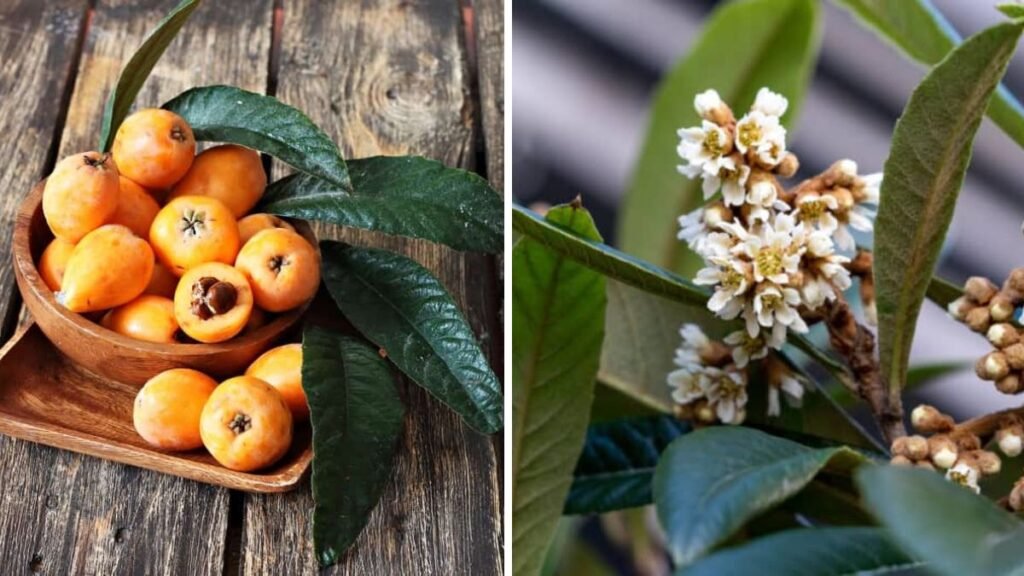
Loquats flower in cooler months. Flowers are fragrant. Pollinators are attracted naturally. Flower clusters are abundant. Weather affects bloom success. Protect flowers from frost. Flower health determines yield. Observation helps timing.
11. Fruit Set and Growth
Fruit develops slowly after bloom. Clusters form heavily. Thinning improves size. Adequate water supports growth. Stress causes fruit drop. Growth continues into spring. Patience improves flavor. Fruit development is gradual.
12. Pruning and Tree Shape
Pruning controls size and shape. Remove crossing branches. Open canopy improves airflow. Light pruning is sufficient. Avoid heavy cuts. Proper shape improves harvesting. Maintenance supports longevity. Simple pruning works.
13. Pest Resistance
Loquats are naturally pest resistant. Occasional insects may appear. Fruit flies target ripe fruit. Netting protects harvest. Natural sprays control pests. Healthy trees resist problems. Low pest pressure is beneficial.
14. Disease Resistance
Loquats experience few diseases. Good airflow prevents fungal issues. Clean gardening practices help. Remove infected material early. Healthy soil supports resistance. Disease management is minimal. Monitoring ensures health.
15. Harvesting Loquats
Harvest when fruits are fully colored. Taste test for sweetness. Cut clusters gently. Avoid pulling fruit. Ripe loquats bruise easily. Handle carefully. Proper harvest improves enjoyment. Timing is important.
16. Storage and Use
Loquats are best eaten fresh. Refrigeration extends shelf life slightly. Fruits are used in jams and desserts. Fresh flavor is unmatched. Proper handling prevents spoilage. Home use is ideal. Culinary versatility adds value.
17. Why Home Gardens Are Perfect
Home gardens suit loquats perfectly. Short shelf life is not an issue. Fresh harvesting improves taste. Trees provide shade and beauty. Minimal care is required. Home gardens benefit greatly. Loquats thrive naturally.
18. Beginner-Friendly Nature
Loquats are easy for beginners. They tolerate mistakes. Low maintenance encourages success. Trees adapt well. Minimal pruning is required. Simple care produces results. Beginners gain confidence. Success is likely.
19. Long-Term Benefits
Loquat trees produce for many years. Productivity increases with age. Trees improve property value. Fruit provides seasonal harvests. Gardening skills improve over time. Loquats become family favorites. Long-term rewards are significant.
20. Conclusion
Loquats truly are the best fruit many people have never heard of. They are easy to grow and highly productive. Home gardens are ideal for them. Minimal care yields sweet rewards. With proper planting, success is guaranteed. Loquats deserve a place in every garden. Once grown, they are unforgettable. Home gardeners will appreciate them.
📊 Table: Why Loquats Are Ideal for Home Gardens
| Feature | Advantage | Result |
|---|---|---|
| Evergreen tree | Year-round beauty | Attractive garden |
| Low maintenance | Easy care | Beginner friendly |
| Heavy fruiting | High yield | Abundant harvest |
| Pest resistance | Fewer problems | Healthy tree |