Introduction to Growing Mamey Sapote from Seed
Mamey sapote is a tropical fruit tree prized for its rich, sweet, and creamy flesh. Growing mamey sapote from seed is a rewarding experience for gardeners who enjoy long-term projects. Although the tree grows slowly at first, early stages are fascinating to observe. From day zero to seventy-seven days, visible changes occur. Understanding this early growth period improves success. Many gardeners discard seeds without realizing their potential. With correct handling, seeds germinate reliably. This guide explains the complete early growth journey clearly.
Understanding the Mamey Sapote Seed
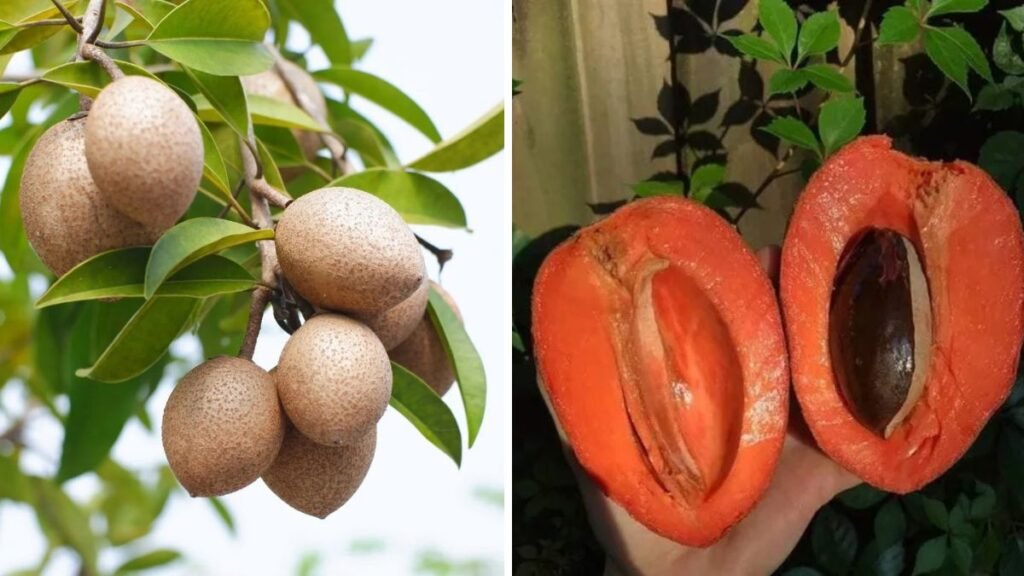
Mamey sapote seeds are large, flat, and dark brown. The seed contains strong energy reserves for early growth. Fresh seeds germinate far better than dried ones. The seed coat is firm but not extremely hard. Proper orientation during planting matters. The seed has a pointed end that influences sprouting direction. Understanding seed structure improves planting accuracy. Healthy seeds are the foundation of success.
Selecting Fresh and Healthy Seeds
Seeds should be taken from fully ripe fruits. Fresh seeds must be planted quickly for best results. Avoid cracked or damaged seeds. Wash seeds thoroughly to remove fruit residue. Any leftover pulp can cause rot. Healthy seeds feel firm and heavy. Store seeds briefly in moist conditions if needed. Seed quality determines germination speed.
Preparing Seeds for Planting
Mamey sapote seeds do not require scarification. However, soaking the seed in water for a few hours helps hydration. Do not soak longer than recommended. Excess soaking may lead to fungal issues. Allow seeds to surface dry slightly before planting. Preparation activates internal processes. Clean and hydrated seeds sprout more reliably. Simple preparation improves success.
Choosing the Right Soil Mix
Loose and well-draining soil is essential for mamey sapote. A mix of garden soil, sand, and compost works well. Soil should retain moisture lightly. Heavy soil causes root suffocation. Organic matter supports early nutrition. Good soil structure allows root expansion. Drainage holes are mandatory in containers. Soil quality affects early growth stages.
Proper Planting Technique
Plant the seed horizontally or with the pointed end slightly upward. Cover the seed lightly with soil. Do not bury too deep. Water gently after planting. Keep soil consistently moist. Avoid compacting soil tightly. Place container in warm area. Correct planting orientation supports strong sprouting.
Germination Timeline from Day Zero
During the first two weeks, internal activity increases. No visible growth appears initially. Root development starts underground. Around three to four weeks, shoots may emerge. Germination speed depends on temperature. Warm conditions accelerate sprouting. Cooler conditions slow progress. Patience is essential during this stage.
Early Sprouting Stage
Once the shoot emerges, growth becomes visible. A thick stem appears first. Leaves develop gradually. The seed often remains attached initially. Early growth focuses on stem strength. Avoid moving the plant frequently. Stability supports root development. Gentle care prevents damage.
Sunlight Requirements After Sprouting
Young seedlings prefer bright indirect sunlight. Direct harsh sunlight may stress new leaves. Gradual exposure strengthens the plant. Morning sunlight is ideal. Too little light causes weak growth. Balanced light promotes healthy leaves. Indoor seedlings should be near windows. Light management supports early development.
Watering Schedule for Seedlings
Soil should remain slightly moist at all times. Overwatering causes root rot. Underwatering slows growth. Water gently to avoid disturbing roots. Check soil moisture regularly. Drain excess water properly. Consistent watering supports healthy growth. Balance is key during early stages.
Growth Progress by Day Thirty
By day thirty, leaves become larger and greener. Stem thickens noticeably. Root system expands underground. The seed may dry and fall off naturally. Growth remains slow but steady. This stage builds foundation strength. Avoid fertilizer at this stage. Let roots establish naturally.
Nutrient Needs in Early Growth
Seedlings rely on nutrients stored in the seed. Additional fertilizer is unnecessary initially. After forty to fifty days, light organic feeding can begin. Compost tea works well. Avoid chemical fertilizers. Excess nutrients harm young roots. Gradual feeding supports development. Nutrition should be gentle.
Growth Changes Between Day Fifty and Seventy
Between fifty and seventy days, leaf production increases. The plant becomes sturdier. Root system strengthens significantly. Growth remains slow but consistent. Leaves develop waxy texture. Plant adapts to environment. Stress-free conditions are essential. This stage prepares plant for future growth.
Transplanting Considerations
Do not transplant too early. Roots are sensitive during early stages. Wait until the plant is well-established. Choose larger container with good drainage. Handle roots gently. Use fresh soil mix. Water after transplanting. Proper timing prevents shock.
Common Problems During Early Growth
Yellowing leaves indicate water issues. Slow growth may be due to low temperature. Fungal problems arise from excess moisture. Poor drainage causes root damage. Early detection prevents loss. Adjust care immediately. Healthy seedlings recover quickly. Observation is essential.
Temperature and Climate Requirements
Mamey sapote prefers warm temperatures. Cold slows growth significantly. Protect seedlings from cold drafts. Indoor growing suits cooler regions. Stable temperature improves growth. Avoid sudden temperature changes. Warmth supports root activity. Climate control helps early stages.
Table: Mamey Sapote Seed Growth Timeline
| Stage | Observation |
|---|---|
| Day zero to fourteen | Internal root development |
| Day fifteen to thirty | Shoot emergence |
| Day thirty to fifty | Leaf expansion |
| Day fifty to seventy-seven | Stem strengthening |
| After seventy-seven days | Seedling establishment |
Benefits of Growing Mamey from Seed
Seed-grown trees develop strong roots. Plants adapt better to environment. Cost is minimal. Gardening experience improves. Long-term satisfaction is high. Trees live many years. Homegrown trees are rewarding. Learning process is valuable.
Long-Term Expectations After Seedling Stage
Mamey sapote grows slowly initially. Fruiting takes several years. Proper care accelerates growth. Strong foundation ensures longevity. Patience is essential. Long-term care includes pruning and feeding. Trees improve with age. Commitment brings rewards.
Conclusion
Growing mamey sapote from seed from zero to seventy-seven days is an exciting journey. Early stages focus on root and stem development. Proper soil, water, and light ensure success. Avoid rushing growth. Patience and consistency are key. Seed-grown trees reward dedicated gardeners. Begin your mamey sapote journey with confidence.