Introduction to Persimmon Cultivation
Persimmons are delicious and nutritious fruits popular worldwide. Growing persimmons from seed is a rewarding and cost-effective method. Seed-grown trees allow gardeners to observe the full life cycle from germination to fruiting. This method produces healthy, chemical-free fruits. Persimmon trees can grow in the garden or in large containers. Patience is key as seed-grown trees take several years to bear fruit. Proper care ensures strong growth and long-term productivity. This guide provides step-by-step instructions for beginners. Growing from seed is both educational and fruitful.
Understanding Persimmon Seeds
Persimmon seeds are small, oval, and brown inside the fruit. Selecting healthy seeds is essential for successful germination. Fresh seeds from fully ripe fruits have higher viability. Seeds from unripe or damaged fruits may fail to sprout. Cleaning seeds thoroughly removes pulp and prevents fungal issues. Healthy seeds develop stronger roots and shoots. Knowledge of seed anatomy improves success rates. Proper seed selection is the foundation of healthy trees.
Selecting the Right Persimmon Fruit
Choose fully ripe, disease-free persimmons for seeds. Fruits should have vibrant color and soft texture. Avoid fruits with rot or insect damage. Multiple fruits increase germination success. Mature fruits contain viable seeds for strong seedlings. Quality seeds ensure healthy, productive plants. Seed origin affects future fruiting potential. Selecting the best fruits is crucial for success.
Preparing Persimmon Seeds for Planting
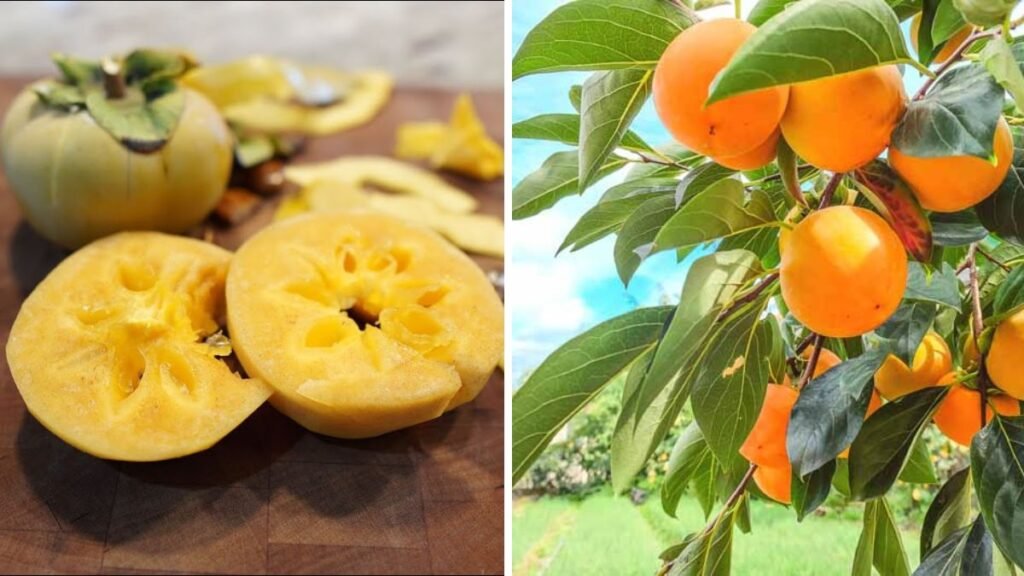
Extract seeds carefully and wash to remove all pulp. Dry seeds in the shade for a few hours. Avoid exposing seeds to direct sunlight, which may damage them. Some gardeners soak seeds in water for 12 to 24 hours to improve germination. Soaking softens the hard seed coat and promotes faster sprouting. Proper preparation ensures strong seedlings. Healthy seeds respond well to planting. Seed prep is a key step for growth.
Choosing the Right Soil Mix
Persimmons grow best in well-draining, fertile soil. Mix garden soil with sand and compost for optimal results. Slightly acidic to neutral pH is ideal. Avoid heavy clay or waterlogged soils. Fertile soil supports root development and healthy shoots. Organic matter enhances nutrient availability. Proper soil ensures faster germination. Healthy soil promotes long-term growth and fruiting.
Planting Seeds in Containers
Use small containers with drainage holes for seed planting. Plant seeds about half an inch deep. Cover lightly with soil and water gently. Keep containers in a warm, shaded area initially. Avoid pressing the soil too hard over seeds. Containers allow easy monitoring of moisture. Proper planting ensures strong root and shoot development. Container planting is beginner-friendly and manageable.
Germination Timeline and Early Care
Persimmon seeds typically germinate within three to six weeks. Roots appear first, followed by shoots. Maintain consistent moisture without overwatering. Warm conditions accelerate germination. Avoid direct sunlight for young seedlings. Patience is required as sprouting times vary. Monitor seedlings for fungal issues. Early care influences long-term plant health and vigor.
Sunlight Requirements for Seedlings
Young seedlings prefer partial sunlight initially. Morning sunlight encourages leaf growth. Avoid harsh afternoon sun that may burn delicate leaves. Gradually increase sunlight exposure as seedlings strengthen. Indoor seedlings should be near bright windows. Proper light ensures photosynthesis and root development. Balanced light prevents weak, leggy growth. Observation helps maintain healthy seedlings.
Watering Young Persimmon Plants
Keep soil slightly moist, avoiding waterlogging. Overwatering may cause root rot. Underwatering slows growth. Use gentle watering techniques to prevent soil disruption. Check soil regularly for dryness. Container seedlings dry faster than ground-grown plants. Proper hydration ensures healthy roots and foliage. Gradual adjustment supports strong early growth.
Fertilizing Seedlings
Feed young seedlings with diluted organic compost or vermicompost. Avoid chemical fertilizers at early stages. Gradually increase nutrition as plants grow. Nitrogen-rich compost promotes foliage growth. Balanced feeding ensures strong shoots and root development. Fertilizer timing is crucial for seedling health. Organic nutrition supports long-term growth. Proper care enhances future fruiting potential.
Transplanting Seedlings
Transplant seedlings when they have 4 to 6 true leaves. Choose larger containers or garden beds with fertile soil. Handle roots gently to prevent damage. Water thoroughly after transplanting. Mulch around the base to retain moisture. Partial sunlight helps seedlings adjust. Proper transplanting reduces shock. Healthy seedlings grow vigorously with careful handling.
Pruning and Training Young Trees
Prune weak or damaged shoots to encourage strong growth. Maintain a single main stem initially. Light pruning promotes branching along the central stem. Avoid cutting too many shoots early. Proper training ensures balanced canopy and sunlight exposure. Early pruning supports future fruiting. Remove overcrowded branches to prevent disease. Structured growth enhances productivity.
Fertilization for Growing Trees
Apply balanced organic fertilizers regularly. Nitrogen encourages leaf growth, while phosphorus and potassium support flowering and fruiting. Reduce feeding during dormant months. Slow-release organic fertilizers work well. Proper nutrition strengthens trees for heavy fruit loads. Monitor plant health for deficiencies. Healthy trees respond better to environmental stress. Fertilization supports consistent fruit production.
Managing Pests and Diseases
Persimmons are relatively hardy but may face aphids, mites, and fungal infections. Use neem oil or mild organic sprays. Remove infected leaves promptly. Maintain good airflow around the plant. Proper watering prevents fungal problems. Early detection helps minimize damage. Healthy plants resist pests more effectively. Regular monitoring ensures high survival rates.
Flowering and Fruit Development
Persimmons grown from seed typically flower after three to five years. Flowers are small and fragrant. Proper care, sunlight, and nutrition encourage flowering. Stress-free plants produce better fruit sets. Flowering may take slightly longer in container-grown trees. Patience is crucial for successful fruiting. Healthy flowers indicate potential for abundant harvest. Regular care promotes fruit quality.
Harvesting Persimmons
Fruits are ready when fully colored and slightly soft. Pick carefully to avoid branch damage. Harvesting every few days prevents overripening. Fresh persimmons are ideal for consumption or processing. Handle gently during collection. Homegrown fruits are more flavorful than store-bought. Proper timing ensures sweetness and nutrition. Correct harvesting maintains tree health.
Long-Term Care
Repot container-grown trees every 2 to 3 years. Maintain consistent watering, mulching, and fertilization. Prune annually to manage canopy. Protect from extreme cold or heat. Monitor for pests and diseases. Organic feeding supports healthy flowering and fruiting. Consistent long-term care ensures abundant harvests. Healthy trees last for many productive years.
Table: Persimmon Seed Growing Guide
| Stage | Requirement |
|---|---|
| Seed Selection | Fresh, mature, disease-free seeds |
| Soil | Well-draining, fertile, slightly acidic |
| Germination Time | Three to six weeks |
| Watering | Keep soil moist, avoid waterlogging |
| Sunlight | Partial sunlight for seedlings |
| Fruiting Time | Three to five years |
Benefits of Growing Persimmons at Home
Homegrown persimmons are chemical-free and fresh. They provide vitamin A, C, and antioxidants. Growing from seed is cost-effective. Container cultivation is suitable for urban spaces. Gardening enhances mental well-being. Persimmons add beauty to the landscape. Harvesting homegrown fruits encourages sustainability. Seed-grown trees ensure long-term, healthy production.
Conclusion
Growing persimmons from seed is rewarding and educational. Proper seed selection, soil preparation, watering, and fertilization ensure strong seedlings. Patience is essential, as flowering and fruiting take several years. Pruning, training, and long-term care improve productivity. Container or garden cultivation depends on space. Homegrown persimmons offer fresh, nutritious fruits. Start your seed-grown persimmon tree journey today.