Paragraph 1: Introduction to Chandni Flower Plant
Chandni flower plant, also known as Tabernaemontana or Crepe Jasmine, is a popular ornamental shrub grown widely in Indian gardens. It is loved for its white, fragrant flowers that bloom throughout the year. Many gardeners prefer growing Chandni from cuttings because it is faster and more reliable than seeds. This plant is commonly used for home gardens, temple surroundings, and decorative landscapes. Propagation from cutting ensures the same flower quality as the parent plant. The method is simple and suitable even for beginners. With proper care, cuttings grow into healthy flowering plants. This article explains the complete step-by-step process.
Paragraph 2: Why Grow Chandni from Cuttings
Growing Chandni from cuttings has several advantages over seed propagation. Cuttings produce true-to-type plants with identical flower fragrance and shape. Seed-grown plants may show variations. Cuttings establish faster and bloom earlier. This method saves time and effort for gardeners. Survival rate is higher when proper techniques are used. It is ideal for home gardeners who want quick results. Commercial nurseries also use this method widely. Overall, cutting propagation is efficient and reliable.
Paragraph 3: Best Season for Chandni Cuttings
The success of Chandni cuttings largely depends on the season. Warm and humid weather encourages faster root development. Spring and early monsoon are considered the best seasons. Avoid extreme summer heat or cold winter conditions. Morning hours are ideal for collecting cuttings. Proper temperature helps prevent moisture loss. Seasonal timing increases rooting success significantly. Healthy environmental conditions support quick establishment. Choosing the right season makes the process easier.
Paragraph 4: Selecting a Healthy Mother Plant
A healthy mother plant is the foundation of successful propagation. Choose a Chandni plant that is disease-free and actively growing. The plant should have good flowering history. Avoid plants with pest infestations or yellowing leaves. Semi-mature branches work best for cuttings. Strong parent plants produce strong offspring. Regularly pruned plants provide better cutting material. The health of the mother plant directly affects success. Careful selection is very important.
Paragraph 5: Preparing the Cuttings
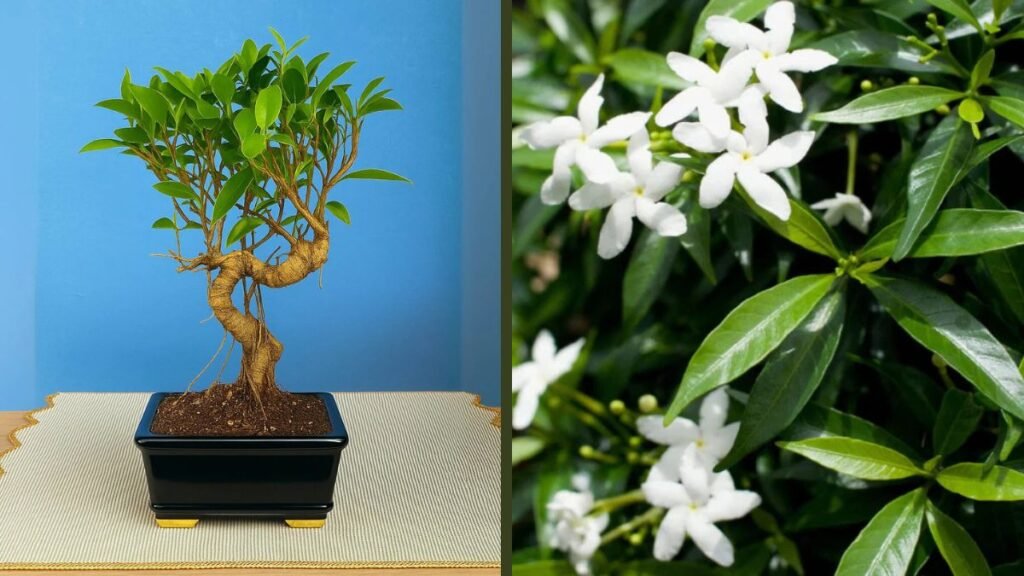
Cuttings should be taken from semi-hardwood branches. Each cutting should be moderate in length with visible nodes. Remove lower leaves completely to reduce water loss. Keep a few leaves at the top. Use sharp and clean pruning tools. Make clean cuts to prevent infection. Cuttings should be planted immediately. Proper preparation improves rooting speed. Fresh cuttings give better results.
Paragraph 6: Importance of Cutting Size
Cutting size plays an important role in success. Very thin cuttings dry quickly. Very thick cuttings take longer to root. Medium thickness cuttings root faster and survive better. Length should allow at least two nodes to be buried. Proper size balances moisture retention and strength. Correct size supports callus formation. Uniform cuttings ensure uniform growth. This small detail improves overall success rate.
Paragraph 7: Soil and Growing Medium
Well-drained soil is essential for Chandni cuttings. A mixture of garden soil, sand, and compost works well. Avoid heavy clay soil as it retains excess moisture. Good aeration supports root formation. Sterilized soil reduces fungal infection. Pots should have drainage holes. Moist but not wet soil is ideal. Proper soil ensures healthy root growth. Medium quality determines plant strength.
Paragraph 8: Planting the Cuttings
Insert the prepared cuttings gently into the soil. One or two nodes should be under the soil. Press the soil lightly around the cutting. Ensure the cutting stands upright. Water lightly after planting. Avoid disturbing the cutting afterward. Proper spacing improves airflow. Place pots in a shaded location. Correct planting ensures stability.
Paragraph 9: Maintaining Humidity
Humidity is crucial during the initial rooting stage. Keep cuttings in partial shade. Mist leaves regularly to prevent drying. Covering pots with a transparent sheet helps retain moisture. Avoid waterlogging at all times. Good humidity encourages callus formation. Gradually reduce humidity after rooting. Controlled environment improves success. Consistency is the key.
Paragraph 10: Watering Schedule
Watering should be light and regular. Overwatering leads to rot and fungal issues. Underwatering causes drying of cuttings. Check soil moisture daily. Spray watering is preferred initially. Reduce frequency once roots develop. Balanced watering supports healthy growth. Observation helps maintain proper moisture. Correct watering is essential.
Paragraph 11: Root Development Timeline
Roots usually start forming within three to four weeks. New leaf growth indicates successful rooting. Gently tug the cutting to check resistance. Avoid disturbing cuttings early. Temperature and humidity affect rooting time. Some cuttings may take longer. Patience is required. Healthy roots ensure strong plants. Success improves with practice.
Paragraph 12: Transplanting Rooted Cuttings
Once roots develop, transplant cuttings into larger pots. Handle carefully to avoid root damage. Use fertile soil mix. Water immediately after transplanting. Keep plants in shade for a few days. Gradually introduce sunlight. Avoid stress during this stage. Proper transplanting ensures survival. Growth accelerates afterward.
Paragraph 13: Fertilization for Chandni Plant
Apply light organic fertilizer after establishment. Vermicompost is ideal. Avoid chemical fertilizers initially. Monthly feeding supports growth. Excess fertilizer damages roots. Balanced nutrition promotes flowering. Healthy soil improves plant strength. Fertilization should be moderate. Organic inputs are preferred.
Paragraph 14: Sunlight Requirements
Chandni plant prefers bright indirect sunlight. Full sunlight encourages flowering. Newly transplanted plants need partial shade. Gradual exposure prevents leaf burn. Lack of sunlight reduces blooms. Choose location carefully. Balanced sunlight improves plant health. Proper light ensures continuous flowering. Sun management is important.
Paragraph 15: Pruning and Shaping
Pruning helps maintain plant shape. Remove weak and dead branches. Regular trimming encourages bushy growth. Pruning improves airflow and sunlight penetration. It also promotes more flowering. Avoid heavy pruning during flowering. Proper shaping enhances appearance. Controlled growth keeps plant healthy. Pruning is essential maintenance.
Paragraph 16: Pest and Disease Control
Chandni plants may face pests like aphids and mealybugs. Inspect plants regularly. Neem oil spray is effective and safe. Remove infected parts immediately. Avoid water stress to reduce disease risk. Good hygiene prevents infections. Healthy plants resist pests naturally. Early control saves plants. Organic solutions are recommended.
Paragraph 17: Flowering and Bloom Cycle
Chandni flowers bloom almost year-round with proper care. Flowering begins within a few months of planting. Regular feeding improves bloom quantity. Deadheading encourages new buds. Stress conditions reduce flowering. Balanced care ensures continuous blooms. Fragrance is strongest in fresh flowers. Bloom cycle depends on maintenance.
Paragraph 18: Table – Benefits of Growing Chandni from Cuttings
Table: Advantages Overview
Row One: Faster growth compared to seed method
Row Two: True-to-type flowers and fragrance
Row Three: High success rate for home gardeners
Row Four: Early and continuous flowering
Row Five: Easy maintenance and propagation
Paragraph 19: Common Mistakes to Avoid
Using very soft or woody cuttings reduces success. Overwatering causes rot. Poor soil delays rooting. Ignoring humidity dries cuttings. Using infected mother plants spreads disease. Early transplanting damages roots. Lack of shade causes stress. Learning from mistakes improves results. Careful attention is necessary.
Paragraph 20: Conclusion
Growing Chandni flower plant from cutting is simple and rewarding. It allows gardeners to enjoy fragrant flowers quickly. With basic care, high success is achievable. This method is ideal for beginners and professionals. Proper technique ensures healthy plants. Chandni enhances garden beauty naturally. Practice improves skills. Start with a few cuttings and expand gradually. Gardening becomes joyful with Chandni flowers.