Paragraph 1: Introduction to Bucket Passion Fruit Gardening
Passion fruit is a vigorous climbing vine. Many believe it requires large land space. Surprisingly, it grows well in paint buckets. Container gardening suits urban homes. Buckets provide controlled growing conditions. Passion fruit adapts well to confined roots. With proper care, yield remains high. This article explains efficient bucket techniques.
Paragraph 2: Why Paint Buckets Work Well
Paint buckets are strong and durable. They retain moisture effectively. Buckets are easy to move. Cost is minimal. Recycling reduces waste. Proper drainage converts them into perfect planters. Buckets support deep roots. They are ideal for climbers.
Paragraph 3: Selecting the Right Passion Fruit Variety
Purple passion fruit suits containers well. Compact varieties grow better. Disease-resistant types last longer. Local climate varieties perform best. Seed-grown and cutting-grown plants both work. Healthy planting material matters. Variety choice affects yield. Selection is the foundation.
Paragraph 4: Preparing the Paint Bucket
Clean bucket thoroughly. Remove paint residue. Drill multiple drainage holes. Ensure proper airflow. Bucket depth should be adequate. Clean containers prevent root damage. Safety is important. Preparation ensures plant health.
Paragraph 5: Soil Mix for Bucket Passion Fruit
Use lightweight soil mix. Combine garden soil with compost. Add sand for drainage. Organic matter improves fertility. Avoid heavy clay soil. Balanced soil supports vine growth. Healthy roots ensure productivity. Soil quality matters most.
Paragraph 6: Planting Method
Plant seedlings carefully. Avoid damaging roots. Place plant at center. Fill soil firmly but loosely. Water thoroughly after planting. Secure young vine gently. Early stability helps growth. Proper planting ensures success.
Paragraph 7: Sunlight Requirements
Passion fruit needs full sunlight. Six to eight hours is ideal. Insufficient light reduces flowering. Place bucket in open area. Rotate if necessary. Sunlight drives photosynthesis. Good exposure increases yield. Light is essential.
Paragraph 8: Watering in Containers
Buckets dry faster than ground soil. Water regularly but avoid waterlogging. Check moisture frequently. Morning watering is best. Mulching reduces evaporation. Consistent moisture prevents stress. Proper watering encourages flowering. Balance is key.
Paragraph 9: Supporting the Vine
Passion fruit vines need support. Install trellis or wires. Guide vine upward. Strong support prevents breakage. Vertical growth saves space. Better airflow reduces disease. Support improves fruit exposure. Training the vine increases yield.
Paragraph 10: Fertilization Schedule
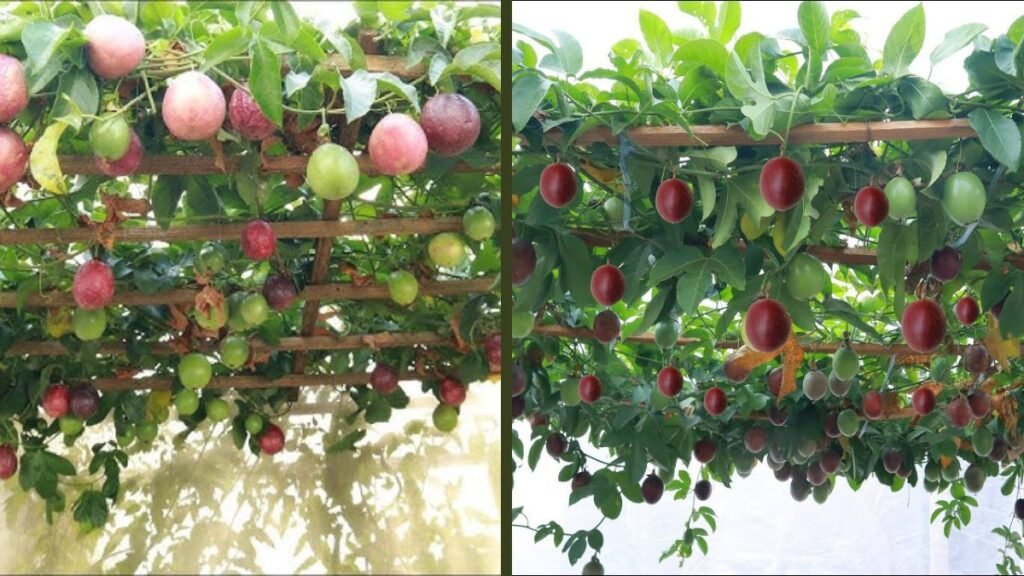
Feed regularly with organic fertilizer. Nitrogen supports vine growth. Phosphorus boosts flowering. Potassium improves fruit size. Liquid compost works well. Small frequent feeding is best. Avoid overfeeding. Balanced nutrition is essential.
Paragraph 11: Pruning for Better Yield
Prune excess growth regularly. Remove weak branches. Focus energy on fruiting vines. Pruning improves airflow. Reduces pest issues. Encourages new shoots. Fruit forms on new growth. Pruning increases productivity.
Paragraph 12: Flowering and Pollination
Healthy vines produce many flowers. Pollination improves fruit set. Natural pollinators help outdoors. Hand pollination helps indoors. Stable environment prevents flower drop. Flower care determines yield. Pollination is crucial. Attention increases success.
Paragraph 13: Pest and Disease Control
Aphids and caterpillars attack vines. Neem oil controls pests naturally. Inspect leaves regularly. Remove infected parts early. Good airflow reduces disease. Avoid water stress. Prevention protects yield. Healthy vines resist pests.
Paragraph 14: Growth Timeline
Vines grow rapidly in warm weather. Flowering begins within months. Fruits mature after flowering. Regular care speeds growth. Harvest continues for long periods. Container vines can be long-lasting. Patience is rewarded. Growth is vigorous.
Paragraph 15: Harvesting Passion Fruits
Fruits fall when ripe. Collect gently. Avoid pulling immature fruits. Ripe fruits have strong aroma. Harvest regularly. Timely harvesting improves taste. Gentle handling prevents damage. Enjoy fresh harvests.
Paragraph 16: Post-Harvest Maintenance
Continue watering and feeding. Remove old branches. Encourage new shoots. Vines can fruit multiple times. Maintain support structure. Post-harvest care extends life. Healthy vines keep producing. Consistency matters.
Paragraph 17: Table – Passion Fruit Bucket Guide
Table: Passion Fruit in Paint Bucket Essentials
Aspect | Recommended Practice
Container | Clean paint bucket
Soil | Light and compost-rich
Sunlight | Full exposure
Watering | Regular and balanced
Support | Trellis or wire
Pruning | Regular maintenance
Paragraph 18: Growing in Small Spaces
Buckets fit balconies and terraces. Vertical growth saves space. Easy to relocate. Urban gardeners benefit greatly. Small areas become productive. Gardening becomes accessible. Limited space is no barrier. Creativity solves problems.
Paragraph 19: Common Mistakes to Avoid
Overwatering causes root rot. Lack of support damages vines. Skipping pruning reduces yield. Poor sunlight limits flowering. Ignoring pests reduces productivity. Learning mistakes improves results. Experience builds confidence. Observation is essential.
Paragraph 20: Conclusion
Growing passion fruit in paint buckets is practical and efficient. With proper care, yield remains high. Buckets suit small spaces perfectly. Balanced watering and feeding are key. Support and pruning enhance productivity. Anyone can grow passion fruit at home. Start small and expand gradually. Enjoy fresh, homegrown passion fruits.