Introduction to Mogra Plant
Mogra, also known as Arabian jasmine, is one of the most loved fragrant flowering plants. It is widely grown in home gardens, temples, and balconies. The sweet fragrance of mogra flowers makes it highly popular. Mogra plants are evergreen shrubs that grow well in warm climates. Propagation is usually done through cuttings, but leaf propagation is gaining attention. Although slower, leaf propagation can be successful with proper technique. This method is useful when stem cuttings are limited. Understanding the process is essential.
Can Mogra Grow from Leaf Propagation
Mogra leaf propagation is possible under controlled conditions. Unlike stem cuttings, leaves take more time to develop roots. Success depends on leaf health and moisture management. The leaf must include a small portion of the node. Without a node, root development is unlikely. This method requires patience and care. While not the fastest, it is an interesting technique for gardeners. Proper environment improves results. This method is best for experimentation.
Why Try Mogra Leaf Propagation
Leaf propagation allows plant multiplication without damaging the parent plant. It is useful when cuttings are unavailable. This method requires minimal plant material. It is ideal for indoor gardeners. It also helps understand plant growth behavior. Though success rate is lower, results are rewarding. Leaf propagation is cost-effective. It is suitable for small-scale gardening.
Best Time for Mogra Leaf Propagation
Warm and humid conditions favor leaf propagation. Spring and early summer are ideal seasons. Avoid winter due to slow growth. Moderate temperature supports root initiation. Early morning leaf collection is recommended. Avoid extremely hot weather. Proper seasonal timing increases success chances. Environmental stability is important.
Selecting Healthy Mogra Leaves
Choose mature, healthy leaves from a disease-free plant. Leaves should be green and firm. Avoid old or damaged leaves. Select leaves with a small petiole and node. Healthy leaves contain stored energy. This supports root formation. Poor leaf selection leads to failure. Quality material improves outcomes.
Preparing Leaves for Propagation
Use a clean blade to cut the leaf. Include a small part of the stem node. Allow the cut surface to dry slightly. This reduces rotting. Optional rooting hormone can be applied. Do not damage the leaf surface. Gentle handling is essential. Preparation plays a key role.
Soil Medium for Leaf Propagation
Light and well-drained medium works best. Use coco peat and sand mixture. Soil should retain moisture but not remain wet. Sterile medium prevents fungal infection. Fill shallow pots or trays. Lightly moisten before planting. Proper medium supports root growth.
Planting Mogra Leaves
Insert the leaf node into the soil gently. Do not bury the entire leaf. Keep leaf upright or slightly angled. Firm soil around the base. Water lightly after planting. Avoid excess moisture. Proper planting ensures contact with medium.
Humidity and Moisture Control
High humidity is essential for leaf propagation. Cover the pot with a transparent cover. This creates a greenhouse effect. Open daily for air circulation. Keep soil moist, not wet. Mist leaves if needed. Proper humidity prevents drying.
Light and Temperature Conditions
Place pots in bright indirect light. Avoid direct sunlight. Warm temperature encourages root growth. Indoor placement works well. Stable conditions improve success. Sudden changes stress the leaf. Balanced light and warmth are essential.
Root and Shoot Development
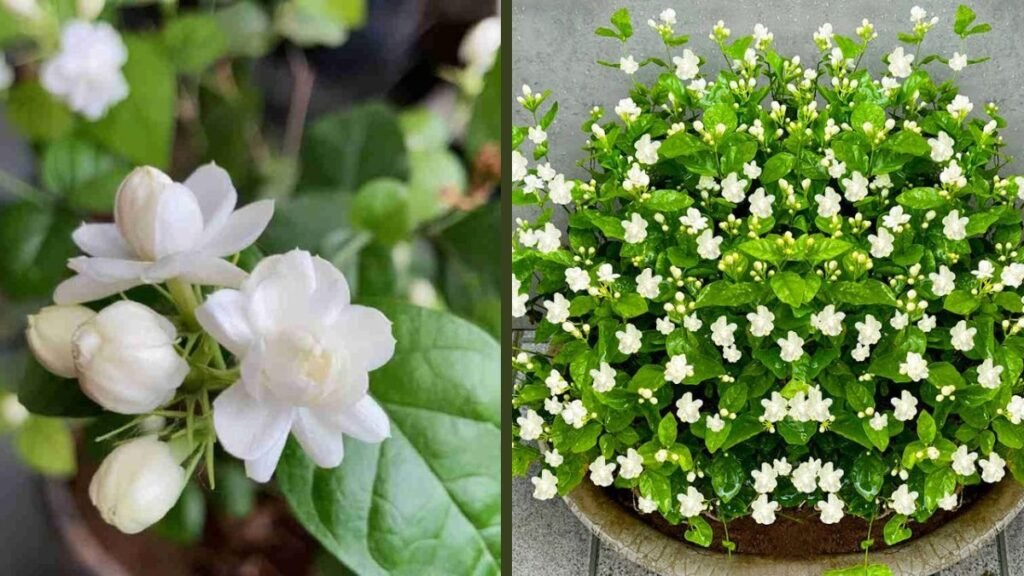
Rooting may take four to six weeks. Shoots appear later. Be patient during this phase. Healthy leaves remain green. Yellowing indicates stress. Avoid disturbing the leaf. Successful propagation requires time. Observation is important.
Transplanting Young Mogra Plants
Once roots and shoots develop, transplant carefully. Use small pots initially. Handle gently to protect roots. Gradual exposure to sunlight is recommended. Water after transplanting. Avoid fertilizer initially. Proper transplanting ensures survival.
Fertilizer Use for Young Plants
Apply light organic fertilizer after establishment. Compost tea works well. Avoid chemical fertilizers early. Balanced nutrients support growth. Overfeeding harms young plants. Gradual feeding improves health.
Common Problems in Leaf Propagation
Leaf rot due to excess moisture is common. Lack of node prevents rooting. Poor light slows growth. Low humidity causes drying. Patience is required. Adjust conditions if needed. Learning improves success.
Advantages of Leaf Propagation
Requires minimal plant material. Useful for rare plants. Interesting gardening technique. Low cost method. Suitable for indoor gardening. Educational for beginners. Encourages experimentation.
Comparison: Stem vs Leaf Propagation
| Aspect | Stem Cutting | Leaf Propagation |
|---|---|---|
| Speed | Fast | Slow |
| Success Rate | High | Moderate |
| Skill Required | Basic | Moderate |
| Plant Material | More | Less |
| Reliability | High | Experimental |
Mogra in Pots and Balconies
Mogra grows well in pots. Ideal for balconies. Leaf-propagated plants adapt slowly. Regular pruning helps shape. Adequate sunlight ensures flowering. Pots allow easy management. Fragrance enhances living spaces.
Long-Term Care of Mogra Plants
Regular watering is required. Avoid waterlogging. Prune after flowering. Provide sunlight. Organic feeding improves blooms. Pest management keeps plants healthy. Long-term care ensures continuous flowering.
Cultural and Aromatic Importance
Mogra flowers are used in garlands. They hold cultural significance. Fragrance is calming. Widely used in perfumes. Growing mogra at home has emotional value. Propagation supports tradition.
Environmental Benefits
Mogra improves air quality. Supports pollinators. Low maintenance plant. Suitable for sustainable gardening. Enhances green spaces. Propagation encourages home gardening.
Conclusion
Mogra leaf propagation is a slow but rewarding method. With patience and proper care, success is possible. This technique is ideal for experimentation and small-scale gardening. It allows propagation with minimal plant material. Understanding correct conditions is essential. Though stem cuttings are faster, leaf propagation has its own value. Gardeners can enjoy growing fragrant mogra naturally at home.