Introduction to Vertical Summer Gardening
Summer vegetables grow fast and need space, which is often limited in home gardens. Vertical gardening solves this problem efficiently. By training plants upward, gardeners can grow more food in less area. Vertical methods improve airflow, sunlight exposure, and plant health. This technique is ideal for urban homes, balconies, and small yards. Vertical gardening also reduces pest damage. With simple supports, summer vegetables thrive beautifully.
Why Vertical Gardening Works
Plants naturally seek sunlight. Vertical growth allows better light exposure. Soil space is used efficiently. Airflow reduces disease risk. Fruits stay clean and healthy. Harvesting becomes easier. Vertical gardening mimics natural climbing behavior.
Best Summer Vegetables for Vertical Growth
Cucumbers climb easily. Beans grow upward naturally. Bitter gourd and bottle gourd perform excellently. Tomatoes benefit from support. Peas grow well vertically. Selecting the right vegetables ensures success.
Choosing the Right Support Structures
Bamboo poles are affordable and strong. Trellises provide stability. Old ropes and nets can be reused. Support should match plant weight. Proper structure prevents collapse. Good support is essential.
Preparing Soil for Vertical Crops
Loose, fertile soil is important. Compost improves structure. Good drainage prevents root rot. Healthy soil supports strong vertical growth. Soil preparation reduces maintenance later.
Container Vertical Gardening
Containers work well for balconies. Use deep pots. Ensure drainage holes. Lightweight supports are ideal. Container gardening is flexible and mobile.
Training Plants to Grow Upward
Guide young vines gently. Tie loosely with cloth. Avoid tight knots. Early training prevents damage. Plants adapt quickly when guided early.
Watering Vertical Vegetables
Vertical plants dry faster. Water deeply at roots. Mulching helps retain moisture. Drip watering works best. Balanced watering prevents stress.
Fertilization for Vertical Growth
Vertical plants need steady nutrients. Organic compost works best. Liquid feeds are helpful. Avoid overfeeding nitrogen. Balanced nutrition supports fruiting.
Pest Management in Vertical Gardens
Vertical growth reduces soil pests. Leaves dry faster. Neem spray controls insects. Easy inspection reduces infestation. Healthier plants resist pests.
Space Saving Advantages
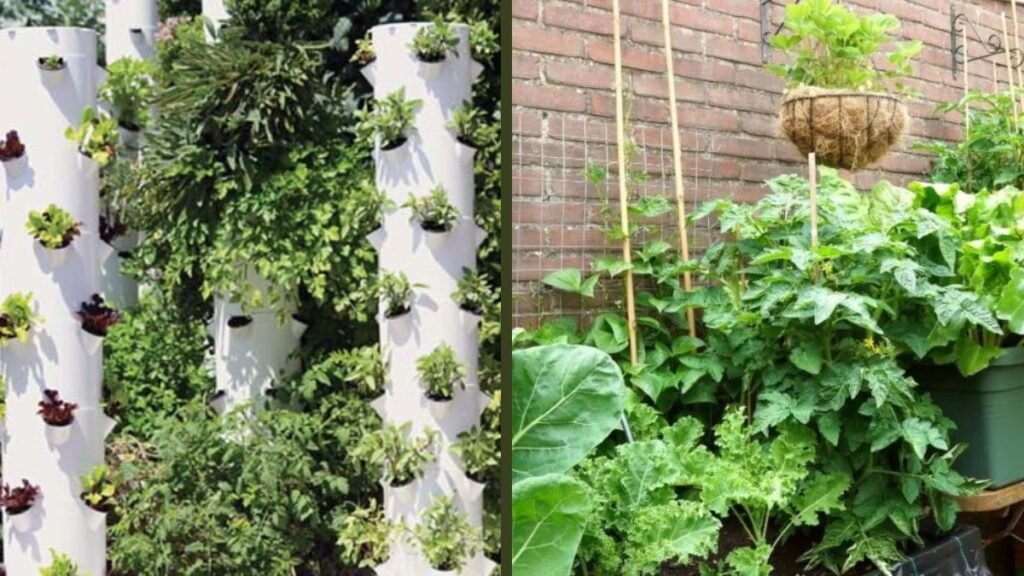
Vertical gardening multiplies growing area. Ideal for small homes. More vegetables in less space. Efficient land use increases productivity.
Improved Yield and Quality
Better sunlight improves taste. Airflow reduces disease. Fruits grow uniformly. Harvest quantity increases. Quality improves noticeably.
Seasonal Planning for Summer
Plant before peak summer heat. Provide shade if needed. Vertical structures help airflow. Seasonal planning ensures healthy growth.
Vertical Gardening on Terraces
Terraces are perfect for vertical setups. Use lightweight frames. Wind protection is necessary. Secure structures well.
Common Errors to Avoid
Weak supports collapse easily. Overcrowding reduces airflow. Poor watering stresses plants. Avoid these mistakes for success.
Table: Ground vs Vertical Gardening
| Aspect | Ground Growing | Vertical Growing |
|---|---|---|
| Space Usage | High | Low |
| Airflow | Limited | Excellent |
| Disease Risk | Higher | Lower |
| Harvest Ease | Difficult | Easy |
| Yield per Area | Moderate | High |
Cost-Effective Vertical Ideas
Reuse old materials. Bamboo is inexpensive. DIY trellises save money. Vertical gardening is affordable.
Maintenance Benefits
Less bending required. Easy pruning and harvesting. Cleaner vegetables. Reduced soil contact.
Sustainability Advantages
Uses less land. Reduces chemical use. Encourages reuse. Environmentally friendly method.
Suitable for Beginners
Easy to learn. Quick results. Forgiving method. Builds gardening confidence.
Conclusion
Vertical gardening transforms summer vegetable production at home. It saves space, improves yield, and simplifies care. With simple supports and smart planning, anyone can grow abundant vegetables even in small spaces.