Introduction to High-Yield Potato Growing
Potatoes are one of the most widely grown food crops, yet many gardeners experience low yields due to improper techniques. High-yield potato growing is not about using chemicals but about combining the right methods. When soil preparation, planting depth, watering, and earthing up are done correctly, results improve dramatically. This technique works well for home gardens and village farms. It focuses on maximizing tuber formation rather than leaf growth. Even small spaces can produce impressive harvests. Understanding the perfect combination is the key. This guide explains every step clearly and practically.
Understanding the Potato Growth Cycle
Potatoes grow from seed tubers rather than true seeds. Shoots emerge from the eyes of the tuber. Underground stems later form new potatoes. Each stage requires different care. Early growth focuses on shoots and roots. Later growth focuses on tuber expansion. Knowing this cycle helps gardeners act at the right time. Proper timing directly affects yield. Understanding growth stages prevents common mistakes.
Selecting the Right Potato Variety
Choosing the right variety is the first step toward high yield. Local varieties adapt better to climate and soil. Disease-resistant potatoes reduce crop loss. Early-maturing varieties suit short seasons. Medium-sized seed potatoes perform best. Avoid damaged or diseased tubers. Healthy planting material ensures strong growth. Variety choice influences both quantity and quality.
Preparing Seed Potatoes Correctly
Seed potatoes should be sprouted before planting. Keep them in a cool, bright place. Small sprouts indicate readiness. Large, weak sprouts should be avoided. Cutting large potatoes into pieces is possible if each piece has eyes. Allow cut pieces to dry before planting. This prevents rot. Proper preparation improves germination rate.
Soil Preparation for Maximum Yield
Loose, fertile soil is essential for potato growth. Compact soil restricts tuber expansion. Mixing compost with garden soil improves structure. Sand improves drainage. Avoid heavy clay soil. Organic matter provides nutrients throughout the season. Proper soil preparation directly increases yield. Healthy soil equals healthy potatoes.
The Perfect Planting Depth Technique
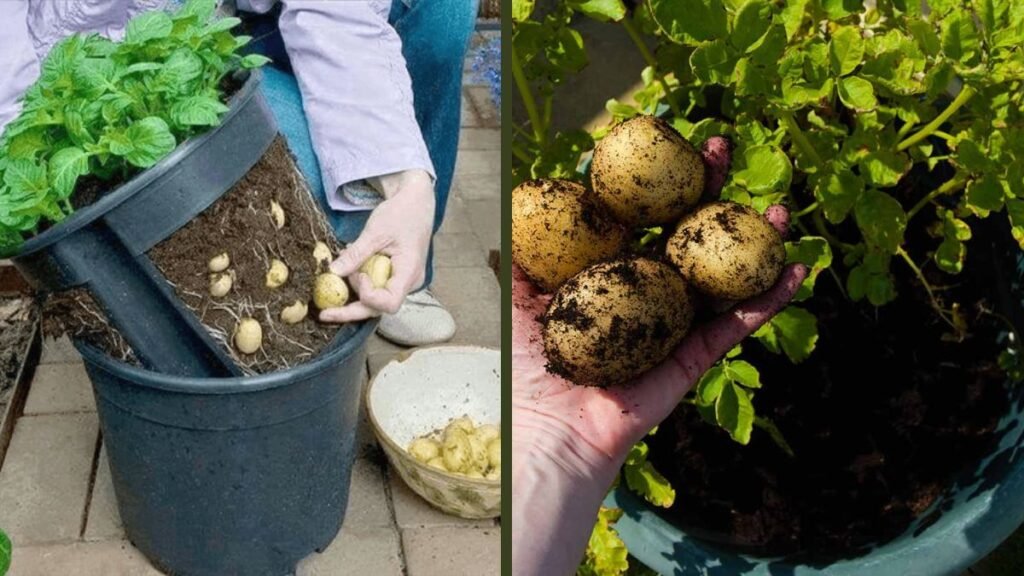
Planting depth affects tuber formation. Shallow planting leads to exposed potatoes. Deep planting delays emergence. A balanced depth of four to six inches is ideal. Cover lightly at first. Gradually add soil as plants grow. This technique encourages multiple layers of tubers. Correct depth is part of the perfect combination.
Spacing for High Production
Spacing determines how many potatoes develop. Overcrowding reduces tuber size. Adequate spacing allows airflow and sunlight. Plants need room for roots to expand. Proper spacing reduces disease. Balanced spacing improves both size and number of potatoes. This step is often overlooked. Correct spacing boosts yield significantly.
Watering Strategy for Potatoes
Potatoes need consistent moisture. Dry soil causes cracked tubers. Overwatering leads to rot. Deep watering once or twice a week is ideal. Soil should remain moist, not soggy. Watering is especially important during tuber formation. Balanced moisture improves smoothness and size. Water management is critical.
Earthing Up – The Yield Booster
Earthing up means adding soil around growing stems. This protects developing tubers from sunlight. It encourages new tubers to form. Earthing up should be done gradually. Repeat two or three times during growth. This technique alone can double yield. It is a key part of high-yield potato farming.
Fertilizing with the Right Balance
Potatoes need balanced nutrition. Too much nitrogen causes leafy growth. Potassium improves tuber quality. Compost and wood ash work well. Organic fertilizers release nutrients slowly. Feeding at the right stage improves yield. Avoid overfeeding. Balanced fertilization supports healthy tubers.
Sunlight Requirements
Potatoes grow best in full sunlight. Six to eight hours daily is ideal. Lack of sunlight reduces photosynthesis. Weak plants produce fewer potatoes. Proper sunlight supports strong growth. Placement of plants matters. Sun exposure is part of the perfect combination.
Weed and Pest Control Naturally
Weeds compete for nutrients. Regular weeding is necessary. Mulching helps suppress weeds. Potato pests can be controlled naturally. Neem spray works effectively. Healthy plants resist pests better. Natural control methods protect soil health. Clean cultivation improves yield.
Disease Prevention Techniques
Diseases reduce yield significantly. Good airflow prevents fungal problems. Avoid overhead watering. Remove infected leaves early. Crop rotation reduces soil-borne disease. Healthy soil reduces disease risk. Prevention is easier than treatment. Clean practices protect harvest.
Monitoring Growth Stages
Observing plants helps detect problems early. Yellowing leaves signal nutrient issues. Wilting indicates water stress. Flowering usually means tubers are forming. Regular monitoring improves decision-making. Timely action prevents yield loss. Observation is a valuable tool.
Harvesting at the Right Time
Harvesting too early reduces yield. Harvesting too late risks disease. Yellowing leaves indicate readiness. Stop watering before harvest. Dry soil makes harvesting easier. Proper timing ensures maximum size. Harvest carefully to avoid damage.
Post-Harvest Handling
Clean potatoes gently. Do not wash immediately. Allow skin to harden in shade. Proper curing improves storage life. Handle carefully to avoid bruises. Good handling preserves quality. Post-harvest care matters.
Comparison Table: Traditional vs High-Yield Technique
| Aspect | Traditional Method | High-Yield Technique |
|---|---|---|
| Soil Preparation | Basic | Rich and Loose |
| Earthing Up | Rare | Regular |
| Water Control | Irregular | Balanced |
| Yield Size | Medium | High |
| Efficiency | Moderate | Excellent |
Economic Benefits of High-Yield Growing
Higher yield reduces food cost. Less land produces more food. Organic methods save money. Suitable for small farmers. Efficient use of resources. High productivity increases income. Practical and economical method.
Sustainability and Soil Health
Organic practices improve soil structure. Reduced chemical use protects environment. Crop rotation maintains fertility. Sustainable methods ensure long-term productivity. Healthy soil supports future crops.
Conclusion
High-yield potato growing depends on the perfect combination of soil, water, spacing, and care. By following these techniques, gardeners can dramatically improve harvest size and quality. This method proves that smart practices matter more than large land areas.