Introduction to Hanging Strawberry Gardening
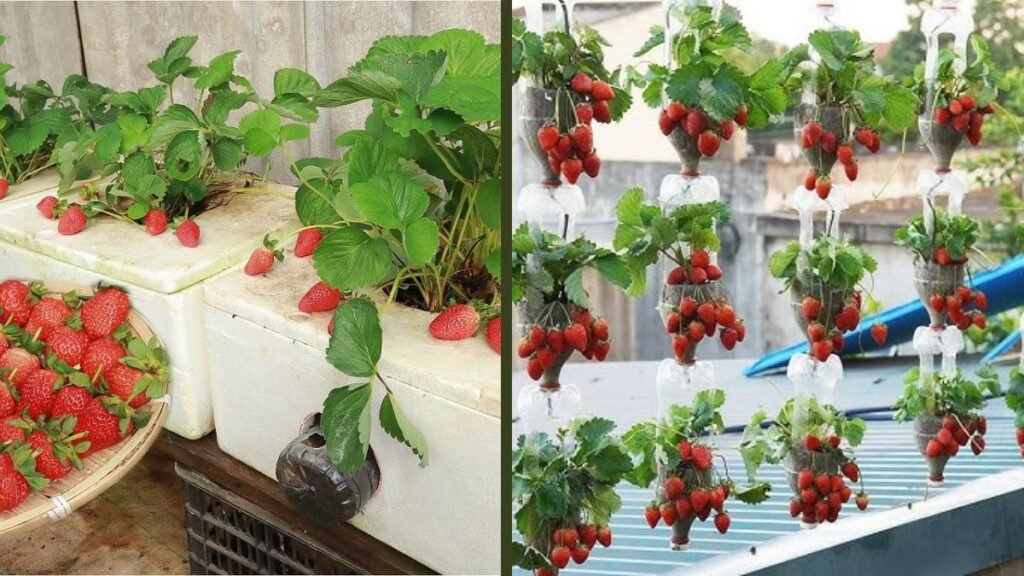
Strawberries are one of the most loved fruits across the world. Many people believe strawberries require large garden beds, but hanging tubs make it possible to grow them anywhere. This eco-friendly hack transforms unused space into a productive fruit garden. Hanging tubs improve airflow and sunlight exposure. They also protect fruits from soil pests. This method is ideal for balconies, terraces, and rooftops. With proper care, strawberries produce continuously. Anyone can enjoy fresh, sweet strawberries at home using this simple system.
Why Hanging Tubs Are Perfect for Strawberries
Hanging tubs keep plants off the ground. This prevents fungal diseases and fruit rot. Air circulation improves significantly. Pests like ants and snails are reduced. Tubs retain moisture efficiently. Hanging systems save floor space. Plants receive even sunlight exposure. This setup increases both fruit quality and yield.
Choosing the Right Strawberry Variety
Ever-bearing and day-neutral varieties work best. These produce fruits multiple times a year. Compact plants suit hanging tubs well. Disease-resistant varieties reduce maintenance. Choose varieties suited to your climate. Proper selection improves sweetness and size. Variety choice directly affects productivity. Healthy varieties ensure long harvest periods.
Preparing Hanging Tubs
Use lightweight plastic or fiber tubs. Drill multiple drainage holes at the bottom. Clean tubs thoroughly before use. Attach strong hooks or ropes. Ensure tubs are securely hung. Add stones for drainage at the base. Proper preparation prevents waterlogging. Strong support ensures plant safety.
Best Soil Mix for Strawberries
Strawberries prefer loose, fertile soil. Mix garden soil, compost, and cocopeat. Add vermicompost for nutrition. Soil should drain well but stay moist. Avoid heavy clay soil. Good soil improves root growth. Healthy roots produce sweeter fruits. Soil quality directly affects harvest size.
Planting Strawberry Runners
Use healthy runners or nursery plants. Plant one or two per tub. Position roots carefully without bending. Cover roots lightly with soil. Keep the crown above soil level. Water gently after planting. Proper planting ensures faster establishment. Healthy starts lead to higher yields.
Sunlight Requirements
Strawberries need five to six hours of sunlight. Hang tubs in bright locations. Avoid extreme afternoon heat. Rotate tubs if needed. Sunlight improves sugar content. Proper exposure enhances fruit color. Balanced light prevents leaf stress.
Watering Schedule
Water regularly but lightly. Hanging tubs dry faster than ground soil. Check moisture daily. Morning watering is best. Avoid water stagnation. Consistent moisture supports flowering. Proper watering prevents bitter fruits.
Organic Fertilization
Feed plants every two weeks. Use compost tea or liquid vermicompost. Potassium improves fruit sweetness. Avoid excessive nitrogen. Balanced feeding supports continuous fruiting. Organic fertilizers improve soil health. Proper nutrition boosts yield.
Mulching Benefits
Use dry leaves or straw mulch. Mulching retains moisture. Prevents soil splashing on fruits. Keeps roots cool. Reduces watering frequency. Improves fruit cleanliness. Mulching enhances overall plant health.
Pollination Techniques
Strawberries benefit from natural pollination. Bees help outdoors. Gentle shaking helps indoors. Hand pollination improves fruit size. Morning pollination is effective. Good pollination prevents misshapen fruits.
Pruning and Runner Control
Remove excess runners regularly. This directs energy to fruiting. Trim old or damaged leaves. Pruning improves airflow. Healthy plants focus on fruit production. Controlled growth increases yield.
Pest and Disease Prevention
Common pests include aphids and mites. Neem oil works well. Inspect leaves weekly. Remove infected parts immediately. Hanging tubs reduce pest access. Healthy plants resist diseases naturally.
Flowering and Fruiting Stage
Flowers appear after healthy leaf growth. Maintain steady watering. Avoid stress during this stage. Balanced nutrition is crucial. Healthy flowers produce uniform fruits. Proper care ensures continuous harvest.
Harvesting Strawberries
Harvest when fruits turn bright red. Pick gently by hand. Avoid pulling plants. Harvest in morning for best flavor. Frequent picking encourages more fruits. Fresh strawberries taste best.
Post-Harvest Handling
Consume fruits fresh when possible. Store briefly in cool place. Avoid washing before storage. Handle gently to avoid bruising. Homegrown strawberries have superior taste.
Strawberry Growth Monitoring Table
| Factor | Ideal Condition | Benefit |
|---|---|---|
| Soil | Loose and fertile | Sweet fruits |
| Water | Regular moisture | Continuous harvest |
| Sunlight | Partial to full | Better flavor |
| Feeding | Organic nutrients | High yield |
Common Mistakes to Avoid
Overwatering causes root rot. Poor sunlight reduces fruiting. Ignoring runners lowers yield. Weak hanging support is risky. Avoid overcrowding. Awareness ensures success.
Environmental Benefits
Reuses plastic tubs. Reduces food miles. Saves water. Encourages organic growing. Promotes sustainable living. Small actions create eco-friendly impact.
Final Conclusion
Hanging tubs full of strawberries are a smart, eco-friendly gardening solution. With proper soil, sunlight, watering, and care, anyone can enjoy fresh strawberries at home. This method saves space, reduces pests, and increases yield. Hanging strawberry gardening proves that even small spaces can produce big rewards.