Onions are a kitchen essential—adding flavor, nutrition, and aroma to almost every dish. But did you know you don’t need a garden bed to grow them? With container gardening, you can cultivate onions right on your balcony, terrace, or patio, achieving a big, satisfying harvest even in limited spaces.
This guide will reveal the secrets to growing onions in containers, from selecting the right varieties and soil mix to watering, fertilization, and harvesting techniques that maximize yield.
Why Grow Onions in Containers?
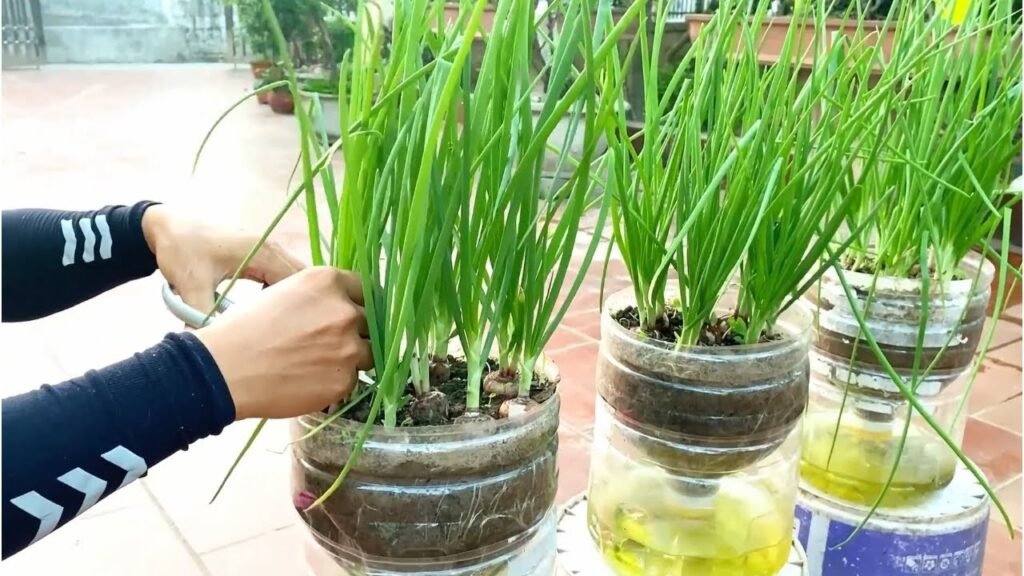
Container onion gardening is perfect for urban gardeners, apartment dwellers, and small-space enthusiasts. Here’s why:
- Space-efficient: Ideal for terraces, balconies, or patios
- Portability: Move containers to follow sunlight or avoid extreme weather
- Controlled growth: Manage soil quality, moisture, and nutrients easily
- Pest reduction: Elevating onions reduces exposure to soil pests
- High yield: Proper care can produce large, healthy bulbs in small containers
Even a few containers can supply enough onions for a household, saving money and ensuring fresh, chemical-free produce.
Step 1: Choosing the Right Container
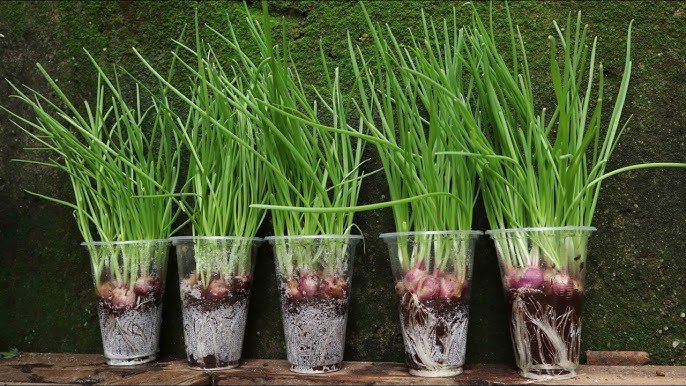
Container choice is crucial for growing big onions. The container must provide enough space for root development.
Container Guidelines
- Size: Minimum 8–12 inches deep and wide per container
- Material: Plastic tubs, grow bags, ceramic pots, or wooden boxes
- Drainage: Ensure 4–6 holes at the bottom
- Shape: Taller containers allow more room for bulb development
Pro Tip: Fabric grow bags are excellent because they allow air pruning of roots, which improves bulb size and quality.
Step 2: Preparing the Container
- Wash the container thoroughly if reused.
- Place a layer of small stones or broken pottery at the bottom for drainage.
- Position the container in a sunny spot receiving 6–8 hours of sunlight daily.
- Fill the container with a fertile, well-draining soil mix (see next step).
Proper preparation ensures onions grow healthy, strong, and capable of forming large bulbs.
Step 3: Preparing the Soil Mix
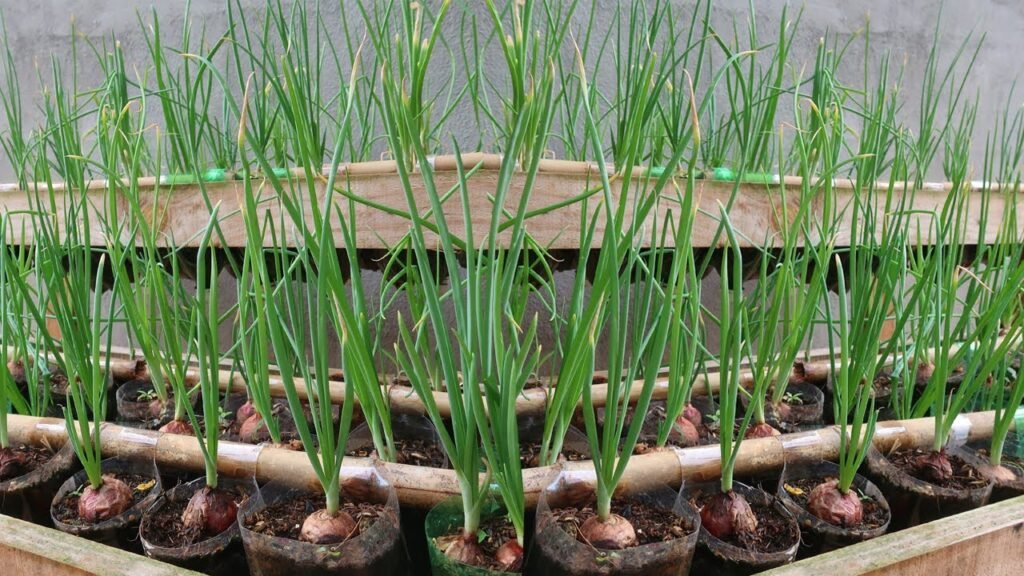
Onions need loose, nutrient-rich soil that retains moisture but drains well.
Ideal Soil Mix
- 50% garden soil
- 30% compost or vermicompost
- 20% sand or cocopeat for drainage
Optional Additives
- Bone meal for root and bulb development
- Wood ash or potash to encourage larger bulbs
- Neem cake to prevent pests
Mix thoroughly to create a light, airy, fertile environment for onion roots to spread and bulbs to grow large.
Step 4: Choosing the Right Onion Variety
The variety you choose affects harvest size, speed, and container suitability.
Recommended Varieties for Containers
- Red onions: Sweet and mild, ideal for salads
- White onions: Fast-growing and versatile
- Small-bulb varieties: Compact, suitable for limited space
- Hybrid varieties labeled “container-friendly”
Select varieties suited to your climate and growing conditions for optimal yield.
Step 5: Planting Onions in Containers
Onions can be grown from seeds, sets, or seedlings, depending on availability.
From Seeds
- Sow seeds 1/2 inch deep in seed trays or small pots.
- Keep soil moist until germination (7–10 days).
- Transplant seedlings to containers once they have 3–4 true leaves.
From Sets or Seedlings
- Plant sets 1–2 inches deep, spaced 2–3 inches apart.
- Plant seedlings the same depth as they were growing previously.
- Water gently to settle the soil.
Spacing: One plant per 8–12 inch container or 2–3 rows in larger containers ensures enough room for bulb growth.
Step 6: Sunlight Requirements
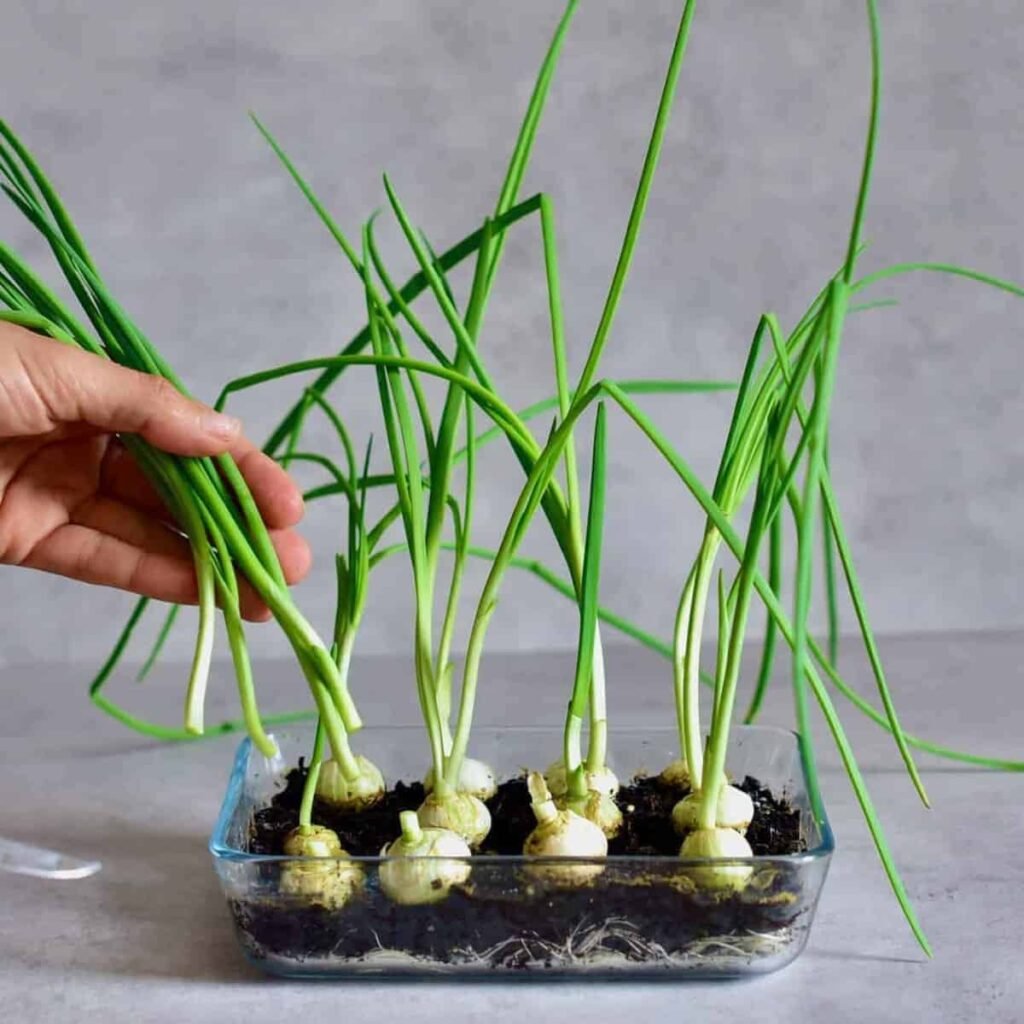
Onions require full sun to produce large, healthy bulbs.
- Minimum: 6 hours/day
- Optimal: 7–8 hours/day
- East- or south-facing locations work best
- Provide light shade in extremely hot climates to prevent leaf scorching
Sunlight ensures strong, upright leaves and bigger bulbs.
Step 7: Watering Onions in Containers
Consistent moisture is crucial for bulb development.
Watering Guidelines
- Keep soil evenly moist, especially during bulb formation
- Water at the base to avoid fungal infections
- Summer: Water daily or every other day
- Cooler months: Water every 2–3 days
- Mulch with straw or dried leaves to retain moisture
Pro Tip: Avoid overwatering, as soggy soil can cause rot and small bulbs.
Step 8: Fertilizing for Big Bulbs
Onions are heavy feeders. Proper fertilization ensures large, high-quality bulbs.
Fertilizer Schedule
- Every 2 weeks: Add compost or vermicompost around the base
- Every 10 days: Use liquid fertilizer (cow dung water, compost tea, or seaweed extract)
- Once a month: Apply potash (banana peel, wood ash) to encourage bulb growth
Balanced feeding promotes lush green foliage and maximum bulb size.
Step 9: Pest and Disease Management
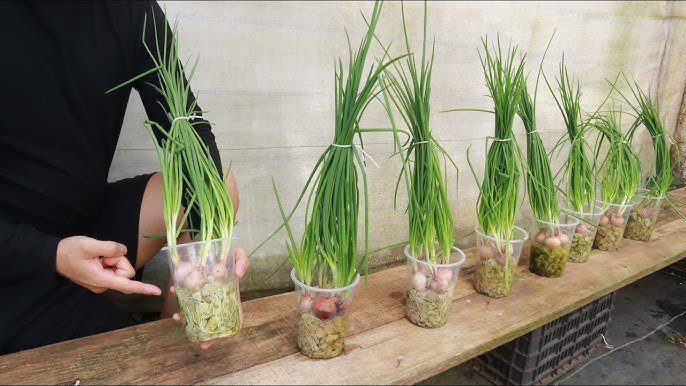
Container onions are relatively pest-resistant, but some problems may occur.
Common Issues
- Onion thrips
- Aphids
- Fungal diseases like downy mildew
Solutions
- Spray neem oil or organic insecticides weekly
- Remove damaged leaves immediately
- Ensure proper spacing for airflow
- Avoid overhead watering
Healthy plants produce disease-free, high-quality onions.
Step 10: Harvesting Onions
Onions are ready to harvest when leaves start yellowing and falling over.
Harvesting Tips
- Carefully lift bulbs from the soil
- Remove excess soil gently
- Dry in a ventilated, shaded area for 1–2 days before storage
- Early harvest (green onions) can be done when bulbs are small and tender
Expected Yield: A single well-maintained container can produce 8–12 large onions depending on size and variety.
Advantages of Growing Onions in Containers
- No garden required; ideal for urban and small-space living
- Space-efficient and portable
- Full control over soil, water, and nutrients
- Reduced exposure to pests and diseases
- Easy maintenance and harvesting
- High yield even in limited space
With just a few containers, you can grow enough onions for daily cooking, ensuring freshness and flavor.
Final Thoughts: Big Harvest Secrets Revealed
Growing onions in containers is simple, cost-effective, and highly productive. With the right container, soil, sunlight, watering, fertilization, and care, even a small balcony or terrace can yield large, healthy onions.
This method transforms urban spaces into productive mini onion gardens, giving you fresh, organic onions year-round. By following these big harvest secrets, you can enjoy high yields and superior quality onions without a traditional garden.