Zucchini, also known as courgette, is a versatile and productive summer squash that thrives in home gardens. With minimal space and proper care, backyard gardeners in the US and EU can enjoy bountiful zucchini harvests all season long. Growing zucchini is simple, rewarding, and perfect for families who love fresh, homegrown vegetables.
This comprehensive guide will show you step-by-step how to grow zucchini in your backyard, maximize yield, and ensure healthy, delicious fruits.
Why Grow Zucchini in Your Backyard?
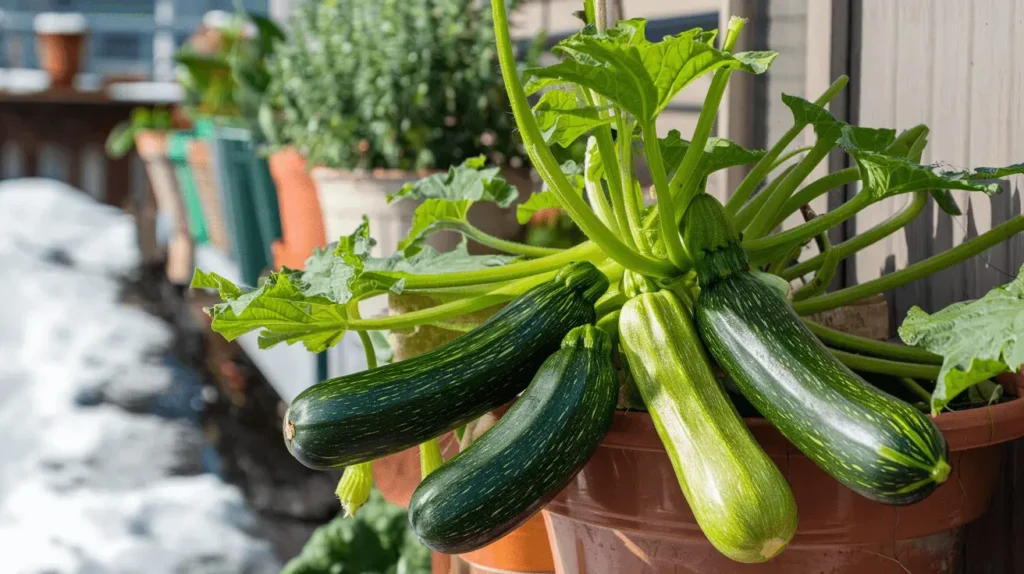
Backyard zucchini gardening is ideal for home gardeners for several reasons:
- High yield: A few plants can provide plenty of vegetables throughout the season
- Space-efficient: Zucchini can thrive in small garden beds or containers
- Easy to grow: Fast-growing plants with simple care requirements
- Nutritious and versatile: Excellent for stir-fries, salads, baking, and more
- Sustainable: Reduce trips to the grocery store and enjoy organic produce
Even a small patch can produce enough zucchini to feed the family and share with neighbors.
Step 1: Choosing the Right Zucchini Variety
The first step in achieving a big yield is selecting a variety suited to your backyard and climate.
Recommended Zucchini Varieties
- Black Beauty: Classic variety, high yield, disease-resistant
- Costata Romanesco: Italian heirloom, nutty flavor, compact plants
- Eight Ball: Round zucchini, ideal for stuffing and containers
- Genovese: Vigorous growth, good for US and EU climates
Choose varieties labeled “high-yield” or “container-friendly” if space is limited.
Step 2: Preparing the Garden Bed
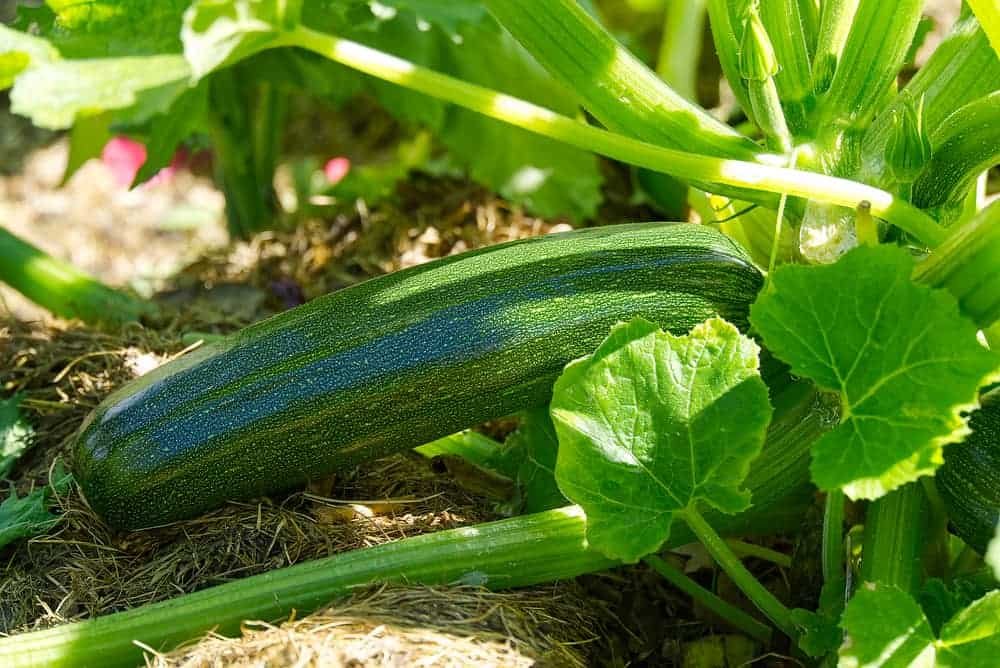
Zucchini thrives in well-draining, fertile soil with plenty of sunlight.
Soil Guidelines
- Loamy, slightly sandy soil
- pH: 6.0–7.5
- Rich in organic matter for nutrients
Steps to Prepare the Bed
- Clear the area of weeds and debris
- Loosen the soil to 12–15 inches deep
- Mix in compost, vermicompost, or well-rotted manure
- Add a handful of balanced fertilizer (NPK 10:10:10)
Well-prepared soil ensures strong root development and large fruit production.
Step 3: Planting Zucchini Seeds or Seedlings
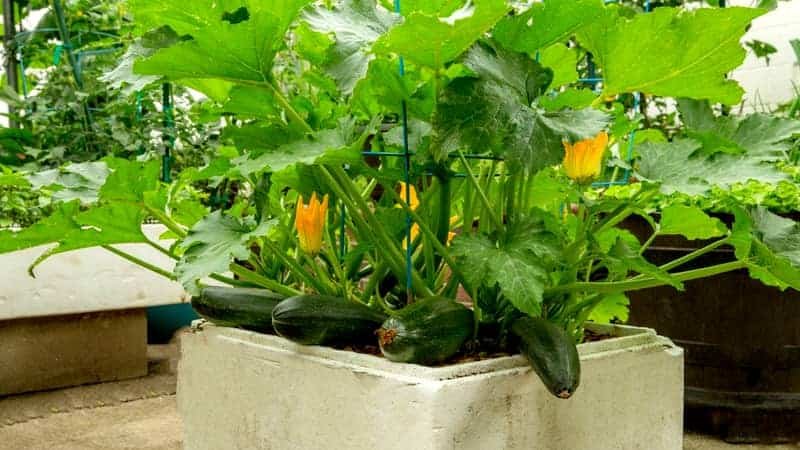
Zucchini grows quickly from seeds and can also be transplanted from seedlings.
From Seeds
- Plant seeds 1 inch deep directly into prepared beds
- Space seeds 18–24 inches apart for optimal growth
- Water gently to settle the soil
- Thin seedlings to one per space after germination
From Seedlings
- Transplant seedlings 2–3 weeks after sowing
- Ensure they have 3–4 true leaves
- Space them 18–24 inches apart
- Water thoroughly after transplanting
Pro Tip: Planting zucchini in raised beds or mounds improves drainage and promotes larger fruits.
Step 4: Sunlight Requirements
Zucchini requires full sunlight for optimal growth.
- Minimum: 6 hours/day
- Optimal: 8 hours/day
- Morning sun is preferable; provide light shade in hot climates
Adequate sunlight ensures vigorous plants, abundant flowers, and heavy fruiting.
Step 5: Watering Zucchini
Zucchini is water-loving, and consistent moisture is key to high yields.
Watering Guidelines
- Keep soil evenly moist, especially during flowering and fruiting
- Water at the base to prevent leaf diseases
- Mulch with straw or leaves to conserve moisture
- Avoid overhead watering, which encourages fungal problems
Consistent watering ensures tender, juicy, and well-formed fruits.
Step 6: Fertilizing for Big Yields
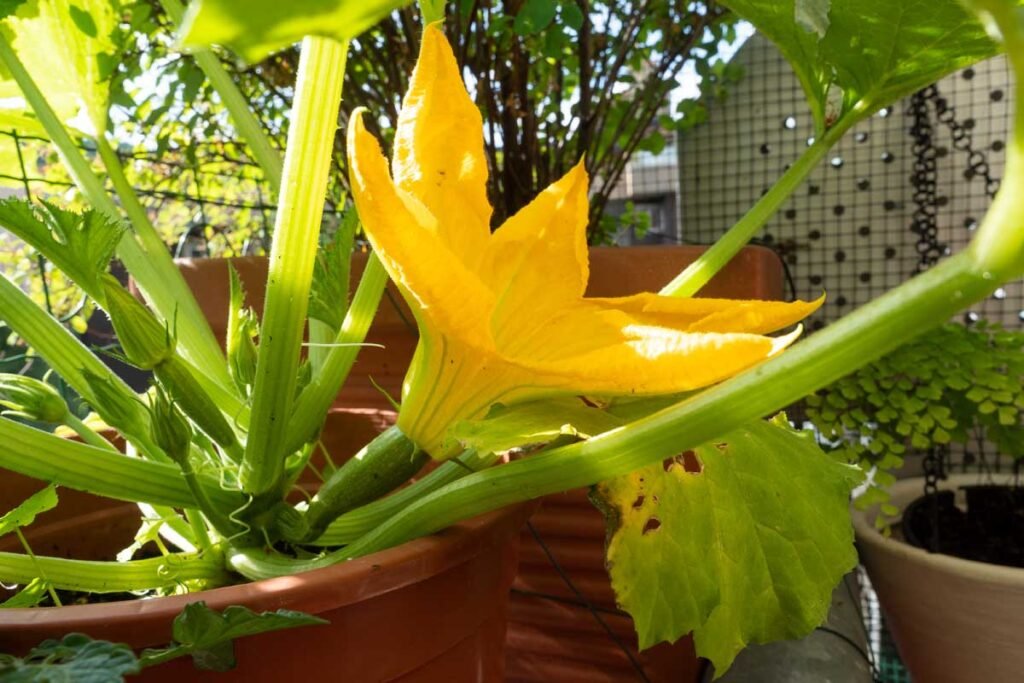
Zucchini plants are heavy feeders, so regular fertilization boosts fruit production.
Fertilizer Schedule
- Pre-plant: Mix compost or well-rotted manure into the soil
- Every 2–3 weeks: Apply balanced fertilizer (NPK 10:10:10)
- During fruiting: Add liquid fertilizer or compost tea every 10–14 days
Balanced nutrients result in healthy foliage and maximum fruit size.
Step 7: Pollination Tips
Zucchini flowers are male and female, and proper pollination is essential.
- Encourage bees and pollinators in your garden
- Hand-pollinate using a small brush if necessary
- Ensure flowers bloom for several hours daily
Effective pollination ensures continuous fruit production and uniform zucchini.
Step 8: Supporting Zucchini Plants
Most zucchini varieties spread on the ground, but vertical growth can save space.
- Use trellises or cages for vining varieties
- Tie stems gently to prevent breakage
- Vertical growth improves airflow and reduces fungal issues
Supporting plants can lead to larger fruits and easier harvesting.
Step 9: Pest and Disease Management
Zucchini can face pests like aphids, squash bugs, and cucumber beetles, and diseases such as powdery mildew.
Management Tips
- Inspect plants regularly for pests
- Remove affected leaves immediately
- Use neem oil or organic insecticides as needed
- Ensure proper spacing for airflow
- Rotate crops to prevent soil-borne diseases
Healthy plants produce disease-free, high-quality zucchini consistently.
Step 10: Harvesting Zucchini
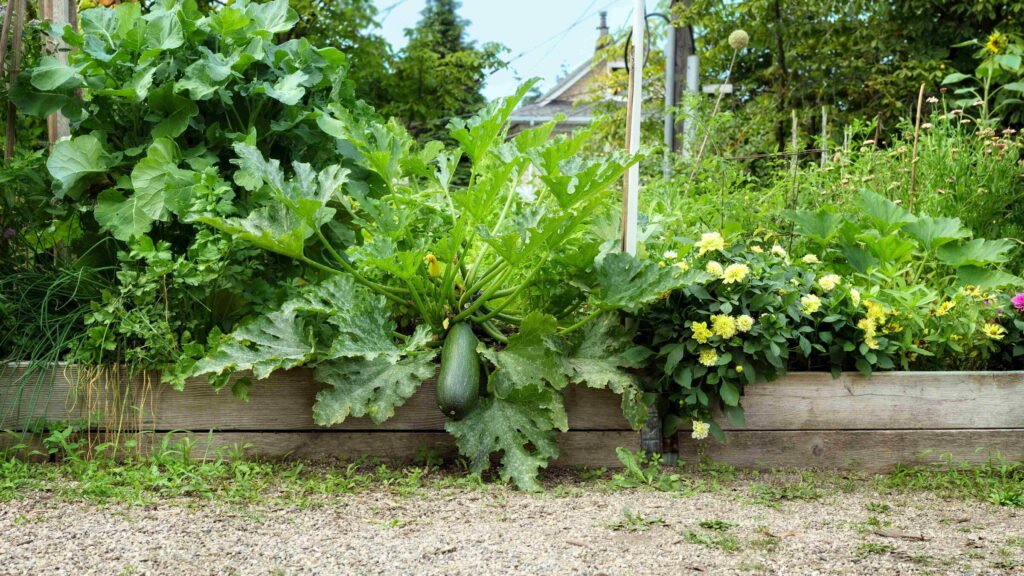
Zucchini grows rapidly, and frequent harvesting encourages continuous production.
Harvesting Guidelines
- Pick zucchini when 6–8 inches long for optimal flavor
- Harvest every 2–3 days during peak season
- Remove overgrown fruits to allow the plant to focus on new growth
Expected Yield: Each plant can produce 5–10 zucchinis per season, depending on variety and care.
Advantages of Backyard Zucchini Gardening
- Fresh, organic zucchinis year-round
- High yield from a small area
- Low maintenance and fast-growing
- Perfect for families or small-scale selling
- Encourages pollinators in your garden
- Reduces grocery store trips
Even a few backyard zucchini plants can supply the family with an abundance of fresh vegetables throughout the season.
Final Thoughts: Big Yields Made Simple
Growing zucchini in your backyard is easy, cost-effective, and highly rewarding. With proper soil, sunlight, watering, fertilization, and pollination, even small spaces can yield large, healthy zucchini fruits.
Backyard zucchini gardening transforms your outdoor space into a productive vegetable haven, giving you fresh, organic produce all season. By following these steps, gardeners in the US and EU can enjoy abundant harvests of crisp, delicious zucchini with minimal effort.