In today’s fast-paced life, not everyone has access to a backyard or fertile soil. Yet, the desire for fresh, healthy vegetables remains strong. What if you could grow your own nutrient-packed sprouts at home without soil or a garden, using just simple household materials? It’s not only possible—it’s incredibly easy, efficient, and surprisingly productive.
Sprouts are among the healthiest foods you can eat. Packed with proteins, vitamins, and minerals, they are easy to digest and grow much faster than most vegetables. With the right method, even a beginner can enjoy continuous, high-yield sprout production right in their kitchen or balcony.
Let’s explore step-by-step how to grow sprouts at home, without soil, and get maximum yield.
🌱 Why Sprouts Are Perfect for Soil-Free Gardening
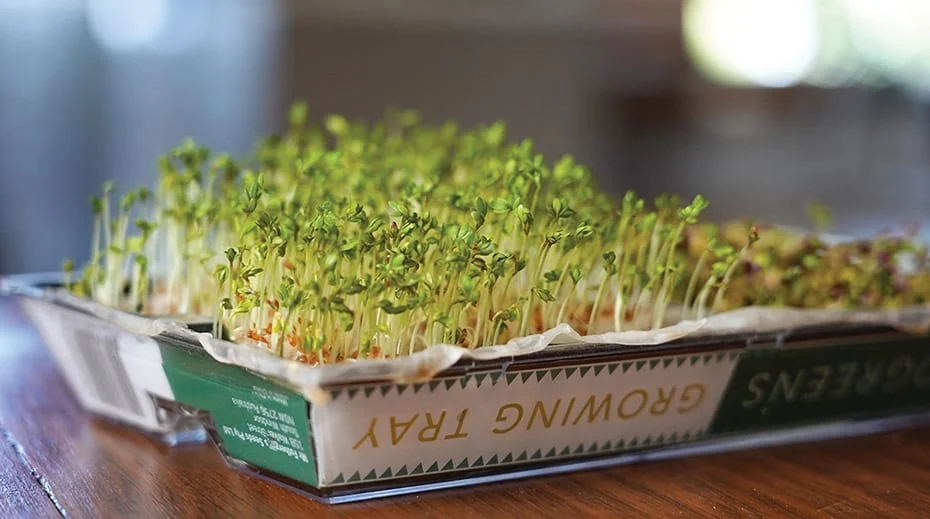
Sprouts are the young seedlings of seeds like mung beans, lentils, chickpeas, alfalfa, and fenugreek. They grow quickly and thrive in water or on damp substrates without needing traditional soil.
Advantages of Growing Sprouts Without Soil:
- No garden required – ideal for apartments and balconies
- Faster growth – ready to eat in 2–7 days
- Space-saving – requires only jars, trays, or cloth
- Low maintenance – minimal watering and care
- Nutrient-rich – more vitamins and enzymes than mature vegetables
This method makes it possible to enjoy fresh greens all year, even in urban environments with no access to a garden.
🥄 Materials You’ll Need
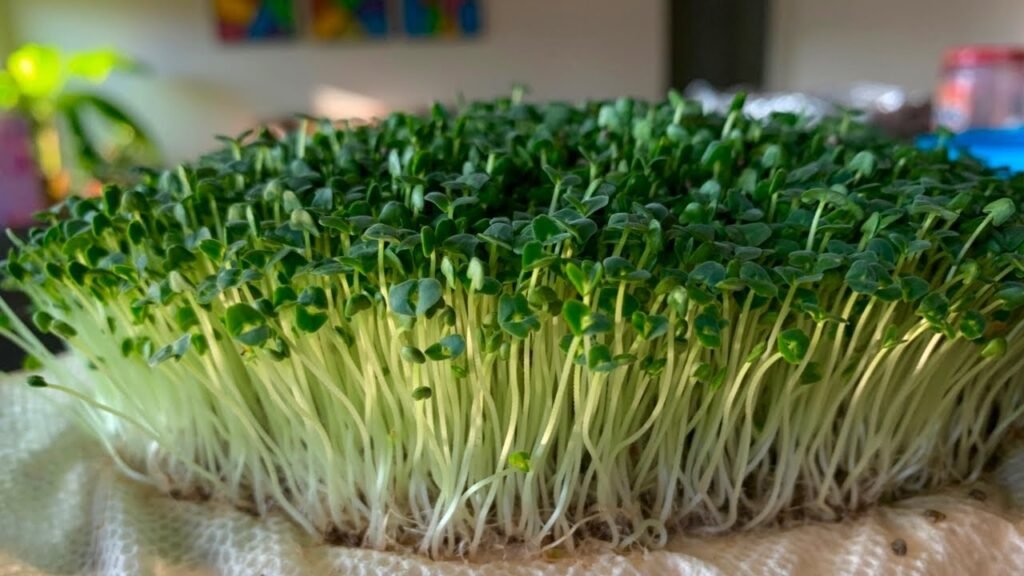
The beauty of soil-free sprouting is that you don’t need expensive equipment. Here’s what works:
- Seeds: mung beans, chickpeas, lentils, alfalfa, fenugreek, radish seeds
- Containers: jars, bottles, trays, or bowls
- Water: for soaking and rinsing
- Cloth or mesh: optional, for drainage or covering
- Sunlight or LED grow lights: indirect light is sufficient
You can even use recycled containers to make this method eco-friendly and budget-friendly.
💧 Step 1: Choose and Prepare Your Seeds
Not all seeds sprout equally well. Select high-quality, organic seeds for best results.
Preparation:
- Rinse seeds thoroughly to remove dirt or dust.
- Soak seeds in water for 6–12 hours depending on type (smaller seeds like alfalfa need less time; chickpeas require longer).
- Drain the water completely after soaking.
This initial soaking triggers germination and speeds up the sprouting process.
🥣 Step 2: Choose Your Sprouting Method
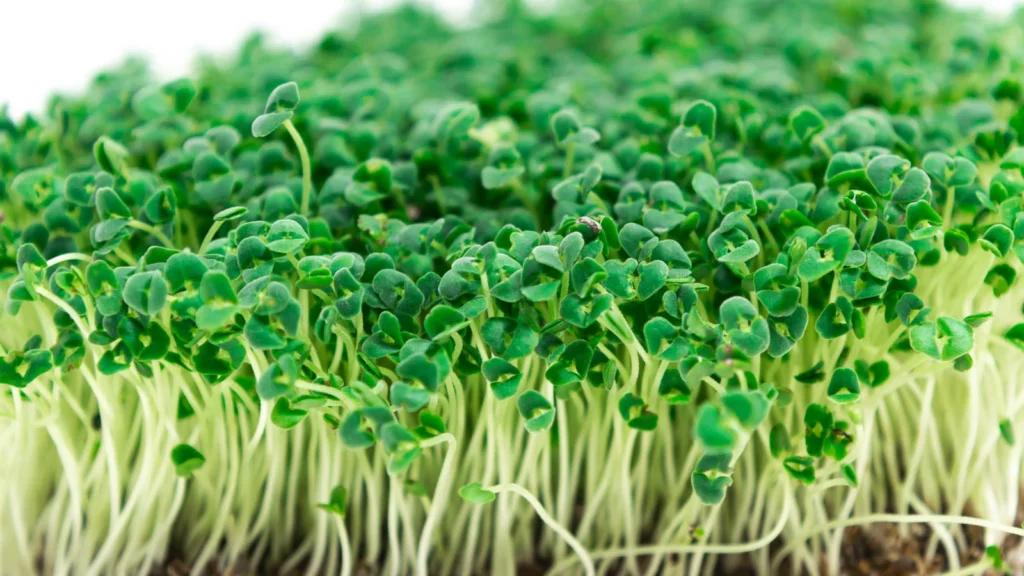
There are multiple soil-free sprouting methods for beginners:
1. Jar Method
- Place soaked seeds in a jar
- Cover the top with a breathable cloth or mesh
- Drain water daily, rinse seeds 2–3 times
- Keep jar tilted to allow drainage and airflow
2. Tray Method
- Spread soaked seeds evenly on a tray
- Cover with damp cloth
- Rinse twice a day
- Ideal for larger quantities and faster growth
3. Bottle Method
- Cut a plastic bottle in half
- Use the bottom half as a tray
- Pour soaked seeds in
- Cover loosely
- Rinse and drain daily
All three methods are easy, hygienic, and produce high yields quickly.
🌞 Step 3: Provide the Right Growing Conditions
Sprouts need the right environment to thrive:
- Temperature: 20–25°C (room temperature is perfect)
- Light: Indirect sunlight is enough; direct sun can dry out seeds
- Airflow: Adequate ventilation prevents mold
- Moisture: Keep seeds damp, but not waterlogged
Consistently following these conditions ensures healthy sprouts and prevents spoilage.
🌱 Step 4: Daily Care for High-Yield Sprouts
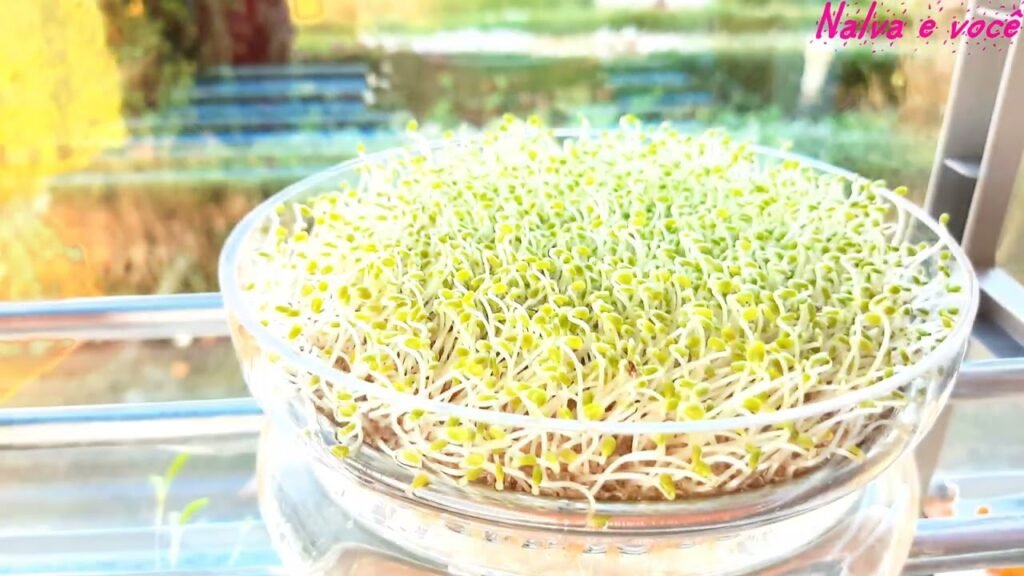
Rinse and Drain
Rinse seeds with fresh water 2–3 times daily. Proper drainage prevents rot and mold, ensuring higher yield.
Avoid Overcrowding
Spread seeds evenly. Crowded seeds reduce airflow and increase the risk of spoilage.
Monitor Growth
- Most sprouts are ready in 2–7 days
- Check color: green sprouts indicate healthy growth
- Remove any damaged or moldy sprouts immediately
🍴 Step 5: Harvesting Your Soil-Free Sprouts
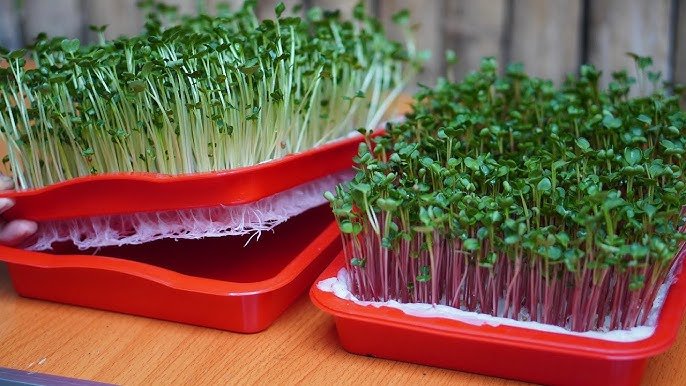
One of the joys of soil-free sprouting is speed.
- Mung bean sprouts: ready in 3–5 days
- Alfalfa: ready in 5–6 days
- Chickpeas: ready in 6–7 days
- Fenugreek: ready in 4–5 days
Harvest by cutting just above the seed. Rinse thoroughly before eating. Sprouts can be eaten raw in salads, sandwiches, smoothies, or lightly cooked in dishes.
🌟 Step 6: Tips for Maximum Yield
1. Use Fresh Water
Always rinse with clean water to avoid bacterial growth.
2. Rotate Sprouts
If using trays or bottles, rotate them to ensure even light exposure.
3. Adjust Temperature
Keep sprouts away from extreme heat or cold for faster germination.
4. Combine Varieties
Mix mung beans, alfalfa, and radish seeds for a nutrient-dense, crunchy mix.
5. Regular Harvest
Pick the sprouts as soon as they reach the right length (2–5 inches). This encourages continuous growth.
🌿 Health Benefits of Homegrown Sprouts
Growing your own sprouts isn’t just about convenience—it’s about nutrition:
- Rich in vitamins A, C, K, and folate
- High in protein and fiber
- Contain antioxidants that fight disease
- Easy to digest and improve gut health
- Naturally chemical-free
Home sprouts are fresher and healthier than store-bought varieties, which may be older or chemically treated.
🏡 Step 7: Why Soil-Free Sprouts Are Ideal for Urban Homes
For people living in apartments, flats, or places with limited outdoor space, soil-free sprouting is perfect:
- Requires minimal space
- Produces continuous harvest in a week
- Completely mess-free and clean
- Can be done indoors, year-round
Even beginners with no gardening experience can enjoy fresh, high-yield vegetables without a garden.
🍀 Conclusion: Soil-Free Sprouting Is Easy, Productive, and Healthy
Growing sprouts without soil is one of the simplest ways to enjoy fresh, nutritious vegetables at home. With minimal equipment, a small amount of space, and daily care, you can produce a high-yield supply of sprouts in just a few days.
This method is beginner-friendly, eco-friendly, and rewarding. Once you start, you’ll quickly see how simple, fast, and productive home sprouting can be. Whether it’s mung beans, alfalfa, fenugreek, or a mix of seeds, soil-free sprouts are the perfect solution for fresh, chemical-free nutrition—even without a garden.
Start today, and in less than a week, your kitchen will be filled with green, crunchy, and healthy sprouts that will transform your meals and your health.