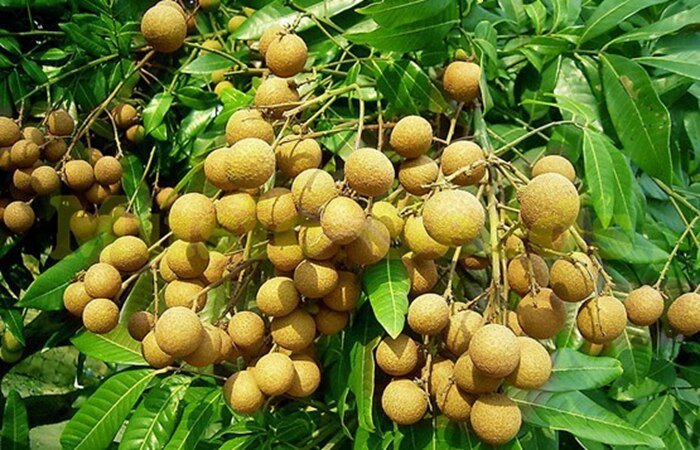
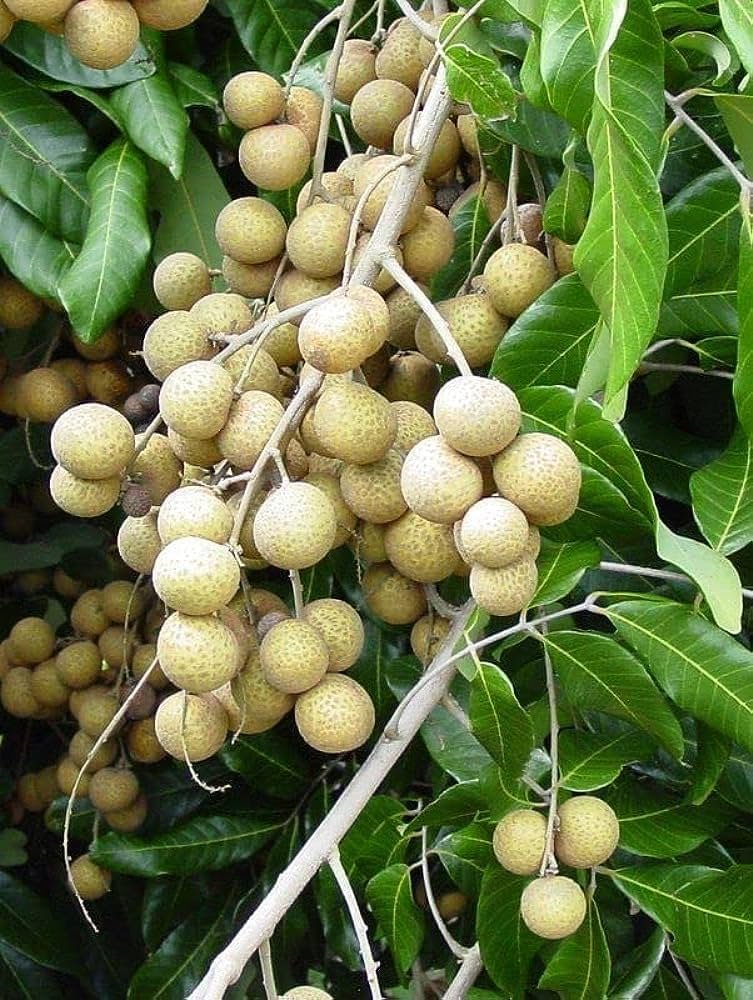
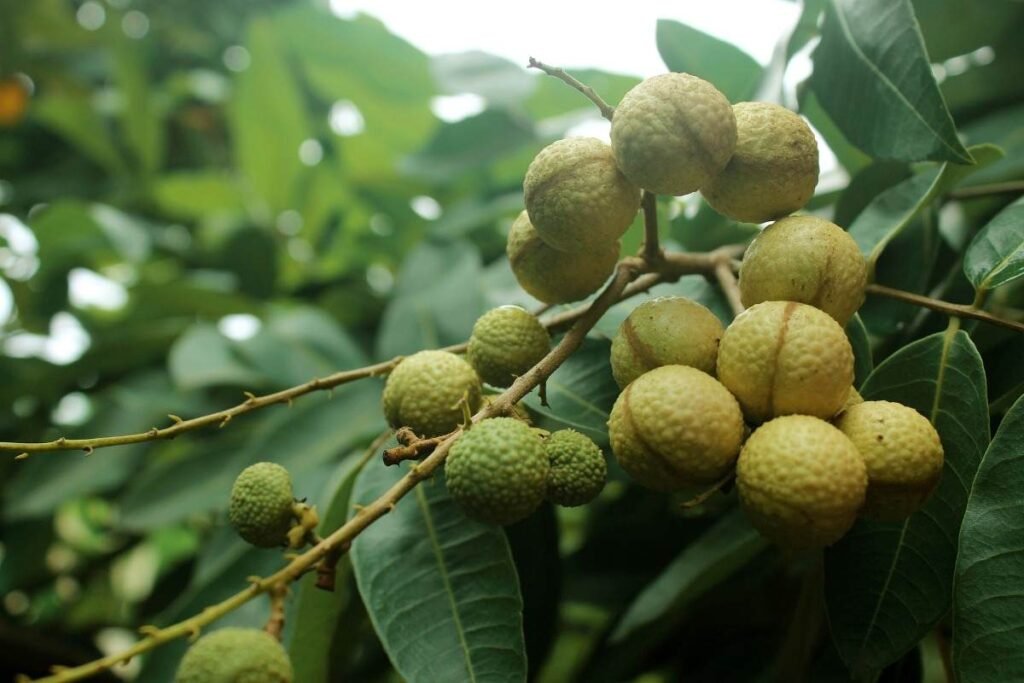
Longan, often called the “dragon eye fruit,” is a tropical and subtropical fruit tree closely related to lychee. Known for its sweet, juicy flavor and medicinal benefits, longan is highly valued in both home gardens and commercial orchards. However, growing longan from seed can be slow, taking 5–7 years before the tree bears fruit. Seedlings also show variation in fruit quality, which is undesirable for farmers and gardeners looking for consistency.
The solution? Grafting longan using an innovative technique that speeds up growth, improves disease resistance, and ensures high-quality fruit production. In this article, we explore a new idea for grafting longan fruit, how it works, and how you can implement it successfully to achieve larger, sweeter harvests in less time.
🌱 Why Grafting Longan Is a Game-Changer
Grafting is the process of joining two plants:
- Rootstock: The base plant providing a strong, disease-resistant root system.
- Scion: A branch or bud from a high-quality longan tree that determines fruit characteristics.
By grafting, growers can overcome the limitations of seed-grown trees and enjoy several advantages:
1. Faster Fruit Production
- Seed-grown longan can take 5–7 years to fruit.
- Grafted trees may bear fruit in 2–3 years, dramatically reducing waiting time.
2. True-to-Type Fruit
- Grafted trees produce fruits identical to the parent tree.
- This ensures consistent sweetness, size, and texture.
3. Disease Resistance
- Strong rootstocks can resist soil-borne pathogens and environmental stress.
4. Higher Yield
- Stronger root systems and better nutrient uptake result in larger fruit clusters and more fruits per tree.
5. Space and Resource Efficiency
- Trees remain more compact and manageable, making pruning and harvesting easier.
This new grafting method makes it possible for gardeners and farmers to achieve high-quality harvests faster and more reliably.
🌿 The New Idea: Grafting Longan for Faster Growth
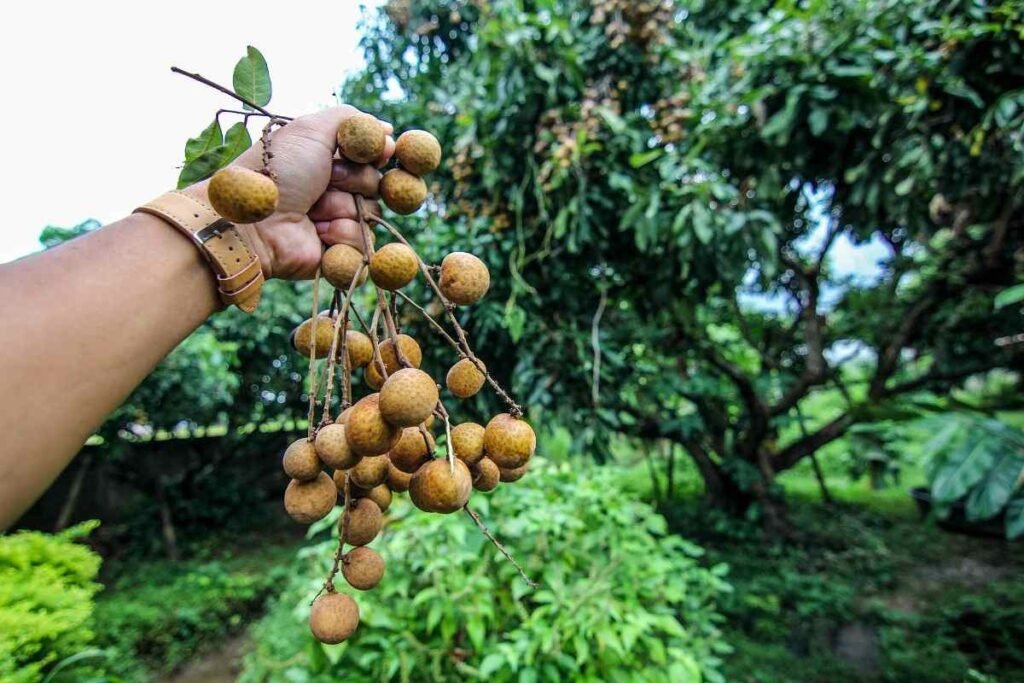
Traditional longan grafting uses longan seedlings as rootstocks. The new idea involves using vigorous, disease-resistant, and fast-growing rootstocks—sometimes even related tropical species with similar vascular systems—to improve the graft union and promote better overall growth.
Benefits of this approach:
- Stronger roots that tolerate poor soils, drought, and salinity
- Early flowering and fruiting
- Higher resistance to pests and diseases
- Increased yield and fruit size
Rootstocks that work well include:
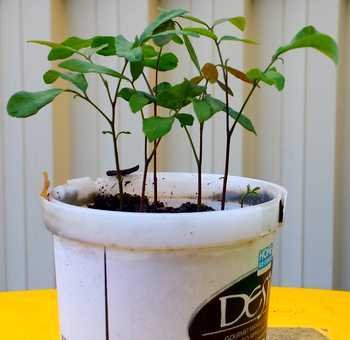
1. Wild Longan Seedlings
- Naturally hardy, fast-growing, and disease-resistant.
2. Lychee or Related Sapindaceae Species
- Provide strong vascular connection and vigorous growth.
3. Selected Hybrid Varieties
- Developed specifically for grafting purposes with superior root systems.
This innovation makes grafted longan trees more resilient, productive, and profitable.
✂️ Materials Needed for Longan Grafting
To try this new method, prepare:
- Healthy longan scion from a fruit-bearing tree
- Rootstock (vigorous and disease-free)
- Sharp grafting knife
- Grafting tape or cling film
- Aloe vera gel or rooting hormone (optional for better success)
- Clean cloth
🌱 Step-by-Step Guide for New Longan Grafting Method
The cleft or wedge graft is the most successful and beginner-friendly method.
1. Select Healthy Rootstock and Scion
- Rootstock: 1–2 years old, straight, disease-free.
- Scion: Taken from a high-quality longan tree, 10–15 cm in length, with 2–3 nodes.
- Match the stem thickness for best results.
2. Prepare the Rootstock
- Make a horizontal cut at the top of the rootstock.
- Create a vertical slit 2–3 cm deep in the center to hold the scion.
3. Prepare the Scion
- Cut the bottom of the scion into a wedge shape.
- Smooth edges to avoid damage.
- Remove lower leaves, leaving 2–3 top leaves.
4. Apply Aloe Vera or Hormone (Optional)
- Coat the scion’s cut surface with Aloe vera gel or rooting hormone.
- This accelerates callus formation, reduces infection risk, and promotes faster union.
5. Insert the Scion
- Place the wedge-shaped scion into the slit of the rootstock.
- Ensure cambium layers align perfectly.
- A tight fit ensures strong and rapid graft union.
6. Wrap the Graft
- Use grafting tape or cling film to secure the union.
- Prevent moisture loss and protect from pests and infections.
7. Maintain Shade and Moisture
- Keep the grafted plant in indirect sunlight for 7–10 days.
- Maintain moderate soil moisture; avoid waterlogging.
8. Monitor for Success
- Look for new growth from the scion within 2–3 weeks.
- Leaves should remain green and upright.
- Gradually expose the plant to full sunlight over the next week.
🌿 Post-Grafting Care for Longan
Proper care ensures strong growth and abundant fruits.
1. Watering
- Water moderately to keep the soil slightly moist.
- Avoid waterlogging that can rot roots or the graft union.
2. Fertilizing
- Apply organic compost, cow dung, or well-rotted manure every 2–3 months.
- During flowering, use potassium-rich fertilizer to improve fruit size and sweetness.
3. Sunlight
- Gradually expose grafted trees to full sunlight after 7–10 days.
- Longan trees thrive in 6–8 hours of sunlight daily.
4. Pruning
- Remove weak, damaged, or competing branches.
- Trim shoots below the graft to ensure energy goes into the scion.
5. Pest and Disease Control
- Regularly inspect for pests like fruit borers, aphids, or scale insects.
- Spray neem oil or organic pesticide if needed.
- Keep the area clean to prevent fungal infections.
🍈 Expected Results From This New Grafting Idea
- Faster flowering: 2–3 years instead of 5–7.
- Consistent, sweet, and large fruits.
- Stronger trees with better drought and disease tolerance.
- Higher yields per tree, ideal for commercial production.
🌟 Tips for Maximum Success
- Always use healthy, disease-free scions and rootstocks.
- Ensure perfect cambium alignment for the graft union.
- Keep the graft moist and shaded initially.
- Apply Aloe vera gel or rooting hormone to promote healing.
- Remove unwanted shoots below the graft to concentrate energy on the scion.
🌳 Conclusion
This new idea for grafting longan allows gardeners and farmers to:
- Grow faster, healthier trees
- Achieve earlier and larger harvests
- Ensure consistent fruit quality
- Increase disease resistance and overall yield
Whether for home gardens or commercial orchards, this technique is simple, effective, and highly rewarding. By adopting this innovative grafting method, you can enjoy sweet, juicy longan fruits in much less time while maintaining the quality and productivity of your trees.