Persimmon is a highly valued fruit known for its sweet flavor, smooth texture, and numerous health benefits. Cultivated widely in Asia and increasingly around the world, persimmon trees are beloved for both home gardens and commercial orchards. However, growing persimmon from seeds has several drawbacks: slow growth, inconsistent fruit quality, and delayed fruiting.
Fortunately, there’s an easy grafting method that helps gardeners and farmers produce strong, healthy persimmon trees that bear high-quality fruits earlier. This article explains the simplest and most effective way to graft persimmon, ensuring faster growth, better yields, and healthier plants.
🌱 Why Grafting Persimmon Is Beneficial
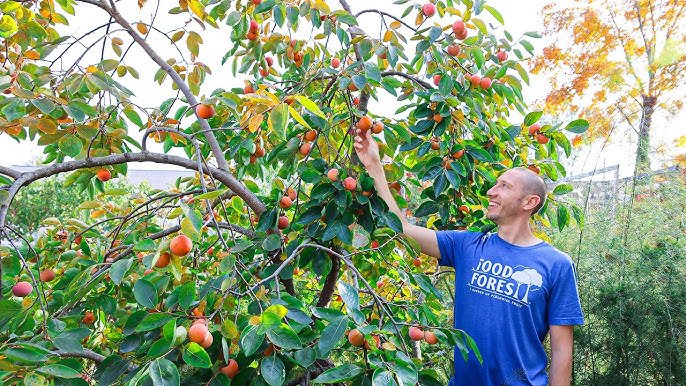
Grafting is the process of joining two plants:
- Rootstock: The base plant providing a strong, disease-resistant root system.
- Scion: A branch or bud from a mature persimmon tree that determines fruit quality.
The advantages of grafting persimmon include:
1. Faster Fruiting
- Seed-grown persimmons can take 5–7 years to produce fruit.
- Grafted trees can bear fruit in 2–3 years, reducing waiting time significantly.
2. True-to-Type Fruits
- Grafted persimmons maintain the taste, size, and texture of the parent tree.
- This ensures uniform and marketable fruits.
3. Disease Resistance
- Rootstocks can help persimmon trees resist soil-borne diseases, root rot, and other environmental stressors.
4. Higher Yield
- Stronger roots and healthier growth lead to more fruits per tree.
5. Manageable Growth
- Grafted trees can be trained to grow compact and upright, making pruning and harvesting easier.
By grafting, you not only improve fruit quality but also increase productivity and longevity of your persimmon trees.
🌿 Easy Method for Grafting Persimmon
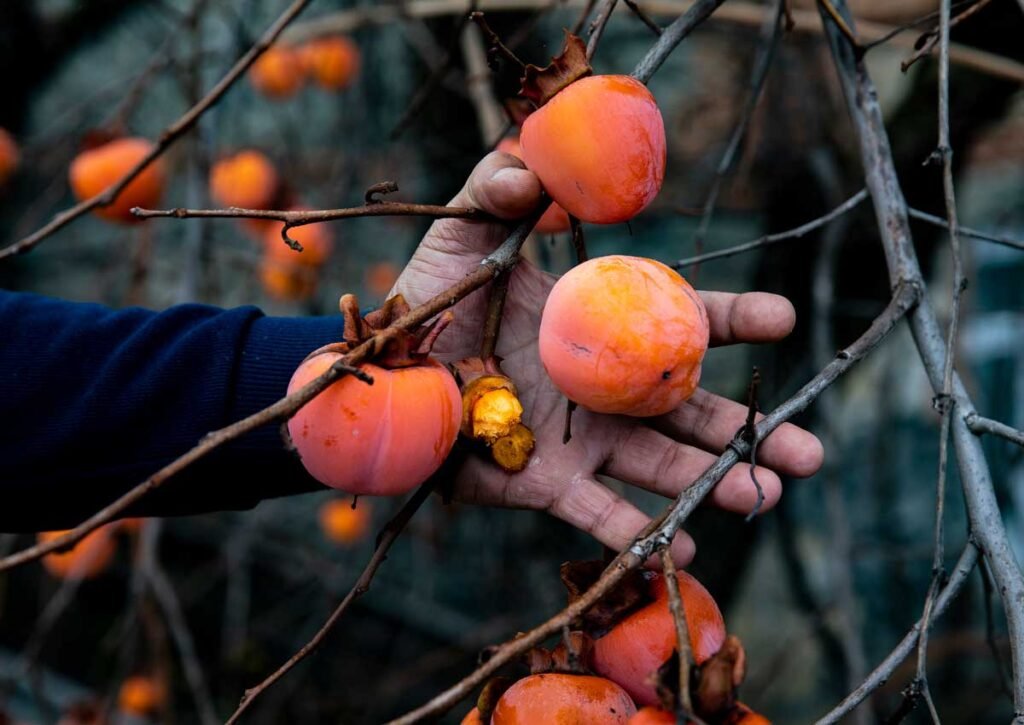
The most reliable and beginner-friendly technique for persimmon is cleft or wedge grafting. This method ensures a strong union between the scion and rootstock and works well for trees of varying ages and sizes.
✂️ Materials Needed
Before starting, gather:
- Healthy persimmon rootstock (seedling or young tree, 1–2 years old)
- Scion from a mature, high-yielding persimmon tree
- Sharp grafting knife
- Grafting tape or cling film
- Aloe vera gel or rooting hormone (optional)
- Clean cloth for handling
🌱 Step-by-Step Guide to Graft Persimmon Easily
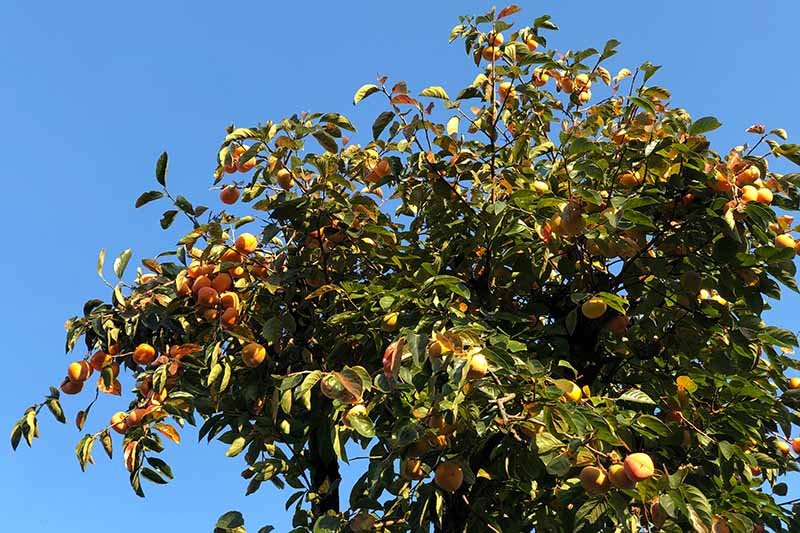
1. Select Healthy Rootstock and Scion
- Rootstock: 1–2 years old, straight, disease-free, and strong.
- Scion: Taken from a fruit-bearing, healthy persimmon tree, about 10–15 cm long with 2–3 nodes.
- Ensure the stem thickness of the scion and rootstock matches closely.
2. Prepare the Rootstock
- Make a clean horizontal cut at the top of the rootstock.
- Create a vertical slit 2–3 cm deep in the center to hold the scion securely.
3. Prepare the Scion
- Cut the bottom of the scion into a wedge shape.
- Smooth the edges to prevent splitting.
- Remove lower leaves, leaving 2–3 top leaves for photosynthesis.
4. Apply Aloe Vera Gel or Rooting Hormone (Optional)
- Coat the cut surfaces with fresh Aloe vera gel or rooting hormone.
- Benefits include:
- Faster healing
- Reduced infection risk
- Better callus formation for a strong graft union
5. Insert the Scion
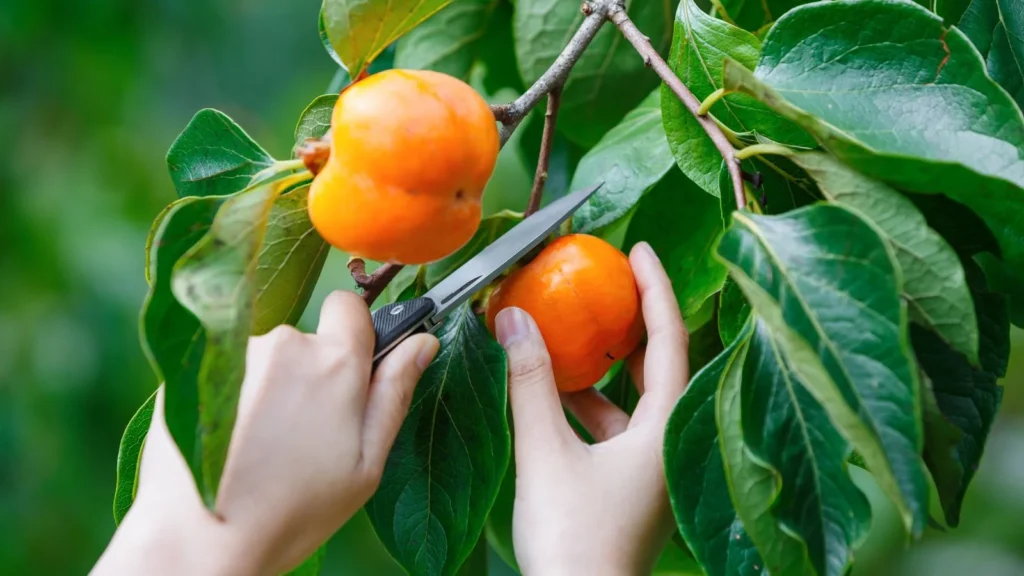
- Fit the wedge-shaped scion into the slit of the rootstock.
- Ensure cambium layers align perfectly.
- Tight contact between cambium layers is critical for a successful graft.
6. Secure the Graft
- Wrap the graft union tightly with grafting tape or cling film.
- The wrap prevents moisture loss and protects the graft from pests and diseases.
- Cover completely but allow some space for the scion leaves to breathe.
7. Maintain Shade and Moisture
- Place the grafted plant in indirect sunlight for 7–10 days.
- Keep the soil moderately moist but avoid overwatering.
- Mist lightly if necessary to maintain humidity around the graft.
8. Monitor for Success
- Signs of successful grafting:
- New leaf growth from the scion
- Scion remains firm and upright
- No wilting or discoloration
- Usually, new growth appears 2–3 weeks after grafting.
🌿 Post-Grafting Care
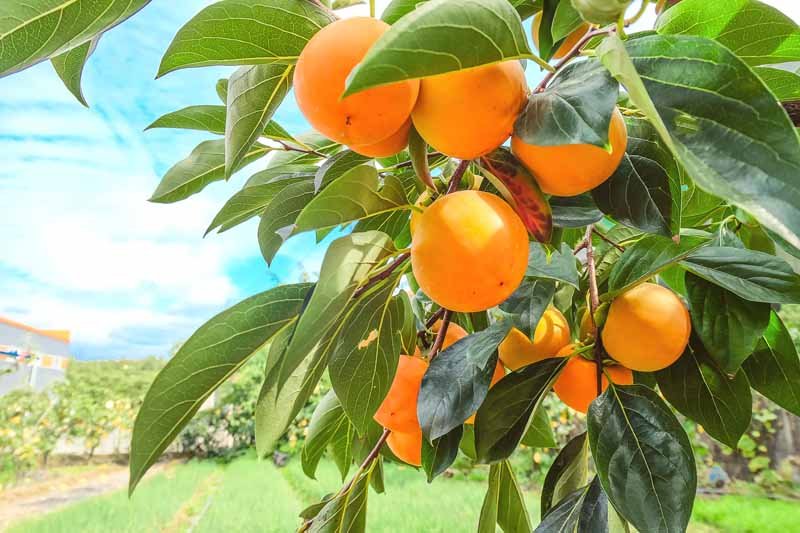
Proper care ensures your grafted persimmon tree grows strong and produces abundant fruits.
1. Watering
- Keep soil slightly moist.
- Avoid waterlogging, which may rot roots or graft union.
2. Fertilizing
- Apply organic compost or well-rotted manure every 2–3 months.
- Use potash-rich fertilizer during flowering and fruiting to improve fruit size and sweetness.
- Avoid excess nitrogen fertilizer to prevent excessive leaf growth over fruiting.
3. Sunlight
- Gradually expose grafted trees to full sunlight after 7–10 days.
- Persimmons thrive in 6–8 hours of sunlight daily.
4. Pruning
- Remove weak or damaged branches.
- Trim shoots below the graft to direct energy toward the scion, encouraging fruiting.
5. Pest and Disease Management
Common pests and diseases include:
- Aphids
- Scale insects
- Leaf spot and fungal infections
Control tips:
- Spray neem oil or organic pesticides every 10–15 days.
- Remove infected leaves promptly.
- Keep the area around the tree clean to reduce fungal growth.
🍊 Expected Results from Easy Persimmon Grafting
- Faster flowering and fruiting: 2–3 years instead of 5–7.
- Stronger, healthier trees that tolerate drought and pests better.
- Consistent, sweet, and high-quality fruits.
- Increased yield due to vigorous rootstock and well-established graft.
Grafted persimmon trees also have longer productive life compared to seed-grown trees.
🌟 Tips for Maximum Success
- Always use healthy, disease-free scions and rootstocks.
- Align cambium layers carefully for a strong graft union.
- Keep the graft moist and shaded initially.
- Optionally, use Aloe vera gel or rooting hormone for faster healing.
- Remove any shoots growing below the graft to focus energy on the scion.
🌳 Conclusion
Grafting persimmon using this easy and effective method is a reliable way to:
- Grow faster, healthier trees
- Achieve early and abundant fruiting
- Ensure consistent fruit quality
- Boost disease resistance and overall yield
Whether for a home garden or commercial orchard, this grafting technique guarantees high-quality results with minimal effort. By following the simple steps outlined above, you can enjoy juicy, delicious persimmon fruits sooner and more reliably than ever before.
This technique transforms persimmon cultivation into a productive, rewarding, and sustainable process, making it easier for gardeners and farmers to maximize their harvests.