Luffa, also known as loofah or sponge gourd, is a popular tropical vegetable grown for both food and natural bath sponges. Its fast-growing vines and nutritious fruits make it a favorite for home gardens and small-scale farms. However, luffa cultivation often faces challenges such as disease, low fruit yield, and uneven growth, especially when grown from seeds.
The solution? Grafting luffa onto strong, disease-resistant rootstocks. This simple technique helps gardeners and farmers produce stronger plants, healthier fruits, and higher yields, while ensuring faster growth. In this article, we will guide you step-by-step through an easy luffa grafting method suitable for beginners and experienced growers alike.
🌱 Why Grafting Luffa Is Beneficial
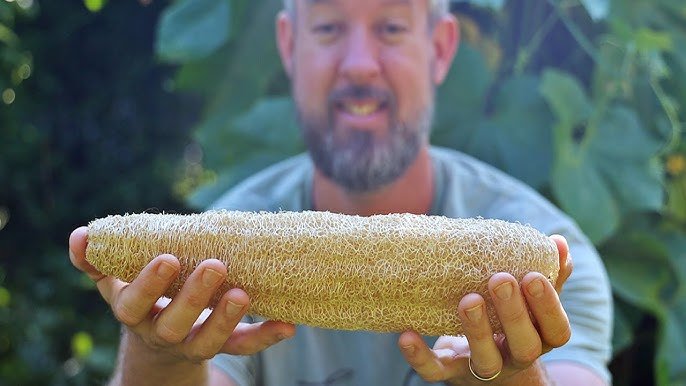
Grafting involves joining two plants:
- Rootstock: The base plant that provides a robust, disease-resistant root system.
- Scion: The upper part taken from a high-yielding luffa plant that determines fruit quality.
The advantages of grafting luffa include:
1. Disease Resistance
- Resistant rootstocks can protect against soil-borne diseases, including fusarium wilt and root rot.
- Stronger plants require less chemical intervention and grow healthier.
2. Faster Growth and Early Fruiting
- Seedlings may take longer to produce fruits.
- Grafted luffa vines flower and fruit faster due to the vigorous root system.
3. Higher Yield
- Grafted plants absorb nutrients and water more efficiently, resulting in more flowers and fruits.
4. Improved Fruit Quality
- Fruits maintain the same taste, texture, and size as the parent scion.
5. Space Efficiency
- Grafted luffa plants grow compact and upright, making trellising, pruning, and harvesting easier.
✂️ Materials Needed for Luffa Grafting
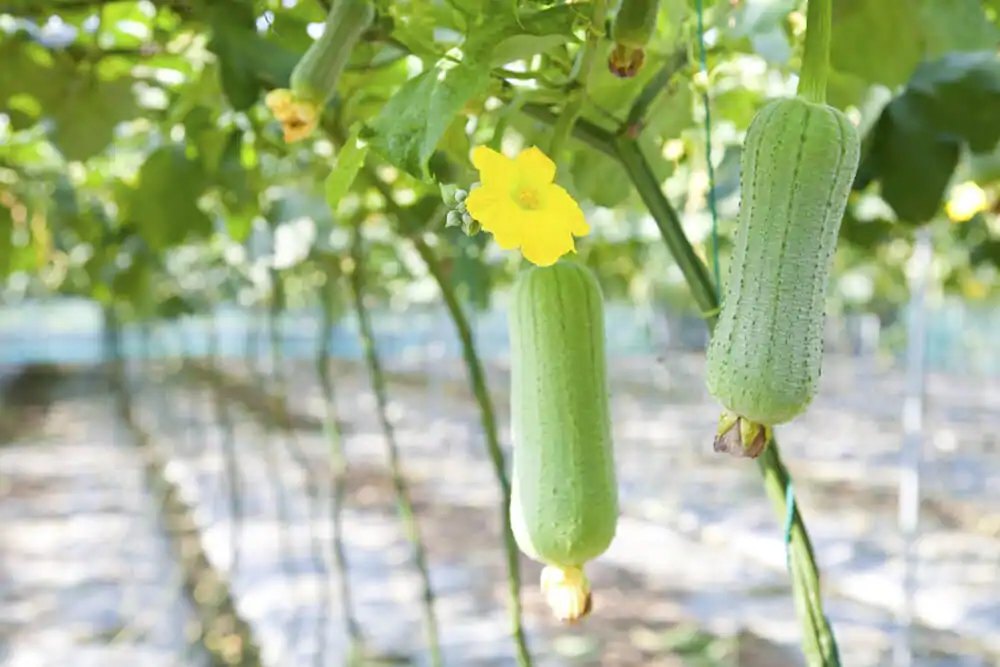
To start grafting, gather:
- Healthy luffa rootstock seedlings (3–4 weeks old, disease-free)
- Scion from a high-yielding luffa plant
- Sharp grafting knife
- Grafting tape or cling film
- Fresh Aloe vera gel or rooting hormone (optional)
- Clean cloth
🌱 Step-by-Step Guide: Easy Luffa Grafting
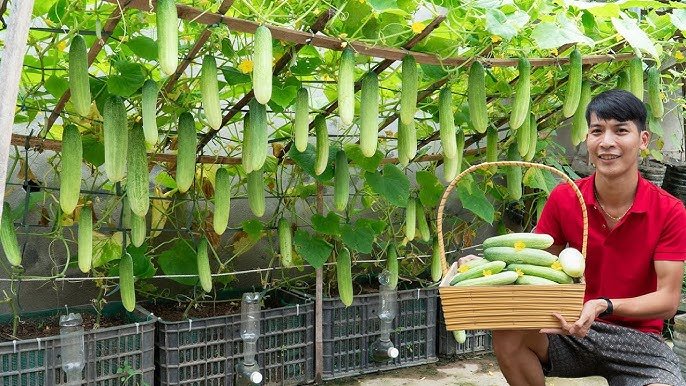
The splice grafting method is the easiest and most effective for luffa.
1. Select Healthy Rootstock and Scion
- Rootstock: Young, healthy seedlings, strong and disease-free.
- Scion: Taken from a productive luffa plant, 5–8 cm long, with 1–2 nodes.
- Match the stem thickness of the scion and rootstock for the best union.
2. Prepare the Rootstock
- Make a clean diagonal cut at the top of the rootstock.
- The cut should be slightly longer than the scion base to ensure a snug fit.
3. Prepare the Scion
- Cut the bottom of the scion at a matching diagonal angle.
- Smooth edges carefully to avoid damage.
- Remove lower leaves, leaving one or two top leaves for photosynthesis.
4. Apply Aloe Vera Gel or Hormone (Optional)
- Aloe vera gel can be applied to the cut surfaces to:
- Promote faster healing
- Reduce infection
- Encourage callus formation for strong grafting
- Alternatively, you can use rooting hormone for faster graft union.
5. Join Scion and Rootstock
- Place the scion onto the rootstock ensuring cambium layers align perfectly.
- Tight contact is essential for a strong and successful graft.
6. Wrap the Graft
- Use grafting tape or cling film to secure the union.
- This prevents moisture loss and infection.
- Make sure the wrap is tight but does not damage the leaves.
7. Maintain Shade and Humidity
- Keep newly grafted plants in indirect sunlight for 7–10 days.
- Maintain moderate soil moisture; avoid waterlogging.
- Misting may help maintain humidity around the graft.
8. Monitor for Success
- Look for new growth from the scion within 1–2 weeks.
- Leaves remain green and firm.
- Gradually expose the plant to full sunlight after 7–10 days.
🌿 Post-Grafting Care for Luffa
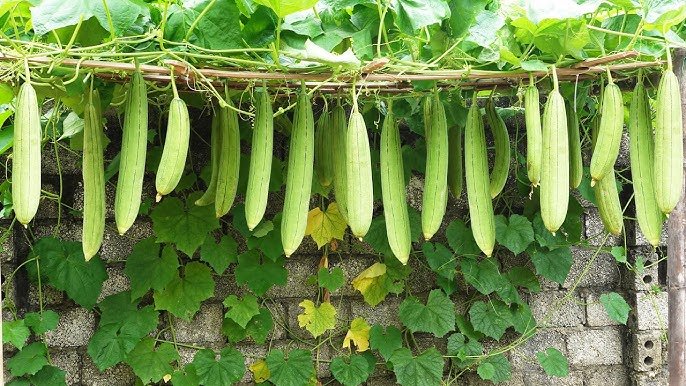
Proper care ensures your grafted luffa grows strong and produces high-quality fruits.
1. Watering
- Keep soil evenly moist.
- Avoid waterlogging, especially around the grafted area.
2. Fertilizing
- Apply organic compost or well-rotted manure every 3–4 weeks.
- Use a balanced NPK fertilizer during flowering to boost flower and fruit development.
- Avoid excessive nitrogen to prevent leafy growth at the expense of fruiting.
3. Sunlight
- Gradually expose grafted luffa to full sunlight after 7–10 days.
- Luffa vines require 6–8 hours of sunlight daily for optimal growth.
4. Pruning and Training
- Remove weak or damaged branches.
- Train the vine along a trellis for proper support and maximum sunlight exposure.
- Trim any shoots below the graft to focus energy on the scion.
5. Pest and Disease Control
Common pests include:
- Aphids
- Whiteflies
- Fruit flies
Control measures:
- Spray neem oil or organic insecticides every 10–15 days.
- Remove infected leaves immediately.
- Maintain clean surroundings to reduce fungal infections.
🍈 Expected Results from Grafted Luffa
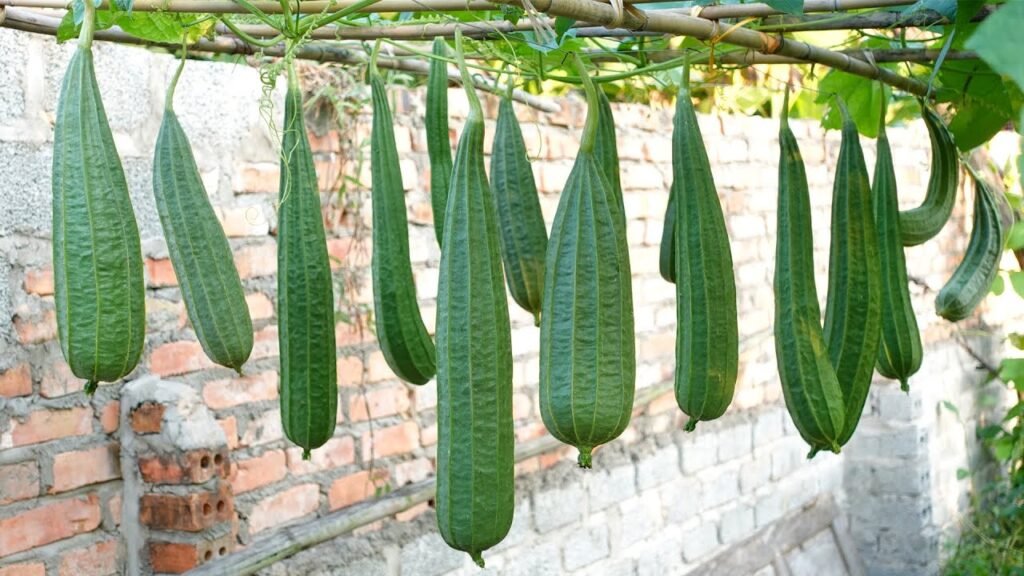
- Faster flowering and fruiting within 4–6 weeks after transplanting.
- More fruits per plant due to improved nutrient and water uptake.
- Disease-resistant, vigorous vines.
- Consistent fruit size, shape, and taste matching the parent scion.
Grafted luffa plants are also easier to manage and can produce higher yields in smaller spaces, making them ideal for home gardens and commercial farms.
🌟 Tips for Maximum Success
- Use healthy, disease-free rootstocks and scions.
- Ensure perfect cambium alignment when joining scion and rootstock.
- Keep the graft moist and shaded initially.
- Apply Aloe vera gel or rooting hormone to speed healing.
- Remove shoots growing below the graft to focus energy on fruiting.
🌿 Conclusion
Grafting luffa using this easy method is a simple, effective way to grow healthier plants with higher yields. By combining a strong rootstock with a high-quality scion, gardeners and farmers can enjoy:
- Faster flowering and fruiting
- Consistent, high-quality fruits
- Disease-resistant growth
- Increased productivity
Whether for home gardening or commercial farming, this grafting technique ensures better growth, bigger fruits, and higher profits. With proper care, grafted luffa vines can provide abundant, healthy harvests year after year, transforming your garden into a productive vegetable paradise.