Imagine biting into a fruit that is vibrant red, juicy, and bursting with exotic flavor—a fruit so unique that it instantly catches your attention at the market or in a garden. You may have seen familiar red fruits like strawberries, cherries, or pomegranates, but this exotic red fruit is something entirely different. It’s rare, nutritious, and surprisingly easy to grow with the right techniques.
In this article, we’ll uncover the identity of this mysterious red fruit, explore its nutritional benefits, explain why it’s gaining popularity, and share step-by-step guidance on how to cultivate it successfully. By the end, you’ll be able to answer the question: Can you guess this exotic red fruit?
🌱 Meet the Exotic Red Fruit
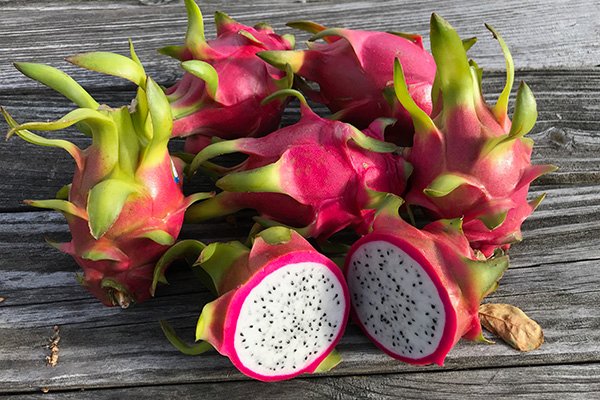
This exotic red fruit could be one of several tropical or subtropical wonders, depending on your region, but the most popular types include:
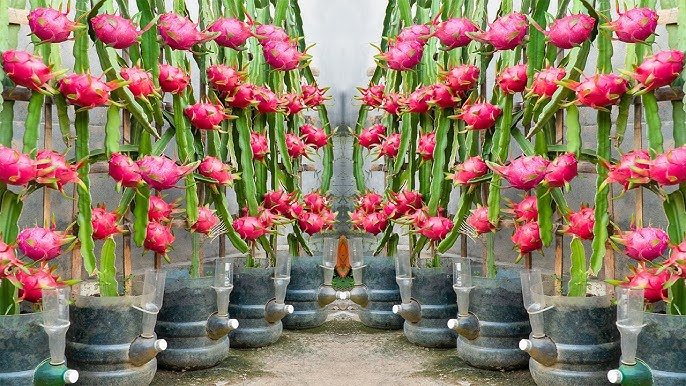
- Red Dragon Fruit (Hylocereus costaricensis or Hylocereus polyrhizus): Known for its vibrant red skin and speckled red or magenta flesh. Sweet and mildly tangy, it is visually striking and highly nutritious.
- Red Guava (Psidium guajava): Has bright red or pink flesh, high in vitamin C, and juicy sweetness.
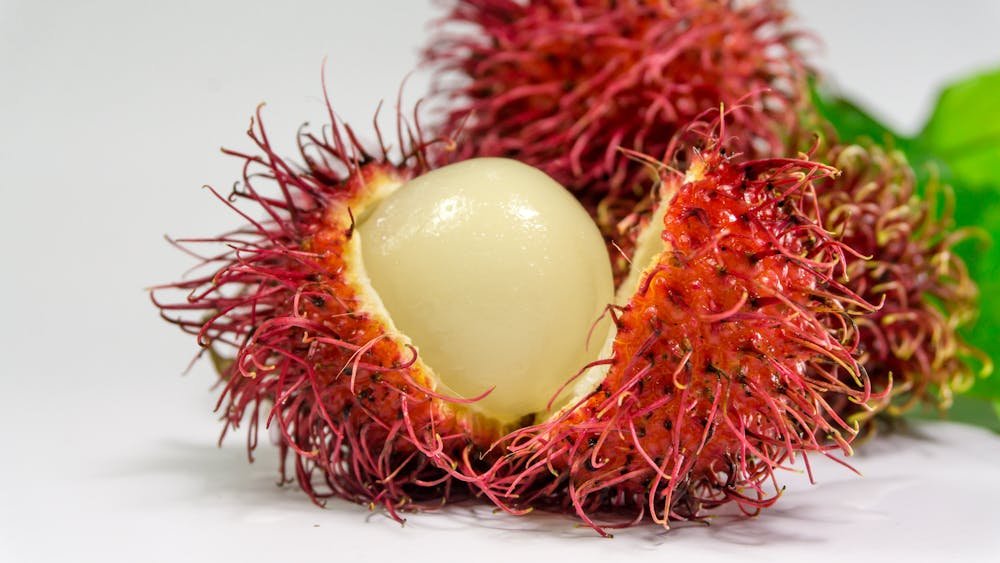
- Rambutan (Nephelium lappaceum): Small, hairy red fruits with translucent flesh that tastes like lychee.
- Lychee (Litchi chinensis): Bright red skin and sweet, juicy flesh inside.
In this article, we’ll focus on red dragon fruit and red guava, as these are often referred to as “exotic red fruits” in tropical gardening circles due to their unique appearance, flavor, and growth requirements.
🍎 Why This Red Fruit Is So Popular
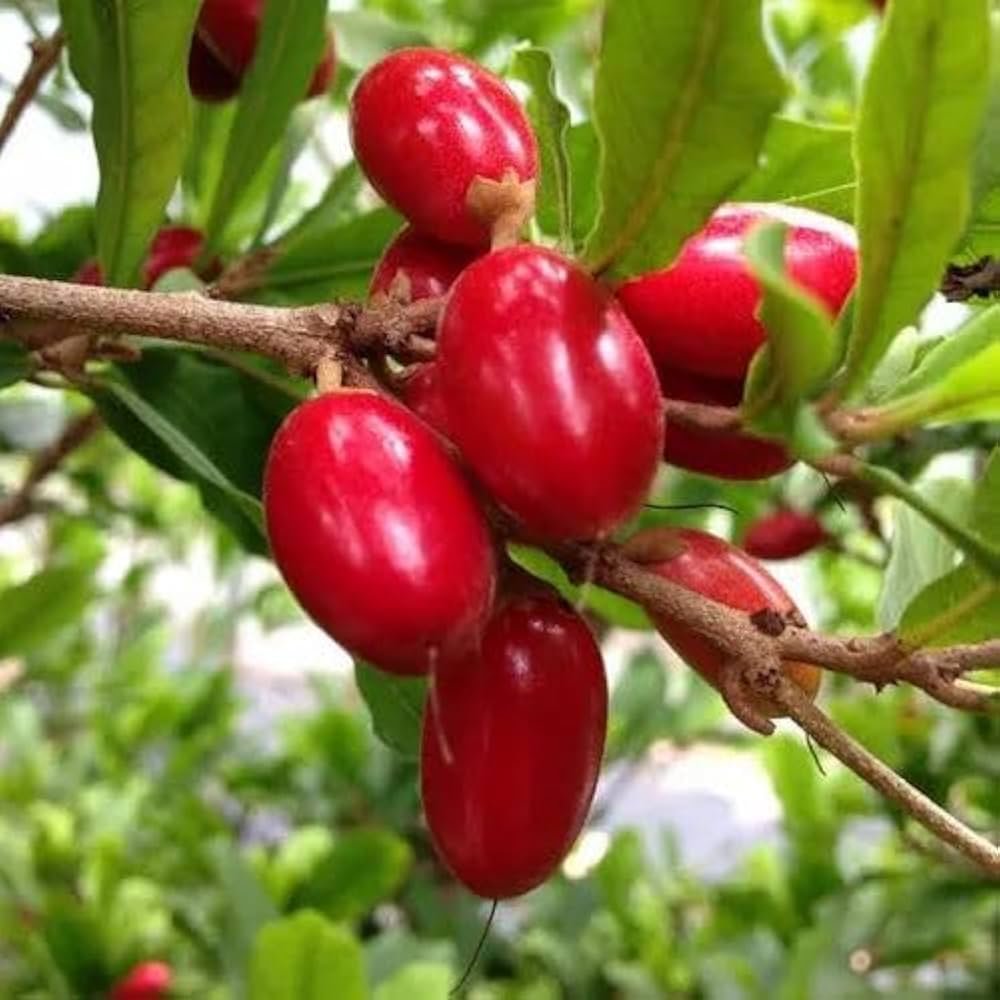
The exotic red fruit is gaining global attention because:
- Nutritional Powerhouse
- High in antioxidants, vitamins A and C, fiber, and minerals like calcium and iron.
- Supports immunity, digestion, and heart health.
- Visually Stunning
- Red or magenta flesh looks amazing in fruit salads, juices, and desserts.
- Makes food photography and presentation stand out.
- Versatile
- Can be eaten fresh, juiced, or made into jams, jellies, smoothies, or desserts.
- Works in both sweet and savory dishes.
- Unique Flavor
- Red dragon fruit: mildly sweet with a subtle tartness, reminiscent of kiwi.
- Red guava: fragrant, sweet-tart tropical flavor.
- High Market Demand
- Rare red fruits can fetch premium prices at local markets and specialty stores.
🌿 How to Grow This Exotic Red Fruit Successfully
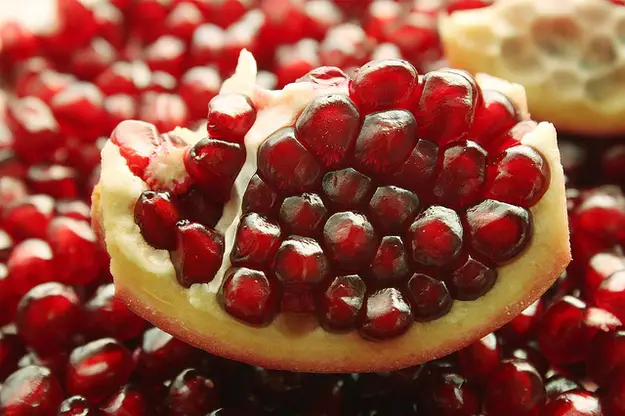
1. Climate and Location
- Red dragon fruit: Thrives in tropical and subtropical climates, tolerates heat, light drought, and full sun.
- Red guava: Prefers tropical regions, full sun, and well-drained soil.
Both need warm temperatures, protection from frost, and at least 6–8 hours of sunlight daily.
2. Choosing the Right Planting Material
Red Dragon Fruit
- Cuttings: Most common method; take a 12–18 inch stem from a healthy parent plant.
- Seed: Takes longer (up to 3–5 years to fruit). Cuttings produce fruit faster (1–2 years).
Red Guava
- Seedlings: Can take 3–5 years to fruit.
- Grafted plants: Ensures true-to-type fruit, faster fruiting (1–2 years).
For maximum success, choose grafted or cutting-grown plants to preserve the unique red flesh and flavor.
3. Soil Preparation
- Well-drained soil is critical.
- Mix garden soil with compost, coco peat, and sand to improve aeration.
- Slightly acidic to neutral soil (pH 6–7) works best.
- Avoid waterlogged areas to prevent root rot.
4. Planting Techniques
Red Dragon Fruit
- Provide a trellis, wooden post, or fence for climbing.
- Plant cuttings at a 45-degree angle for strong growth.
- Space plants 3–4 feet apart for air circulation.
Red Guava
- Plant 2–3 meters apart in a garden.
- Mulch heavily to retain moisture and prevent weeds.
- Water immediately after planting.
5. Watering and Fertilizing
- Watering: Keep soil consistently moist for young plants; deep watering once or twice per week for mature plants.
- Fertilizing: Use balanced NPK fertilizer every 6–8 weeks.
- Organic Boosters: Compost, cow dung, or seaweed extract improves fruit quality and color.
- Potassium-rich fertilizers enhance sweetness and red color in the fruit.
🌸 Flowering and Fruiting
Red Dragon Fruit
- Produces large, white nocturnal flowers that bloom at night.
- Pollination by bees or hand pollination ensures fruit set.
- Fruits mature in 30–50 days after flowering.
Red Guava
- Produces small, fragrant flowers that attract bees.
- Fruits mature in 3–5 months.
- Harvest when fruits are slightly soft and have a bright red or pink flesh.
6. Pruning and Training Tips
- Remove weak or crossing branches.
- Maintain an open canopy for sunlight and air circulation.
- Thin excess fruits to allow remaining fruits to grow larger.
- Support climbing stems of dragon fruit with trellises or stakes.
Proper pruning ensures larger, sweeter, and visually striking red fruits.
🐛 Pests and Diseases
Even exotic fruits can face challenges:
- Fruit flies: Cover fruits with mesh or use traps.
- Aphids / Mealybugs: Spray neem oil or insecticidal soap.
- Fungal infections: Avoid overwatering; use organic fungicides if necessary.
- Root rot: Ensure proper drainage and avoid waterlogging.
With consistent care, these pests and diseases can be managed effectively.
🍹 How to Enjoy Your Exotic Red Fruit
The vibrant red flesh is not just beautiful—it’s versatile:
- Fresh Eating: Slice open and scoop out the pulp.
- Juices & Smoothies: Blend with water, coconut water, or other tropical fruits.
- Desserts: Use in ice creams, sorbets, puddings, or fruit salads.
- Jams & Jellies: Perfect for vibrant spreads with natural sweetness.
- Garnishing: Add a pop of color to cocktails, desserts, and dishes.
Its sweet, juicy flavor makes it a favorite for children and adults alike.
🌟 Tips to Grow Extraordinary Red Fruits
- Use grafted plants or cuttings for true-to-type fruit.
- Provide full sun exposure for maximum sweetness and color.
- Maintain consistent watering and mulching.
- Use potassium-rich fertilizers to enhance red pigmentation.
- Prune regularly to improve fruit size and air circulation.
- Hand-pollinate flowers if pollinators are scarce.
- Thin fruits to allow remaining fruits to grow bigger and sweeter.
Following these steps will give you large, juicy, bright red fruits that stand out in taste and appearance.
🌎 Where Exotic Red Fruits Thrive
- Tropical and subtropical regions are ideal.
- USDA zones 9–11 for outdoor planting.
- Can also be grown in large containers with trellis support.
- Greenhouse cultivation allows year-round flowering and fruiting.
These exotic red fruits are perfect for home gardens, specialty orchards, or commercial cultivation.
🍓 Final Thoughts: Can You Guess This Exotic Red Fruit?
Exotic red fruits like red dragon fruit and red guava are not just visually stunning—they’re nutritious, flavorful, and versatile. With proper care, grafting, fertilization, and pruning, you can grow extraordinary fruits in your own backyard.
Whether eaten fresh, juiced, made into desserts, or sold at premium markets, these red fruits are a feast for the eyes and the taste buds.
Next time someone asks, “Can you guess this exotic red fruit?”, you can proudly show your garden or share the sweet, juicy, vibrant fruits you’ve grown—sure to amaze anyone who tastes them!