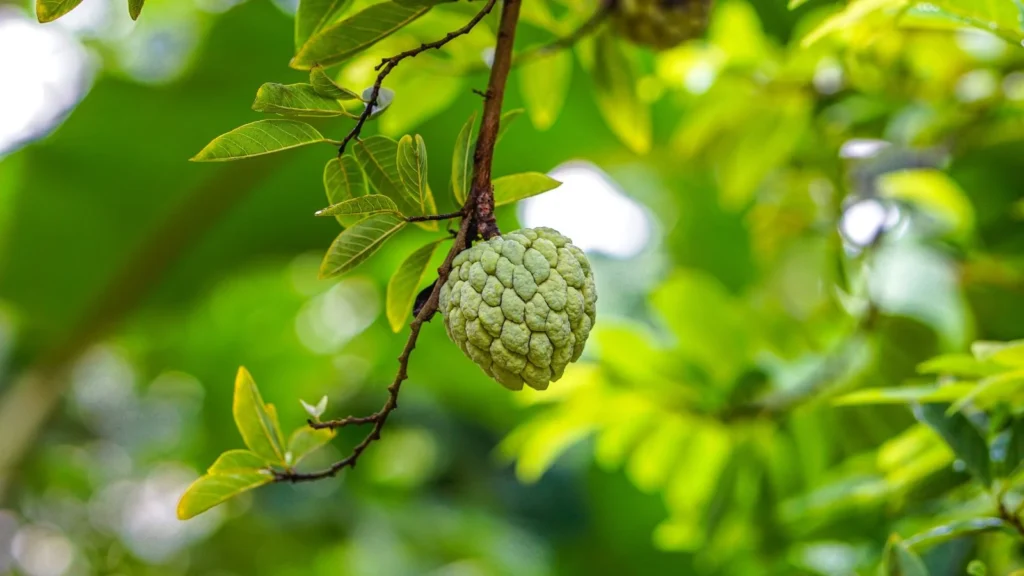
Atemoya, a hybrid fruit created by crossing sugar apple (Annona squamosa) and cherimoya (Annona cherimola), is celebrated for its creamy, custard-like flesh and tropical sweetness. Typically, atemoya fruits have a green or light green skin, but recently, gardeners and fruit enthusiasts have been fascinated by a rare yellow atemoya variety that is not only visually stunning but also exceptionally sweet and juicy.
In this article, we’ll explore why this yellow atemoya is so special, its nutritional benefits, how to grow it successfully, and tips for harvesting large, luscious fruits that everyone will marvel at.
🌱 What Makes Yellow Atemoya So Unique?
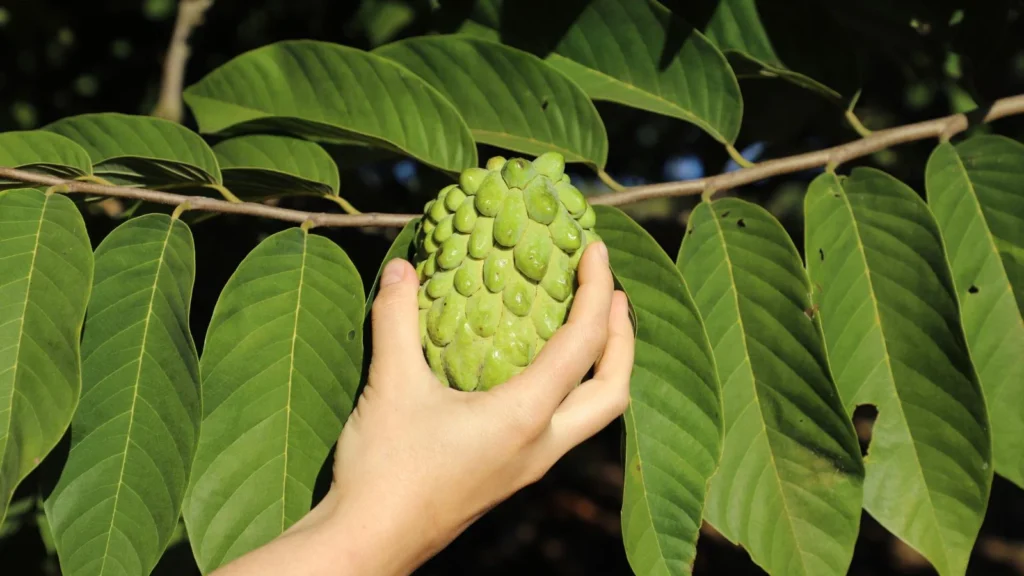
The yellow atemoya stands out because of several key characteristics:
- Bright Yellow Skin
Unlike typical green atemoyas, this variety has a vibrant yellow exterior that immediately attracts attention. - Creamy, Sweet Flesh
The pulp inside is soft, juicy, and creamy—resembling custard—with a subtle, tropical sweetness that makes it a delight to eat. - Nutritional Value
Yellow atemoya is packed with:
- Vitamin C
- Dietary fiber
- Potassium
- Natural antioxidants
These nutrients help boost immunity, support digestion, and improve overall health.
- Unique Market Appeal
Its bright yellow color and exotic taste make it a high-demand fruit in specialty markets and gourmet kitchens. - Versatility
Yellow atemoya can be eaten fresh, added to smoothies, or used in desserts like ice creams, puddings, and fruit salads.
This combination of visual appeal, sweetness, and nutrition makes yellow atemoya a rare and desirable tropical fruit.
🌿 Why Gardeners and Farmers Are Excited About Yellow Atemoya
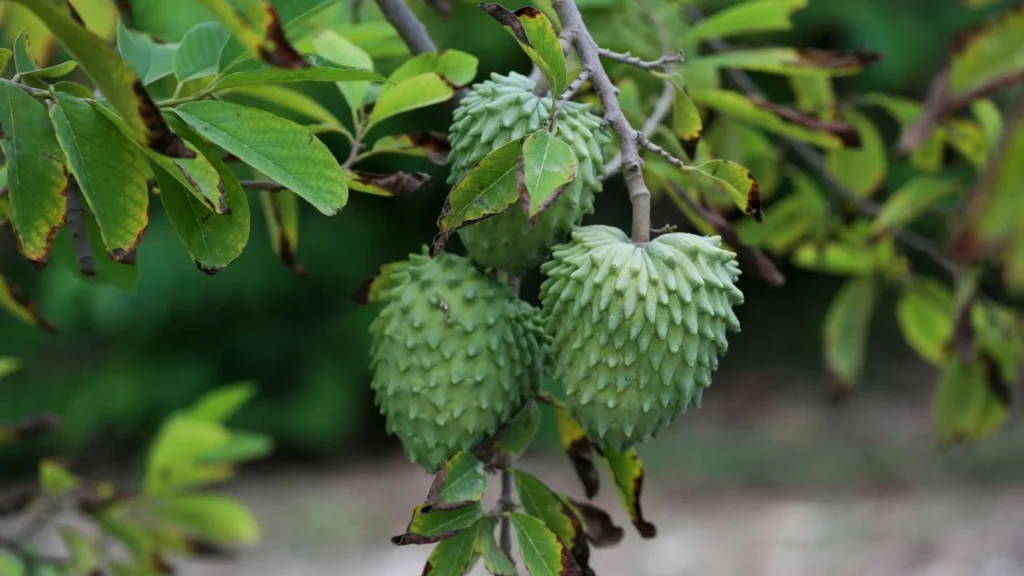
Gardeners are increasingly intrigued by yellow atemoya because:
- Rare Variety: Its color and sweetness make it stand out among tropical fruits.
- High Yield Potential: Properly grafted trees produce more fruit than seed-grown trees.
- Early Fruiting: Grafted varieties can produce fruit in as little as 2–3 years.
- Disease Resistance: When grafted onto hardy rootstocks, the tree becomes more resilient.
Many gardeners have shared photos and videos of unusually large yellow atemoyas, sparking curiosity: “Have you ever seen a yellow atemoya like this?”
🌱 How to Grow Yellow Atemoya Successfully
Growing yellow atemoya requires attention to climate, soil, and care. Here’s a step-by-step guide:
1. Climate and Location
- Temperature: Thrives in tropical and subtropical climates (20°C–30°C / 68°F–86°F).
- Sunlight: Full sun to partial shade.
- Protection: Shelter from strong winds and frost.
Yellow atemoya grows best in regions where sugar apple and cherimoya flourish.
2. Selecting Planting Material
There are two main options:
- Seeds:
- Planting seeds is possible, but fruiting can take 5–7 years, and fruit quality may vary.
- Grafted Plants (Recommended):
- Use scions from a healthy yellow atemoya tree grafted onto strong rootstock.
- Advantages:
- True-to-type fruit
- Faster fruiting (2–3 years)
- Higher yield
- Stronger, disease-resistant trees
Grafted plants are the preferred choice for gardeners who want consistent, high-quality yellow atemoyas.
3. Soil Preparation
- Well-drained, fertile soil is essential.
- Mix garden soil with compost, coco peat, or aged manure.
- Slightly acidic to neutral soil (pH 6–7) is ideal.
- Avoid waterlogged areas to prevent root rot.
4. Planting Techniques
- Dig a hole twice the size of the root ball.
- Place the grafted plant or seedling slightly above soil level.
- Backfill with a mixture of soil and compost.
- Water thoroughly after planting.
- Mulch around the base to conserve moisture and suppress weeds.
Yellow atemoya trees can grow 10–12 feet tall and spread widely, so give them ample space.
💧 Watering and Fertilizing Yellow Atemoya
Watering
- Young plants: Keep soil consistently moist, water every 2–3 days.
- Mature plants: Deep watering once or twice a week, depending on rainfall.
- Avoid overwatering to prevent root diseases.
Fertilizing
- Balanced NPK fertilizer every 6–8 weeks.
- Organic fertilizers: compost, cow dung, or seaweed extract.
- Potassium-rich fertilizers during flowering and fruiting improve sweetness and fruit size.
🌸 Flowering and Fruit Development
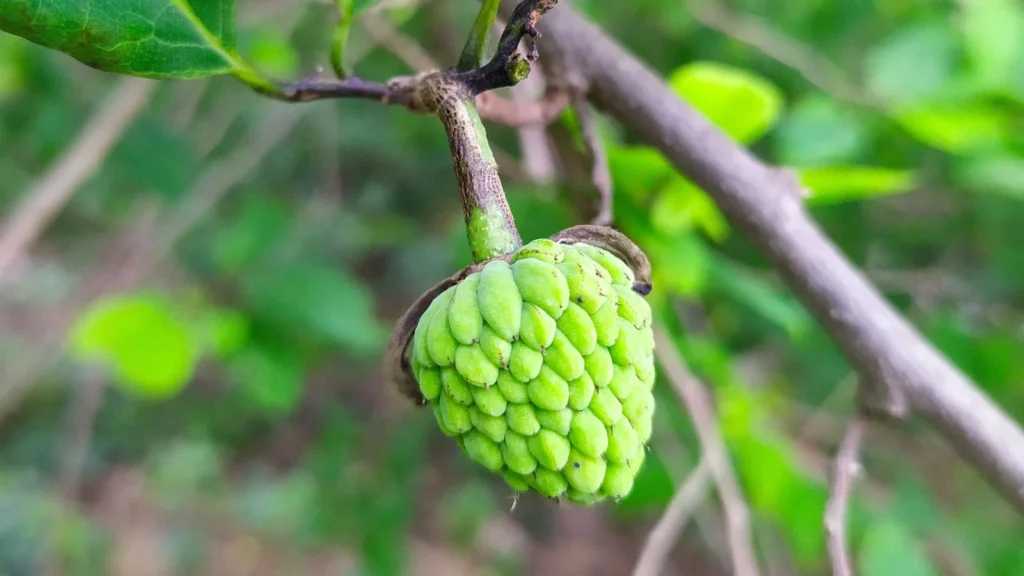
- Yellow atemoya produces small, fragrant greenish-white flowers.
- Flowers are pollinated naturally by bees or manually to increase fruit set.
- Fruit develops 3–5 months after pollination.
Harvesting Tips
- Fruits are ready when the skin turns bright yellow and yields slightly under gentle pressure.
- Gently twist or cut the fruit to avoid damaging the tree.
- Harvest regularly to encourage more fruit production.
✂ Pruning and Training Tips
Pruning is crucial for healthy growth and abundant fruiting:
- Remove dead or weak branches.
- Maintain an open canopy to allow sunlight and air circulation.
- Thin excess fruits to allow remaining fruits to grow larger and sweeter.
- Support branches that carry heavy fruits to prevent breakage.
Proper pruning ensures your yellow atemoya tree produces large, juicy, custard-like fruits year after year.
🐛 Pests and Diseases
While yellow atemoya is hardy, some common pests and diseases include:
- Fruit flies: Use traps or cover fruits.
- Aphids and mealybugs: Spray with neem oil or insecticidal soap.
- Anthracnose: Remove infected leaves and use organic fungicides.
- Root rot: Ensure good drainage and avoid overwatering.
Regular monitoring and preventive care will keep your trees healthy and productive.
🍨 How to Enjoy Yellow Atemoya
Yellow atemoya is incredibly versatile in the kitchen:
- Fresh Eating: Scoop out the creamy flesh and enjoy as is.
- Smoothies & Shakes: Blend with milk, coconut water, or other fruits for a tropical treat.
- Desserts: Use in puddings, ice creams, custards, and fruit salads.
- Baking: Incorporate into cakes, muffins, or tarts for a unique flavor.
- Juices & Jams: Make natural, sweet spreads with minimal added sugar.
Its creamy texture and tropical sweetness make it a gourmet fruit that appeals to all ages.
🌟 Secrets to Growing Extraordinary Yellow Atemoya
To get yellow atemoyas that amaze everyone:
- Use grafted plants for true-to-type fruit.
- Provide full sunlight for optimal sugar content.
- Maintain consistent watering and proper drainage.
- Apply potassium-rich fertilizers to improve sweetness and texture.
- Prune regularly to promote healthy growth.
- Hand-pollinate flowers if necessary to increase fruit set.
- Thin fruits to allow remaining fruits to grow larger and creamier.
Following these steps ensures you’ll have bright yellow, custard-like fruits that are visually striking and delicious.
🌎 Where Yellow Atemoya Thrives
- Tropical and subtropical regions
- USDA zones 9–11 for outdoor growth
- Can also grow in large containers or greenhouses in cooler areas
- Requires protection from frost and strong winds
This rare yellow variety is perfect for home gardens, specialty orchards, and tropical fruit enthusiasts who want something unique.
🍋 Final Thoughts: Have You Ever Seen a Yellow Atemoya?
Yellow atemoya is more than just a fruit—it’s a tropical treasure. With its vibrant color, creamy custard-like texture, and exceptional sweetness, it’s a delight for both the eyes and the taste buds.
By choosing grafted plants, providing proper care, and following the cultivation tips in this guide, you can grow extraordinary yellow atemoyas that will amaze friends, family, and neighbors.
Whether eaten fresh, blended into smoothies, or used in desserts, this fruit is a tropical indulgence worth growing. The next time someone asks, “Have you ever seen a yellow atemoya?”, you can proudly show your garden and your golden harvest!