Introduction: Why Orchids Stop Blooming Indoors
Orchids are admired for their elegant flowers and long-lasting blooms, yet many indoor gardeners struggle to keep them flowering. Often, orchids stop blooming due to improper care rather than plant weakness. Indoor conditions differ greatly from their natural environment, which can stress the plant. Factors like incorrect watering, poor lighting, and unsuitable temperature can shorten bloom time. Many people assume orchids are difficult to grow, but this is not true. With proper knowledge, orchids can bloom for months. Understanding their natural growth cycle is the first step. When care is adjusted correctly, orchids thrive beautifully indoors.
Understanding the Orchid Blooming Cycle
Orchids follow a natural blooming and resting cycle. After flowering, they enter a dormant phase to store energy. Many indoor growers mistakenly think the plant is dying during this stage. In reality, rest is essential for future blooms. Orchids bloom once or twice a year depending on the variety. During dormancy, leaf and root health must be maintained. Proper care during this phase ensures stronger flowers later. Cutting flower spikes incorrectly can disrupt reblooming. Learning this cycle helps set realistic expectations and prevents unnecessary mistakes.
Choosing the Right Orchid Variety for Indoors
Not all orchids perform equally indoors. Phalaenopsis orchids are best suited for home environments. They adapt well to indirect light and stable temperatures. Other varieties like Dendrobium and Oncidium also bloom indoors with care. Beginners should avoid orchids that need extreme humidity. Selecting the right type reduces maintenance challenges. Healthy varieties bloom longer naturally. Plant choice plays a major role in long-lasting flowers. A suitable orchid makes indoor success much easier.
Ideal Light Conditions for Longer Blooms
Light is one of the most important factors in orchid blooming. Orchids need bright but indirect sunlight. Direct sunlight can scorch leaves and shorten bloom life. East or north-facing windows work best. Insufficient light results in weak or absent blooms. Leaves should appear healthy green, not dark or yellow. Artificial grow lights can supplement natural light. Balanced lighting encourages longer-lasting flowers. Proper placement is key to success.
Temperature Control for Indoor Orchids
Orchids prefer stable temperatures. Most varieties thrive between moderate day and night differences. Extreme heat causes flowers to wilt quickly. Cold drafts can shock the plant. Indoor orchids benefit from nighttime temperature drops. This temperature change signals blooming. Avoid placing orchids near heaters or air conditioners. Consistent temperature helps flowers last longer. Stable environments mimic natural conditions effectively.
Proper Watering Techniques for Orchids
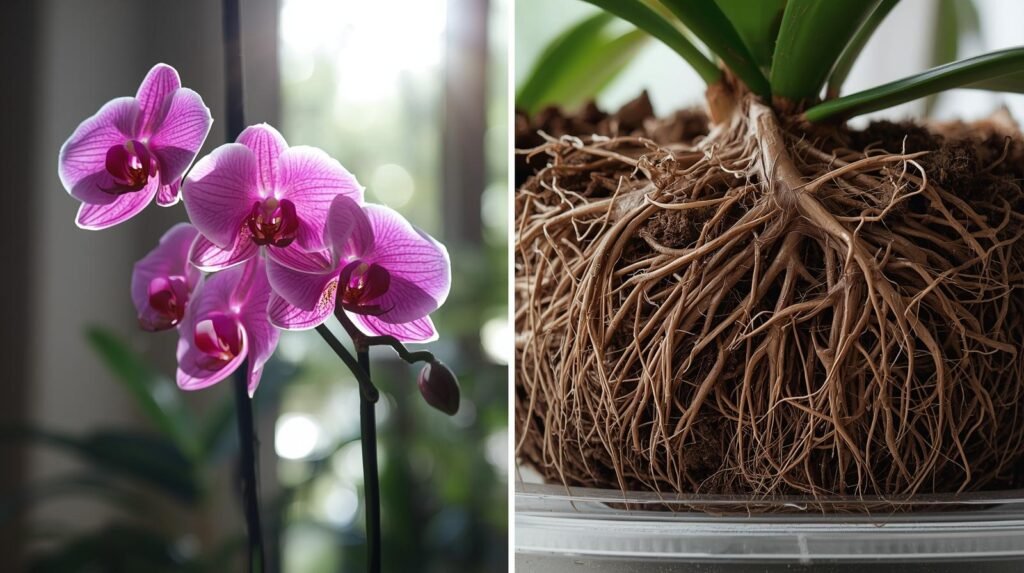
Overwatering is the most common mistake in orchid care. Orchids do not grow in soil like regular plants. Their roots need airflow and quick drainage. Water only when the growing medium feels slightly dry. Use room-temperature water to avoid shock. Allow excess water to drain completely. Standing water causes root rot. Correct watering supports healthy blooms. Less frequent watering often works best.
Importance of Humidity for Orchid Flowers
Orchids thrive in higher humidity levels. Indoor air is often too dry, especially during winter. Low humidity causes buds to drop prematurely. Placing a humidity tray under the pot helps. Grouping plants together increases moisture naturally. Light misting can help if done carefully. Avoid wetting flowers directly. Maintaining humidity extends bloom duration. Balanced moisture keeps orchids comfortable.
Best Potting Medium for Blooming Orchids
Orchids need a specialized growing medium. Bark, moss, or coconut husk mixes work best. Regular garden soil suffocates orchid roots. A loose medium ensures airflow and drainage. Old or compacted media restrict root health. Repotting every one to two years is essential. Fresh medium supports nutrient absorption. Healthy roots result in longer blooms. Choosing the right medium is critical.
Fertilizing Orchids for Extended Bloom Time
Orchids require gentle feeding. Overfertilization damages roots and flowers. Use a balanced orchid fertilizer diluted properly. Fertilize during active growth periods. Reduce feeding during dormancy. Consistent light feeding improves bloom strength. Avoid fertilizing dry roots. Nutrient balance promotes vibrant flowers. Proper feeding enhances bloom longevity.
Pruning and Spike Care After Flowering
Once blooms fade, spike care becomes important. Some orchids rebloom from old spikes. Trim spikes carefully above a node if healthy. Remove dead or brown spikes completely. Use clean, sharp tools to prevent infection. Pruning redirects energy to growth. Proper trimming encourages future flowers. Avoid cutting green leaves. Correct pruning supports reblooming.
Air Circulation and Its Role in Bloom Health
Orchids need gentle airflow. Stagnant air promotes fungal issues. Good circulation strengthens stems. Avoid placing orchids in closed corners. A small fan can help indoors. Air movement mimics natural conditions. It also helps prevent pests. Balanced airflow keeps blooms fresh. Healthy environments support longer flowering.
Preventing Bud Blast in Orchids
Bud blast occurs when buds drop before opening. Sudden changes in temperature or humidity cause this issue. Moving orchids frequently increases stress. Gas fumes and smoke can harm buds. Inconsistent watering also contributes. Keeping conditions stable prevents bud loss. Once buds form, avoid changes. Stability ensures full bloom development.
Managing Pests Without Harming Flowers
Common orchid pests include mealybugs and aphids. Inspect plants regularly. Use gentle treatments like neem oil. Avoid harsh chemicals during blooming. Clean leaves with a damp cloth. Early pest control prevents flower damage. Healthy plants resist infestations better. Natural methods protect blooms. Prevention is always easier.
Repotting Orchids Without Losing Blooms
Repotting during bloom is risky but sometimes necessary. If roots are rotting, repot carefully. Use fresh medium and minimal disturbance. Water lightly after repotting. Avoid fertilizing immediately. Proper technique reduces shock. Healthy roots recover faster. Timing repotting correctly protects blooms.
Common Orchid Blooming Mistakes
Many growers overcare orchids. Excess water, fertilizer, and handling cause problems. Ignoring light needs results in no flowers. Using wrong pots traps moisture. Skipping rest periods weakens plants. Understanding mistakes improves results. Learning patience is essential. Orchids reward consistency. Simple care works best.
How Long Orchids Can Bloom Indoors
With proper care, orchids can bloom for two to four months. Some varieties last even longer. Environmental stability plays a major role. Good light and humidity extend bloom time. Healthy roots support flowers. Each bloom cycle improves with experience. Long blooms are achievable. Proper care makes the difference.
Encouraging Reblooming Naturally
After blooming, orchids need rest. Continue caring for leaves and roots. Reduce watering slightly. Provide proper light during dormancy. Temperature changes encourage spikes. Patience is required for reblooming. Avoid forcing flowers. Natural cycles ensure stronger blooms. Healthy plants rebloom reliably.
Seasonal Orchid Care Adjustments
Orchid care changes with seasons. Winter requires less watering. Summer increases humidity needs. Adjust light exposure accordingly. Avoid sudden changes. Seasonal awareness improves bloom success. Orchids respond well to consistency. Gentle adjustments work best. Seasonal care extends plant life.
Benefits of Growing Orchids Indoors
Orchids enhance indoor spaces beautifully. They improve mood and décor. Caring for orchids reduces stress. Blooming plants create satisfaction. Orchids last longer than cut flowers. They teach patience and observation. Indoor orchids are rewarding companions. Their elegance is unmatched.
Orchid Care Summary Table
| Care Aspect | Best Practice |
|---|---|
| Light | Bright indirect light |
| Watering | When medium is slightly dry |
| Humidity | Moderate to high |
| Fertilizer | Diluted balanced formula |
| Bloom Duration | Two to four months |