Soil is the foundation of plant health, yet many gardeners reuse old soil without improvement. Over time, soil loses nutrients and structure. Old soil may become compacted or depleted. Harmful pathogens can build up as well. Plants grown in tired soil often struggle. Refreshing soil restores fertility naturally. This process saves money and reduces waste. Healthy soil leads to stronger plants. Revitalization is essential for long-term gardening success.
Understanding What Happens to Old Soil
Old soil changes after repeated use. Nutrients are absorbed by plants over time. Water flow becomes uneven due to compaction. Microbial life decreases without organic matter. Salts from fertilizers accumulate. Pests and diseases may linger. These changes reduce plant growth. Identifying soil problems helps fix them. Revitalization restores balance. Healthy soil supports vibrant plants.
Signs That Your Soil Needs Refreshing
Plants show clear signs when soil is exhausted. Slow growth is a common indicator. Yellowing leaves suggest nutrient deficiency. Water pooling signals compaction. Roots may struggle to spread. Poor flowering and fruiting occur. Soil may look lifeless or dry. Recognizing these signs early helps. Refreshing soil prevents plant stress. Timely action improves results.
Removing Old Roots and Debris
Before refreshing soil, clean it thoroughly. Remove old roots and plant remains. Dead material attracts pests and disease. Break up large clumps of soil. Discard severely infected soil if necessary. Cleaning prepares soil for improvement. This step improves structure. Healthy soil starts with cleanliness. Proper preparation ensures success.
Reintroducing Organic Matter
Organic matter is essential for soil health. Compost adds nutrients and structure. Well-rotted manure improves fertility. Leaf mold enhances moisture retention. Organic matter feeds beneficial microbes. These microbes improve nutrient availability. Mixing organic material revitalizes soil. Healthy soil becomes loose and rich. Organic matter is the key ingredient.
Improving Soil Structure Naturally
Compacted soil restricts roots. Adding coarse materials improves drainage. Sand or perlite increases airflow. Coconut coir improves moisture balance. Mixing thoroughly ensures even distribution. Good structure allows root expansion. Balanced texture prevents waterlogging. Soil structure affects growth significantly. Proper amendments restore balance.
Restoring Soil Nutrients
Old soil often lacks essential nutrients. Organic fertilizers replenish soil gently. Bone meal adds phosphorus. Vermicompost improves overall fertility. Avoid excessive chemical fertilizers. Balanced nutrition prevents salt buildup. Slow-release nutrients work best. Healthy soil feeds plants steadily. Nutrient restoration supports strong growth.
Adjusting Soil pH
Soil pH affects nutrient uptake. Old soil may become acidic or alkaline. Testing soil helps determine pH levels. Lime raises pH if soil is acidic. Sulfur lowers pH if soil is alkaline. Adjust gradually to avoid shock. Balanced pH improves plant health. Correct pH enhances nutrient availability.
Reviving Soil Microbial Life
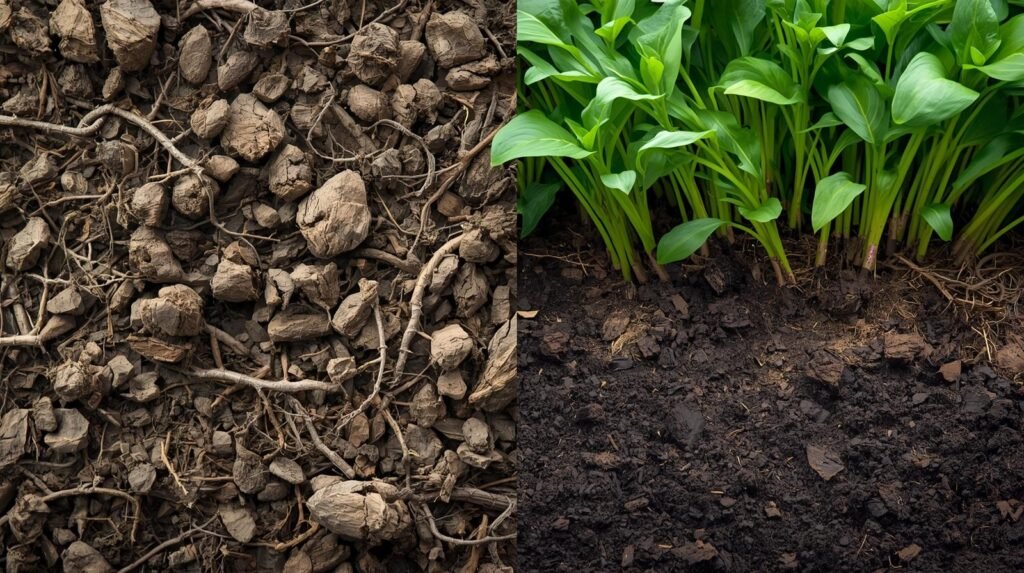
Microorganisms play a vital role in soil health. Compost tea introduces beneficial microbes. Avoid sterilizing soil unnecessarily. Mulching supports microbial activity. Healthy microbes improve nutrient cycling. Living soil supports plants naturally. Microbial diversity strengthens soil resilience. Revitalization focuses on life. Healthy soil is alive.
Reusing Potting Soil for Container Plants
Container soil degrades faster than garden soil. Remove old roots completely. Mix fresh compost into used soil. Add perlite for drainage. Replace one-third of soil if possible. Refreshing container soil saves resources. Healthy potting soil supports indoor plants. Proper care extends soil life. Containers benefit from renewal.
Solarizing Old Soil to Kill Pathogens
Solarization uses heat to disinfect soil. Spread soil thinly under sunlight. Cover with clear plastic for several weeks. Heat kills pests and weed seeds. This method is chemical-free. Solarized soil becomes safer. Follow with organic matter addition. Clean soil ensures healthy plants.
Using Green Manure for Soil Improvement
Green manure plants enrich soil naturally. Legumes fix nitrogen into soil. Chop and mix them back into soil. This improves fertility and structure. Green manure prevents erosion. It adds organic matter. Natural methods build soil health. Sustainable gardening benefits greatly. Green manure is eco-friendly.
Avoiding Common Soil Refreshing Mistakes
Adding too much fertilizer harms soil. Ignoring drainage causes root issues. Skipping organic matter limits benefits. Mixing poorly creates uneven soil. Using infected soil spreads disease. Learning mistakes improves success. Balanced methods work best. Simple practices yield better soil. Avoid shortcuts.
Seasonal Timing for Soil Revitalization
Spring and fall are ideal times. Soil microbes are active during mild temperatures. Avoid working wet soil. Timing affects effectiveness. Seasonal preparation supports planting. Revitalized soil performs better. Planning ahead saves effort. Timing matters greatly. Seasonal care improves soil quality.
Benefits of Revitalized Soil
Healthy soil improves plant growth. Roots spread easily. Nutrients become readily available. Water retention improves. Pest resistance increases naturally. Plants grow stronger and greener. Revitalized soil supports sustainability. Gardening becomes more productive. Healthy soil equals healthy plants.
Long-Term Soil Maintenance Tips
Regular composting maintains soil health. Rotate crops to prevent depletion. Mulch to protect soil surface. Avoid overwatering and chemicals. Test soil periodically. Continuous care prevents exhaustion. Long-term strategies work best. Soil maintenance saves effort. Consistency ensures success.
Using Mulch to Protect Refreshed Soil
Mulch conserves moisture. It regulates soil temperature. Organic mulch decomposes into nutrients. Mulch prevents erosion. It suppresses weeds effectively. Applying mulch completes soil revitalization. Healthy soil stays protected. Mulching is essential. Plants benefit greatly.
Soil Revitalization for Indoor Plants
Indoor soil needs frequent refreshing. Limited volume depletes nutrients fast. Replace topsoil layer regularly. Add compost gently. Avoid heavy garden soil indoors. Good drainage is crucial. Indoor plants thrive in renewed soil. Simple steps make a difference. Healthy soil supports growth.
Eco-Friendly Soil Revitalization Methods
Natural methods protect the environment. Compost reduces waste. Avoid chemical dependency. Encourage beneficial organisms. Sustainable practices improve soil long-term. Eco-friendly gardening benefits ecosystems. Healthy soil supports biodiversity. Natural methods are effective. Sustainability begins with soil.
Soil Refreshing Comparison Table
| Method | Main Benefit |
|---|---|
| Compost addition | Nutrient restoration |
| Perlite mixing | Better drainage |
| Solarization | Pathogen control |
| Green manure | Natural fertility |
| Mulching | Moisture retention |