Introduction: Why Butterfly Gardens Matter
Creating a butterfly garden is one of the most rewarding ways to support nature while enjoying vibrant beauty. Butterflies are essential pollinators that help plants reproduce and thrive. A garden designed specifically for butterflies adds constant movement, color, and life to outdoor spaces. Unlike traditional flower beds, butterfly gardens focus on nectar, host plants, and seasonal blooms. When planned correctly, they can bloom continuously throughout summer. These gardens also support bees and other beneficial insects. Even small yards can become butterfly havens. A butterfly garden is both environmentally meaningful and visually stunning.
Understanding the Butterfly Life Cycle
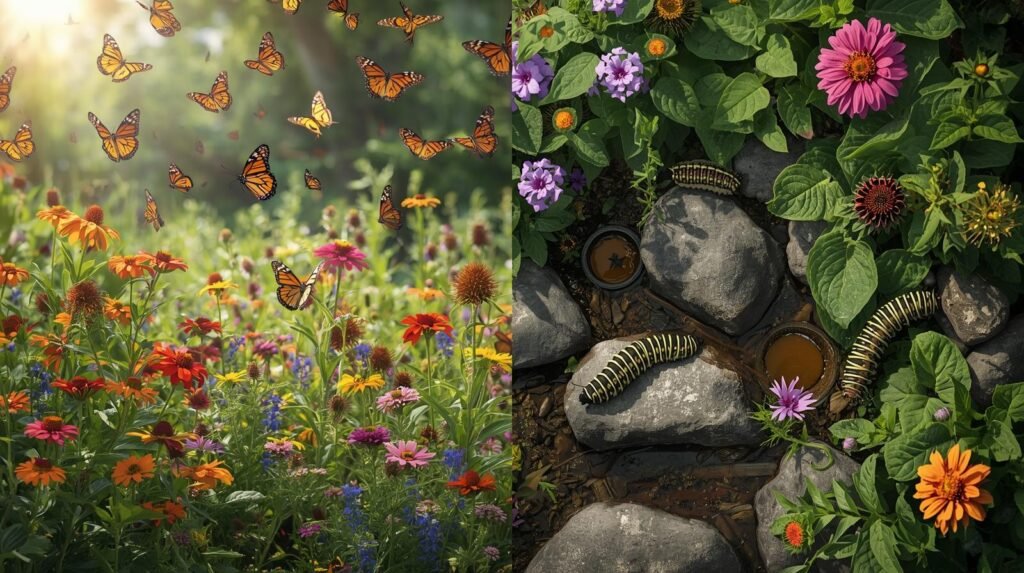
To attract butterflies successfully, it is important to understand their life cycle. Butterflies go through four stages: egg, caterpillar, chrysalis, and adult. Each stage requires specific plants and conditions. Nectar plants feed adult butterflies, while host plants support caterpillars. Without host plants, butterflies will not stay long. Providing food sources for all stages ensures a thriving population. A successful butterfly garden balances beauty with biology. This understanding guides plant selection and layout decisions.
Choosing the Right Location for Your Butterfly Garden
Butterflies love sunlight and warmth, making location a crucial factor. Choose a spot that receives at least six hours of direct sunlight daily. Sheltered areas protected from strong winds help butterflies rest and feed comfortably. Open spaces allow easy flight between plants. Avoid areas treated with chemical pesticides. Proximity to water sources is beneficial. A well-chosen location increases butterfly visits significantly. Sun-filled corners are ideal for summer blooms.
Selecting Nectar Plants for Continuous Summer Blooms
Nectar plants provide food for adult butterflies and should bloom at different times. Selecting a variety ensures continuous nectar availability throughout summer. Flowers with bright colors attract butterflies easily. Flat or clustered blooms are easier for feeding. Native plants are especially effective. Diversity keeps butterflies returning daily. Proper planning prevents gaps in flowering periods.
Top Summer Nectar Flowers for Butterflies
Popular nectar plants include zinnias, coneflowers, lantana, and cosmos. These flowers bloom quickly and last long. Milkweed is essential for monarch butterflies. Butterfly bush attracts multiple species at once. Coreopsis and black-eyed Susan add color and nectar. Mixing tall and short plants creates visual interest. These flowers thrive in warm summer conditions.
Using Native Plants for Best Results
Native plants are adapted to local climates and butterfly species. They require less maintenance and water. Butterflies recognize native plants more easily. Native flowers bloom naturally in sequence. This supports long-term sustainability. Using native plants reduces garden stress. They strengthen local ecosystems naturally.
Including Host Plants for Caterpillars
Host plants are essential for egg-laying and caterpillar feeding. Different butterflies require specific host plants. Milkweed supports monarch caterpillars. Parsley and dill attract swallowtails. Passionflower supports gulf fritillaries. Including host plants ensures future generations. Caterpillar damage is normal and healthy. These plants are critical to success.
Balancing Beauty and Caterpillar Feeding
Some gardeners worry about chewed leaves, but this is a positive sign. Caterpillars feeding means butterflies are reproducing. Plant extra host plants to manage appearance. Place host plants toward the back of beds. Accepting leaf damage supports life cycles. Balance aesthetics with function. This mindset creates thriving gardens.
Providing Water and Resting Areas
Butterflies need shallow water sources to drink minerals. Mud puddles or shallow dishes work well. Flat stones allow resting and sunning. These features improve butterfly comfort. Avoid deep water containers. Moist soil provides nutrients. Small additions make a big difference.
Avoiding Chemicals for a Safe Butterfly Habitat
Chemical pesticides and herbicides harm butterflies at all stages. Even organic sprays can be harmful. Hand-removal of pests is safer. Encourage beneficial insects naturally. Healthy gardens balance themselves. Avoid treated nursery plants. Chemical-free gardening protects pollinators.
Designing Your Butterfly Garden Layout
A layered design enhances function and beauty. Tall plants go at the back, shorter ones in front. Group similar flowers together. Clusters attract more butterflies than single plants. Curved paths create natural flow. Color repetition improves visibility. Good design supports movement.
Seasonal Maintenance for Summer Success
Deadheading encourages continuous blooming. Water during dry periods. Mulch retains moisture and cools roots. Monitor plants for stress. Allow some seed heads to remain. Gentle care maintains blooms. Summer gardens need consistent attention.
Attracting Butterflies from Early to Late Summer
Plant early bloomers and late-season flowers. Stagger planting times. This ensures nectar availability. Continuous bloom keeps butterflies visiting. Avoid planting everything at once. Seasonal diversity supports longevity. Planning ahead pays off.
Common Mistakes to Avoid
Overusing chemicals is the most common mistake. Planting only nectar flowers limits reproduction. Too much shade reduces visits. Ignoring watering needs causes stress. Poor plant diversity reduces attraction. Avoid monoculture designs. Learning from mistakes improves success.
Benefits of a Butterfly Garden
Butterfly gardens support biodiversity. They improve pollination. They educate children naturally. Gardens become lively and peaceful. They require minimal maintenance. They connect people with nature. Benefits extend beyond beauty.
Butterfly Garden Plant Table
Plant Name
Primary Purpose
Bloom Season
Sun Requirement
Butterfly Species Attracted
Milkweed
Host and nectar
Summer
Full sun
Monarch
Zinnia
Nectar
Summer
Full sun
Multiple species
Coneflower
Nectar
Mid to late summer
Full sun
Swallowtails
Lantana
Nectar
All summer
Full sun
Various butterflies
Parsley
Host plant
Summer
Full sun
Swallowtail
Final Thoughts on Butterfly Gardening
Creating a butterfly garden is an act of stewardship. It benefits nature and personal well-being. With thoughtful planning, gardens bloom all summer. Butterflies reward patience and care. Each plant plays a role. Small gardens make big impacts. Butterfly gardening is deeply fulfilling.