Introduction to Raintree Nursery Kiwi Growing Philosophy
Raintree Nursery promotes practical and sustainable fruit growing. Their kiwi growing guide focuses on long-term plant health. Kiwi vines are productive when managed correctly. Proper planting and care ensure success. Raintree emphasizes soil preparation and pruning. Their methods suit home gardeners. This guide follows similar proven principles. Beginners benefit from structured guidance.
Understanding Kiwi Plant Requirements
Kiwi plants require space, sunlight, and support. They grow as climbing vines. Strong structure supports heavy fruit load. Kiwi prefers moderate climate. Cold tolerance varies by variety. Understanding needs prevents failure. Proper planning ensures success. Knowledge is the foundation.
Selecting Healthy Kiwi Plants
Raintree recommends disease-free nursery plants. Healthy roots ensure strong establishment. Avoid weak or damaged plants. Choose varieties suited to your climate. Self-fertile plants simplify care. Plant quality affects future yield. Investing in good plants pays off. Start strong for success.
Choosing the Right Location
Kiwi needs full sunlight and protection from strong wind. Good airflow reduces disease risk. Avoid frost pockets. Choose south-facing locations if possible. Container placement matters. Outdoor spaces work best. Proper location supports fruiting. Planning prevents problems.
Soil Preparation According to Nursery Standards
Raintree emphasizes rich and loose soil. Organic matter improves fertility. Drainage is critical for kiwi roots. Slightly acidic soil is preferred. Compost improves microbial activity. Healthy soil promotes root growth. Soil preparation is essential. Good soil ensures longevity.
Planting Kiwi Correctly
Plant kiwi at correct depth. Avoid burying the crown. Water thoroughly after planting. Mulch around base. Avoid disturbing roots early. Allow plant to establish. Proper planting prevents stress. Early care influences growth.
Water Management for Healthy Growth
Consistent watering supports vine growth. Avoid waterlogging. Deep watering encourages root depth. Dry stress affects flowering. Raintree recommends monitoring soil moisture. Adjust watering seasonally. Balanced watering improves fruiting. Water is vital.
Fertilization Based on Growth Stage
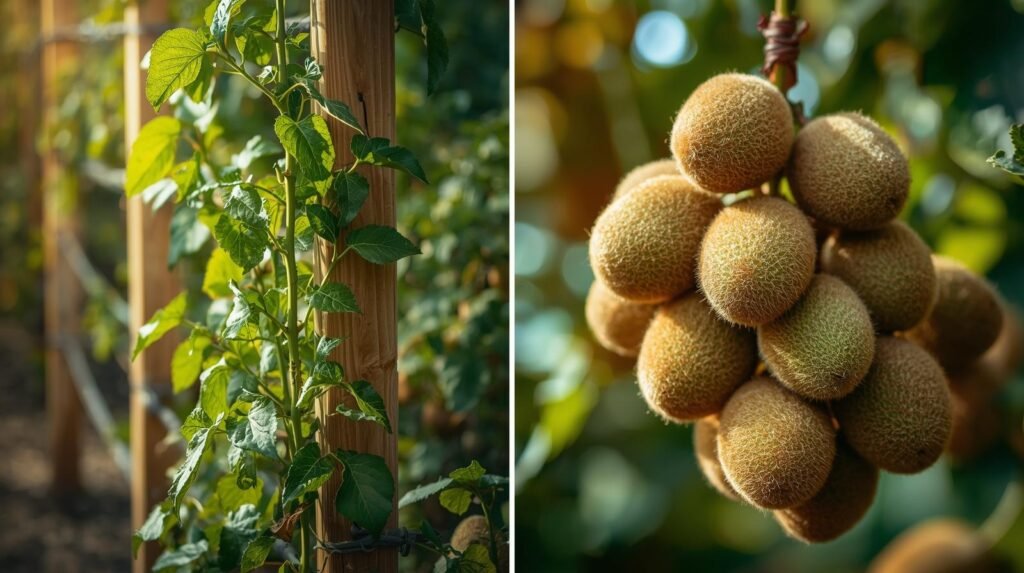
Feed kiwi according to growth phase. Nitrogen supports early growth. Potassium supports flowering. Organic fertilizers are preferred. Avoid overfeeding. Excess fertilizer reduces fruiting. Balanced nutrition ensures yield. Follow a schedule.
Training Kiwi Vines Properly
Raintree stresses proper vine training. Horizontal growth improves fruiting. Vertical shoots produce fewer fruits. Trellis systems are recommended. Training improves sunlight exposure. Good structure supports fruits. Organized vines are productive. Training simplifies maintenance.
Pruning Practices Recommended by Raintree
Pruning controls vine size. Remove old and weak wood. Kiwi fruits on new growth. Winter pruning shapes vines. Summer pruning controls excess shoots. Pruning improves airflow. Proper pruning increases yield. Consistency is key.
Flowering Management Tips
Healthy vines produce abundant flowers. Avoid stress during flowering. Proper nutrition supports blooms. Bees assist pollination. Hand pollination improves set. Flower drop indicates imbalance. Observation helps correction. Flower care ensures fruits.
Fruit Development and Care
Once fruits set, consistent care is vital. Water and nutrients support growth. Avoid heavy pruning during fruiting. Support heavy branches. Monitor pests. Healthy fruits develop gradually. Quality depends on care. Patience is required.
Harvesting Kiwi Correctly
Harvest when fruits reach maturity. Fruits ripen after harvest. Gentle handling prevents damage. Harvest timing affects sweetness. Proper harvesting improves storage. Raintree recommends careful monitoring. Harvesting is rewarding. Fresh kiwi tastes superior.
Post-Harvest Vine Care
After harvest, vines need recovery. Reduce watering slightly. Apply compost. Prune lightly if required. Prepare plant for dormancy. Healthy recovery improves next season yield. Post-harvest care matters. Long-term health depends on it.
Seasonal Maintenance Tips
Winter protection is essential. Mulching protects roots. Summer shading prevents stress. Seasonal adjustments ensure balance. Observe vine response. Adapt care accordingly. Seasonal care improves productivity. Awareness prevents problems.
Container vs Ground Growing
Raintree supports both methods. Container growing suits small spaces. Ground growing gives higher yield. Container vines need more care. Choose based on space. Both can succeed. Proper management matters. Flexibility helps gardeners.
Common Kiwi Growing Mistakes
Overwatering causes root rot. Poor pruning reduces yield. Lack of sunlight affects fruiting. Ignoring support damages vines. Excess nitrogen limits flowering. Learning prevents mistakes. Awareness improves success. Experience builds confidence.
Table: Raintree-Style Kiwi Growing Guide
| Stage | Recommended Practice |
|---|---|
| Planting | Well-drained fertile soil |
| Training | Horizontal vine training |
| Pruning | Annual structured pruning |
| Feeding | Balanced organic nutrition |
| Harvest | Mature but firm fruits |
Benefits of Following Nursery-Based Methods
Proven techniques reduce risk. Plant health improves. Yield becomes consistent. Maintenance becomes easier. Organic practices protect environment. Long-term success increases. Nursery guidance builds confidence. Results are reliable.
Conclusion
Raintree Nursery’s kiwi growing guide offers practical wisdom. Following proper planting, pruning, and care ensures success. Kiwi vines reward patience with delicious fruits. Container or ground growing both work. Consistent care is essential. Trust proven methods. Start growing kiwi confidently today.