1. Introduction to Loquat Trees
Loquat trees are productive fruit trees that thrive in warm and mild climates. Many gardeners overlook them despite their reliability and heavy fruiting habit. Loquats produce sweet, tangy fruits rich in nutrients. The tree is evergreen, providing year-round beauty. With the right care, even one tree can yield a large harvest. Loquats are low maintenance once established. They adapt well to home gardens. This guide explains how to maximize fruit production.
2. Understanding the Loquat Tree Growth Habit
Loquat trees grow as medium-sized evergreen trees. They develop a rounded canopy with large, leathery leaves. Flowers appear in clusters during cooler months. Fruit develops slowly over winter and spring. The tree prefers space to spread naturally. Growth is steady rather than aggressive. Understanding its habit helps with pruning. Proper structure leads to better fruiting.
3. Choosing the Right Climate
Loquats grow best in subtropical and mild temperate climates. They tolerate light frost but prefer frost-free conditions. Cool winters encourage flowering. Extreme cold damages blossoms. Hot summers support fruit ripening. Protection from strong winds improves yield. Climate suitability ensures consistent harvests. Mild conditions produce the best fruit.
4. Selecting the Best Loquat Variety
Different loquat varieties vary in size and flavor. Some produce sweeter fruit while others are more tangy. Local nurseries often carry climate-adapted varieties. Grafted trees fruit earlier than seed-grown trees. Disease resistance also varies by variety. Choosing the right cultivar increases success. Variety selection affects yield and taste. Research improves results.
5. Soil Requirements for Heavy Fruiting
Loquat trees prefer well-draining soil. Loamy soil rich in organic matter is ideal. Poor drainage causes root problems. Slightly acidic soil improves nutrient uptake. Compost improves soil fertility. Raised planting areas help drainage. Soil quality directly affects fruit size. Healthy roots support heavy crops.
6. Planting Loquat Trees Correctly
Plant loquat trees during mild seasons. Dig a wide planting hole. Loosen surrounding soil for root expansion. Place the tree at the same depth as the nursery pot. Water thoroughly after planting. Mulch around the base. Avoid burying the trunk. Proper planting reduces stress.
7. Sunlight Needs
Loquat trees thrive in full sun. At least six hours of direct sunlight is ideal. Sun exposure improves flowering and fruit sweetness. Partial shade reduces yield. Open locations promote airflow. Sunlight also reduces disease pressure. Proper placement increases productivity. Light is essential for success.
8. Watering Schedule
Young loquat trees need regular watering. Established trees are drought tolerant. Deep watering encourages strong roots. Avoid waterlogging soil. Dry stress during fruit development reduces size. Mulching conserves moisture. Balanced watering supports fruit growth. Consistency is important.
9. Fertilizing for Maximum Yield
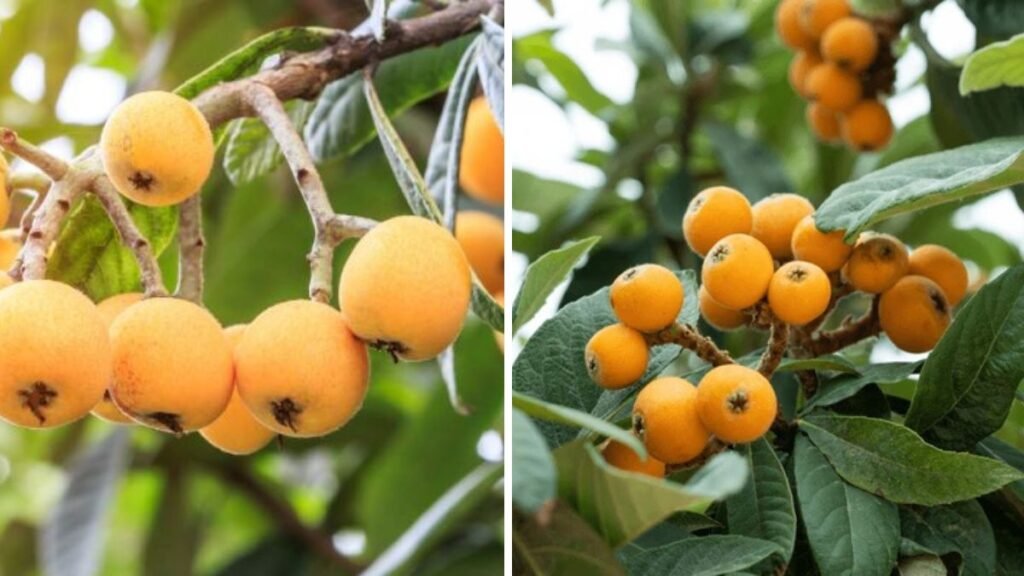
Loquat trees benefit from regular feeding. Organic compost improves soil health. Balanced fertilizer supports growth and fruiting. Excess nitrogen causes leafy growth with fewer fruits. Feed during active growth periods. Potassium improves fruit quality. Proper nutrition increases yield. Fertilization should be moderate.
10. Flowering and Pollination
Loquat flowers bloom in clusters. Flowers are fragrant and attract pollinators. Bees play a major role in pollination. Self-fertile varieties produce fruit alone. Cross-pollination improves yield. Flower health determines fruit set. Avoid spraying chemicals during bloom. Pollination ensures success.
11. Fruit Development Process
Fruit develops slowly after flowering. Cool temperatures support early growth. Warmer weather aids ripening. Fruits grow in clusters. Thinning clusters improves fruit size. Adequate water supports development. Stress causes fruit drop. Patience leads to sweetness.
12. Pruning Techniques
Pruning shapes the tree and improves airflow. Remove dead or crowded branches. Open canopy allows sunlight penetration. Prune lightly after harvest. Avoid heavy pruning during flowering. Proper pruning increases fruit production. Shape improves accessibility. Maintenance supports longevity.
13. Pest Management
Loquats face minimal pest pressure. Fruit flies may attack ripening fruit. Netting helps protect harvest. Aphids occasionally infest new growth. Neem oil controls pests naturally. Regular inspection prevents damage. Healthy trees resist pests. Prevention works best.
14. Disease Prevention
Fungal diseases occur in humid conditions. Good airflow reduces risk. Avoid overhead watering. Remove infected leaves promptly. Clean pruning tools prevent spread. Healthy soil improves resistance. Disease prevention protects yield. Monitoring is essential.
15. Mulching Benefits
Mulching conserves soil moisture. It regulates soil temperature. Organic mulch improves soil structure. Mulch reduces weeds. Loquat roots benefit from protection. Mulching supports fruit development. Moist soil improves sweetness. Mulch is highly recommended.
16. Harvesting Loquats
Harvest loquats when fully colored. Ripe fruit is slightly soft. Taste improves when harvested mature. Cut fruit clusters carefully. Avoid pulling branches. Handle fruit gently. Harvesting timing affects flavor. Fresh loquats are delicate.
17. Post-Harvest Handling
Wash fruits gently. Remove damaged fruit. Store loquats in the refrigerator. Consume quickly for best flavor. Fresh fruit has short shelf life. Proper handling prevents bruising. Homegrown fruit tastes superior. Storage care matters.
18. Expected Yield
Healthy loquat trees produce abundant fruit. Mature trees yield dozens of kilograms. Yield improves with age. Proper care increases output. Sunlight and nutrition affect quantity. Pruning improves accessibility. Productivity is impressive. One tree feeds many.
19. Benefits of Growing Loquat Trees
Loquat trees provide fresh fruit. They are low maintenance. Trees add landscape beauty. Fruits are rich in vitamins. Homegrown produce reduces costs. Loquats attract pollinators. Gardening improves well-being. Benefits are long lasting.
20. Conclusion
Growing loquat trees is rewarding and productive. With proper planting and care, heavy yields are achievable. Understanding soil, sunlight, and pruning improves results. Loquats are resilient and adaptable. Even beginners can succeed. One tree offers years of harvests. Loquats deserve more attention. Home gardeners will be pleased.
📊 Table: Loquat Tree Growing Summary
| Growth Aspect | Best Practice | Benefit |
|---|---|---|
| Sunlight | Full sun | Higher yield |
| Soil | Well draining | Healthy roots |
| Pruning | Open canopy | Bigger fruit |
| Harvest | Fully ripe | Best flavor |