1. Introduction
Growing a pineapple from crown to harvest is a rewarding gardening experience. From planting the leafy crown to picking ripe fruits, this method allows you to observe the plant life cycle. Pineapple cultivation can be done in containers or gardens. Homegrown pineapples are organic, fresh, and flavorful. Patience is crucial, as fruiting may take twelve to twenty-four months. Consistent care ensures healthy growth. This guide simplifies every step for beginners. Container cultivation allows small-space gardening.
2. Understanding Pineapple Plants
Pineapples are tropical perennial plants. Leaves form a central rosette. The fruit develops from fused flowers on the central stem. Roots emerge from the base of the crown. Pineapples store water in leaves, making them drought-tolerant. Botanical knowledge helps optimize growth. Understanding flowering and fruiting improves yield. Observing plant behavior ensures timely care.
3. Selecting Healthy Crowns
Choose leafy crowns with firm bases. Avoid crowns with yellowing or brown leaves. Fresh, green crowns develop roots faster. Remove excess fruit flesh. Dry crowns for one to two days before planting. Proper selection increases success rate. Healthy crowns reduce fungal infections. Selection impacts early growth vigor.
4. Soil and Container Preparation
Use sandy, well-draining soil with organic compost. Slightly acidic to neutral pH is ideal. Containers should have drainage holes. Pot size affects root and fruit development. Fabric, plastic, or ceramic pots are suitable. Mulching reduces evaporation. Well-prepared soil ensures strong growth. Proper containers facilitate monitoring and care.
5. Planting the Crown
Insert the crown base two to three centimeters into soil. Firm soil gently around the base. Water immediately after planting. Position in indirect sunlight for initial weeks. Mulching preserves moisture. Avoid deep planting that may cause rotting. Correct planting improves rooting. Healthy root establishment is critical.
6. Watering Practices
Water sparingly but consistently. Pineapples store water in leaves. Overwatering can cause root rot. Maintain slightly moist soil. Mulching helps reduce evaporation. Adjust frequency with seasonal changes. Consistent hydration supports leaf and root growth. Proper watering promotes flowering and fruiting.
7. Sunlight Requirements
Provide bright sunlight for six to eight hours daily. Gradually increase exposure to prevent sunburn. Sunlight drives photosynthesis. Insufficient light delays flowering. Container plants may need repositioning. Adequate light ensures strong leaves. Sunlight affects fruit quality. Full sun improves plant vigor.
8. Fertilization
Use balanced NPK fertilizer every six weeks. Nitrogen supports foliage; phosphorus and potassium aid fruiting. Organic compost can supplement nutrients. Avoid excess nitrogen, which delays flowering. Fertilization strengthens leaves and roots. Healthy nutrition improves flowering and fruiting. Monitor leaf color for deficiency. Proper care enhances fruit size and flavor.
9. Root Development
Roots form at the crown base within weeks. Strong roots anchor the plant and absorb nutrients. Monitor soil moisture. Avoid waterlogging. Root health affects overall growth. Container size influences root expansion. Healthy roots support flowering and fruiting. Strong root systems ensure long-term plant success.
10. Leaf Growth and Maintenance
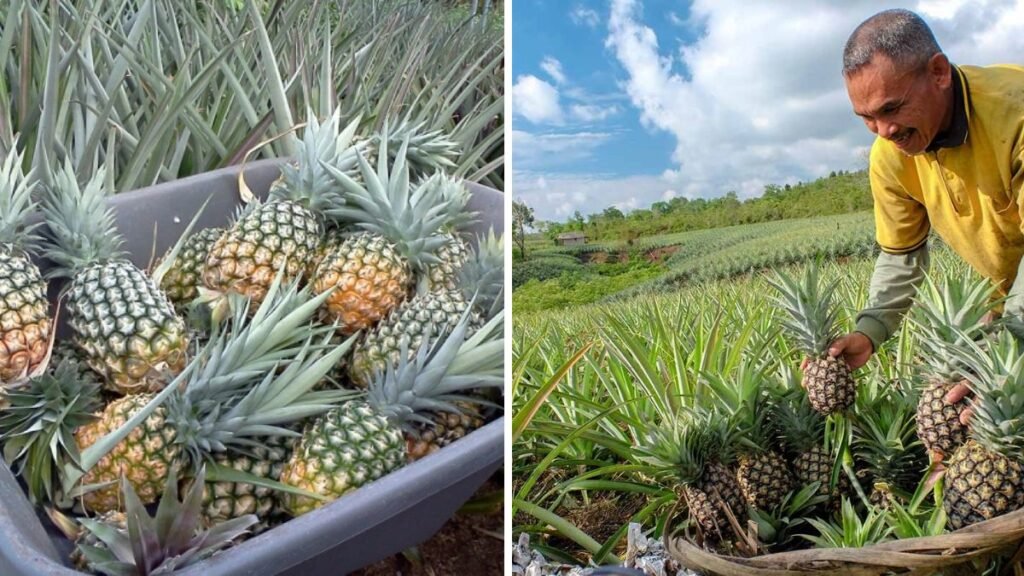
Leaves grow in a spiral, forming a rosette. Healthy leaves indicate proper nutrition. Remove dead or damaged leaves. Avoid pruning excessively. Leaves store water and nutrients. Proper care prevents disease. Healthy foliage supports flowering. Leaf monitoring predicts plant health.
11. Flower Induction
Natural flowering occurs in twelve to twenty-four months. Ethylene treatment can induce earlier flowering. Warm temperatures and consistent care promote bloom. Flowering produces the fruit stem. Observe plant health before induction. Proper flowering ensures strong fruit set. Timing affects fruit quality. Monitor environmental conditions for success.
12. Pollination
Pollination is essential for fruit development. Pineapples are self-pollinating but insects aid cross-pollination. Hand pollination improves yield in isolated areas. Flower health affects fruit set. Container plants may require manual assistance. Healthy flowers ensure quality fruits. Regular monitoring prevents failure. Successful pollination enhances productivity.
13. Fruit Development
Small flowers fuse to form a single pineapple. Fruit grows gradually over months. Container plants may produce smaller fruits. Consistent sunlight, nutrients, and moisture are essential. Monitor for pests. Observe color and size for harvest readiness. Gradual growth ensures sweetness. Patience is critical for proper fruit development.
14. Pest and Disease Management
Common pests include mealybugs and mites. Fungal infections occur in overwatered soil. Use organic sprays like neem oil. Keep area clean. Adequate airflow prevents fungal growth. Early detection avoids major loss. Healthy plants resist stress. Prevention is easier than treatment.
15. Harvesting Techniques
Harvest when fruits are golden yellow and fragrant. Twist or cut gently. Monitor frequently for ripeness. Container-grown pineapples may produce one or two fruits yearly. Early harvest reduces sweetness; late harvest improves flavor. Store in cool, ventilated areas. Proper technique ensures fruit integrity. Timely harvesting encourages future flowering.
16. Post-Harvest Handling
Wash fruits lightly. Store in a cool, dry place. Consume fresh or process into juice, jams, or preserves. Handle gently to prevent bruising. Avoid sunlight during storage. Post-harvest care preserves flavor. Proper handling ensures shelf life. Fresh fruits provide superior taste.
17. Benefits of Pineapple Cultivation
Homegrown pineapples are organic and chemical-free. Container cultivation suits small spaces. Observing the full life cycle is educational. Cost-effective alternative to buying fruit. Homegrown fruits are fresh and nutritious. Sustainable gardening practice. Encourages patience and attention. Produces rewarding results.
18. Troubleshooting Common Problems
Issues include slow growth, leaf yellowing, or rot. Adjust watering, sunlight, or fertilization. Monitor for pests regularly. Correct soil drainage. Remove damaged leaves. Check container size for root health. Address issues promptly. Healthy care ensures fruiting success.
19. Tips for Maximum Yield
Select healthy crowns. Use fertile, well-draining soil. Maintain consistent watering and sunlight. Regularly monitor pests and diseases. Apply balanced fertilization. Mulch to conserve moisture. Prune damaged leaves. Patience and observation increase fruit quality and quantity.
20. Conclusion
Pineapple cultivation from crown to harvest is simple with proper care. Sunlight, water, soil, and fertilization ensure healthy growth. Flowering, pollination, and fruit development stages are crucial. Container cultivation allows small-space gardening. Fruits are fresh, sweet, and chemical-free. Patience ensures a productive plant. Homegrown pineapples provide satisfaction and sustainability. Following these steps guarantees strong, fruitful plants.
📊 Table: Pineapple Cultivation Summary
| Aspect | Requirement | Benefit |
|---|---|---|
| Sunlight | Six to eight hours daily | Strong growth and fruiting |
| Watering | Light and consistent | Prevents rot, promotes root health |
| Soil | Sandy, well-draining, fertile | Supports root and leaf development |
| Fertilization | Balanced NPK or compost | Enhances leaf, flower, and fruit growth |