Hibiscus is a popular ornamental flowering plant grown in gardens and landscapes. Known for its large colorful blooms, hibiscus is widely cultivated in tropical and subtropical regions. Grafting is an effective method to propagate superior hibiscus varieties. It helps combine strong root systems with high-quality flowering scions. Grafted hibiscus plants grow faster and bloom earlier. This technique is commonly used in nurseries. It ensures uniform plant characteristics. Proper grafting improves plant vigor and flower quality.
What Is Hibiscus Grafting Technique
Hibiscus grafting is a vegetative propagation method where a desired hibiscus variety is joined to a strong rootstock. The scion determines flower color and size. The rootstock provides strong roots and adaptability. Grafting helps propagate rare and hybrid varieties. It improves resistance to pests and diseases. Hibiscus grafting is commonly done using wedge or side grafting. Successful union results in vigorous growth. This technique is reliable and efficient.
Importance of Grafting in Hibiscus Cultivation
Grafting plays an important role in hibiscus improvement. It ensures faster flowering compared to cuttings. Weak varieties benefit from strong rootstocks. Uniform growth simplifies garden management. Grafting improves tolerance to soil conditions. It reduces plant mortality. Nurseries depend on grafting for quality production. Gardeners enjoy better blooms. Overall plant performance improves significantly.
Best Hibiscus Varieties for Grafting
Most hybrid hibiscus varieties are suitable for grafting. Double flowered and exotic colored varieties are commonly grafted. Selection depends on climate and market demand. Scions must be taken from healthy flowering plants. Vigorous varieties perform better. Local adapted varieties ensure higher success. Color stability is maintained through grafting. Proper variety choice ensures good results.
Selection of Rootstock for Hibiscus
Rootstock should be strong and disease-free. Common hibiscus plants are used as rootstock. Age of rootstock should be four to six months. Stem thickness should match scion. Strong roots improve nutrient uptake. Rootstock adaptability affects plant performance. Healthy rootstock ensures long life. Poor rootstock reduces graft success.
Best Time for Hibiscus Grafting
Hibiscus grafting is best done during active growth periods. Warm temperatures and moderate humidity support healing. Spring and early summer are ideal. Avoid extreme heat and cold. Morning grafting is recommended. Seasonal timing affects success rate. Proper timing ensures fast union. Climate awareness is essential.
Tools Required for Hibiscus Grafting
Sharp grafting knife ensures clean cuts. Pruning shears prepare rootstock. Plastic tape secures graft. Fungicide prevents infection. Clean tools reduce disease risk. Labels help identification. Sterilization is important. Proper tools improve accuracy.
Preparation of Scion for Hibiscus Grafting
Scion selection determines flower quality. Choose healthy semi-hardwood shoots. Scion length should be ten to twelve centimeters. Remove leaves to reduce water loss. Make clean cuts at base. Fresh scions give best success. Avoid damaged shoots. Proper preparation improves graft union.
Step-by-Step Hibiscus Grafting Method
Cut the rootstock at desired height. Make a vertical slit or wedge cut. Prepare the scion with matching cut. Insert scion carefully. Ensure cambium contact. Tie securely with plastic strip. Cover graft area if needed. Place plant in shade.
Aftercare of Grafted Hibiscus Plants
Protect grafted plants from direct sunlight. Water regularly without overwatering. Remove shoots below graft. Spray fungicide after one week. Gradually expose to sunlight. Support new shoots. Proper aftercare ensures high survival.
Graft Union Healing and Growth
Union forms within two to three weeks. New leaves emerge from scion. Strong callus tissue develops. Remove tying material after healing. Weak grafts should be removed. Healthy growth indicates success. Healing depends on temperature. Observation is important.
Training and Pruning of Grafted Hibiscus
Training shapes the plant structure. Remove extra shoots. Encourage balanced branching. Pruning improves flowering. Remove dead branches. Maintain desired height. Proper pruning enhances aesthetics. Grafted hibiscus responds well.
Nutrient Management for Hibiscus
Balanced nutrition supports growth. Organic manure improves soil. Nitrogen promotes vegetative growth. Phosphorus strengthens roots. Potassium enhances flowering. Micronutrients prevent deficiencies. Avoid excessive fertilizer early. Proper feeding improves blooms.
Common Problems in Hibiscus Grafting
Graft failure due to misalignment is common. Dry scions reduce success. Excess moisture causes rot. Pest attack damages tender shoots. Wrong season lowers success. Proper technique prevents problems. Experience improves outcomes.
Advantages of Hibiscus Grafting
Early flowering is a major advantage. Uniform plants are produced. Strong growth improves lifespan. Rare varieties can be multiplied. Higher success than cuttings for hybrids. Cost-effective method. Suitable for nurseries.
Economic Benefits for Growers
Grafted hibiscus plants have higher market value. Exotic varieties fetch premium prices. Faster turnover improves income. Nursery production becomes efficient. Reduced losses increase profit. Commercial landscaping benefits greatly.
Comparison: Cutting vs Grafted Hibiscus
| Aspect | Cutting Propagation | Grafted Hibiscus |
|---|---|---|
| Growth Speed | Moderate | Fast |
| Flower Quality | Variable | Superior |
| Root Strength | Moderate | Strong |
| Survival Rate | Medium | High |
| Commercial Value | Average | High |
Hibiscus Grafting for Home Gardens
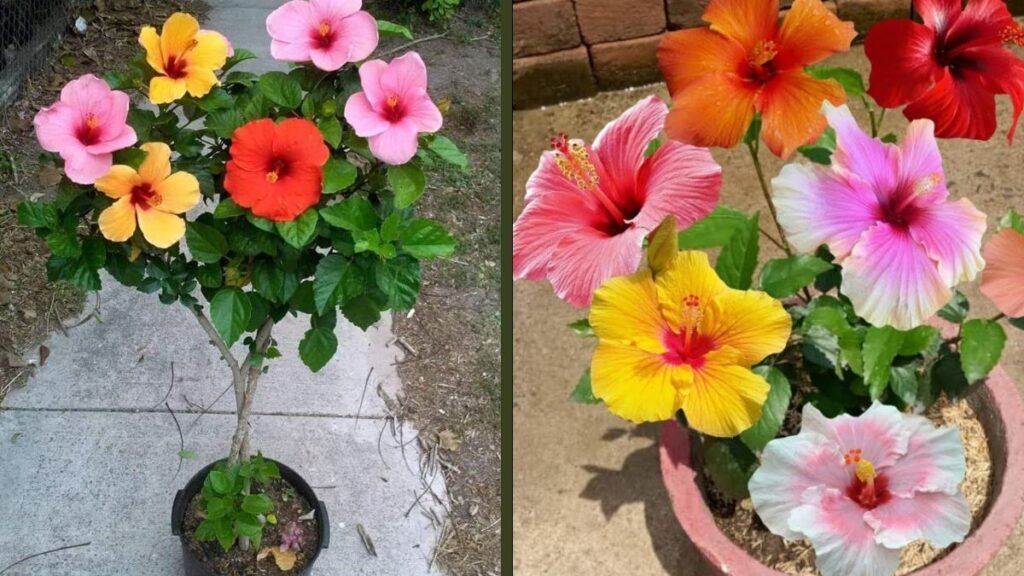
Home gardeners enjoy grafted hibiscus. Plants bloom quickly. Less waiting time. Suitable for pots. Easy maintenance. Wide color options available. Grafted plants adapt well. Ideal for ornamental gardening.
Long-Term Care of Grafted Hibiscus
Regular watering is required. Avoid waterlogging. Prune after flowering. Apply organic manure. Pest control ensures health. Replace weak plants. Proper care ensures continuous blooming.
Conclusion
Hibiscus grafting is an effective method for producing high-quality flowering plants. It ensures faster growth, bigger blooms, and stronger plants. With proper technique and aftercare, success rates are high. This method benefits both home gardeners and commercial nurseries. Grafting helps preserve superior hibiscus varieties. Adopting this technique enhances ornamental gardening success.